

Living a life of travel isn’t a personality type or a trust fund thing. It’s a set of choices you can make in your 20s, 30s, 40s, or whenever you decide you want more stamps in your passport and fewer “maybe next year” conversations.
The secret is building a travel system that fits your real life: your budget, your job, your energy levels, and your responsibilities. Here are five moves that make frequent travel feel normal (not chaotic).
Top 5
1) Build Your “Travel Budget” Like a Monthly Bill
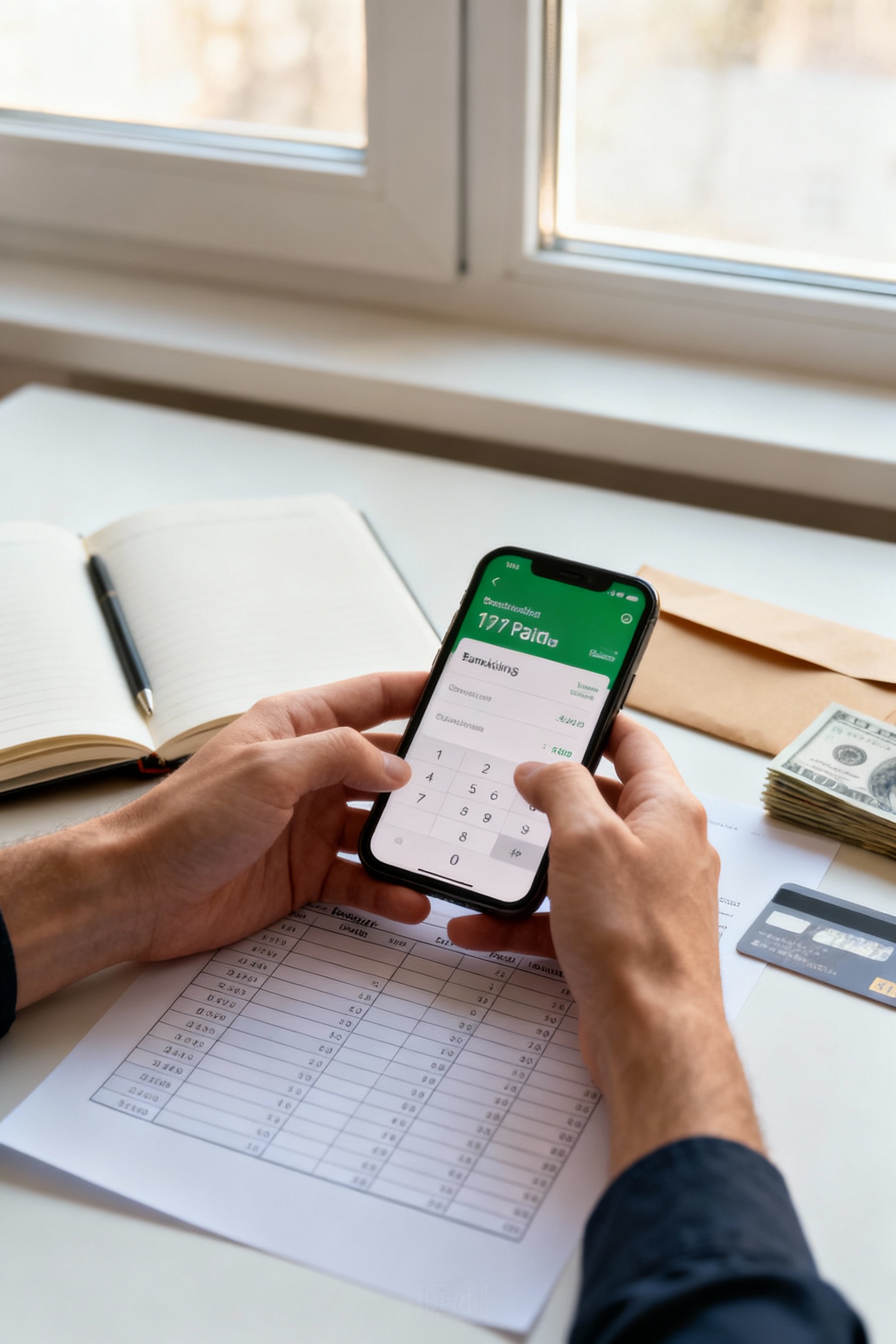
Pick a number you can commit to monthly (even $50–$150) and automate it into a separate travel account the day after payday. Use a simple rule: flights + lodging first, experiences second, shopping last. If you’re flexible, aim for shoulder season (April–May, September–early November) when prices drop and crowds thin out.
2) Design a Work Setup That Travels With You

If you can, negotiate for remote days, compressed weeks, or “work from anywhere” blocks tied to your deliverables. For a first work-trip, choose a timezone within 1–3 hours of home so meetings don’t wreck your schedule, and book lodging with reliable Wi-Fi and a real desk (not just a café table). Pack a small tech kit: universal adapter, 2m charging cable, laptop stand, and noise-canceling earbuds.
3) Master the Short Trip: 3–5 Days, One Home Base
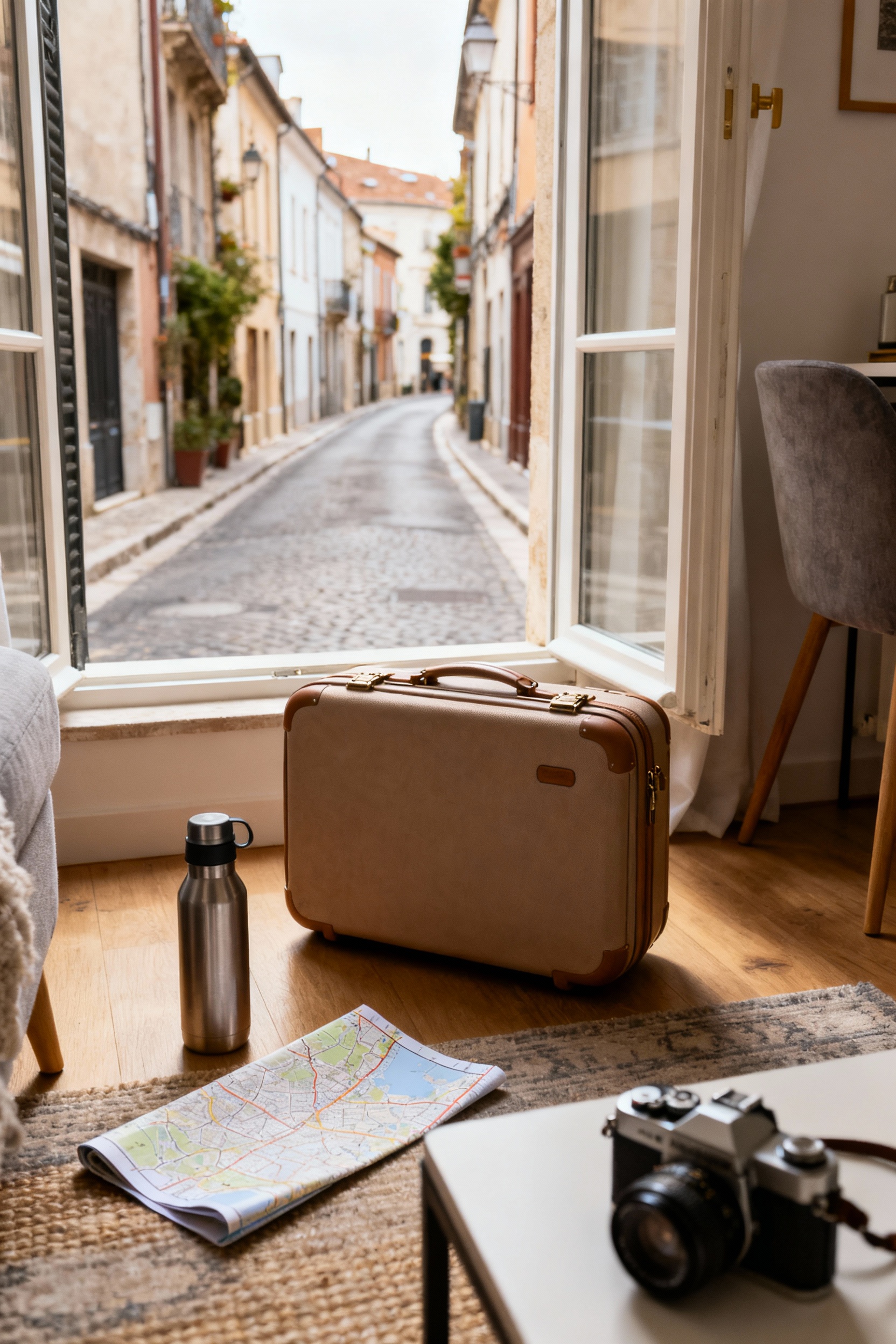
Frequent travel is easier when you stop trying to “do it all” every time. Pick one neighborhood to stay in and plan one anchor activity per day (museum, hike, food tour), then leave breathing room for wandering. For cities, look for walkable areas near transit (examples: Lisbon’s Baixa/Chiado, Mexico City’s Roma Norte/Condesa, Tokyo’s Shinjuku/Shibuya edges) and skip the hotel that’s “cheaper” but far away.
4) Use Repeatable Trip Templates (So Planning Takes 30 Minutes)
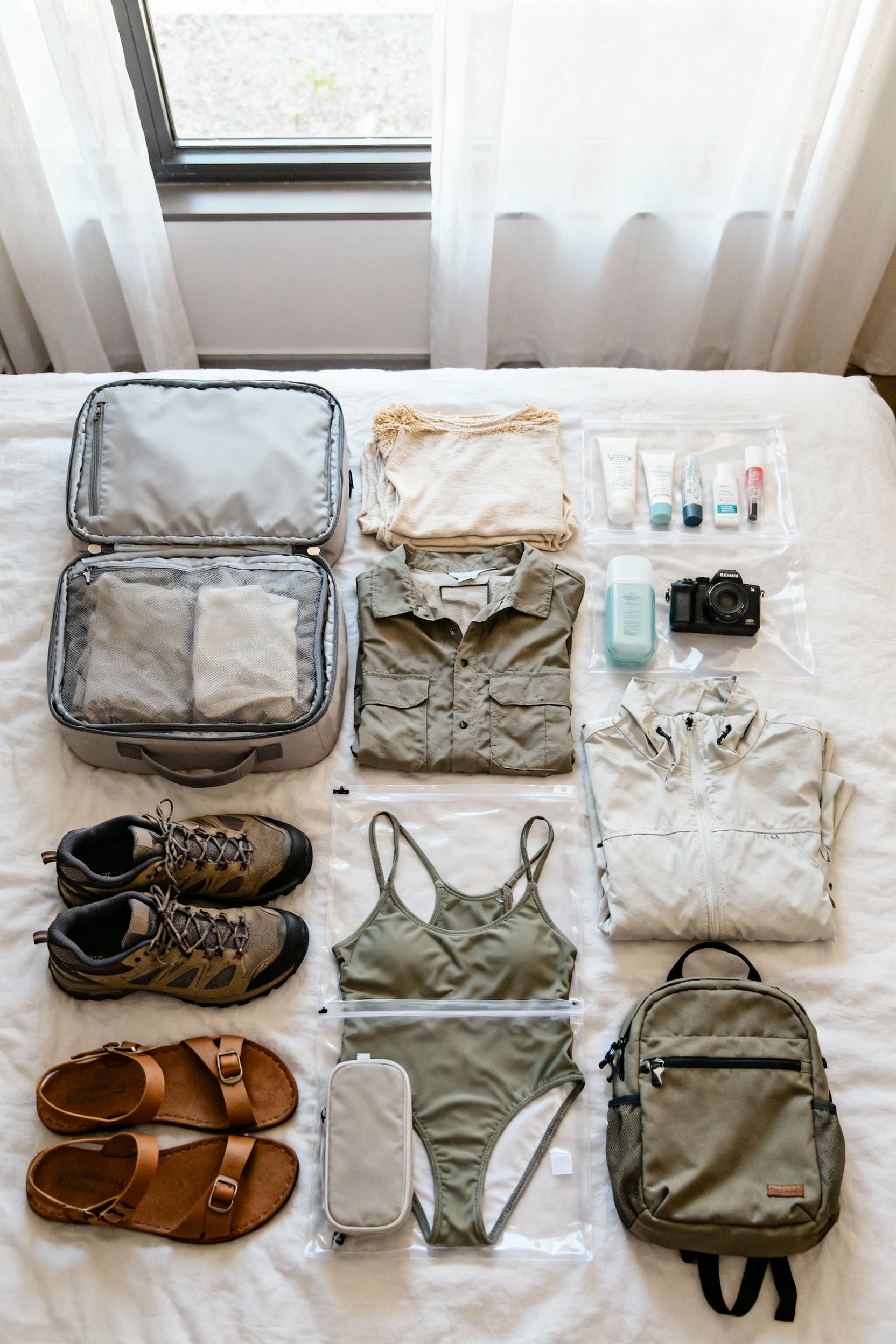
Create a few go-to trip types you can reuse: a beach reset, a mountain weekend, a big-city food crawl, and a “visit friends” trip. Save a note with your standard packing list, preferred airlines, and the booking timeline (typically flights 1–3 months out for domestic, 3–6 months out for international). When you find a destination deal, you’ll already know what to book: a centrally located stay, one paid experience, and a transit pass.
5) Travel Smarter With Points, Insurance, and a Safety Routine
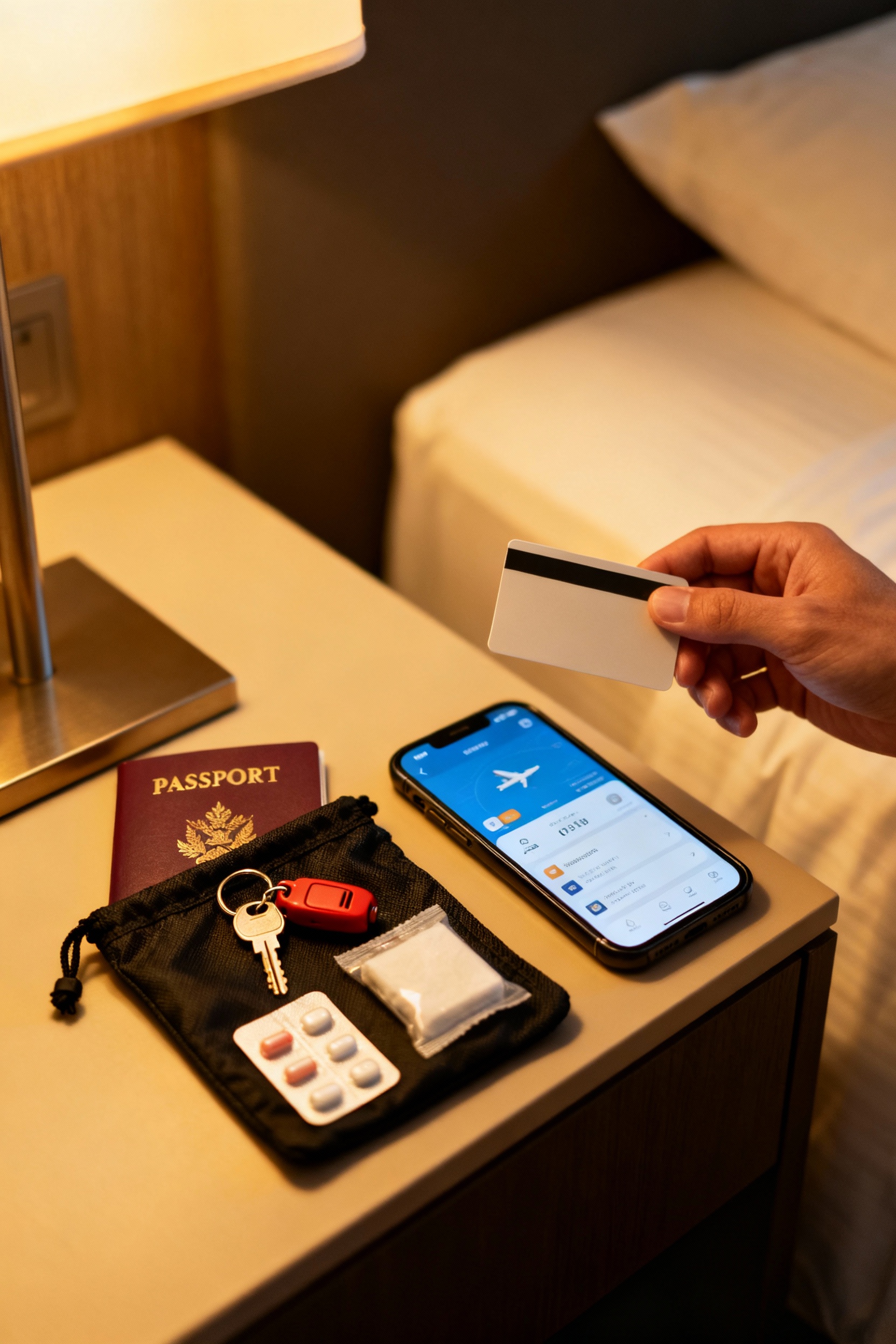
Choose one rewards system and stick with it: one main airline alliance and one hotel brand (or a flexible points card if you want options). Always price check cash vs. points, and use travel insurance for big international trips or anything non-refundable. Keep a simple safety routine: download offline maps, share your itinerary with someone you trust, and carry a backup card plus a small amount of local currency.
FAQ
How do I travel more if I only get limited PTO?
Stack weekends with 1–2 PTO days to create 4–5 day trips, and target destinations with short flight times so you don’t lose a whole day in transit. Red-eye flights can help if you can sleep on planes, and early-morning departures usually cost less. Plan one “big trip” and several mini trips each year so you always have something on the calendar.
What’s the best age to start traveling seriously?
Whenever you can do it sustainably. In your 20s you might prioritize budget hostels and longer trips; in your 30s and later you might lean into comfort, better locations, and fewer stops. The best time is when you can keep it consistent without burning out your finances or your schedule.
How can I afford international trips on a normal salary?
Let price lead the destination: search from your home airport to “anywhere” and travel in shoulder season. Book flights first, then choose lodging that reduces daily costs (kitchenette, included breakfast, walkable location). Track your spending by category so you know what actually moves the needle: flights, lodging, and transport matter more than small souvenirs.
Is solo travel safe for first-timers?
It can be, especially if you start with destinations known for good transit, strong tourism infrastructure, and easy navigation. Stay in central neighborhoods, arrive during daylight when possible, and book your first night’s lodging before you land. Trust your instincts, keep valuables minimal, and have a “check-in” plan with a friend or family member.
What should I pack if I want to travel often with just a carry-on?
Stick to a neutral color palette and plan outfits you can re-wear in different combos. Bring one comfortable walking shoe, one nicer option, and a lightweight layer you can use on planes and chilly evenings. A compact toiletry kit, a packable tote, and laundry detergent sheets make carry-on travel realistic for 7–10 days.