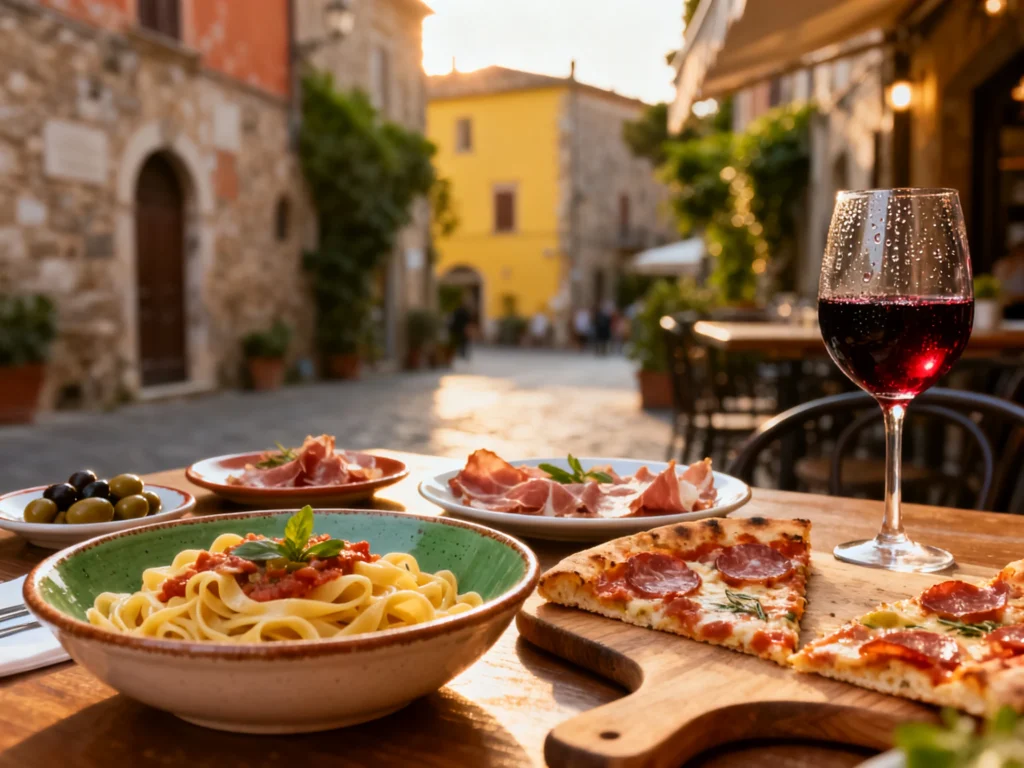
Italy is one of those places where “just grabbing a bite” turns into a core memory. The best meals aren’t always the fanciest—they’re the ones tied to a place, a season, and a tiny local ritual.
If you’re planning your first (or next) trip, build your itinerary around these five food experiences. They’re delicious, practical to book, and honestly worth rearranging train times for.
Top 5
1) Roman Carbonara in Trastevere (Rome)
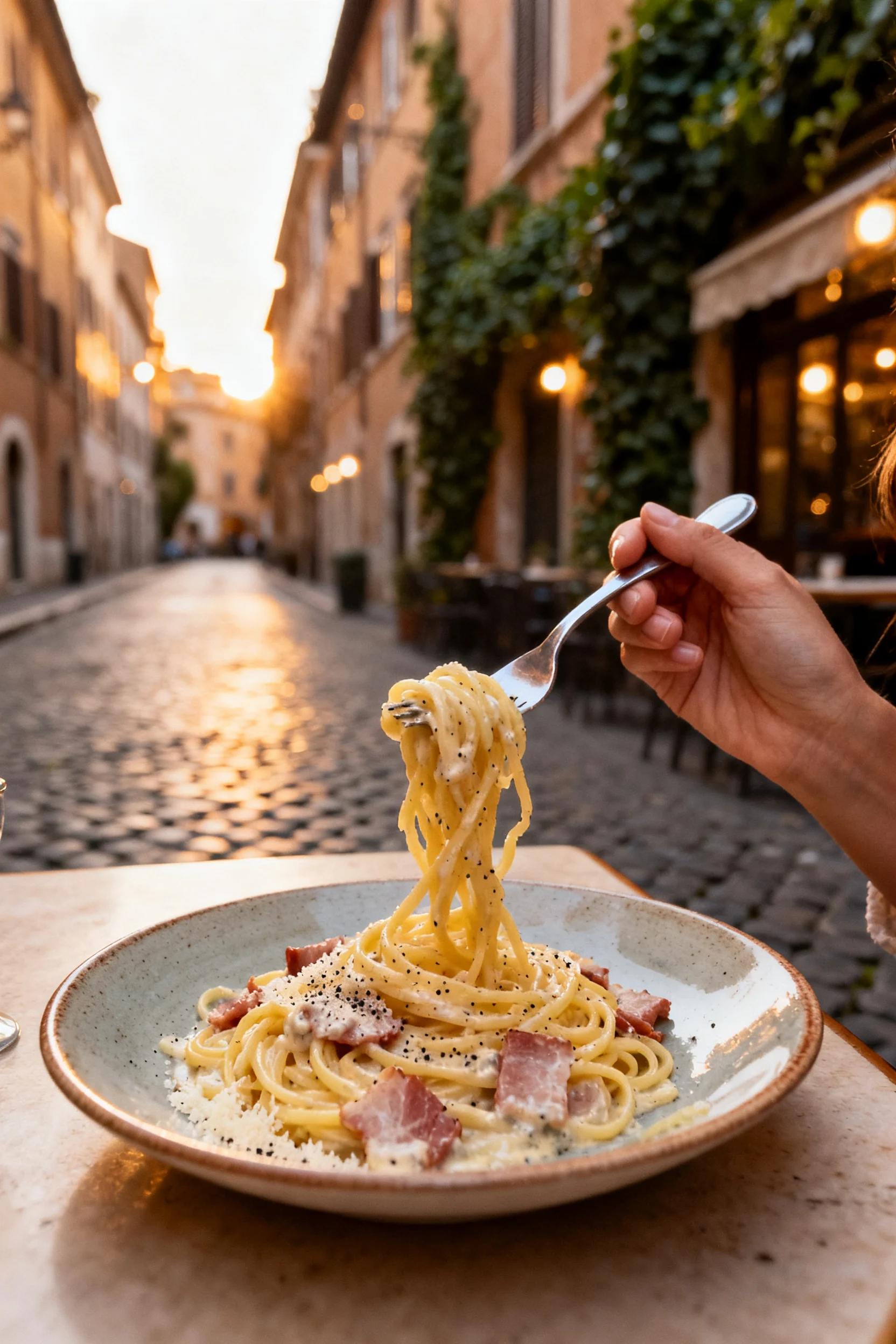
Skip the tourist-strip menus and go for carbonara in Trastevere or Testaccio, where it’s typically made the classic way: guanciale, eggs, pecorino, black pepper—no cream. Aim for an early dinner (around 7:00–7:30 pm) to avoid the longest lines, or book ahead if the spot takes reservations. Pair it with a simple glass of Frascati and save room for a maritozzo the next morning.
2) A Proper Aperitivo Crawl in Navigli (Milan)
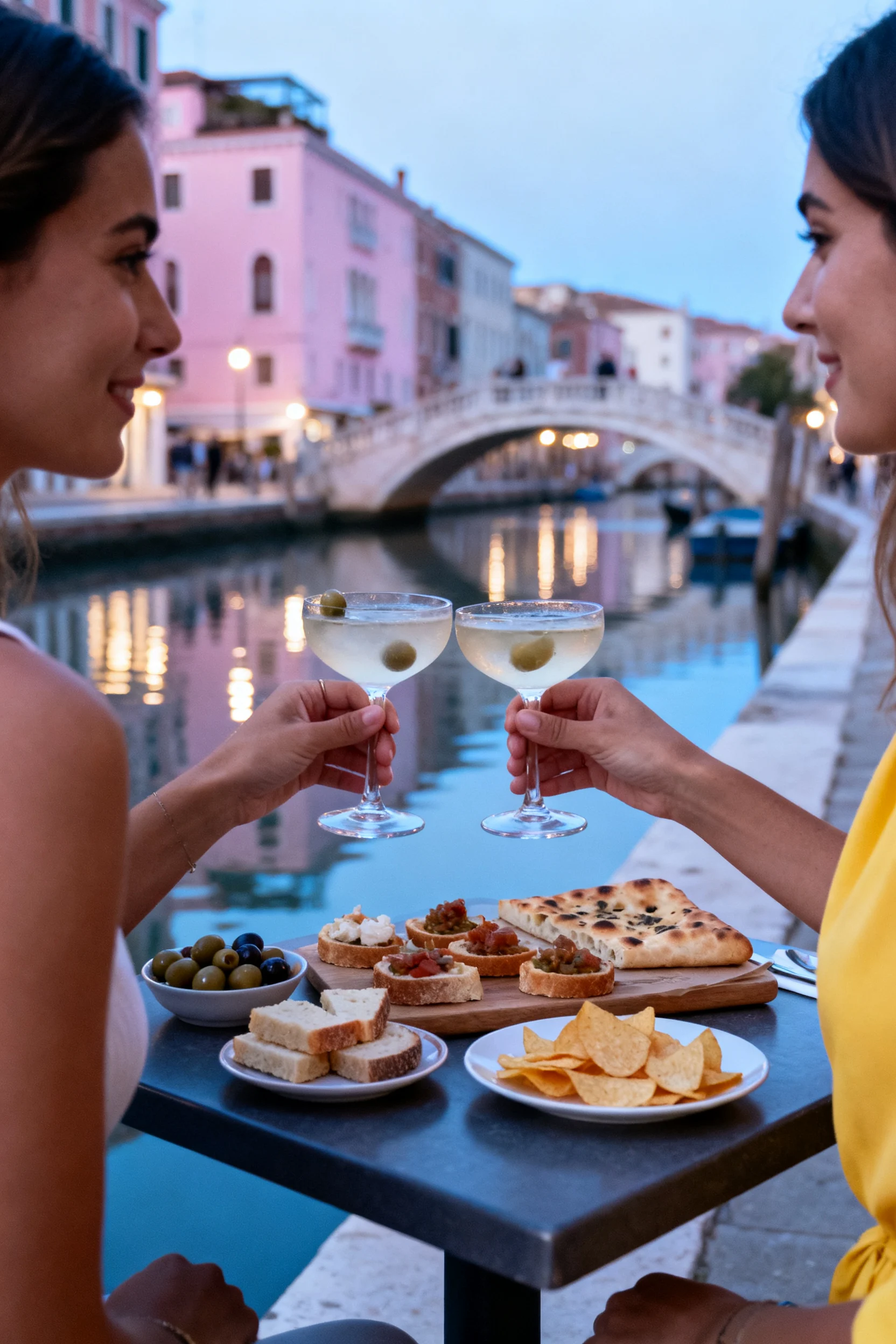
Aperitivo is basically Italy’s chic pre-dinner ritual, and Milan’s Navigli canals are the main stage. Go around 6:30–8:30 pm, order one drink, and you’ll usually get a spread of snacks that can be “accidentally dinner” if you do it right. Start at one canal-side bar for the vibe, then hop to a smaller spot one street back for better quality bites—think olives, focaccia, and mini tramezzini. Wear comfy shoes; this is a stroll-heavy night.
3) Bologna’s Fresh Pasta + Tortellini (Bologna)
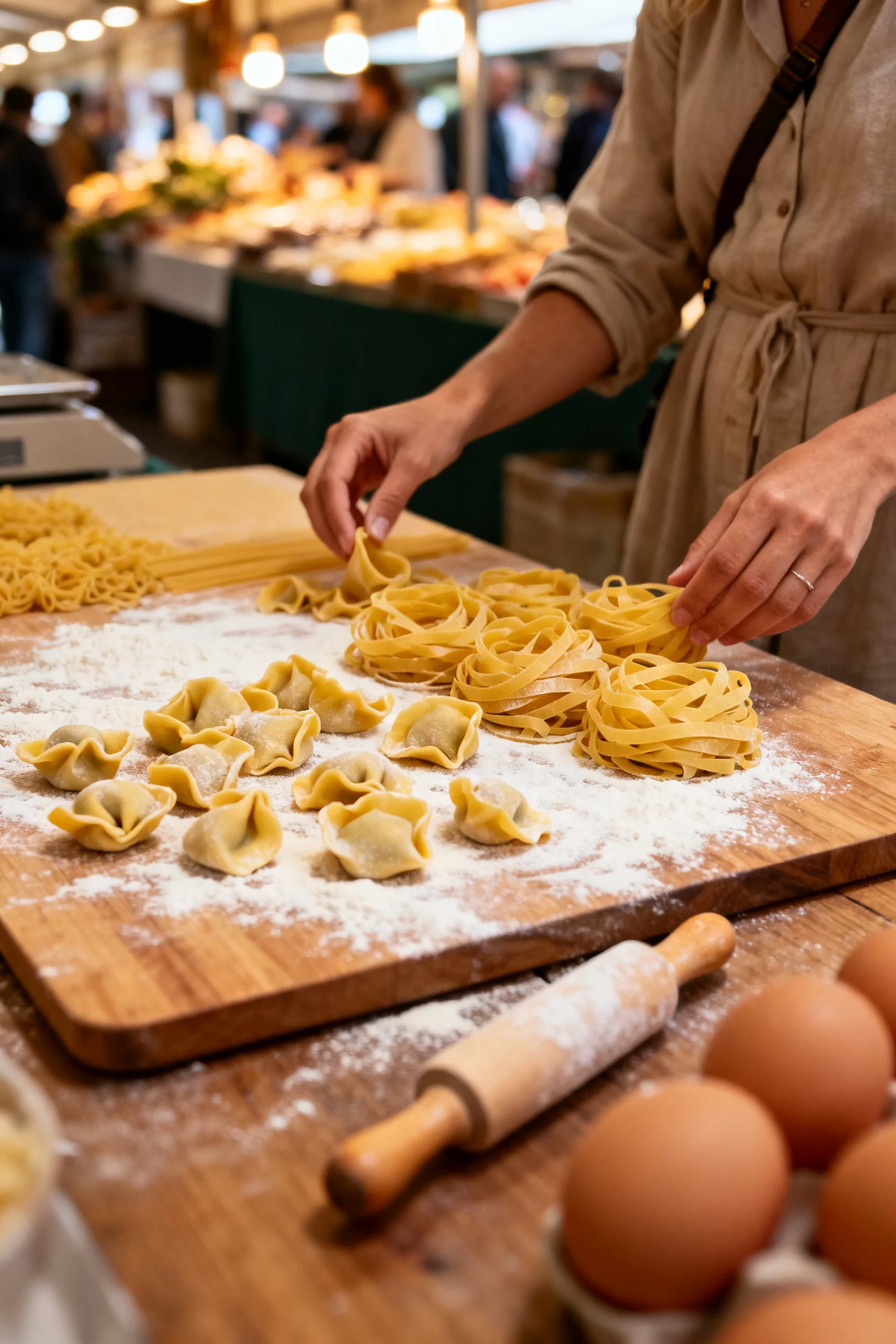
If you want one city where the food feels like a warm hug, it’s Bologna. Book a small-group pasta class (look for tortellini and tagliatelle) or do a self-guided crawl through the Quadrilatero market area for fresh pasta, mortadella, and Parmigiano-Reggiano samples. Go earlier in the day for the best market energy, then plan a long lunch—this is not a “quick bite” destination. If you’re visiting in summer, pack a light layer for indoor spots that blast A/C.
4) Neapolitan Pizza in Naples (and a Day Trip Bonus)
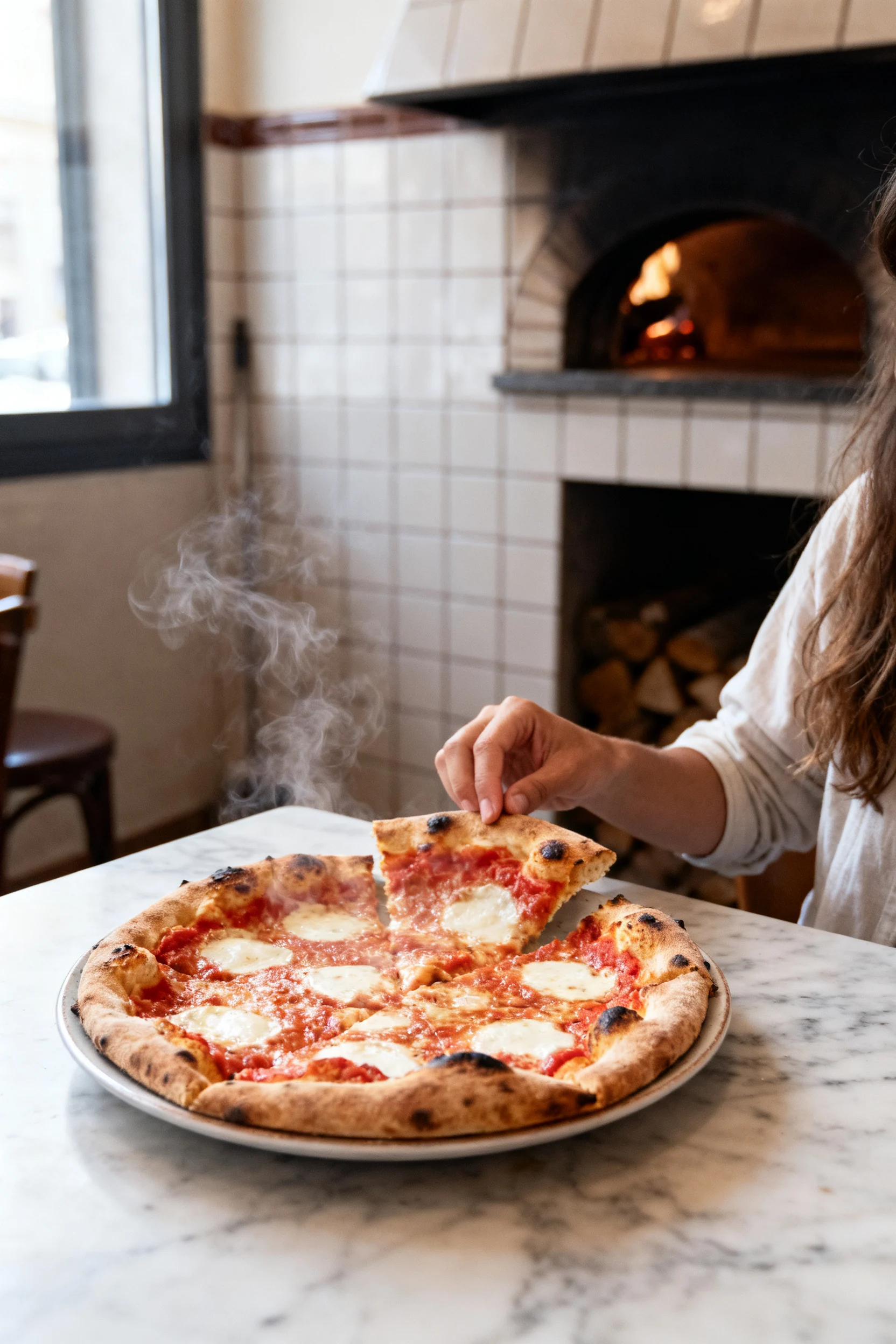
Naples is the pizza capital, and the goal is simple: a classic Margherita or Marinara with a soft, airy crust and that slightly charred edge. Time it for an off-peak lunch (around 12:00) or a later dinner (after 9:00 pm) to dodge peak crowds, and expect a line at the most famous places. Want to make it extra worth the trip? Pair your pizza mission with a half-day visit to Pompeii or a sunset ride along the waterfront.
5) A Tuscan Winery Lunch in Chianti (Florence Base)
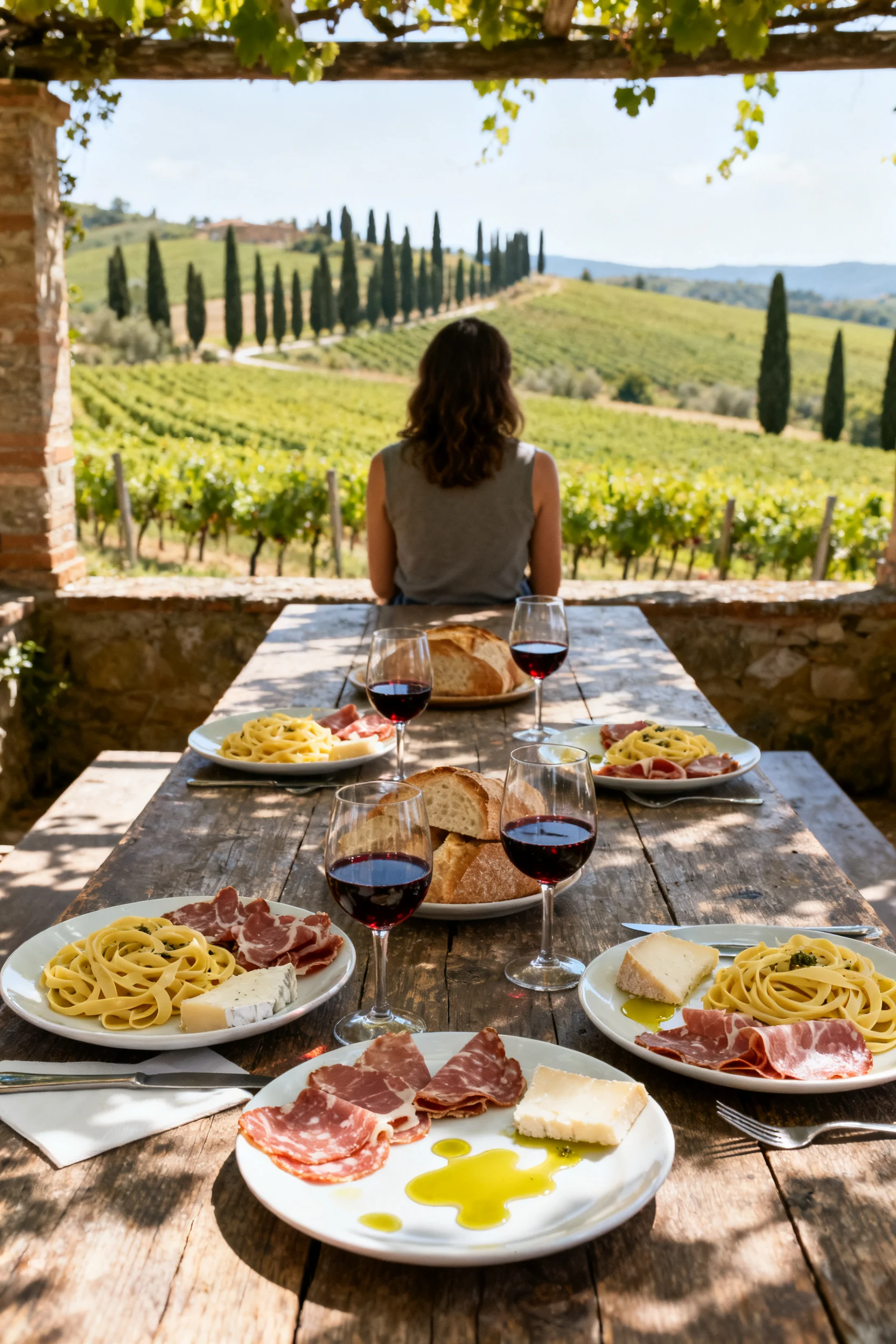
Florence is amazing, but the Tuscany “wow” moment often happens outside the city—at a winery lunch with rolling hills in the background. Book a small tour or a direct winery reservation in Chianti Classico (Greve, Radda, or Castellina area) and look for tastings paired with local staples like pecorino, cured meats, and ribollita. Go midday for the best light and the most relaxed pacing, and don’t drive if you’re tasting—use a tour or private transfer. Bring sunglasses and a backup phone charger because you’ll take an unreasonable amount of photos.
FAQ
Do I need reservations for restaurants in Italy?
In major cities and for well-known spots, yes—especially for dinner on weekends. For Rome, Milan, Florence, and Bologna, it’s smart to reserve 1–3 days ahead (more in peak season). In Naples, some iconic pizza places don’t take reservations, so plan for a line and go off-peak.
What’s the best time of year for a food-focused Italy trip?
Late spring (May–June) and early fall (September–October) are the sweet spots: great weather, seasonal produce, and fewer crowds than midsummer. Fall is especially good for wine experiences in Tuscany and hearty dishes in Bologna.
How do I avoid tourist-trap restaurants?
Avoid places with huge photo menus, aggressive hosts outside, or “everything cuisine” lists. Look for shorter menus, seasonal specials, and dining rooms filled with locals. Staying a few blocks away from the biggest landmarks (like the Colosseum or Duomo areas) usually improves both quality and value.
Is it okay to do food tours, or should I DIY?
Food tours are worth it in places where local context matters—Bologna markets, Rome street food, or a Tuscan wine day. DIY works best when you have time to wander and you’re comfortable adjusting on the fly. If your schedule is tight, a 2–3 hour tour can save you from decision fatigue.
What should first-timers know about Italian meal timing?
Lunch is usually 12:30–2:30, and dinner often starts later than you might expect (around 7:30–10:00). Aperitivo is typically early evening, and it can fill the gap before dinner. If you’re hungry earlier, grab a snack like a slice of pizza al taglio or a panino to hold you over.