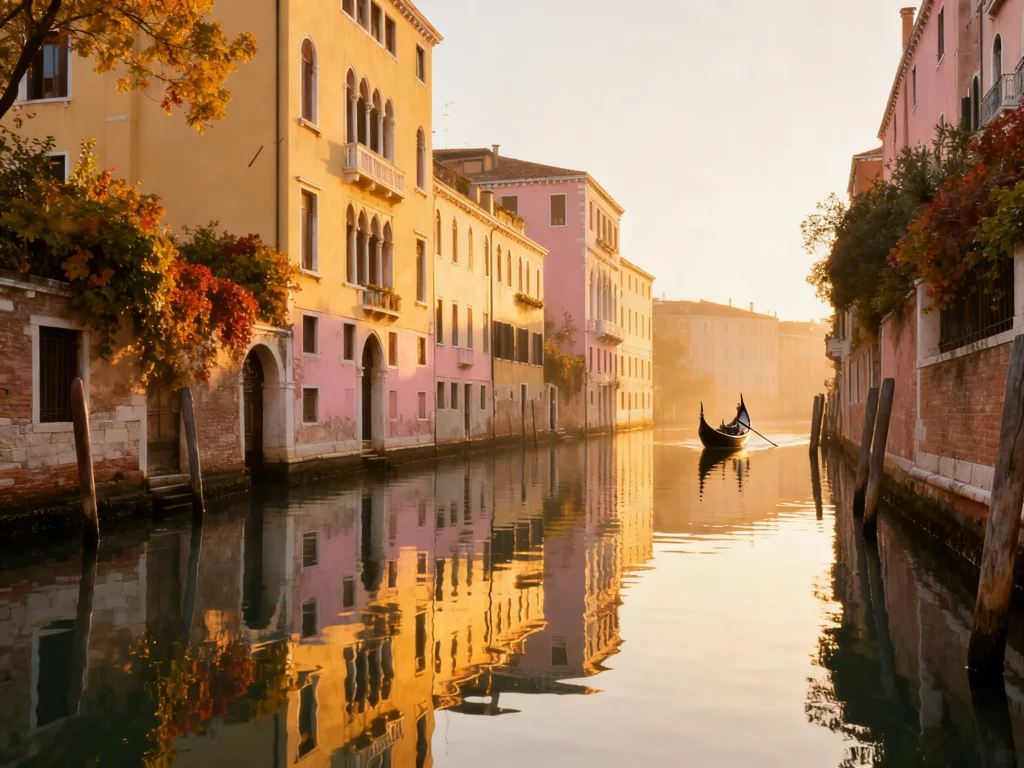
Italy is one of those places that hits in every season—just in totally different ways. The “best time” depends on your vibe: museum days and cozy food, long beach afternoons, or shoulder-season city breaks with fewer crowds.
Use this guide to match the month (and the weather) to what you actually want to do. You’ll get the highlights, what to book early, and what to pack so your first Italy trip feels smooth instead of chaotic.
Top 5
1) Spring (March–May): Cities + Blossoms + Best Balance
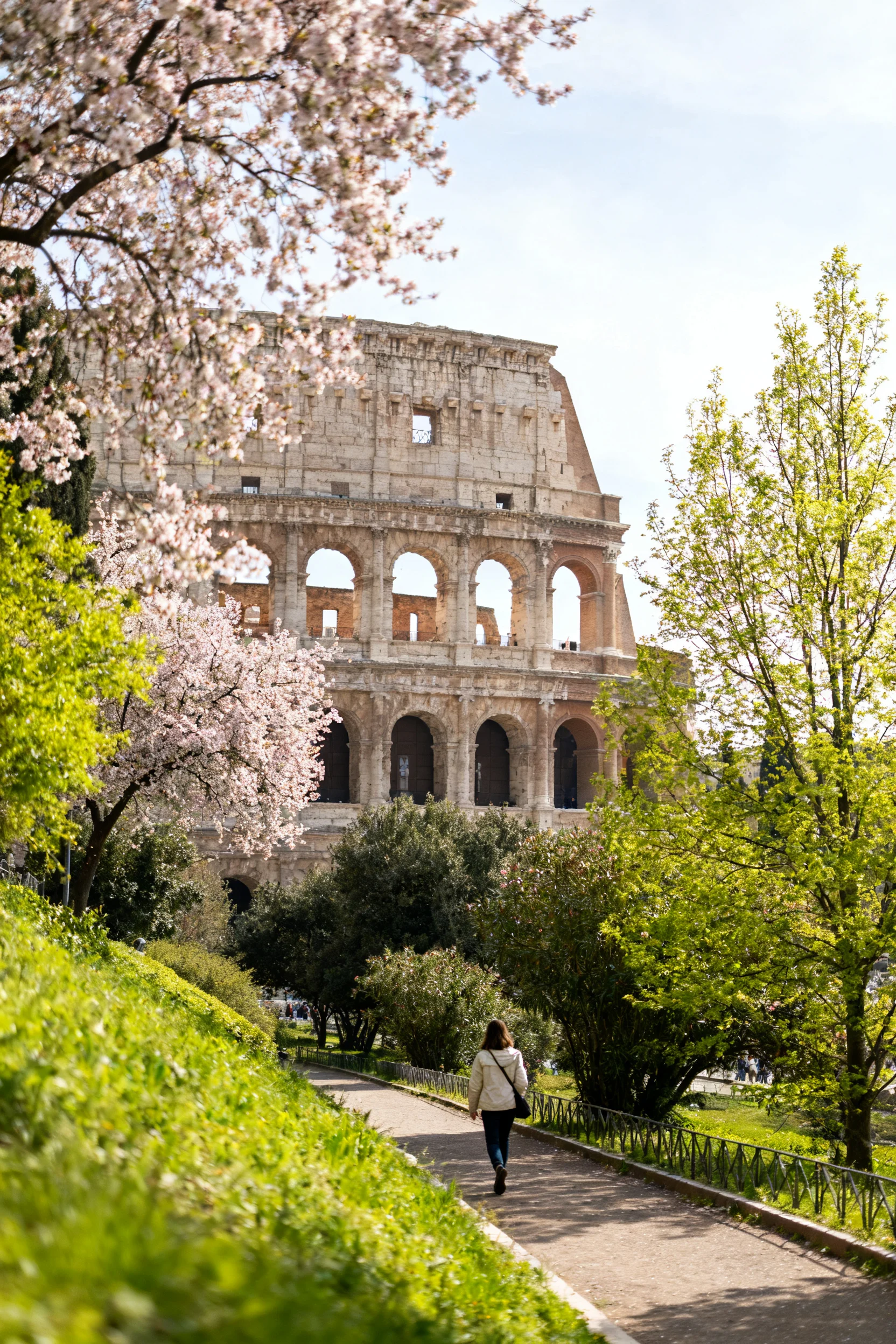
Spring is the sweet spot for first-timers: mild weather, longer days, and fewer crowds than peak summer. Plan Rome, Florence, and Venice with outdoor time—book the Colosseum and Vatican Museums in advance and aim for morning entry slots. Pack layers (a light jacket and comfy walking shoes) because temperatures swing from cool mornings to sunny afternoons. If you want countryside, late April to May is ideal for Tuscany day trips without the summer heat.
2) Summer (June–August): Beaches, Late Nights, and Big Energy
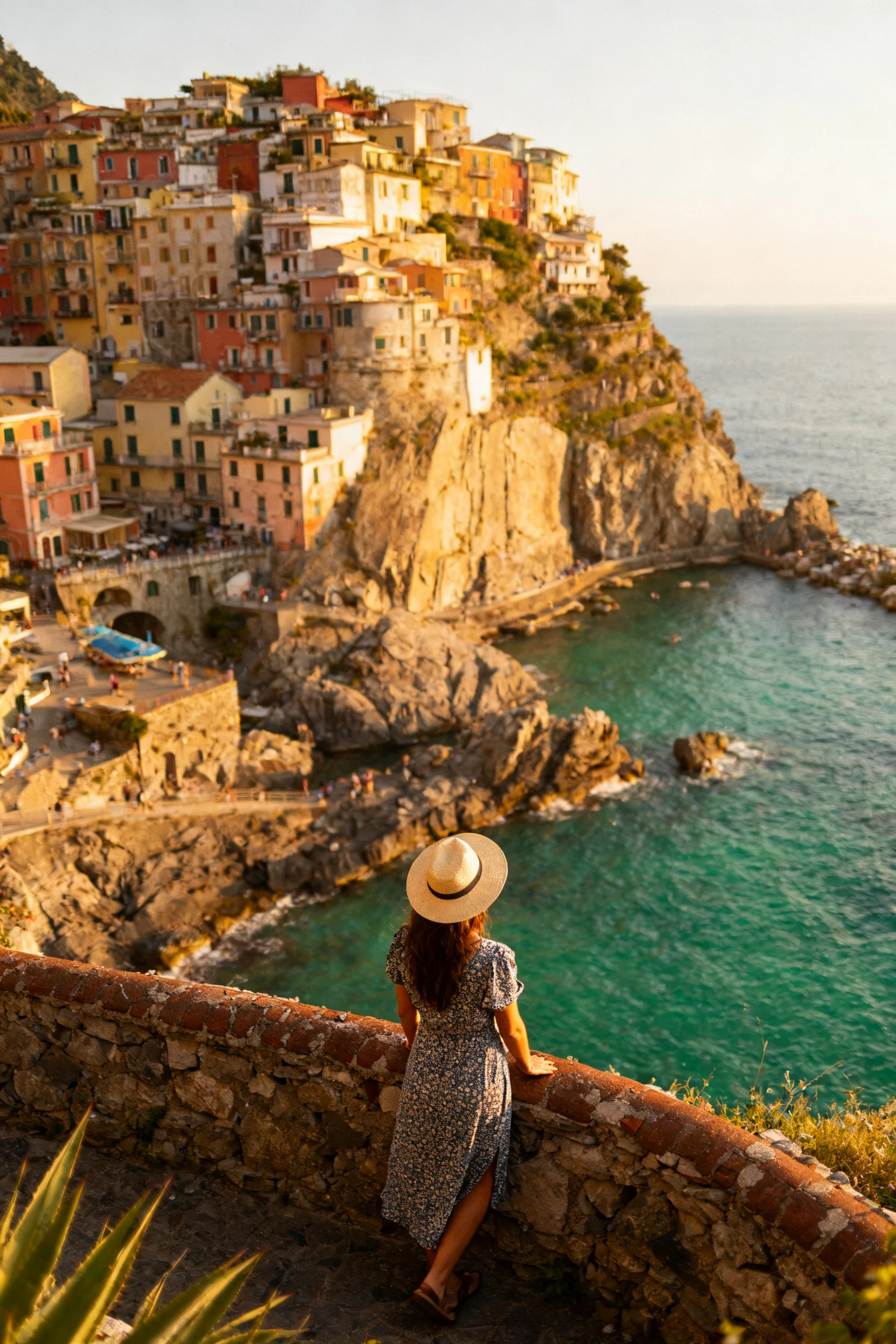
Summer is for the coast and islands—think Amalfi Coast, Puglia, Sicily, Sardinia—plus festivals and that stay-out-late Italian rhythm. Book trains, popular hotels, and beach clubs (especially in Amalfi/Capri and along the Cinque Terre) as early as you can, ideally 2–4 months out. In cities, go early: do major sights before 10 a.m., then take a midday break and come back out for aperitivo. Pack breathable outfits, a hat, sunscreen, and a refillable water bottle—Italian heat is real.
3) Fall (September–November): Food Season + Warm Seas + Shoulder-Season Deals

Fall is Italy’s “best kept secret” even though everyone’s starting to catch on: September still feels like summer along the water, but the crowds begin to thin. It’s prime time for food-focused travel—truffle festivals, grape harvest vibes, and cozy wine bars—so consider Bologna, Piedmont (Alba area), and Tuscany. Book accommodations for late September and early October early, since it’s popular with savvy travelers. Pack a light rain jacket and closed-toe shoes for cooler evenings and occasional showers.
4) Winter (December–February): Museums, Christmas Lights, and Ski Days
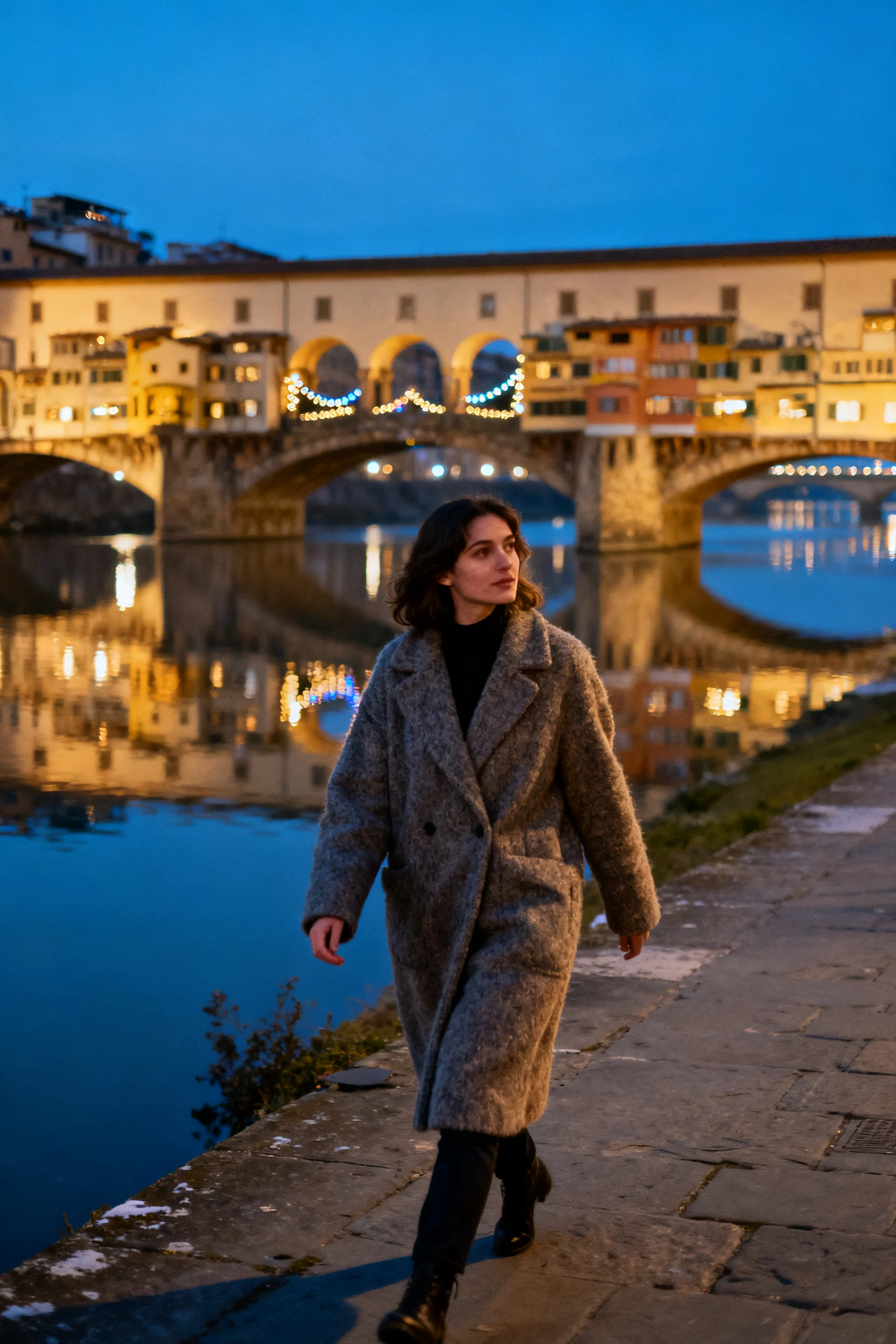
Winter is perfect if you want Italy with breathing room, especially in big cities where lines are shorter and hotel prices can dip (minus holidays). Do Rome and Florence for art-heavy days, then add Milan for shopping and sleek cafes, or head north to the Dolomites for skiing and snowy mountain towns. If you’re traveling in December, lock in trains and hotels around Christmas/New Year’s early, because Italians travel too. Pack a warm coat, scarf, and waterproof shoes—many cities are best explored on foot even when it’s chilly.
5) Month-by-Month Quick Picks: Match Your Trip to Your Priorities
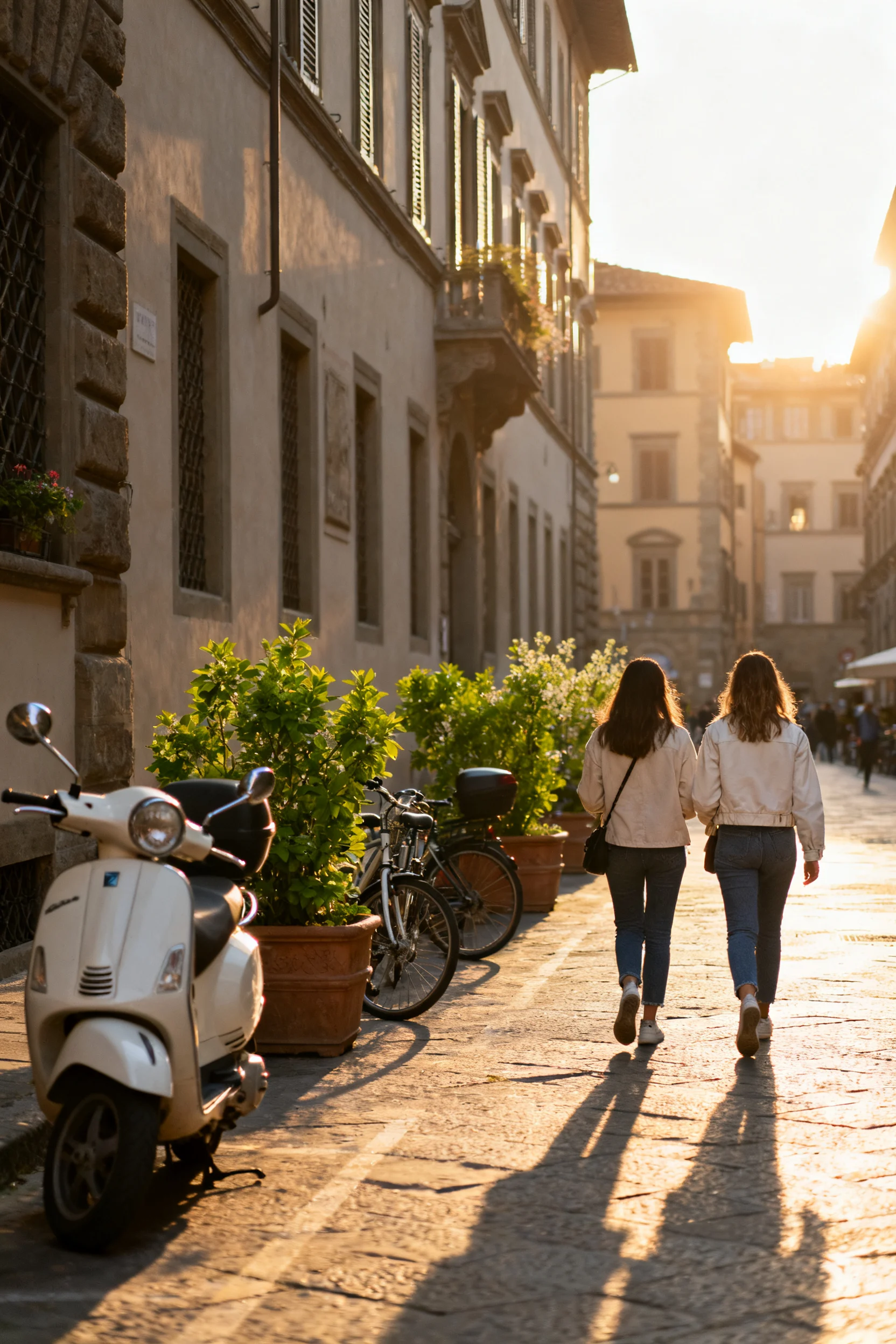
If you want fewer crowds, aim for late March, April, early May, late September, or October—these months usually offer the best mix of weather and manageability. For beach time with less chaos, choose early June or mid-September and base yourself near the water (Sorrento for Amalfi access, Polignano a Mare in Puglia, Taormina in Sicily). For the most “iconic Italy” energy—long nights, packed piazzas, and peak vibes—go in July, just commit to early bookings and early mornings. For budget-friendly city breaks, January and February often win, especially if you focus on museums, food, and neighborhood strolls.
FAQ
What is the best month to visit Italy for the first time?
May and September are the easiest first-timer months: comfortable weather, solid transit schedules, and a good chance of scoring great hotels without peak-summer pricing. You’ll still want to book major attractions (like the Vatican Museums and Uffizi) ahead of time.
When should I avoid Italy?
If you dislike crowds and heat, avoid late July and August in major hotspots like Rome, Florence, Venice, Amalfi, and Cinque Terre. Also note that some smaller businesses in very local towns may close for part of August, so plan restaurant and activity options accordingly.
Is winter a good time for Rome, Florence, and Venice?
Yes—winter is underrated for Italy’s classic cities. You’ll trade some sunshine for shorter lines, easier restaurant reservations, and a more local feel, especially in January and February.
How far in advance should I book Italy in peak season?
For June–August and holiday weeks, book flights and hotels 2–4 months ahead (earlier for Amalfi Coast, Capri, Venice, and popular lake towns). Reserve timed-entry attractions as soon as your dates are set, and grab high-speed train tickets early for better prices.
What should I pack for Italy in shoulder season?
Bring layers: a light jacket or blazer, a compact umbrella or rain jacket, and comfortable walking shoes. Add one nicer outfit for evenings (Italy leans polished), and you’ll be set for everything from museums to rooftop aperitivo.