Italy is one of those places where you can do “classic” and “underrated” in the same trip—espresso in a sunny piazza, a quick train to a new city, and somehow you’re eating the best pasta of your life by night.
Below are five Italy itinerary ideas built around different travel styles, so you can pick the vibe that fits you (and your energy level). Each one is first-timer friendly, with practical tips on where to base, what to book, and what to skip.
Top 5
1) First-Timer Classics: Rome + Florence + Venice (10 days)
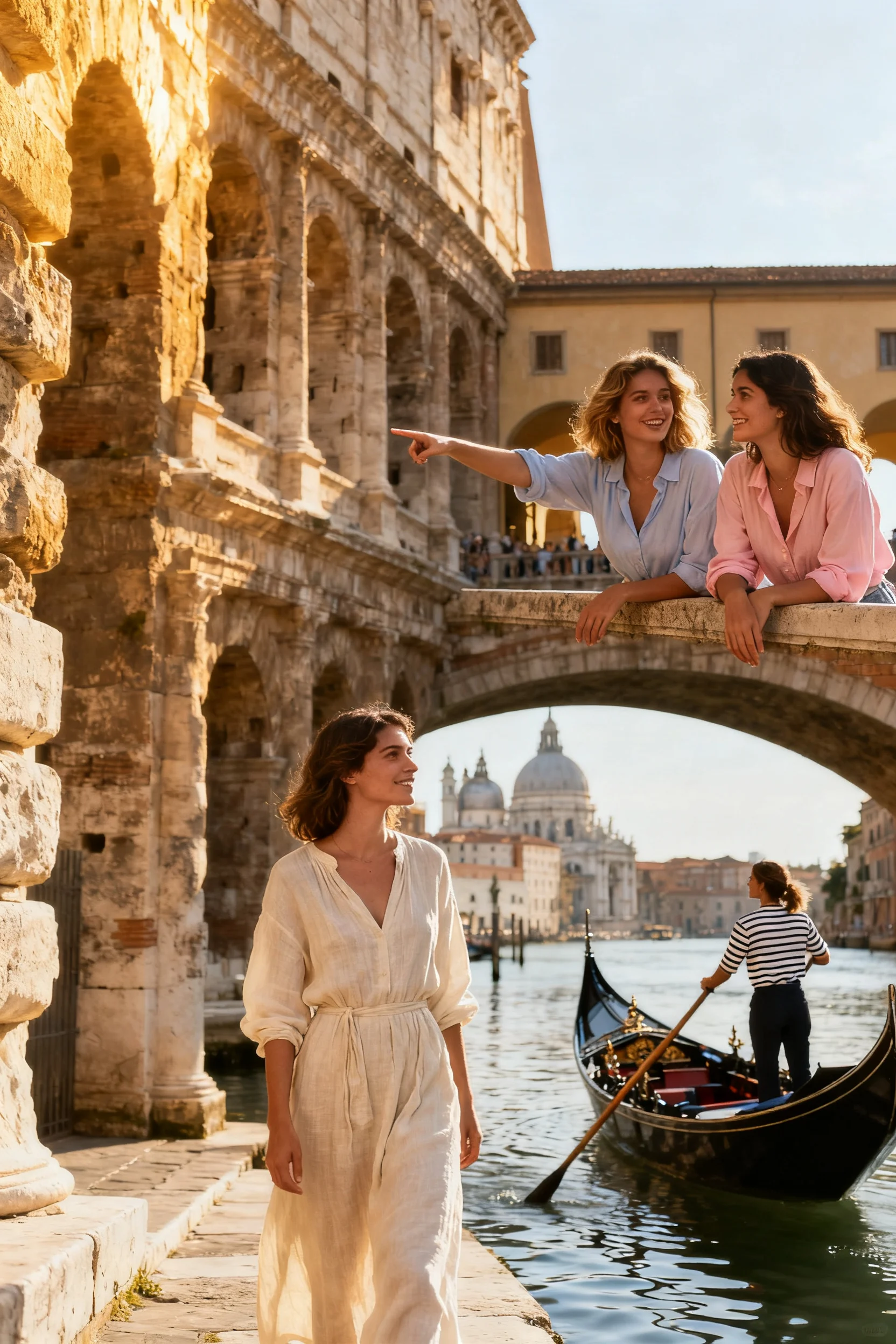
Do 4 nights in Rome, 4 in Florence (with a day trip), and 2 in Venice—perfect pacing without constant suitcase shuffling. Book the Colosseum/Roman Forum and Vatican Museums early morning slots (or a guided “skip-the-line” tour) and reserve the Uffizi and Accademia in Florence at least a few weeks ahead in high season. Stay in Rome near Centro Storico or Monti for walkability, Florence in Santa Croce or Oltrarno for a calmer feel, and Venice in Cannaregio to dodge the most intense crowds. Pack comfy shoes and a light scarf for church entry, and skip trying to “add Milan” unless you have extra days.
2) Coastal Reset: Amalfi Coast + Capri + Naples (7–9 days)
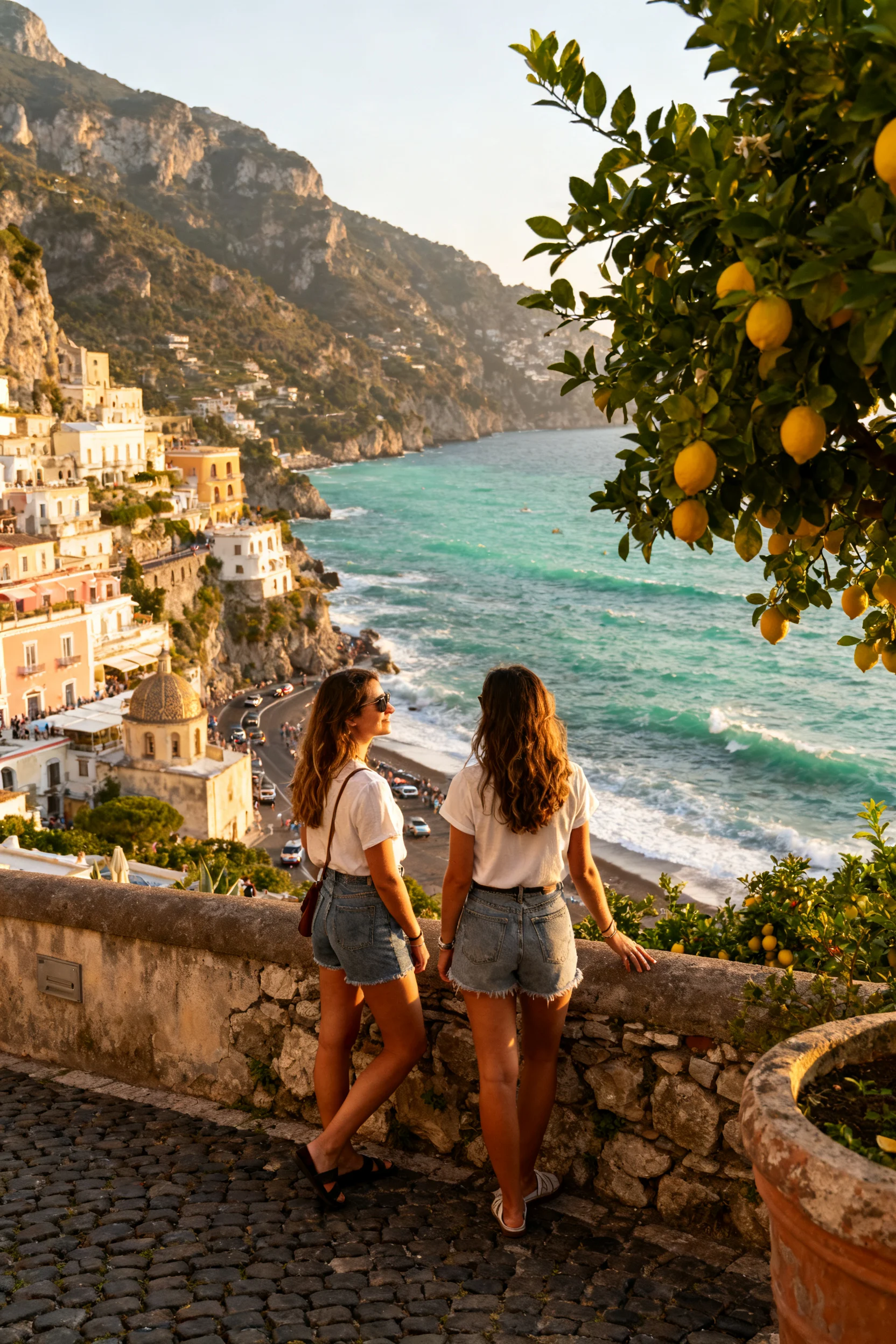
Base yourself in Sorrento for easier logistics (train access + day trips), then do the Amalfi Coast by ferry when seas are calm—it’s faster and way prettier than the bus. Plan 2–3 “anchor experiences”: a Capri boat day, a Positano sunset stroll, and a Pompeii or Herculaneum visit from Naples. Book accommodations with luggage assistance if you’re staying in Positano/Amalfi (stairs are the local sport), and pack water shoes for pebble beaches. If you’re visiting July–August, pre-book ferries and beach clubs; if you want a softer, less crowded version, go late May, June, or September.
3) Food & Wine Slow Travel: Bologna + Tuscany (8–11 days)

Start with 3–4 nights in Bologna as your food base: book a small-group pasta class, do a market walk through Quadrilatero, and take a day trip to Modena or Parma for balsamic or prosciutto tastings. Then head to Tuscany for 4–6 nights—either Florence plus countryside day trips, or a countryside stay near Siena/San Gimignano if you’re renting a car. If you drive, reserve a smaller car and confirm your lodging has parking; watch for ZTL restricted zones in towns (tickets happen fast). Pack one nicer outfit for winery dinners and aim for reservations for popular trattorias, especially on weekends.
4) Art & Fashion City Break: Milan + Lake Como + Verona (6–8 days)
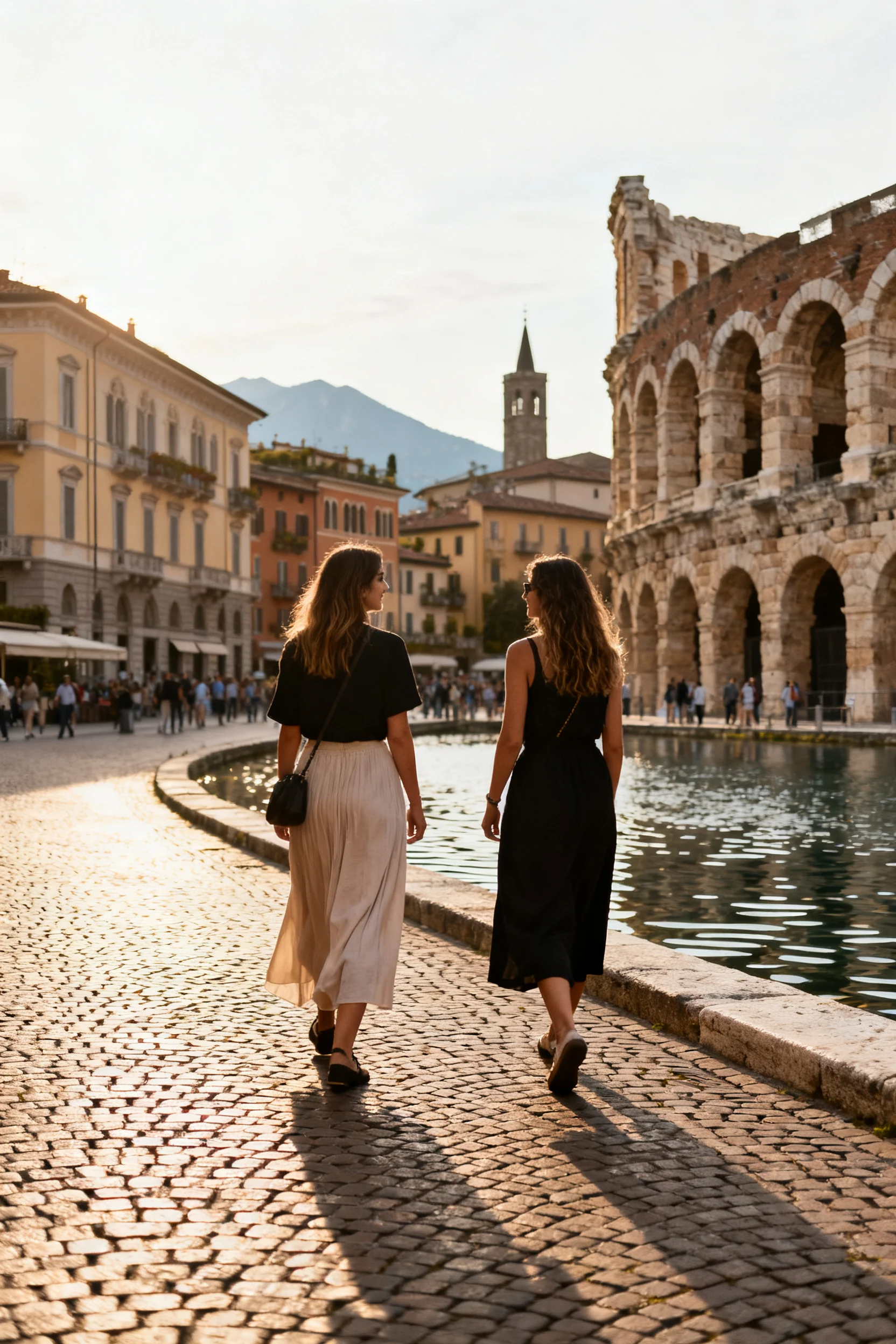
Use Milan as a stylish launchpad: 2–3 nights is enough for the Duomo rooftop, Brera galleries, and an aperitivo circuit in Navigli. Book “The Last Supper” tickets as soon as your dates are set (they sell out) or go with a guided tour that includes entry. Then take 2 nights on Lake Como—Varenna or Bellagio for that postcard feel, Como town for easier transport—and add Verona for 1–2 nights if you want a romantic, walkable finale. Bring a light layer even in summer (lake evenings get breezy) and skip trying to do multiple lake towns in one day unless you’re okay with lots of ferry time.
5) Underrated Italy Loop: Puglia + Matera (7–10 days)
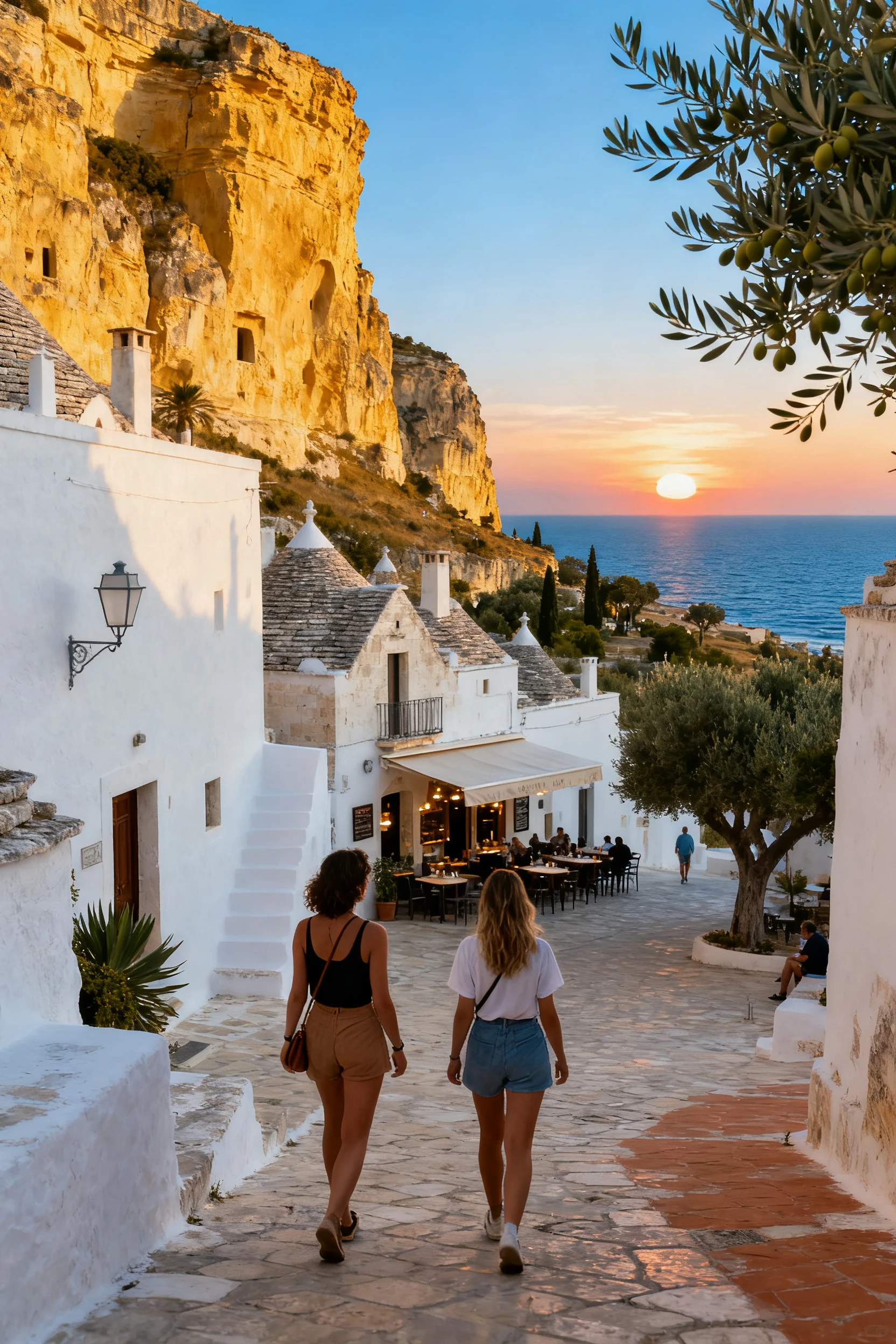
For a first “not-the-obvious” trip, fly into Bari and build a loop through Polignano a Mare, Monopoli, Ostuni, and Lecce, then add 1–2 nights in Matera’s cave districts. Rent a car for the beaches and small towns, but keep your stays to two bases (like Monopoli and Lecce) to avoid constant check-ins. Book a few beach days at lidos in peak season, and pack reef-safe sunscreen plus water shoes for rocky coves. In Matera, choose a cave hotel for the full experience and plan an evening walking tour—sunset there is unreal.
FAQ
How many days do I need for a first trip to Italy?
Plan 7–10 days for a solid first-timer route (2–3 places max). If you have 14 days, you can add a region or slow down with longer stays and day trips. The biggest mistake is trying to see everything—Italy rewards pacing.
Is it better to travel Italy by train or rent a car?
Use trains for big cities (Rome, Florence, Venice, Milan, Naples) because they’re fast and you won’t want to park. Rent a car for countryside regions and smaller coastal areas (Tuscany villages, Puglia, parts of Sicily) where public transit is slower. If you do drive, learn ZTL rules and confirm parking with your hotel.
When is the best time to visit Italy to avoid crowds?
Late April to June and September to mid-October are the sweet spots: great weather, fewer crowds than mid-summer, and better availability. July and August are busiest and hottest in many areas, plus some smaller businesses take holidays in August.
What should I book in advance for Italy?
Book major attractions (Colosseum, Vatican Museums, Uffizi, Accademia, The Last Supper) as soon as dates are firm. Also reserve popular restaurants in Rome/Florence and ferries or beach clubs on the Amalfi Coast in summer. Hotels in top locations sell out early, so lock in your base neighborhoods first.
What are the easiest “tourist mistakes” to avoid?
Don’t overpack your itinerary or switch hotels every night—choose fewer bases and do day trips. Avoid eating right next to major monuments; walk 10–15 minutes for better value and vibe. And always validate paper train tickets when required, or stick to app tickets where validation is automatic.