
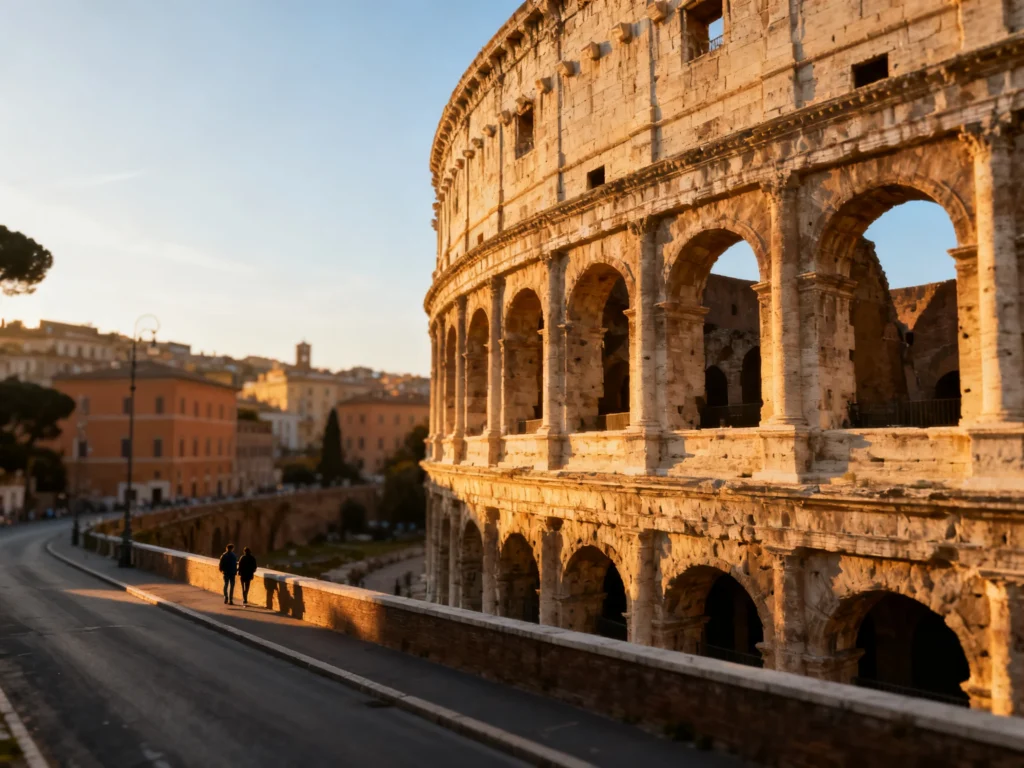
Italy for the first time is pure main-character energy: iconic cities, tiny hill towns, beaches, and meals you’ll remember forever. The trick is pacing it right so you’re not sprinting from landmark to landmark.
This guide is built for first-timers who want the classics (yes, the Colosseum) plus a few smart choices that make your trip smoother, cheaper, and more “I know what I’m doing.”
Top 5
1) Build a Simple 10-Day Route (and Don’t Overpack Cities)
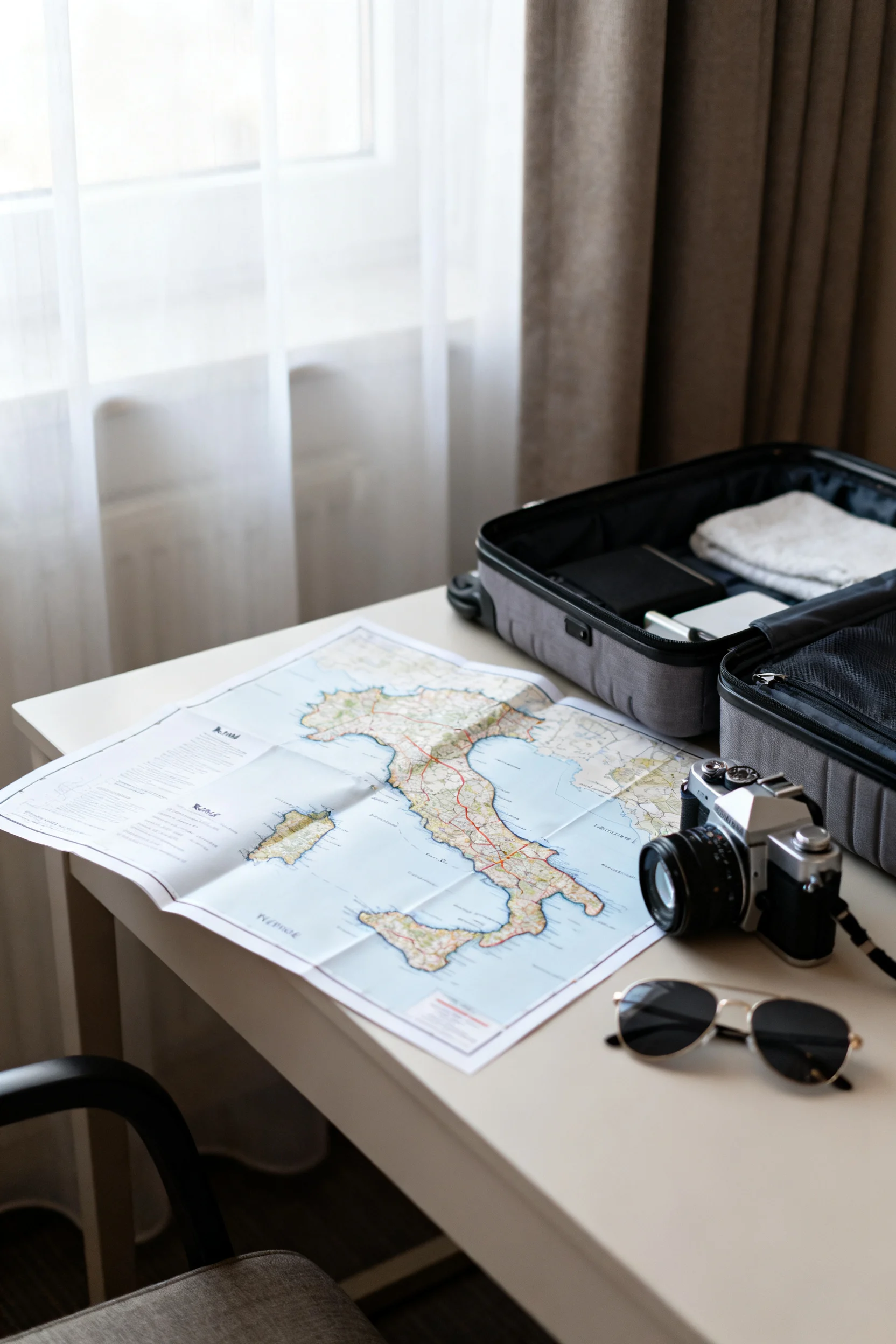
For a first trip, keep it to 3 bases and day trips: Rome (3–4 nights), Florence (2–3 nights), Venice (2 nights) is a classic for a reason. If you have extra time, add the Amalfi Coast from Naples or a Tuscany hill town day trip from Florence—just don’t try to do both in the same week. Book long-distance trains early (Frecciarossa/Italo) for better prices, and plan travel days with a buffer so you’re not arriving exhausted at dinner time.
2) Book the Big-Ticket Sights Early (Your Future Self Will Thank You)
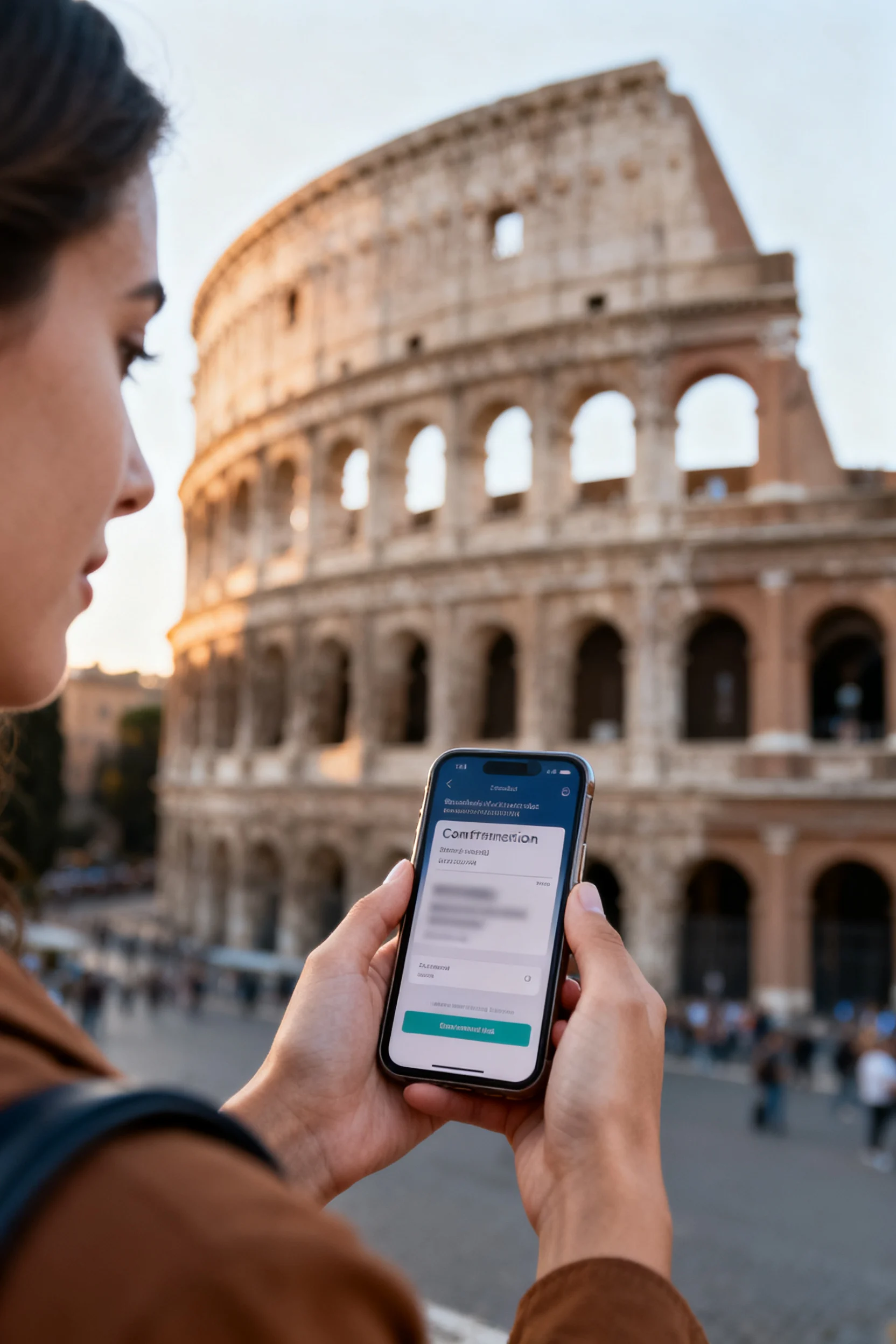
Reserve timed-entry tickets for the Colosseum/Forum, Vatican Museums, Uffizi, and Accademia as soon as your dates are set—these sell out, especially April–October. Aim for the first entry of the day or a late-afternoon slot to avoid peak crowds and heat. If you’re doing a guided tour, choose one with a strict meeting-point plan and realistic group size, and screenshot your tickets because cell service can be spotty in thick-stone buildings.
3) Choose Smart Neighborhoods (So You Can Walk Home Easily)
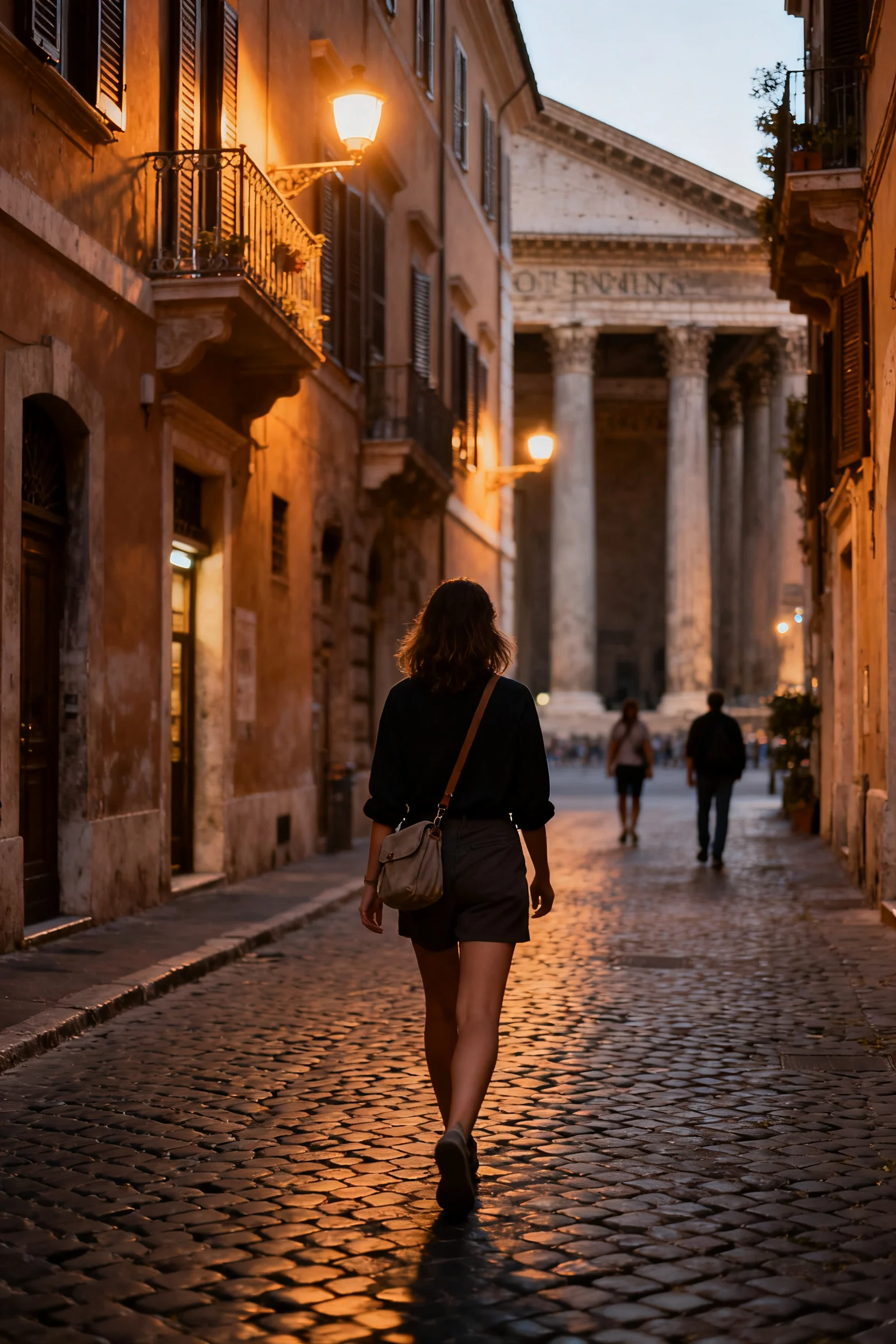
In Rome, stay in Centro Storico/Pantheon area for walkability, or Monti if you want a slightly calmer vibe near the Colosseum. In Florence, look around Santa Maria Novella (easy trains) or Santo Spirito/Oltrarno for local restaurants without being far from the Duomo. In Venice, Cannaregio is a first-timer favorite for value and fewer crowds at night; if you’re arriving with rolling luggage, prioritize places closer to a vaporetto stop.
4) Master Trains, Transit, and Tickets (It’s Easier Than It Looks)
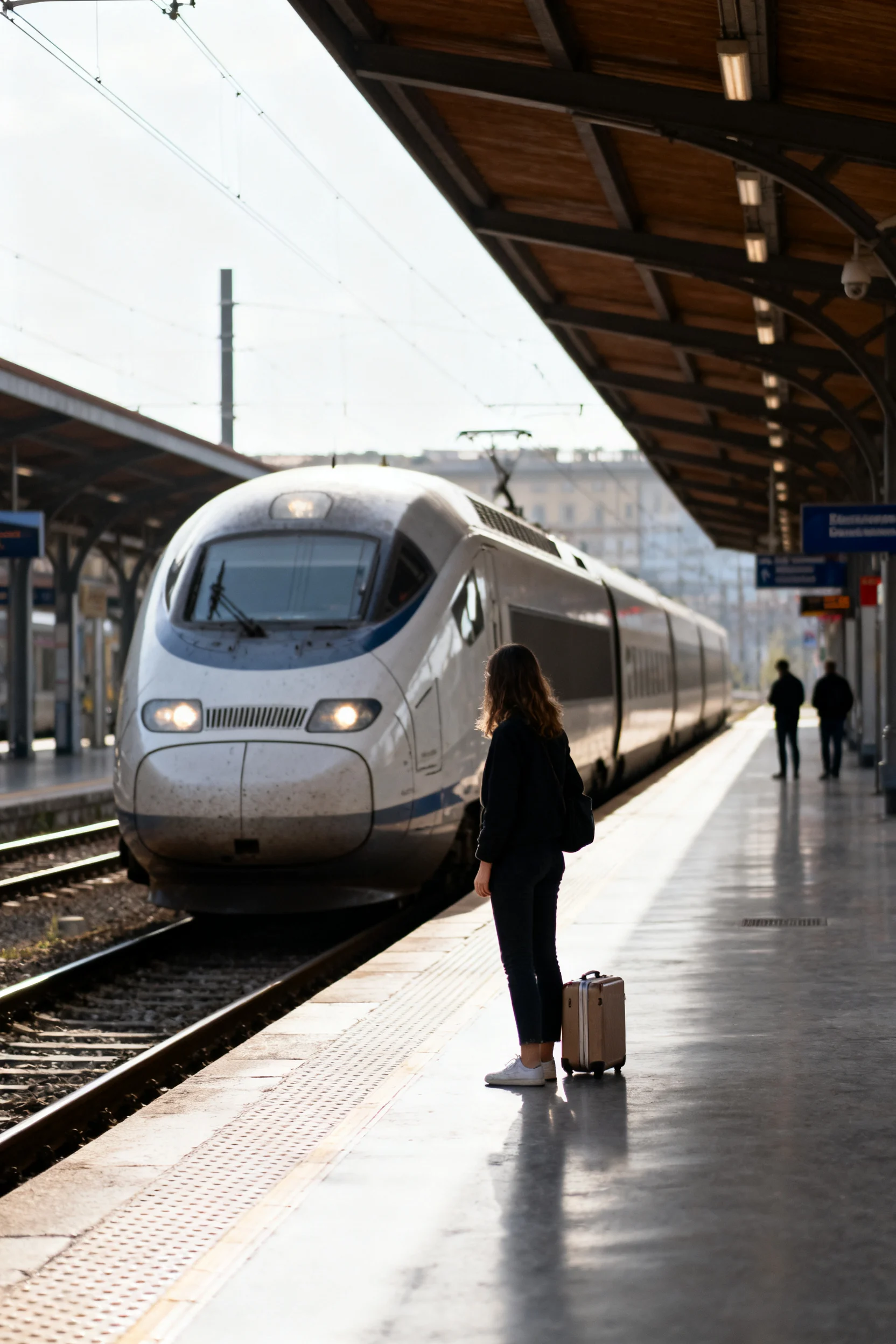
High-speed trains connect major cities fast—book online and arrive 15–20 minutes early to find your platform without stress. For regional trains, validate paper tickets at the little machines before boarding (if you have a QR e-ticket, you’re usually fine—read the specific rules). In cities, consider a 24–48 hour transit pass only if you’ll truly use it; otherwise, walk and use transit strategically (Rome’s metro for longer hops, Venice’s vaporetto for key crossings).
5) Eat Like You’re in Italy (Without Falling for Tourist Traps)

Quick filters: if a menu has photos, 12 languages, and someone aggressively invites you inside, keep walking. Make reservations for popular restaurants, especially in Florence and Rome—same-day is often possible, but prime dinner slots fill fast. Try regional classics where they belong (carbonara in Rome, bistecca in Florence, cicchetti in Venice), and carry a refillable water bottle because many cities have free public fountains.
FAQ
How many days do I need for Italy as a first-timer?
Plan 7–10 days for a first trip that feels full but not chaotic. With 7 days, pick two cities (Rome + Florence is perfect). With 10 days, add Venice or Naples/Amalfi as a third base.
What’s the best time of year to visit Italy?
Late spring (April–June) and early fall (September–October) are the sweet spots for weather and crowds. July and August are hot and busy (and some smaller places take vacation closures), while winter is quieter and great for cities if you don’t mind shorter days.
Do I need to rent a car in Italy?
Not for the big first-timer route—trains are faster and less stressful, and city driving/parking can be rough. Rent a car only if you’re focusing on countryside areas like Tuscany, Puglia, or Sicily, and avoid driving into ZTL restricted zones in historic centers.
How much should I budget per day?
For mid-range travel, a common baseline is €180–€300 per person per day including lodging, local transport, meals, and a couple of paid attractions (less in shoulder season, more in peak summer). Big variables are hotels in central areas and guided tours—book those early for better rates.
What should I pack for Italy?
Comfortable walking shoes are non-negotiable (cobblestones are no joke), plus a light layer for evenings and churches. Bring a small crossbody bag with zippers, a reusable water bottle, and a portable charger for navigation and digital tickets. If visiting religious sites, pack something that covers shoulders and knees.