
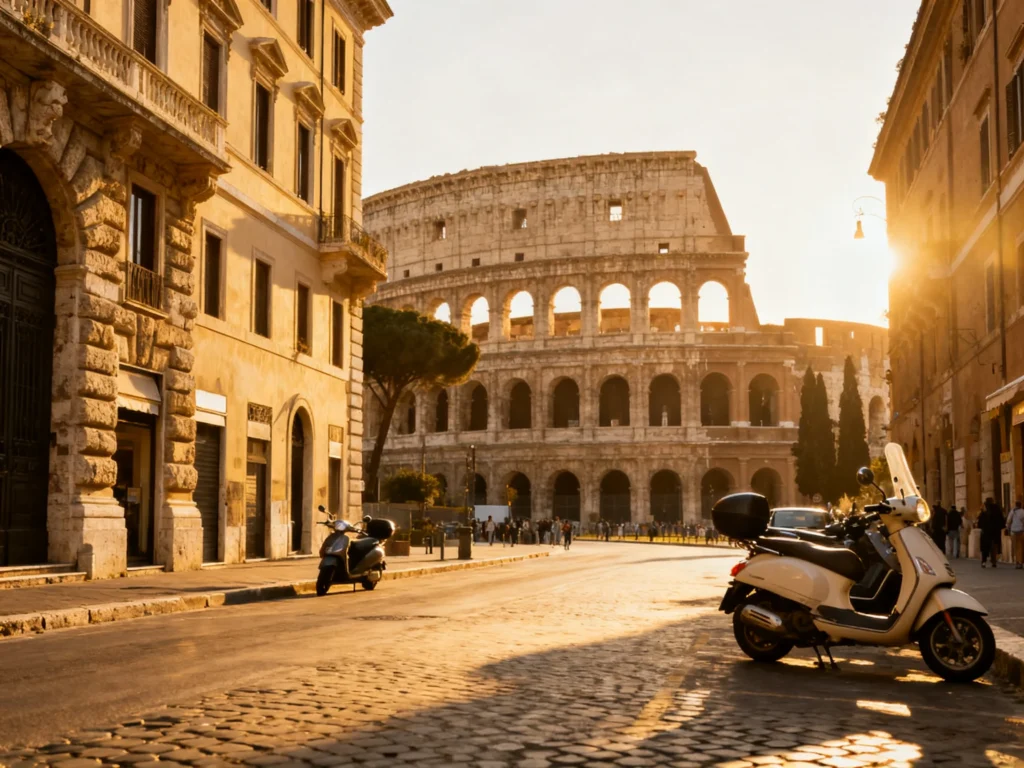
Italy is one of those trips that feels effortless in your head: espresso, sunsets, cute trains, and a little bit of chaos in a charming way. In real life, a few common planning slip-ups can quietly drain your budget and eat your time.
Here are the Italy travel mistakes that most often cost first-timers money (and patience), plus exactly what to do instead so your days feel smooth, not stressful.
Top 5
1) Showing Up Without Timed Tickets for the Big Sights
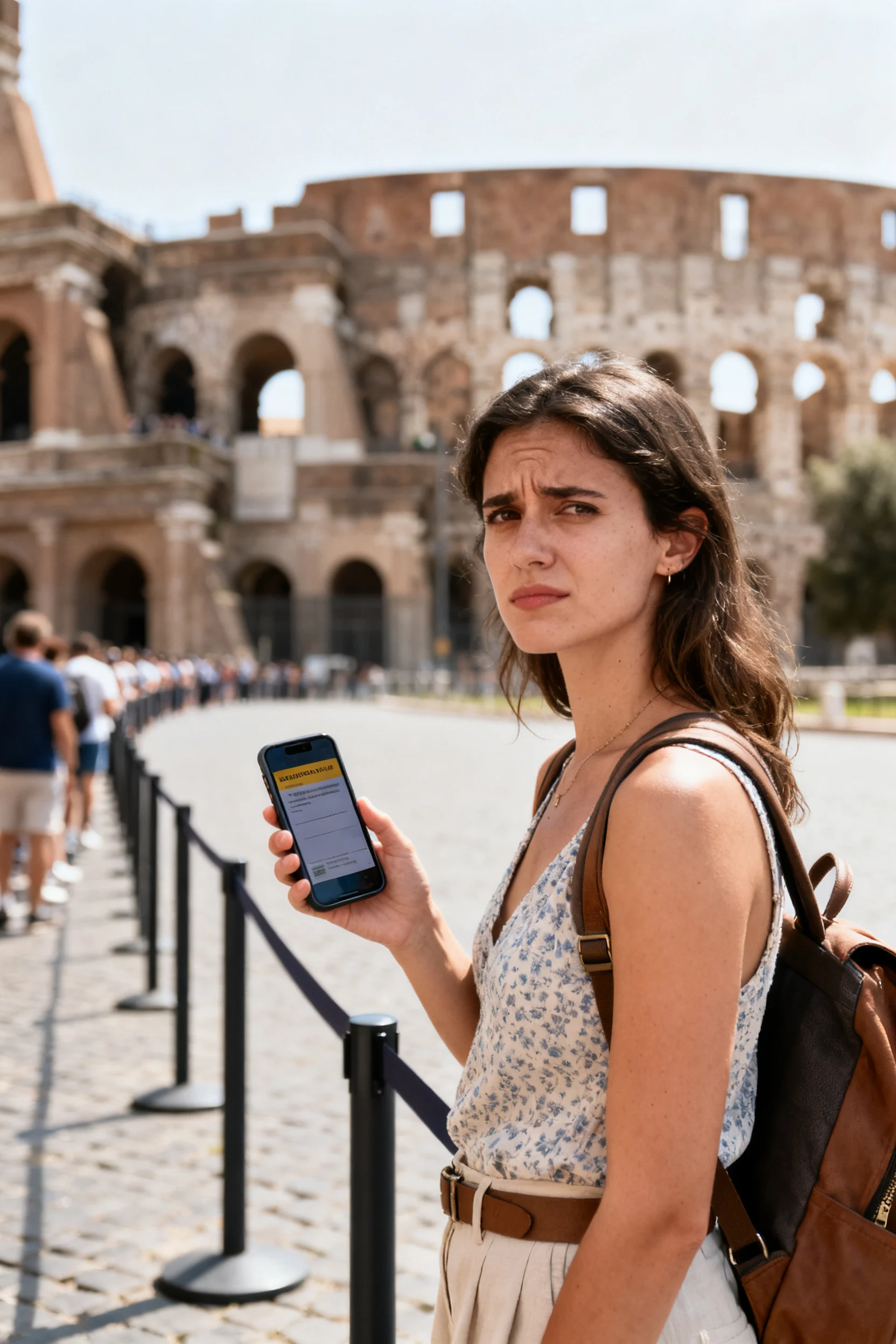
In Rome, Florence, and Venice, “I’ll just buy tickets there” can mean wasting half your day in line—or paying extra for last-minute tours. Book timed-entry tickets for the Colosseum/Forum, Vatican Museums, Uffizi, Accademia, and Doge’s Palace as soon as your dates are set, ideally for the first slot of the day. If official tickets are sold out, compare reputable resellers and tours, but always check what’s actually included (entry + guide vs. “reservation only”). Screenshot your QR codes and bring a backup in your email in case your data is spotty.
2) Underestimating Transit Time (Especially on Transfer Days)
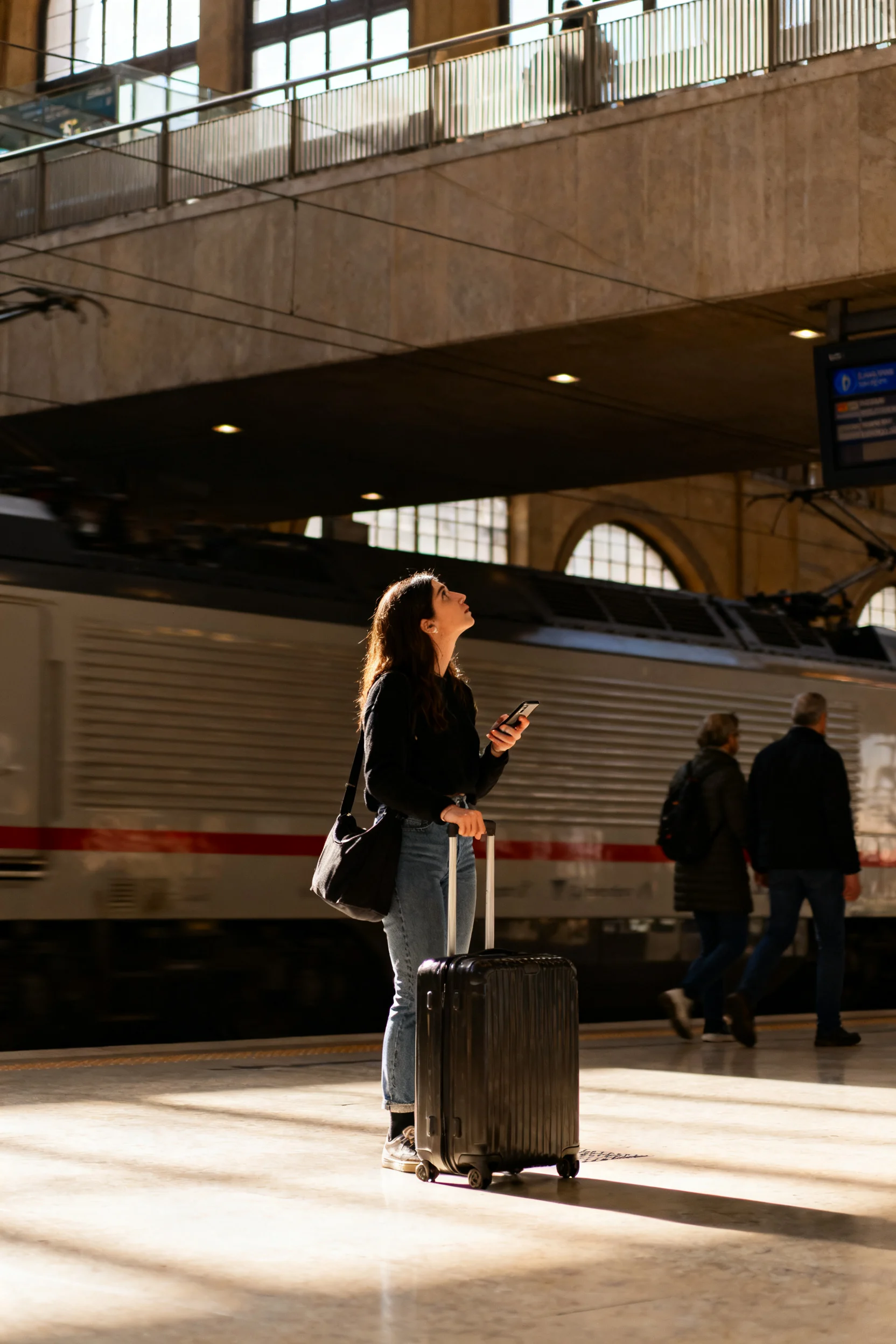
Italy looks small on a map, but door-to-door travel adds up: getting to the station, platform changes, delays, and walking to your hotel. Plan transfer days with one major activity max, and avoid stacking a museum visit right after a train arrival. If you’re taking high-speed trains (Frecciarossa/Italo), arrive 20–30 minutes early; for regional trains, build in buffer because schedules shift. Pro tip: choose hotels within a 10–15 minute walk of the main station in Rome (Termini), Florence (SMN), and Venice (Santa Lucia) if you’re doing lots of day trips.
3) Renting a Car in Big Cities (Then Paying for It Twice)
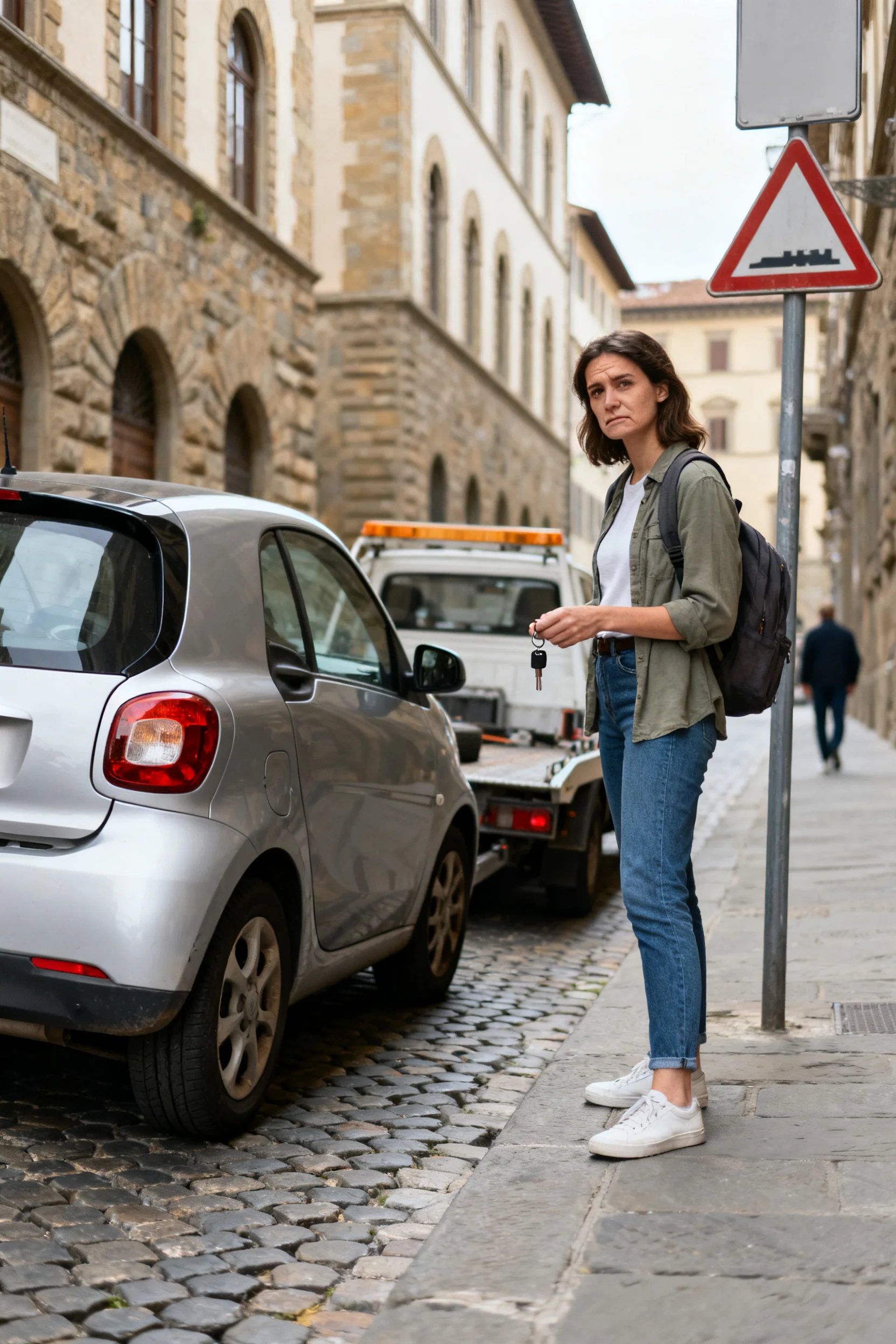
A car sounds convenient until you meet ZTL zones (limited traffic areas), tiny streets, confusing signage, and parking fees that rival your hotel rate. Skip the car in Rome, Florence, Milan, Naples, and Venice—use trains, metros, buses, and your own two feet. If you want a car for Tuscany, the Dolomites, Puglia, or Sicily, pick it up after you leave the city and drop it before you return to one. Always ask your accommodation if they’re inside a ZTL and how guests are supposed to arrive without triggering a fine.
4) Picking the Wrong “Budget” Neighborhood and Losing Hours Commuting
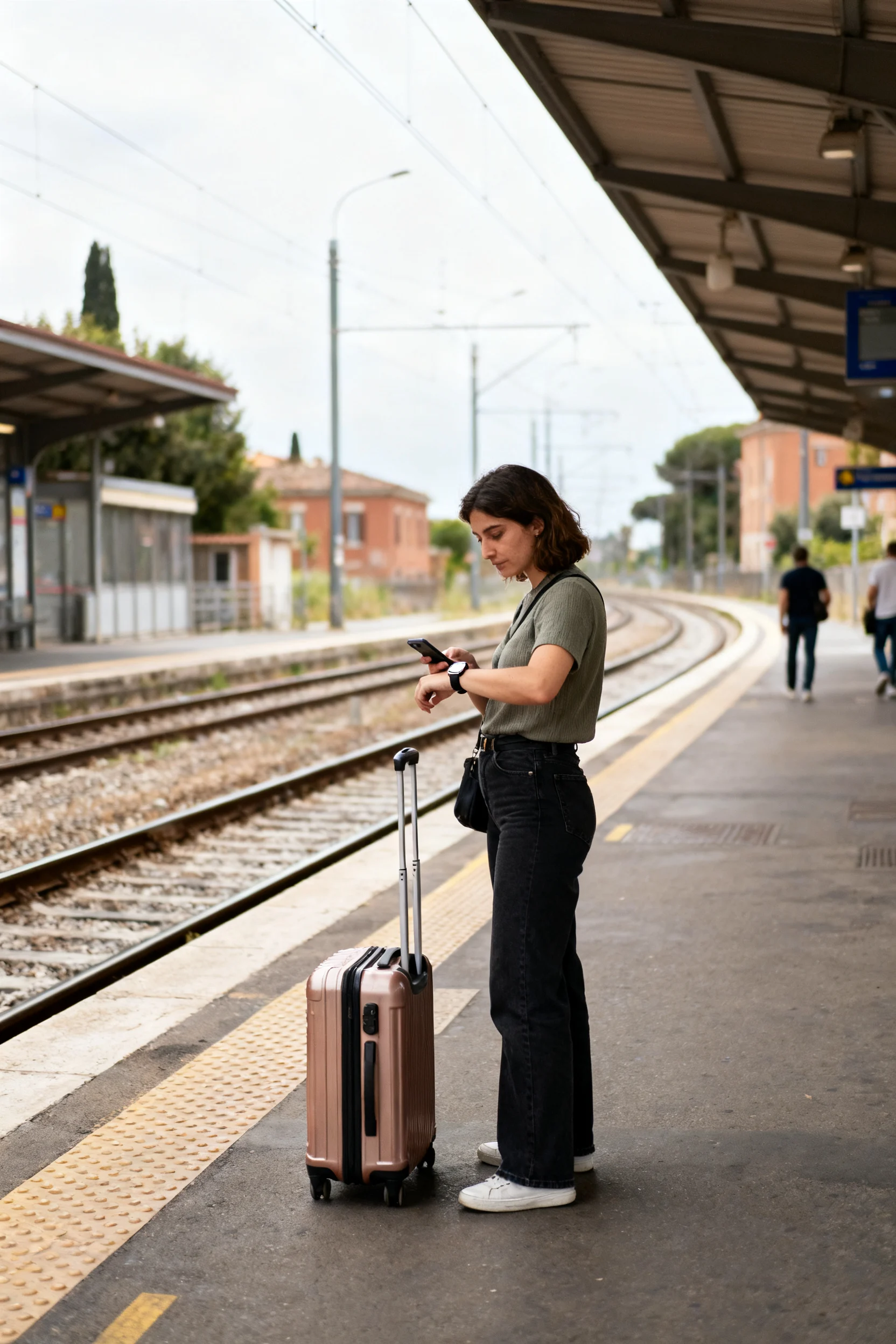
Cheaper rooms can cost you more if you’re spending extra on taxis, late-night rides, or 45-minute commutes each way. In Rome, aim for Centro Storico, Monti, Prati, or near Termini if you want convenience; in Florence, stay near the historic center or Santa Maria Novella; in Venice, Cannaregio is a great value with a local feel. In Milan, choose Brera, Porta Garibaldi, or around Centrale for easy connections. Before booking, map-walk the route from your hotel to 2–3 places you’ll visit most and check the nighttime transit options.
5) Eating and Paying Like a Tourist (Cover Charges, Cash Confusion, and Bad Picks)
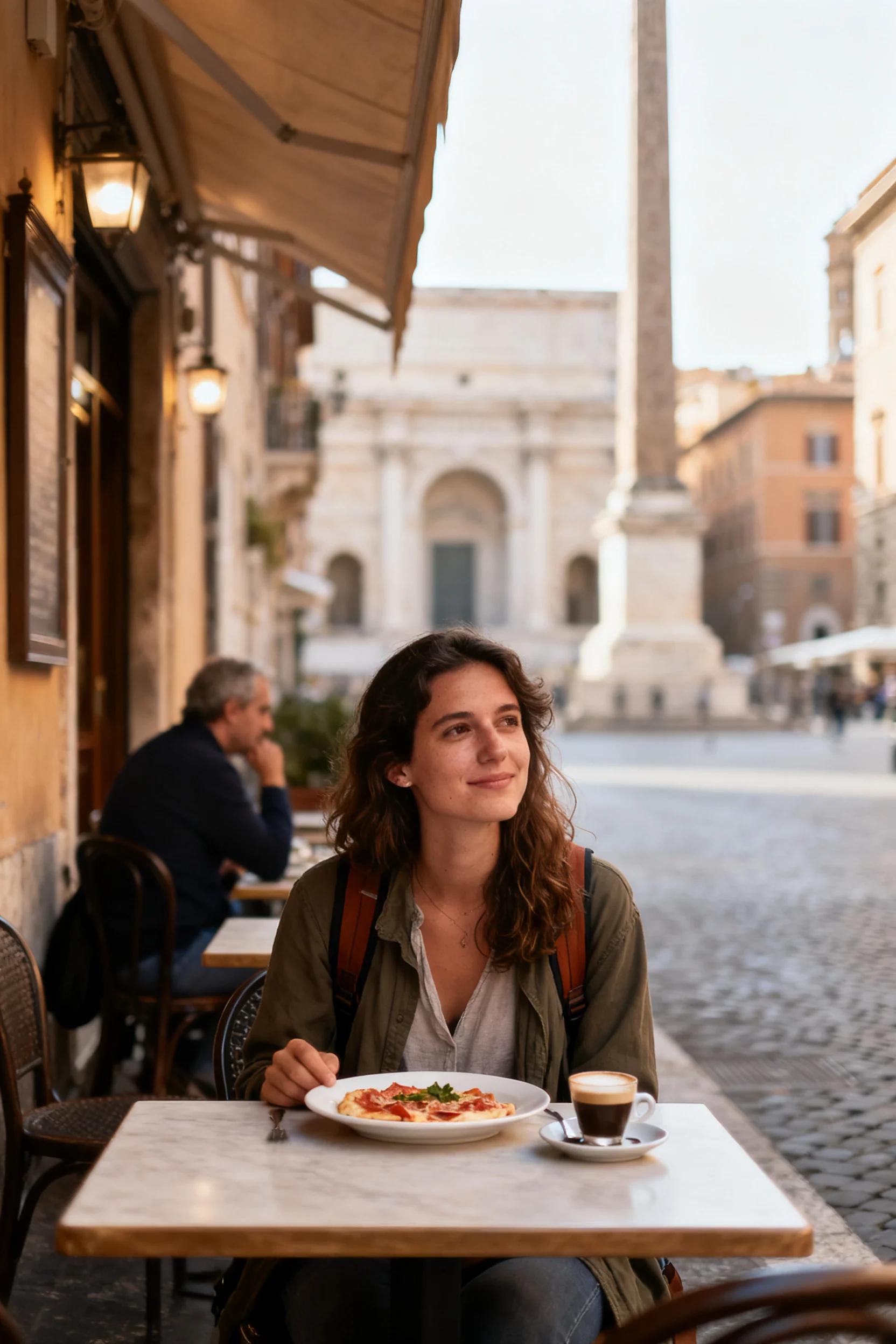
Italy is full of amazing food, but tourist traps are real: menus with photos, hosts begging you to come in, and restaurants next to major landmarks with suspiciously long lists of “international” dishes. Look for smaller menus, seasonal specials, and places filled with Italian speakers—then reserve dinner, especially on weekends. Expect a “coperto” (cover charge) in many places; it’s normal, so don’t let it surprise your budget. Use a no-foreign-transaction-fee card when possible, keep a little cash for small purchases, and choose “pay in EUR” if a card terminal asks about currency conversion.
FAQ
Do I need to book trains in Italy in advance?
For high-speed routes (Rome–Florence, Florence–Milan, Rome–Naples), yes—advance booking usually saves money and guarantees your preferred time. Regional trains have fixed pricing, so you can often buy closer to departure, but still check schedules and platform info. If your plans are firm, locking in high-speed tickets early is one of the easiest wins.
What’s the best way to avoid long lines at attractions?
Book timed-entry tickets and choose the first or last slots of the day when crowds are lighter. Avoid Mondays for museums that are closed on other days (crowds shift), and don’t plan Vatican Museums on a day when you’re already doing a packed Rome itinerary. If you’re visiting in peak season, a guided tour can be worth it purely for logistics.
Is it worth getting a tourist pass in Rome or Florence?
Sometimes, but only if it matches your exact plan. Many passes look like a deal until you realize you still need timed reservations or you’re paying for museums you won’t visit. Price out your must-dos individually, then compare—if the pass doesn’t save money or time, skip it and book your priorities directly.
How much cash should I carry in Italy?
Carry a small amount for espresso, gelato, transit tickets in smaller towns, and occasional minimum card-spend situations—think €20–€60 per day depending on your style. Most hotels, trains, and restaurants accept cards, especially in cities. Use ATMs attached to banks when you need more and avoid sketchy standalone machines with high fees.
What should I pack to avoid extra costs once I’m there?
Bring comfortable walking shoes (you’ll do more steps than you think), a light rain layer, and a reusable water bottle for public fountains in many cities. Pack a small crossbody or anti-theft day bag and a portable charger for tickets and maps. If you’re visiting churches, have something to cover shoulders and knees so you don’t have to buy a last-minute scarf.