
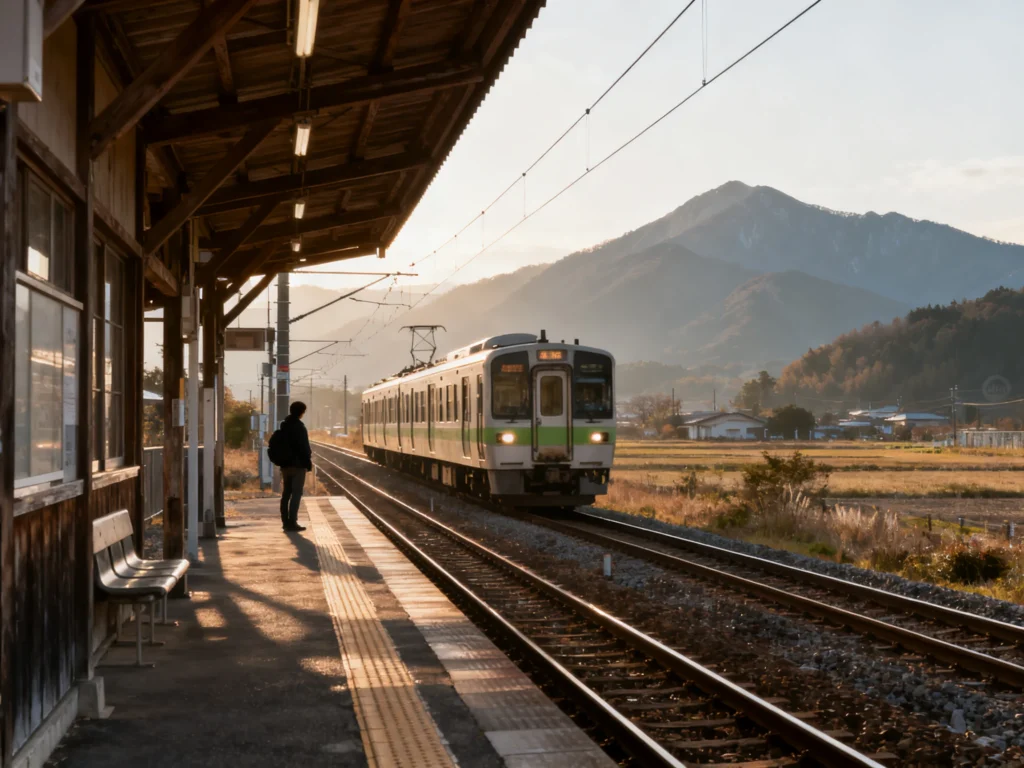
Tokyo is iconic for a reason—but if you’re craving that “wait, why isn’t everyone here?” feeling, Japan delivers hard once you get a little farther out. Think slow mornings, local trains, and the kind of meals you remember forever.
These are the places that first-timers often skip (usually because they’re not on the classic Golden Route), but they’re still easy to plan and totally worth the detour.
Top 5
1) Setouchi Islands (Naoshima & Teshima)
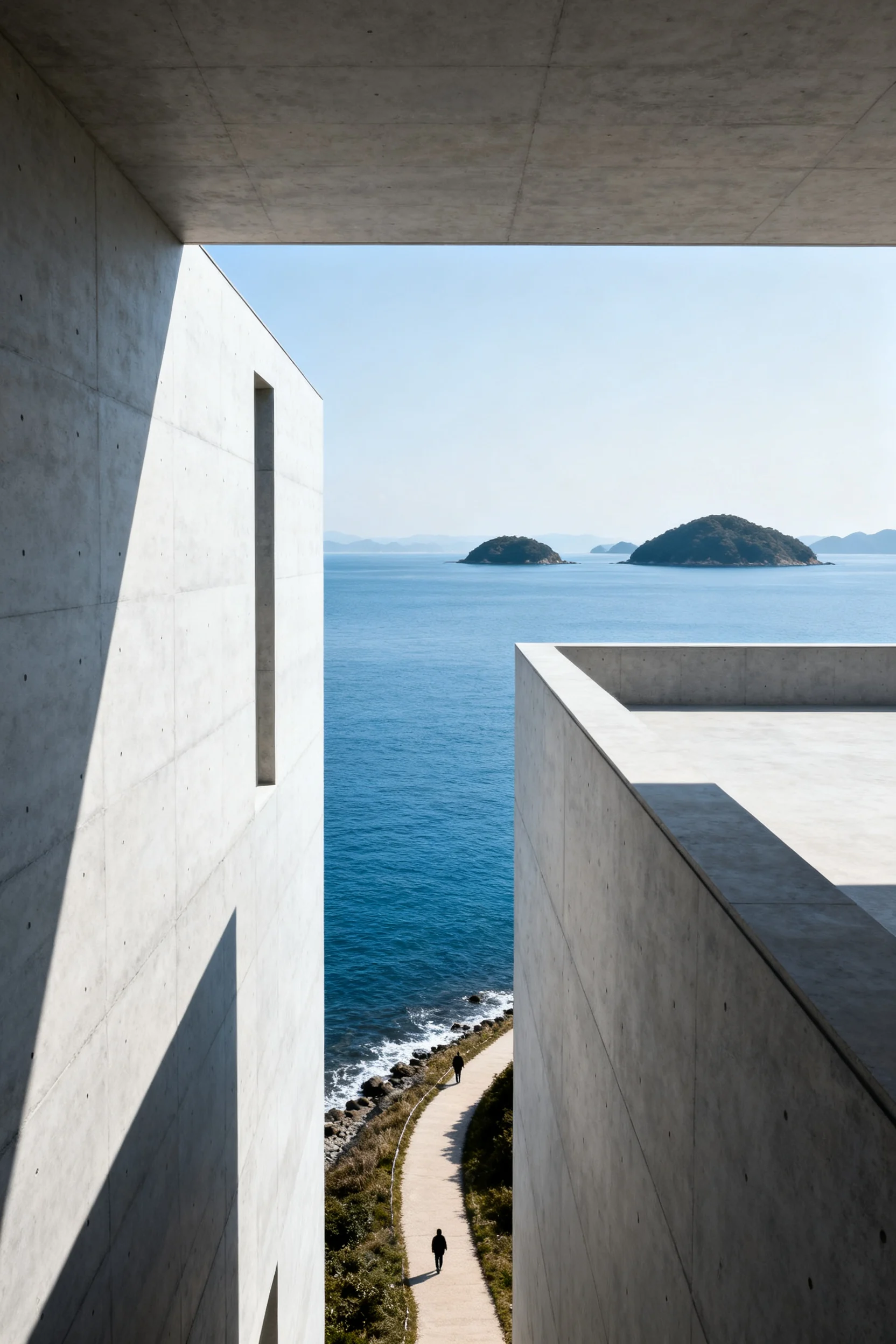
For art, sea views, and a calm that feels instantly expensive, base yourself on Naoshima and add a half-day on Teshima. Book museum time slots (especially Chichu Art Museum) a few weeks ahead and line up your island buses/ferries so you’re not stranded between ports. Go in spring or fall for bike-friendly weather, and pack cash—some cafés and rentals still don’t love cards. If you’re short on time, sleep in Uno (Okayama) and do a day trip via ferry.
2) Kanazawa (Samurai District + Seafood)
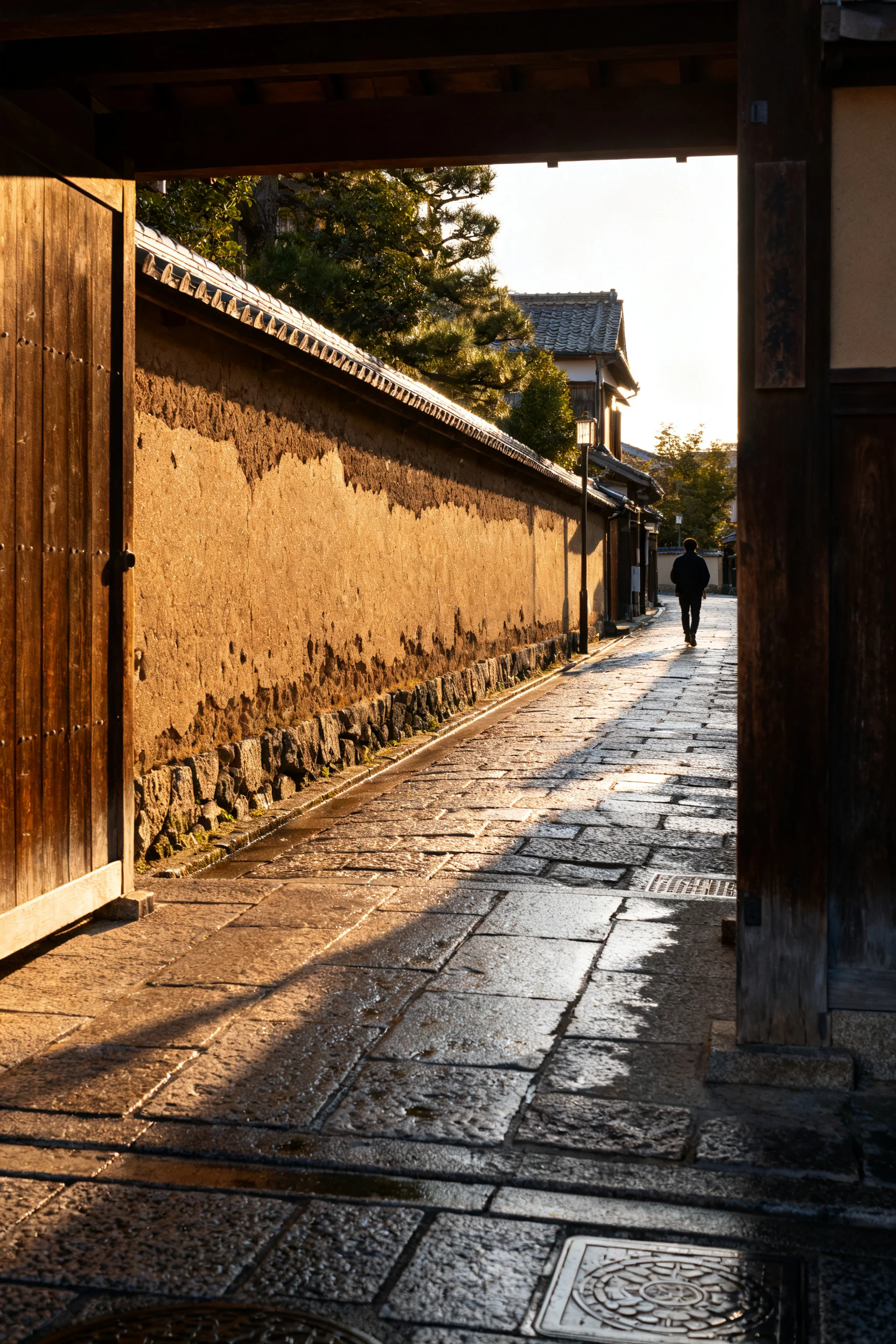
Kanazawa is like Kyoto’s cool, less-crowded cousin: historic streets, teahouse lanes, and serious craftsmanship. Start early at Omicho Market for a breakfast kaisendon (seafood rice bowl), then wander Nagamachi Samurai District before the tour groups wake up. Reserve a tea ceremony in Higashi Chaya for a more intimate vibe, and check out a gold leaf workshop if you want a souvenir you actually made. Stay near Kanazawa Station for easy buses, or in Korinbo if you want shopping and nightlife walkable.
3) Koyasan (Temple Stay + Cemetery Night Walk)
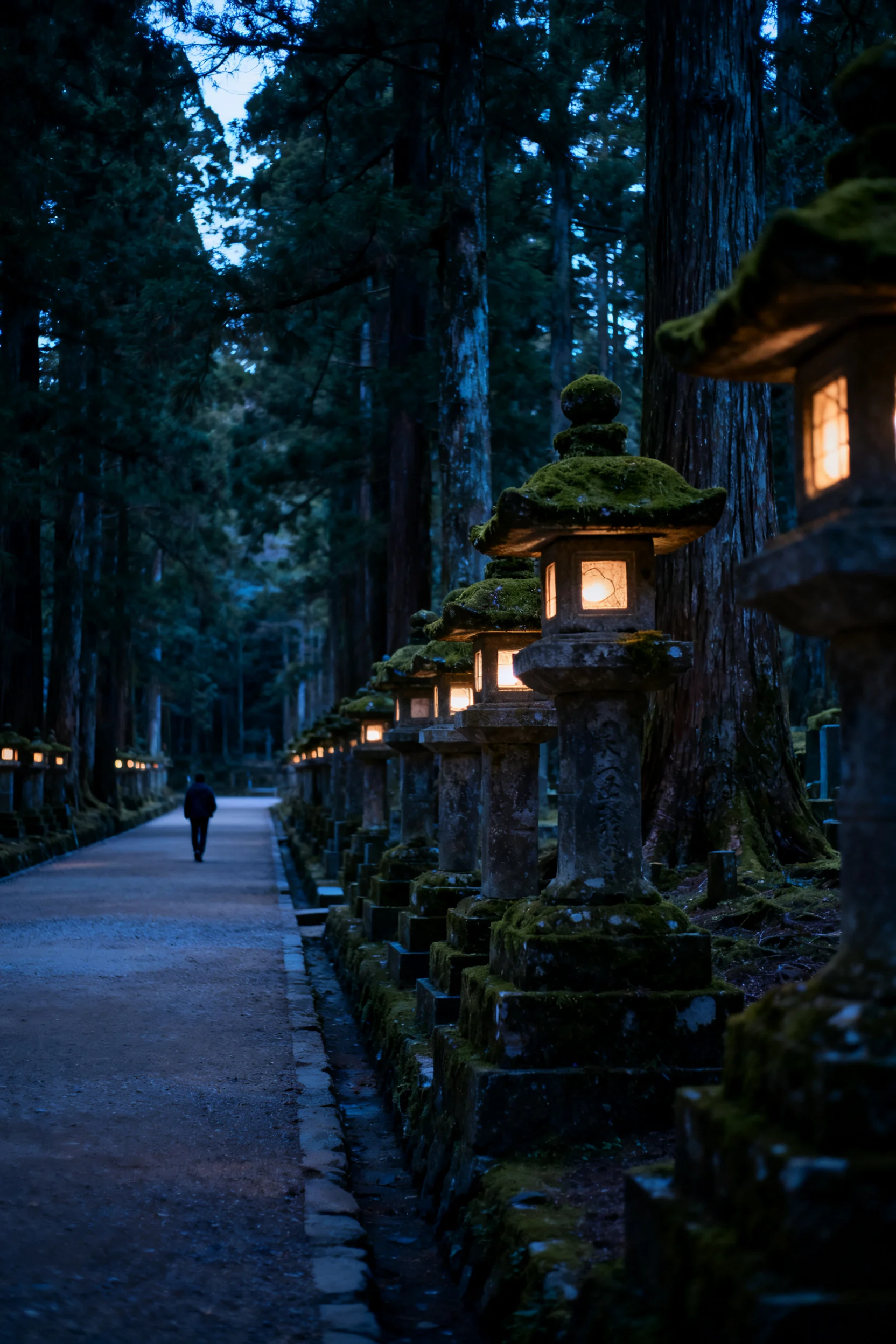
Koyasan is a mountain temple town where you can sleep in a monastery (shukubo), eat vegetarian shojin ryori, and slow your brain all the way down. Book your temple stay in advance (weekends sell out fast), and aim to arrive by mid-afternoon so you can settle in before dinner. Don’t skip Okunoin Cemetery—go at dusk or join a night tour for the most atmospheric walk in Japan. Pack layers even in summer; nights up here can be surprisingly cool.
4) Aizu-Wakamatsu (Samurai History Without the Crowds)
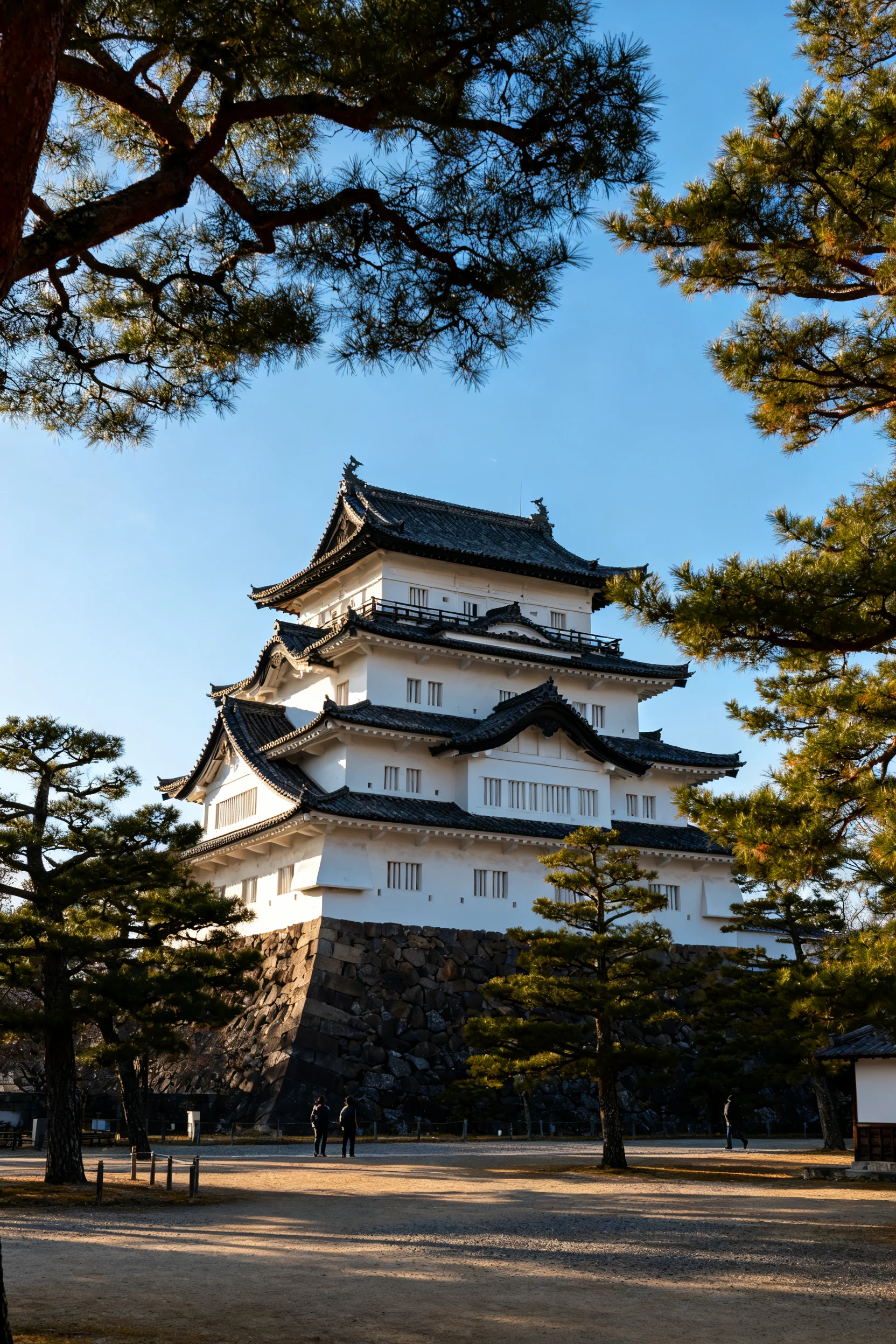
If you want deep history and small-town charm, Aizu-Wakamatsu in Fukushima is an easy win—especially as a break from big-city pacing. Visit Tsuruga Castle in the morning, then head to the preserved samurai residence (Aizu Bukeyashiki) for context that makes everything click. In winter, add nearby Ouchijuku (thatched-roof village) for snowy fairytale energy—just wear grippy shoes. It’s simplest to base near Aizu-Wakamatsu Station and use buses/taxis for the last-mile spots.
5) Iya Valley, Tokushima (Vine Bridges + Hidden Onsen)
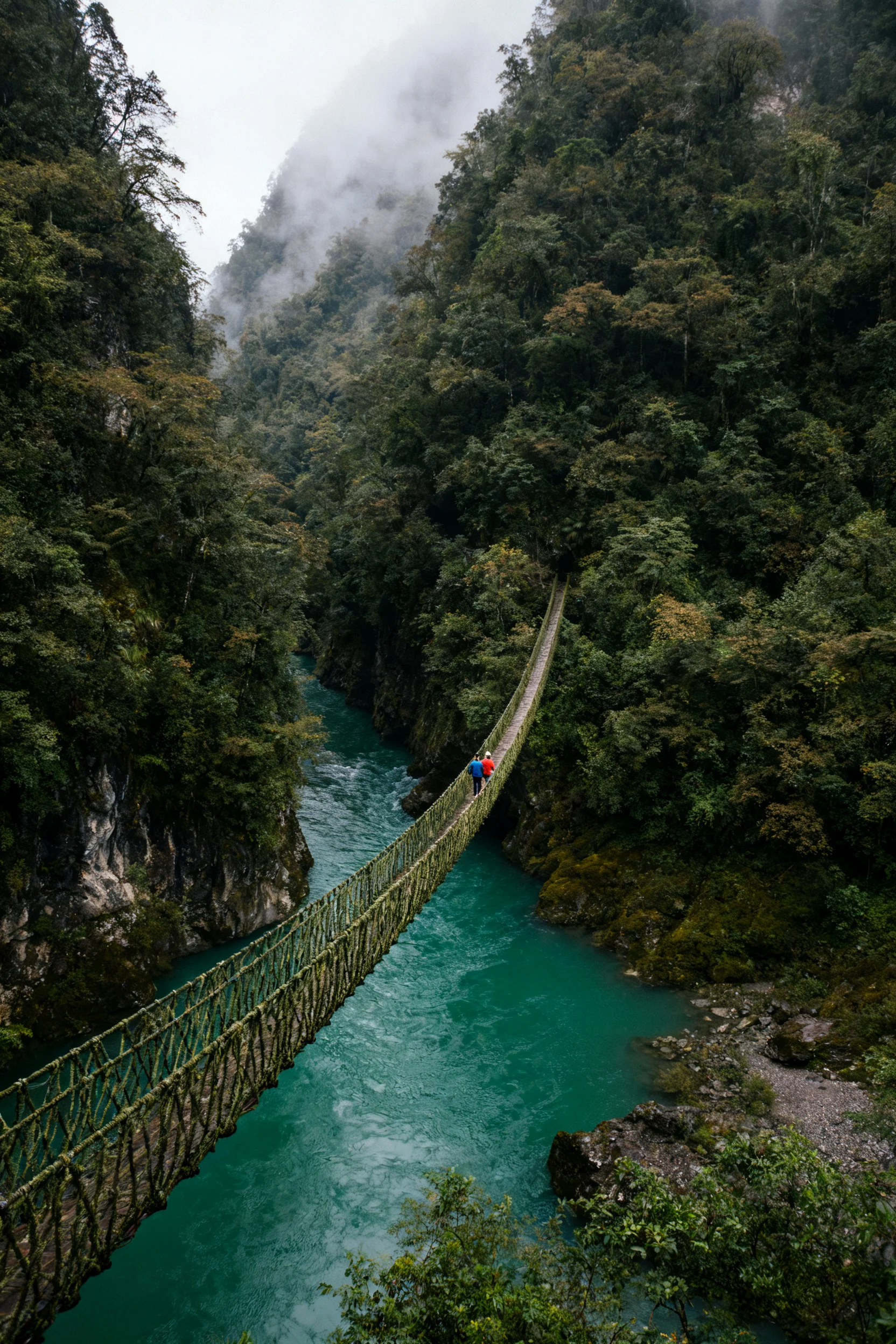
Iya Valley is rural, dramatic, and wildly underrated: steep gorges, vine bridges, and onsen inns that feel like a secret. Rent a car if you can (public transport is limited), and plan one “anchor” stay at an onsen ryokan so you’re not rushing the roads after dark. Cross the Kazurabashi vine bridge early for fewer people, then pair it with a soak and a quiet dinner on-site. Pack motion-sickness meds if you’re sensitive—the mountain roads are beautiful but curvy.
FAQ
How many extra days do I need to go beyond Tokyo?
Even 2–3 extra nights can make a big difference if you pick one region and commit. For a first trip, choose either Kanazawa, Koyasan, or the Setouchi Islands to keep transit simple and maximize time on the ground.
Do I need a Japan Rail Pass for these places?
Not always. Kanazawa and Aizu-Wakamatsu work well with individual tickets (and regional passes can be cheaper), while Koyasan is usually easiest with the Nankai Koyasan World Heritage Ticket from Osaka. For Iya Valley, rail won’t solve the last-mile problem—consider a rental car or a tour.
What’s the best season for these less-touristy spots?
Spring (March–May) and fall (October–November) are the sweet spots for comfortable walking and clear views. Summer is great for islands and mountain escapes but can be humid, and winter is magical for Aizu-Wakamatsu and Ouchijuku if you’re prepared for snow.
Are these destinations first-timer friendly if I don’t speak Japanese?
Yes—just plan a little more. Download offline maps, save key phrases (or use a translation app), and keep your hotel address handy in Japanese for taxis. In rural areas like Iya Valley, staff may speak less English, but hospitality is high and signage is improving.
What should I book in advance?
Book temple stays in Koyasan, popular museum slots on Naoshima (especially Chichu), and any ryokan/onsen stays you’re excited about—those are limited by design. Trains can usually be bought a few days ahead, but holiday weekends are the exception, so reserve seats if you’re traveling then.