
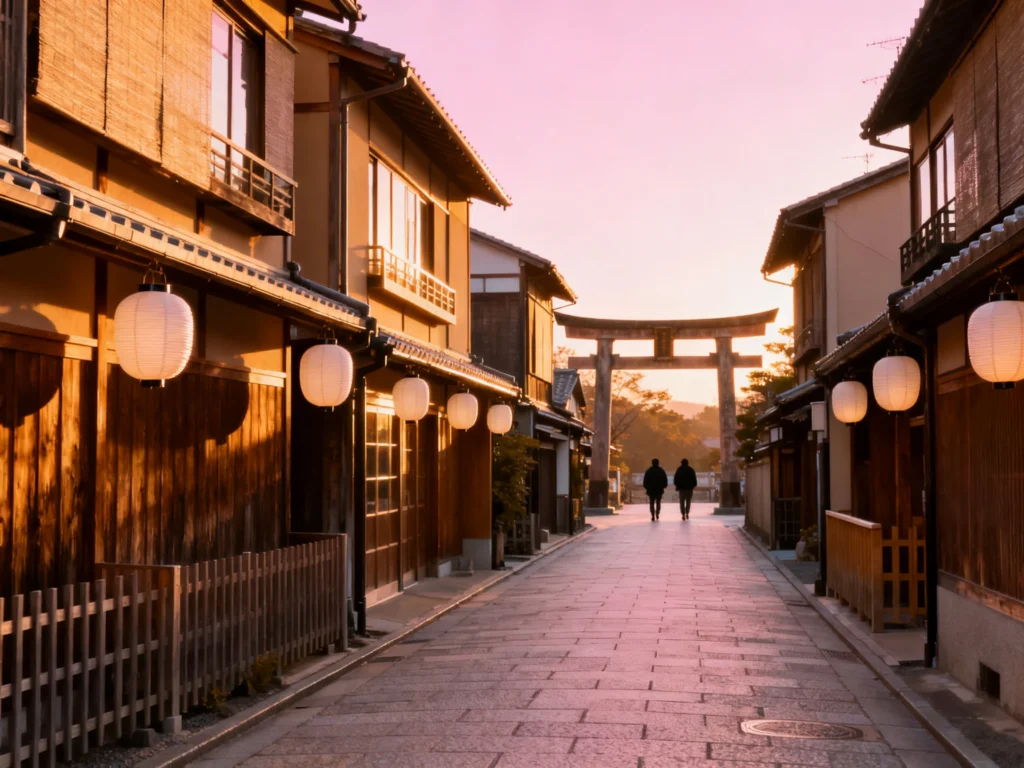
Japan is famously welcoming, but it’s also a place where small manners go a long way. Knowing a few cultural etiquette basics will make your trip smoother, your interactions warmer, and your “oops” moments basically nonexistent.
Think of this as your quick, practical cheat sheet for day-to-day travel: trains, shops, shrines, and eating out. Save it, skim it before you land, and you’ll feel confident from day one.
Top 5
1) Master the Quiet Train (and Escalator) Rules
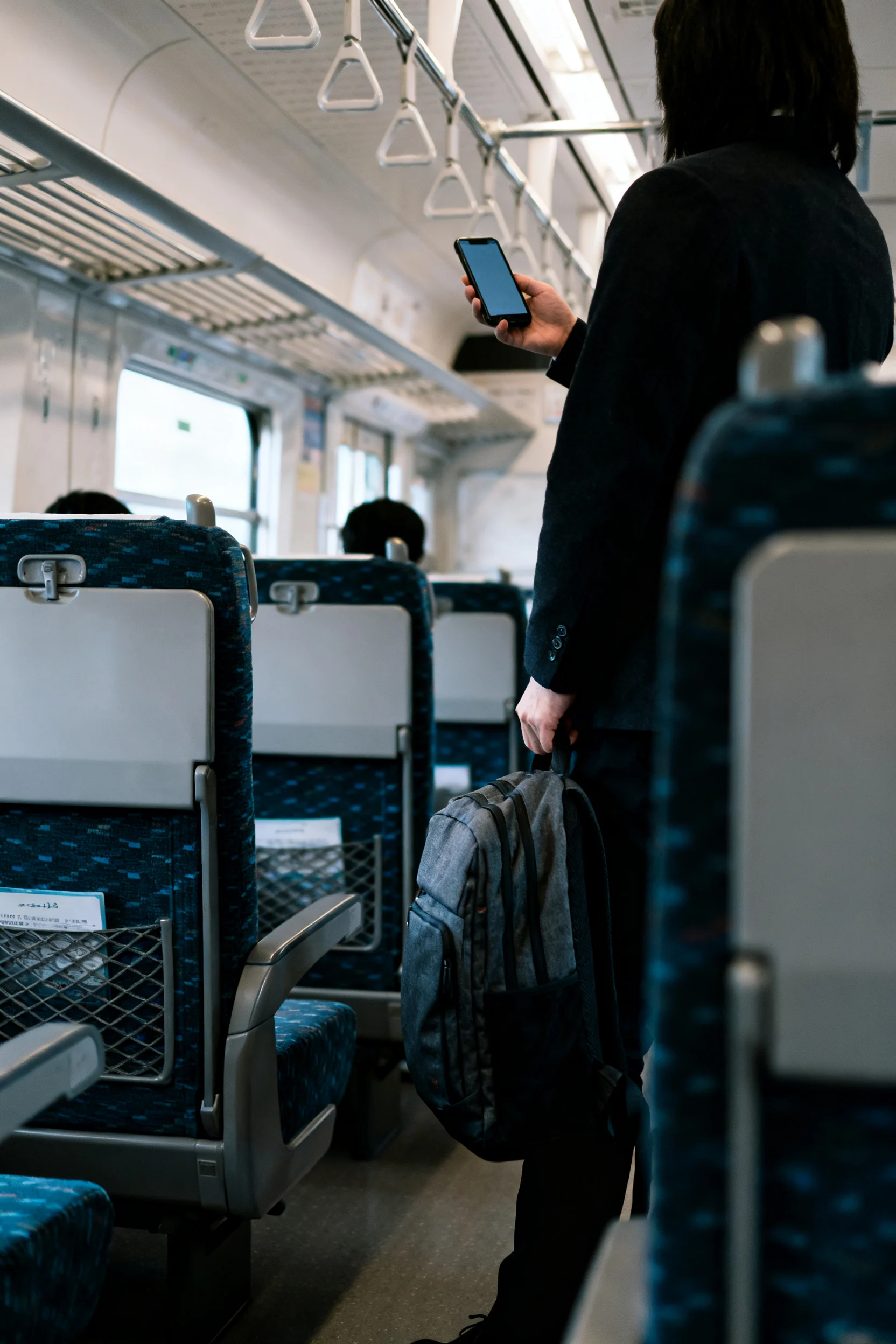
On trains, keep your voice low, set your phone to silent, and save calls for the platform or outside. If you have a backpack, wear it on your front in crowded cars or hold it down by your legs to avoid bumping people. On escalators, follow the local flow (often stand on the left in Tokyo and on the right in Osaka), and don’t block the walking lane. If you’re traveling at rush hour (7:30–9:30am, 5–7pm), consider reserving seats on limited express trains or shifting sightseeing to midday.
2) Shoes Off: Know When (and Bring the Right Socks)
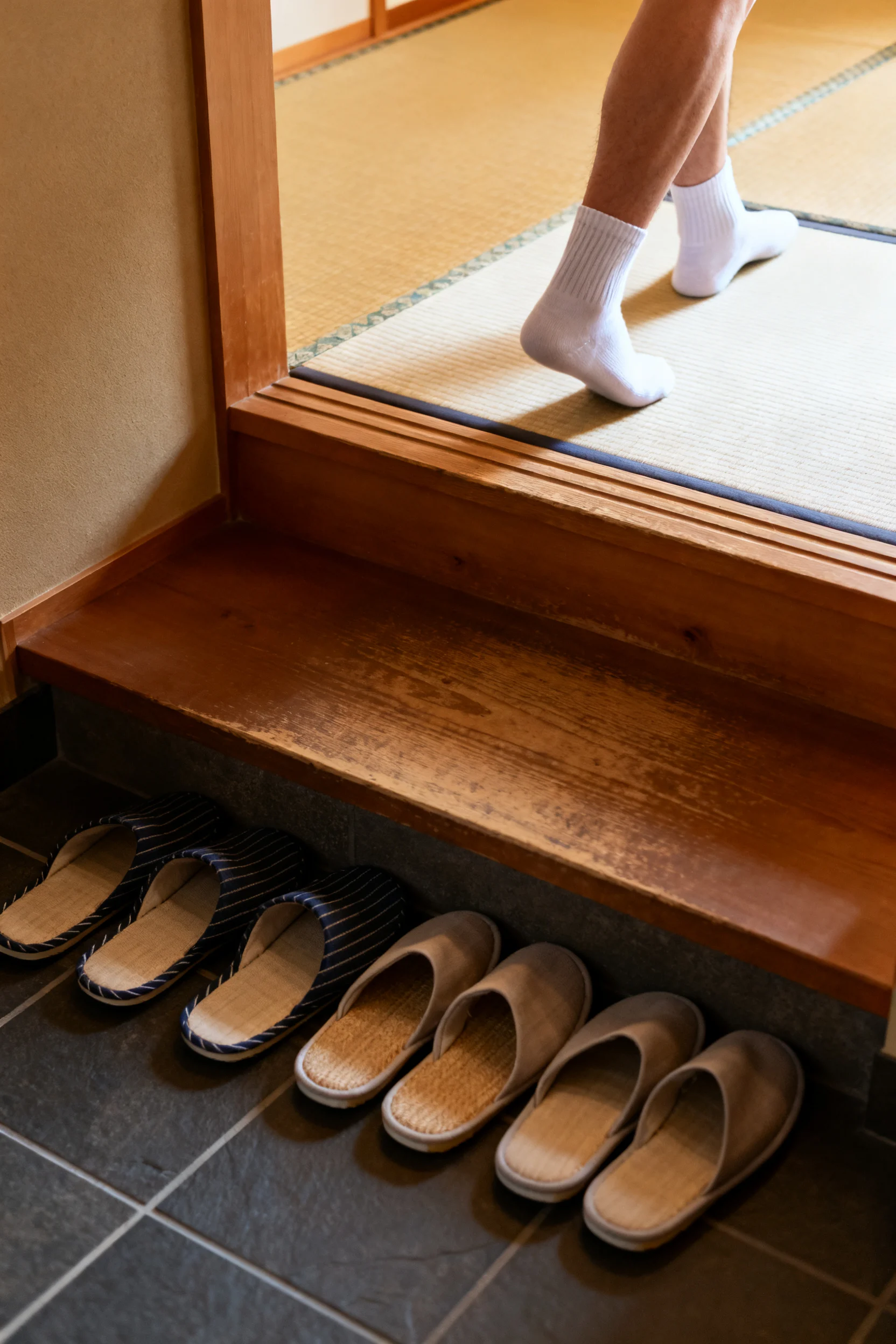
You’ll remove shoes in many ryokan, some restaurants, fitting rooms, and temple/shrine buildings—look for a step up at the entrance and rows of slippers. Wear easy slip-on shoes when you can, and pack clean, hole-free socks because you’ll be showing them a lot. If slippers are provided, use them indoors, but switch to the toilet-specific slippers in restrooms (and remember to switch back after). For tatami rooms, skip slippers entirely and go in socks or bare feet as directed.
3) Cash, Cards, and the “Tray” Moment
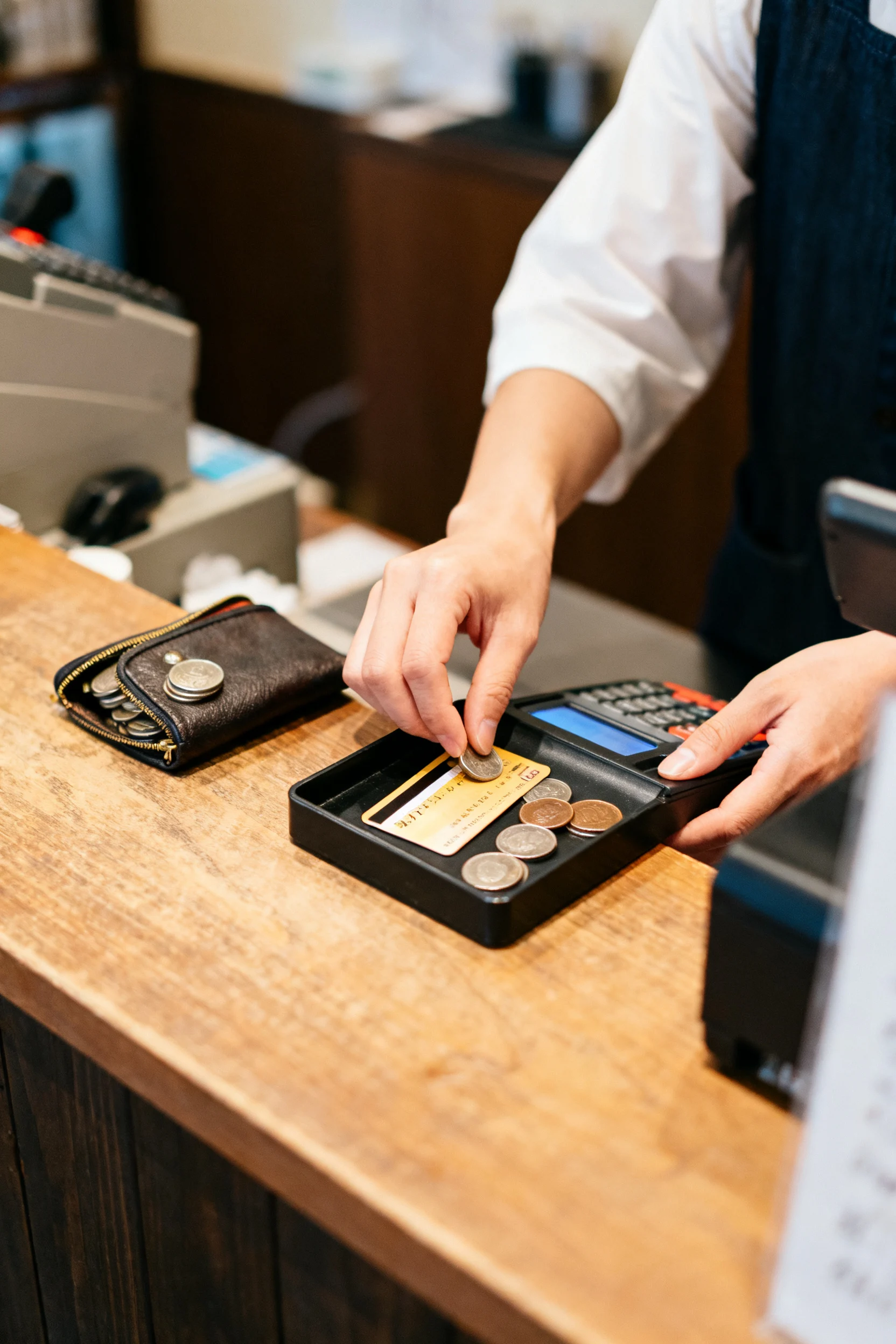
In many shops and cafes, you’ll pay using a small tray at the register—place your cash or card there instead of handing it directly to the cashier. Keep a coin pouch or small wallet; Japan is coin-heavy and you’ll use them for vending machines, shrines, and small bites. Don’t count money slowly at the counter—step aside if you need to sort change. For first-timers, having an IC card (Suica/PASMO/ICOCA) plus some cash makes everyday payments effortless.
4) Dining Etiquette: Chopsticks, Bowls, and “No Tipping”
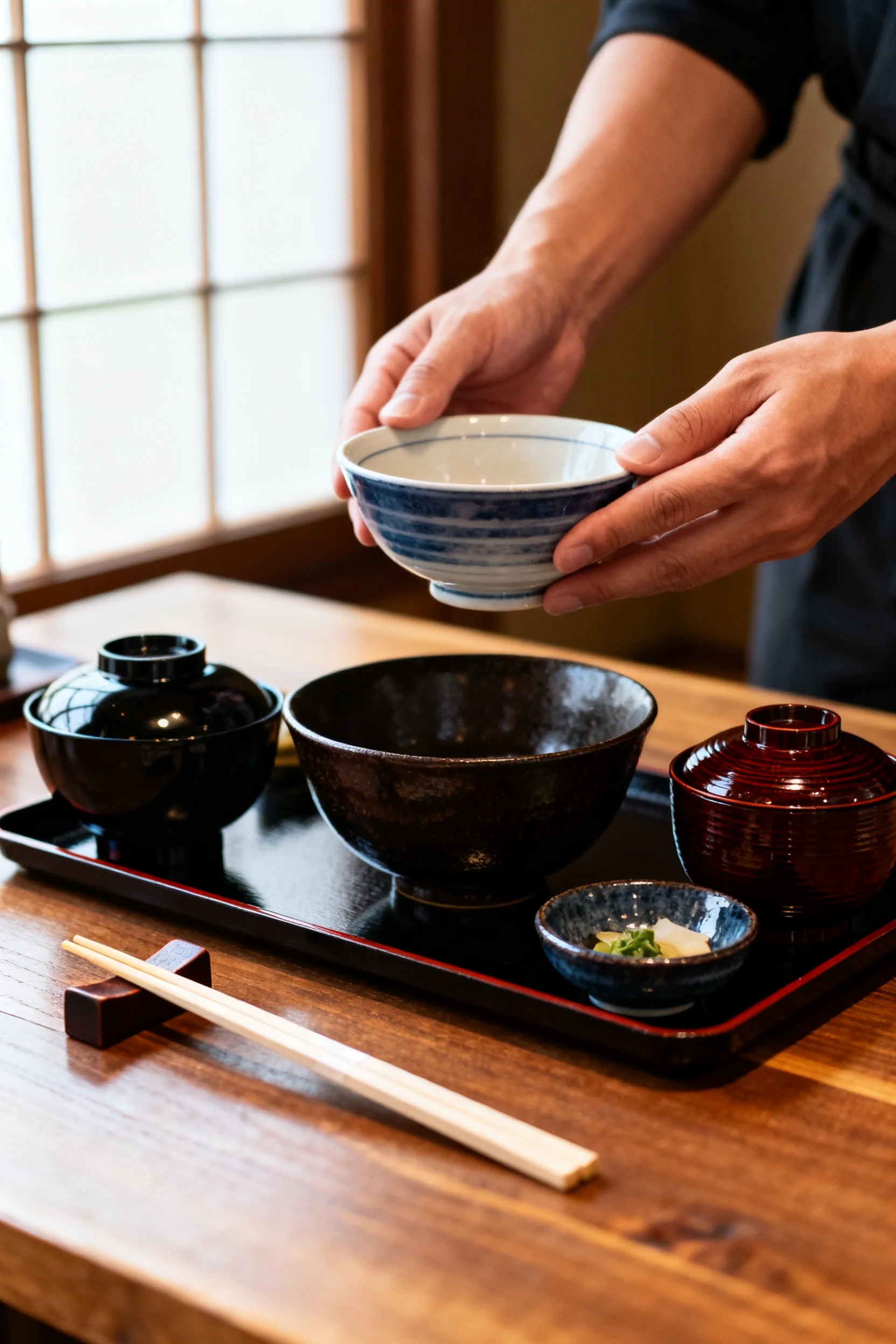
Start with “itadakimasu” (a quick, polite pre-meal phrase) and end with “gochisousama deshita” to show appreciation—locals notice and smile. Never stick chopsticks upright in rice or pass food chopstick-to-chopstick; place them on the rest when you pause. Many casual spots expect you to return trays, pour your own water/tea, and follow the house system (buying a ticket at a vending machine for ramen, for example). Tipping isn’t customary—if you want to say thanks, a sincere “arigatou gozaimasu” and being an easy guest is perfect.
5) Shrines & Temples: Respectful Visits Without Overthinking
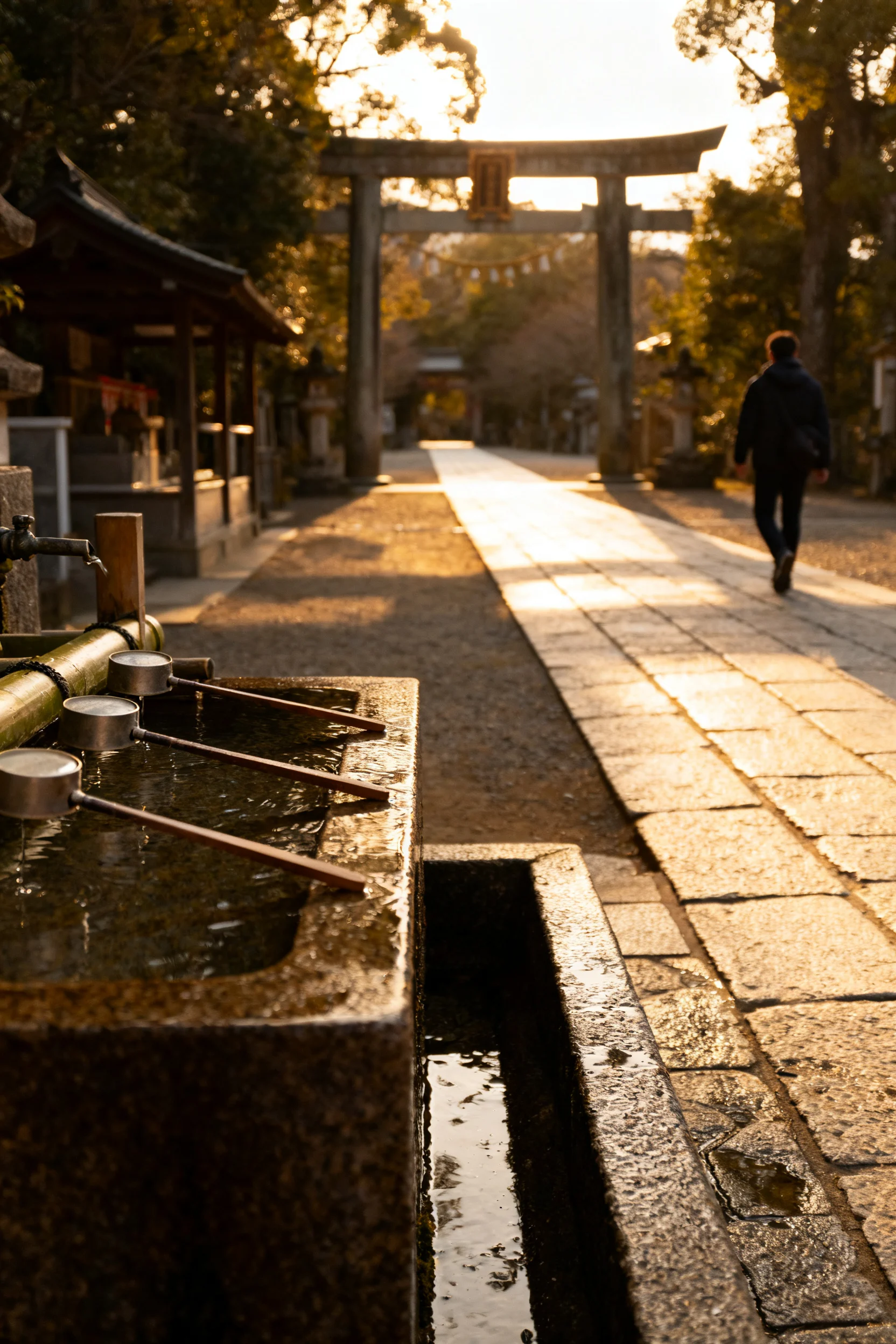
At Shinto shrines, you’ll often see a purification font (temizuya); if it’s in use, rinse hands and mouth lightly, then move on—if it’s closed, simply skip it. Walk to the side of the main path rather than directly down the center, and keep photos discreet (some halls prohibit them). Be mindful of timing: go early for a quieter, more respectful vibe—popular places like Fushimi Inari and Senso-ji feel totally different before 9am. If you buy an omamori (charm) or omikuji (fortune), follow the posted instructions for tying fortunes and carrying charms.
FAQ
Do I need to bow all the time in Japan?
No—small, natural bows are appreciated, but you don’t need to overdo it. A slight nod when greeting, thanking, or excusing yourself is plenty for travelers. Pair it with a friendly “sumimasen” (excuse me/thanks) and you’ll be golden.
Is it rude to eat while walking?
In many areas, yes—it’s not a hard rule everywhere, but it’s best to eat near the stall, at a designated area, or off to the side. Busy neighborhoods (like Asakusa or Nishiki Market) often have signs asking you not to walk-and-eat. If you grab street food, plan a quick pause spot so you’re not dripping sauce through a crowd.
What should I do if a restaurant has a line?
Get in line calmly and wait; cutting or hovering near the front is a fast way to stand out. Many places seat parties together, so don’t expect staff to “hold” a table while your friend shops next door. If there’s a sign-up sheet, write your name (or number of people) and stay nearby until called.
Can I wear revealing clothes at shrines and temples?
You can, but it’s smarter to dress a little more covered out of respect—especially for indoor halls. A light layer (linen shirt, cardigan, or scarf) is a great packable fix in summer. Comfortable, modest outfits also help if you’re entering traditional spaces where shoes come off.
What’s the polite way to handle trash if there aren’t many bins?
Carry a small bag for your own trash and toss it back at your hotel or a station bin later. Convenience stores sometimes have bins, but they’re mainly for items bought there—use them thoughtfully. Packing a pocket-sized hand sanitizer and a zip pouch for wrappers makes this feel easy, not annoying.