
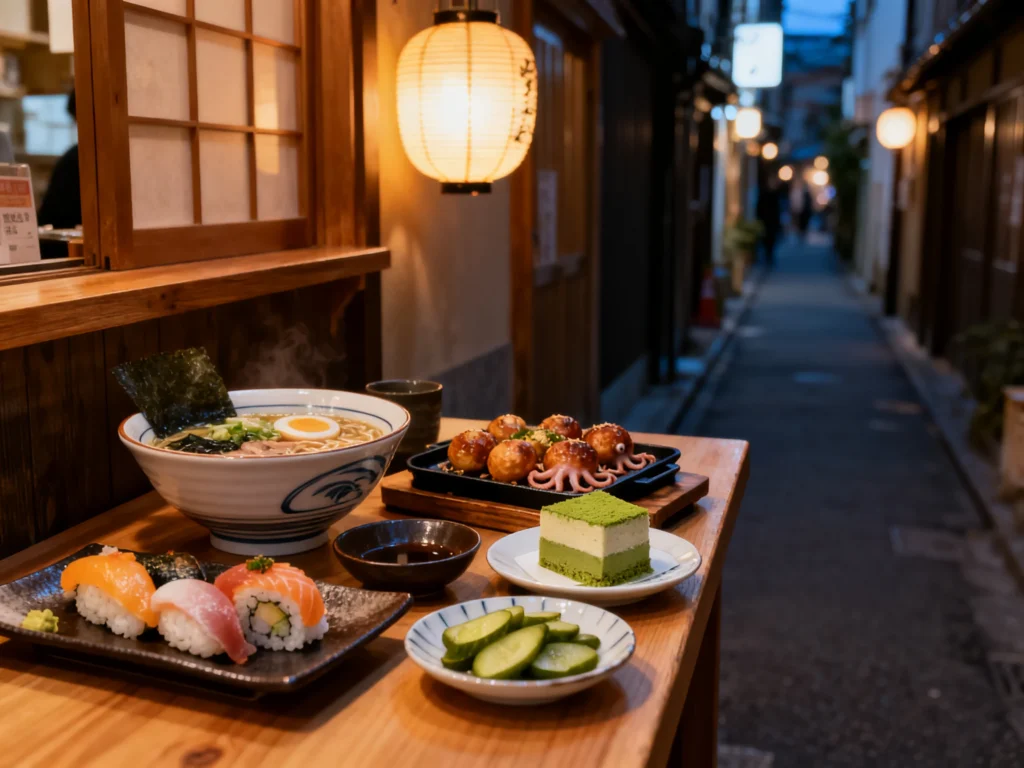
Japan is basically a full-on food trip disguised as a vacation. From tiny counter seats to department store basements, the best bites are everywhere—you just need a simple game plan.
Below are the Japan food experiences I’d prioritize on any first visit (and how to do them without wasting time, money, or stomach space).
Top 5
1) Sushi at a Standing Bar (Tachigui Sushi)
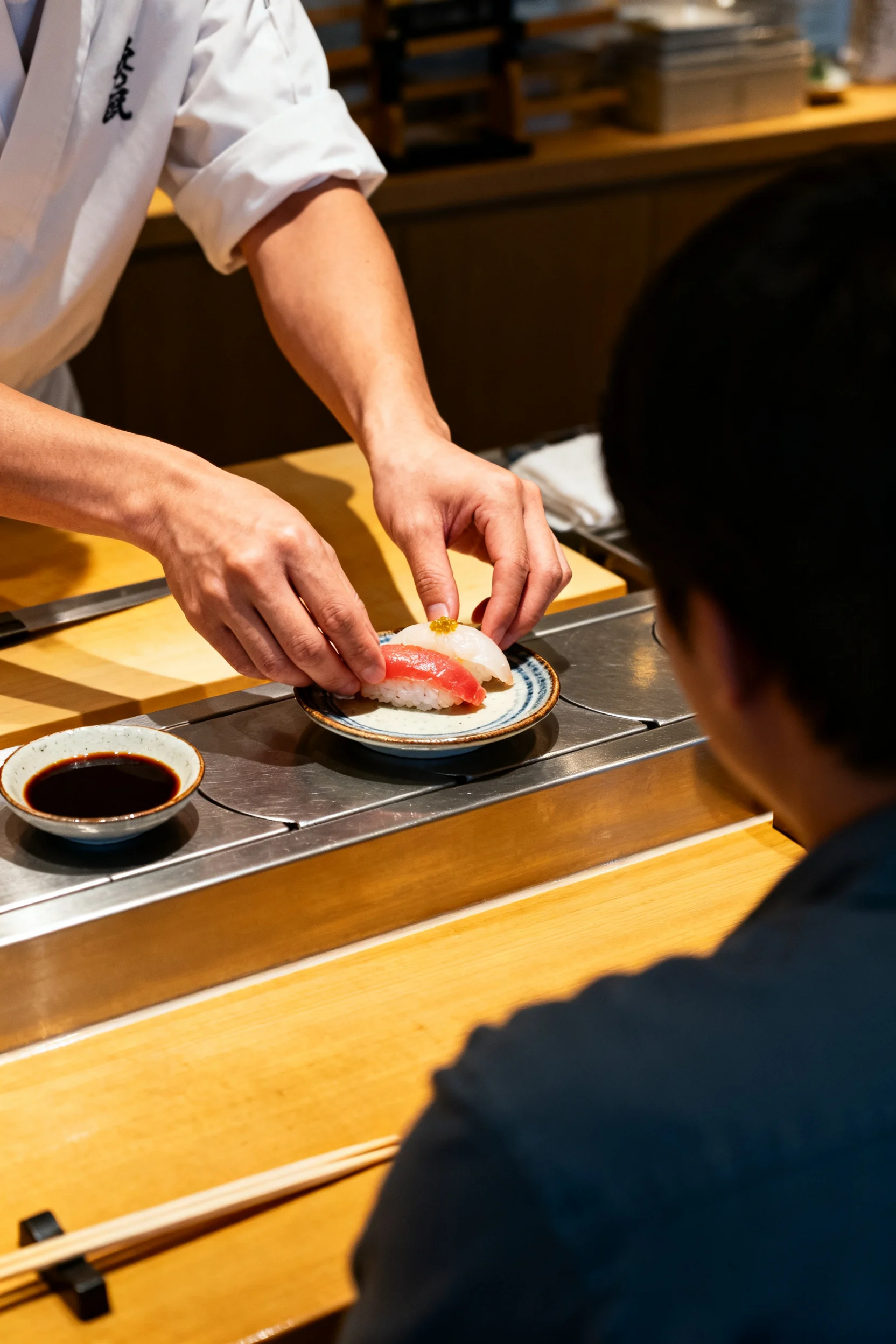
For peak value and speed, hit a tachigui sushi spot where you eat standing at the counter—fresh, fast, and usually cheaper than sit-down omakase. Go right when they open or mid-afternoon to dodge lines, and start with seasonal “osusume” picks from the board. In Tokyo, look around Ueno/Ameyoko or near big stations; in Osaka, check around Namba. Bring cash just in case, and keep your order small so you can hop to your next stop.
2) Ramen Shop Crawl (One Bowl, Then Move)
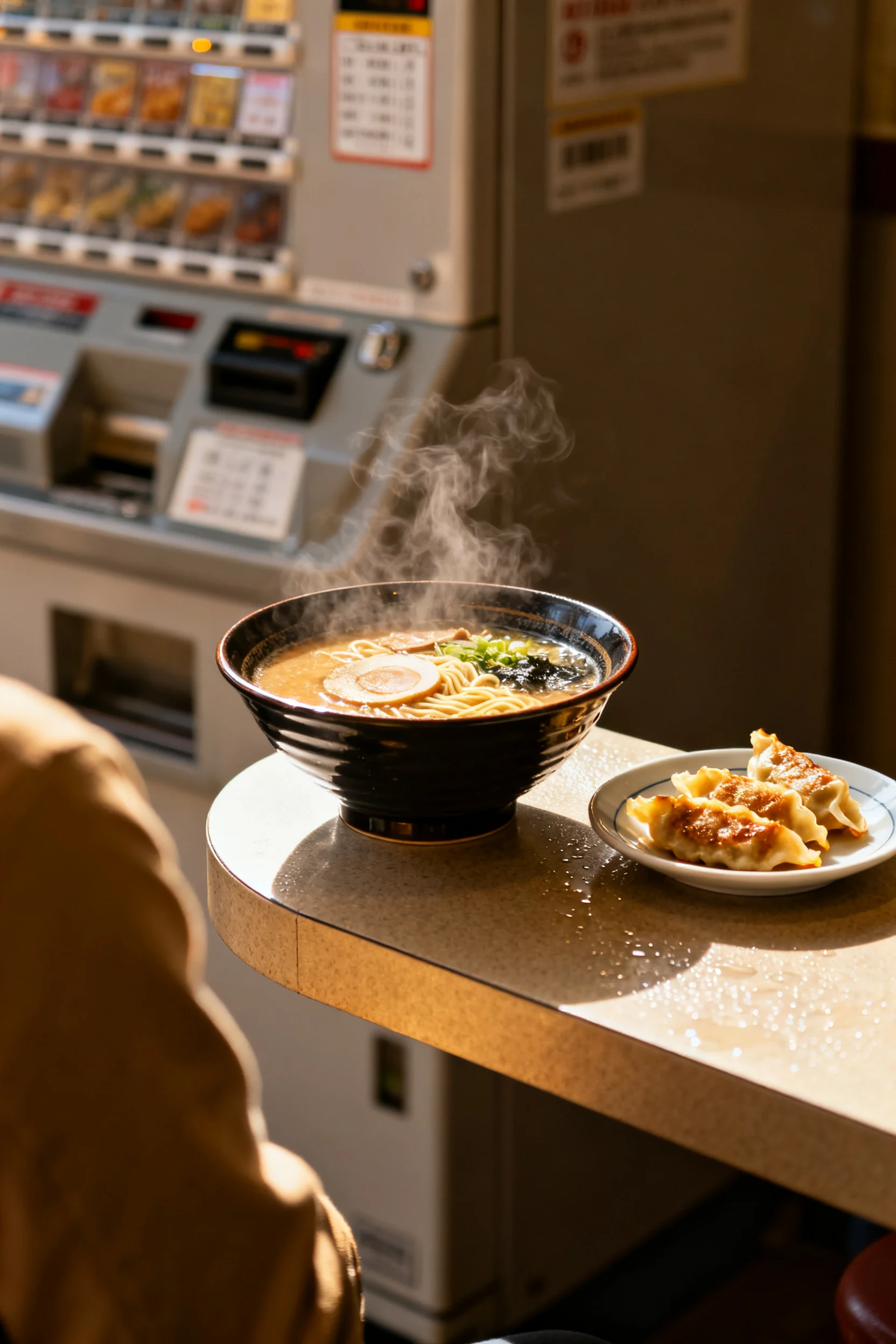
Instead of committing to one famous line, do a mini ramen crawl: pick one bowl, split gyoza, then walk to dessert. Aim for lunch (11:00–13:00) for the freshest broth, and expect ticket machines—have an idea of your order before you step up. First-timers should try tonkotsu in Fukuoka, shoyu in Tokyo, or miso in Sapporo; ask for “futsu” (normal) noodle firmness if you’re unsure. Pack a small towel/handkerchief (many bathrooms don’t have dryers), and don’t schedule anything too tight right after.
3) Department Store Food Basement (Depachika) Picnic
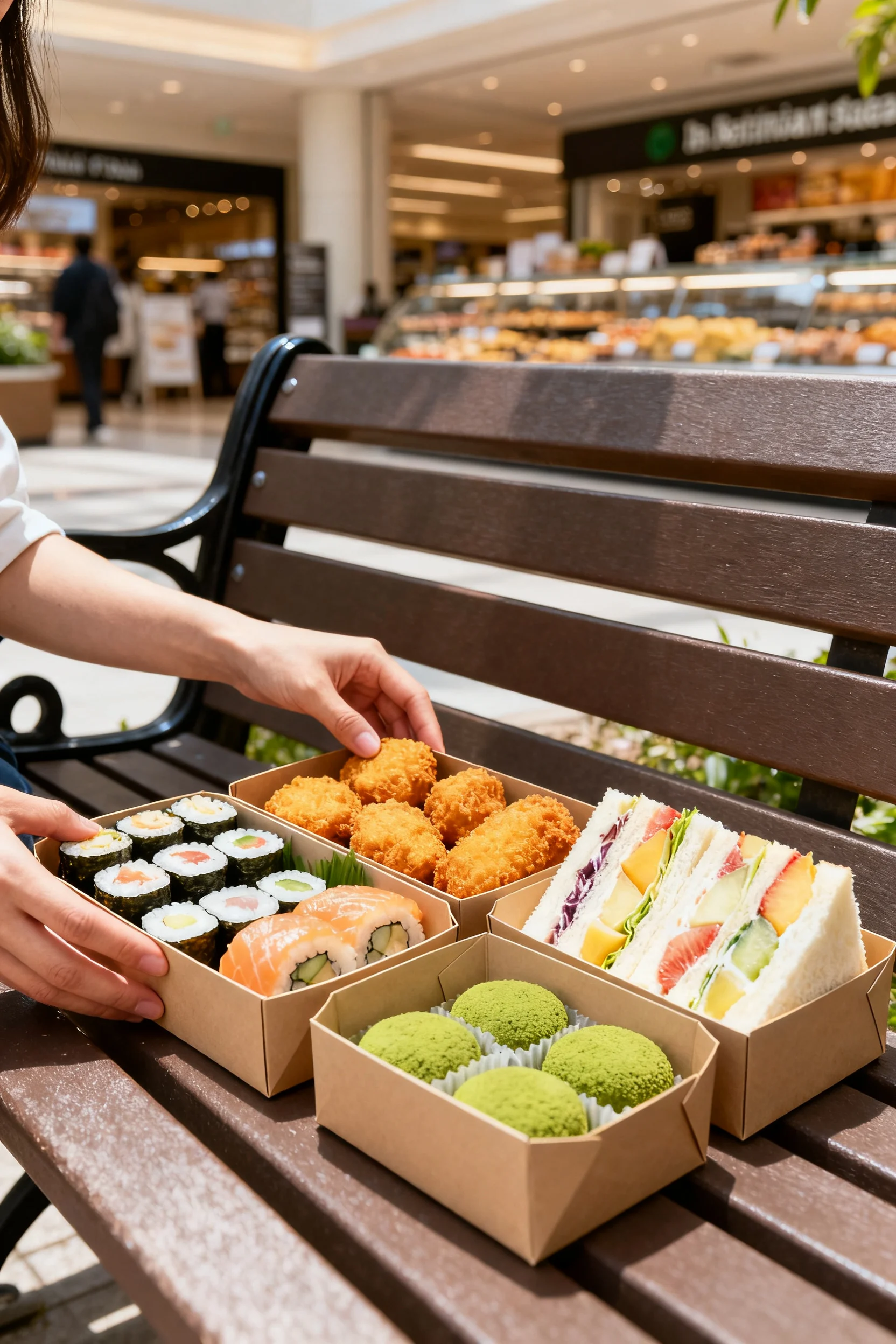
Depachika are the gourmet food floors in department stores, and they’re perfect for building your own “best of Japan” picnic—sushi, fried goodies, fruit sandwiches, matcha sweets, all in one place. Go 30–60 minutes before closing for markdown stickers, then take your haul to a nearby park or your hotel lounge area. In Tokyo, try Ginza or Shinjuku depachika; in Kyoto, look near Kawaramachi. Pack wet wipes and a reusable bag, and check your hotel rules about eating in-room (some are strict on strong smells).
4) Street-Food Night in Osaka (Dotonbori + Backstreets)
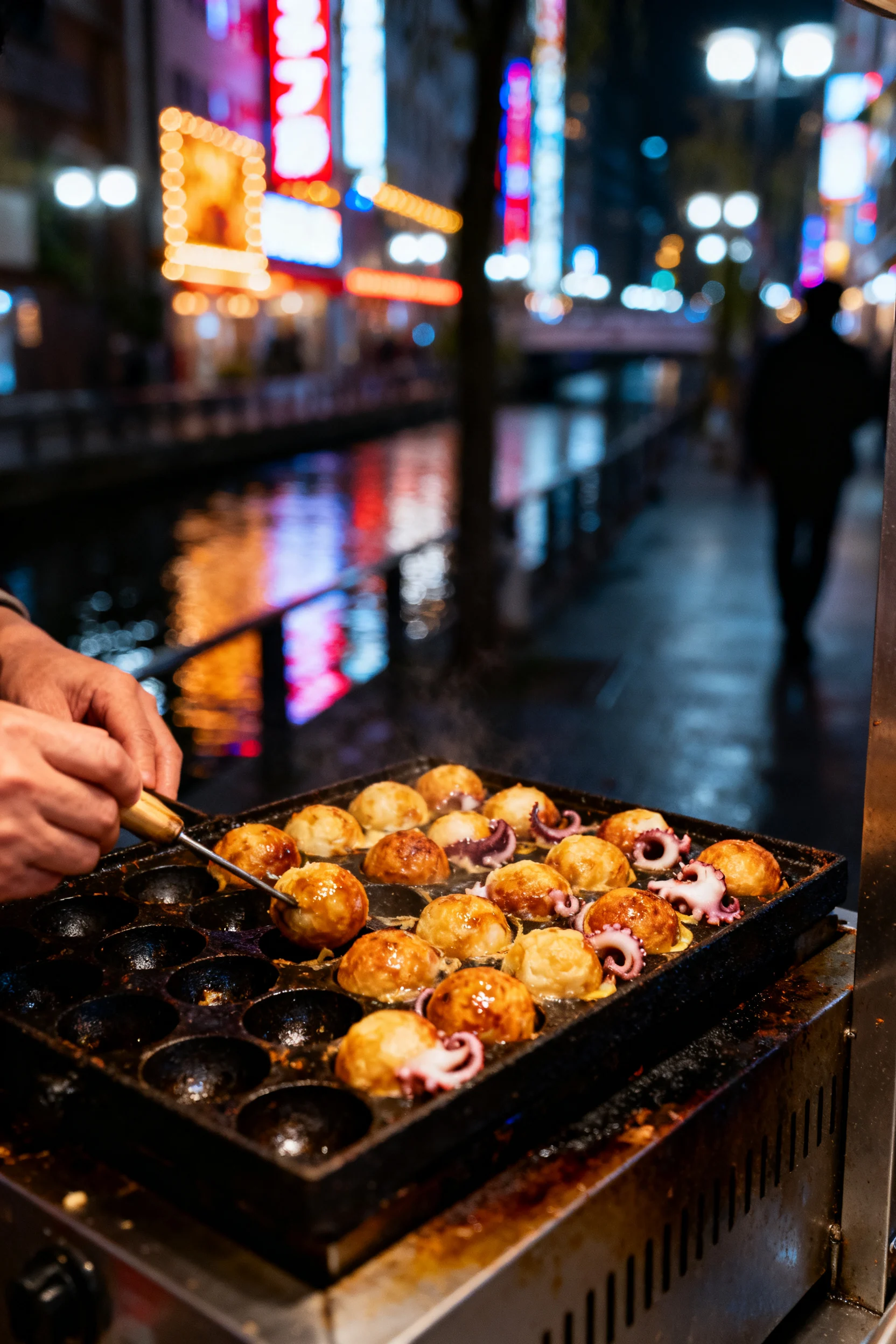
Osaka is snack-central, and the move is to treat Dotonbori as your starting point—then duck into the side streets for shorter lines and better pacing. Make takoyaki and okonomiyaki your anchors, but don’t skip kushikatsu (fried skewers) in nearby Shinsekai if you can swing it. Go after 7 pm for the full neon vibe, and bring a coin pouch because quick bites add up fast. If you see a long line for one stall, save it for later—there’s always another great option two blocks away.
5) Japanese Breakfast at a Ryokan (Or a Teishoku Set)
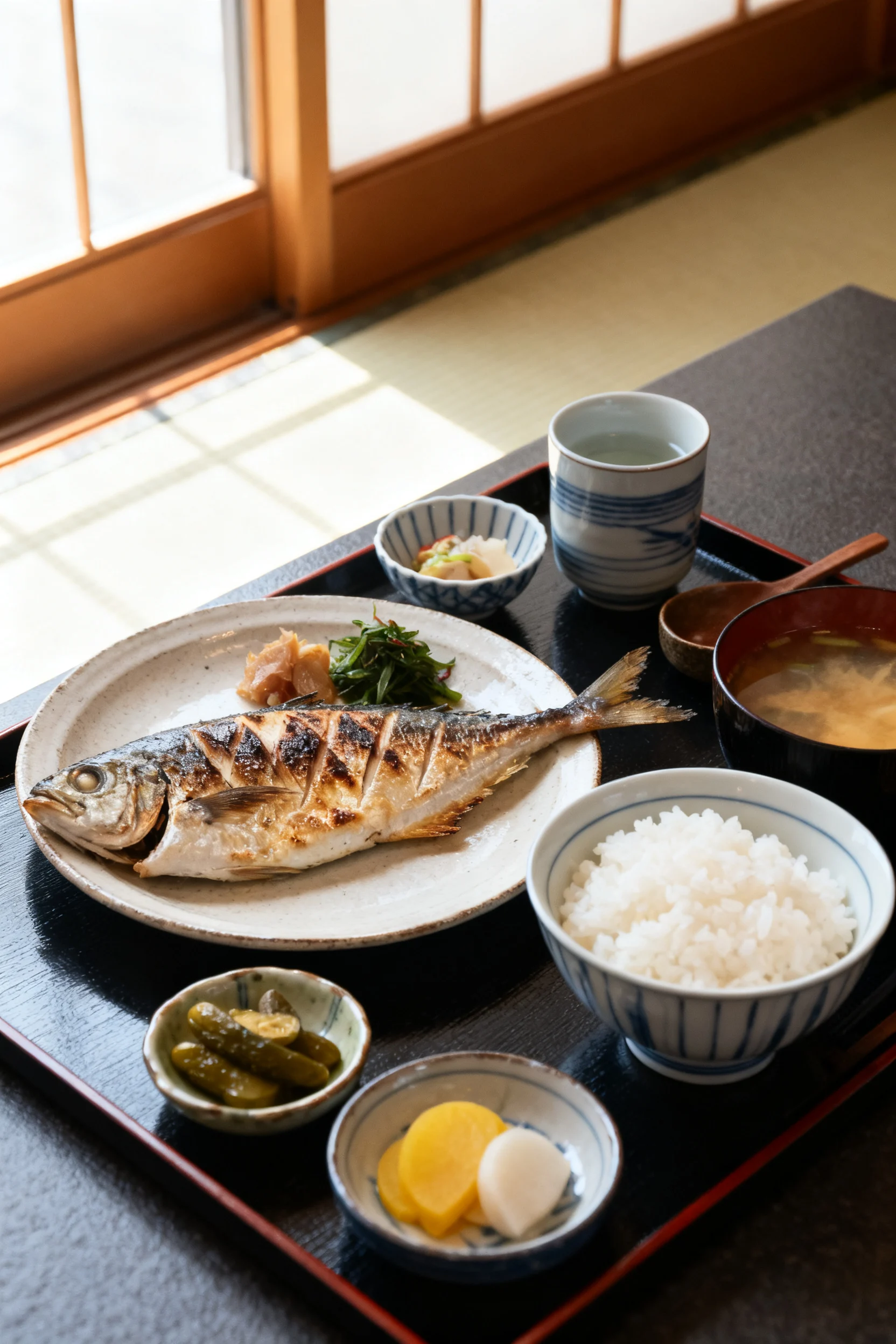
A traditional Japanese breakfast is an underrated must: grilled fish, rice, miso soup, pickles, and little seasonal sides that feel like a reset after late-night noodles. The easiest way is booking one night at a ryokan with breakfast included—especially in Hakone, Nikko, or Kyoto—then timing your morning around check-out. If a ryokan isn’t in your plan, look for a teishoku restaurant in business districts that opens early and serves set meals. Try everything, go slow, and keep the rest of your morning flexible because you’ll want a stroll afterward.
FAQ
Do I need reservations for food in Japan?
Not for most everyday meals—ramen, depachika, standing sushi, and street food are walk-in. You do want reservations for popular omakase, some yakiniku spots, and ryokan stays (especially on weekends and during cherry blossom/autumn peak). If there’s one “splurge” meal you care about, book it 2–4 weeks ahead and build the rest of your meals around it.
How much cash should I carry for food?
Japan is increasingly card-friendly, but small shops and ticket-machine ramen spots can still be cash-only. A good baseline is ¥5,000–¥10,000 per day in cash for snacks and quick meals, plus a transit IC card (Suica/PASMO/ICOCA) you can also use at many vending machines and convenience stores.
What’s the easiest way to handle dietary restrictions?
Plan a little more than you would at home: seafood-based broths and hidden ingredients are common. Use simple translated phrases or a dietary card (printed or on your phone), and target cuisines that are easier to customize like shabu-shabu, yakiniku (grill it yourself), or tempura with vegetable-forward orders. Convenience stores are also surprisingly helpful for quick ingredient-checking.
Is tipping expected at restaurants?
No—tipping isn’t part of the culture, and it can even cause confusion. If you want to show appreciation, the best “tip” is being polite, returning trays where appropriate, and following house rules (like no phone calls at the counter). Exceptional service is already built in.
How do I avoid wasting time in long food lines?
Eat at off-peak hours (late lunch around 14:00–16:00 is elite), and keep a saved list of backup spots within a 5–10 minute walk. If a place uses a ticket machine, decide your order before you enter. For famous areas, step one street away from the main drag—Japan’s best meals are often hiding in plain sight.