
Think Japan is all neon splurges and sushi that costs your rent? Hard pass. You can absolutely soak up Tokyo, Kyoto, and Osaka without bleeding your wallet dry. The trick is knowing where to save, where to splurge (strategically), and how to move like a local who actually reads the deals.
Here’s your stylish, no-fuss guide to experiencing the Big Three—on a budget that won’t cry.
1. Plan Smart: Flights, Seasons, And Passes That Actually Pay Off
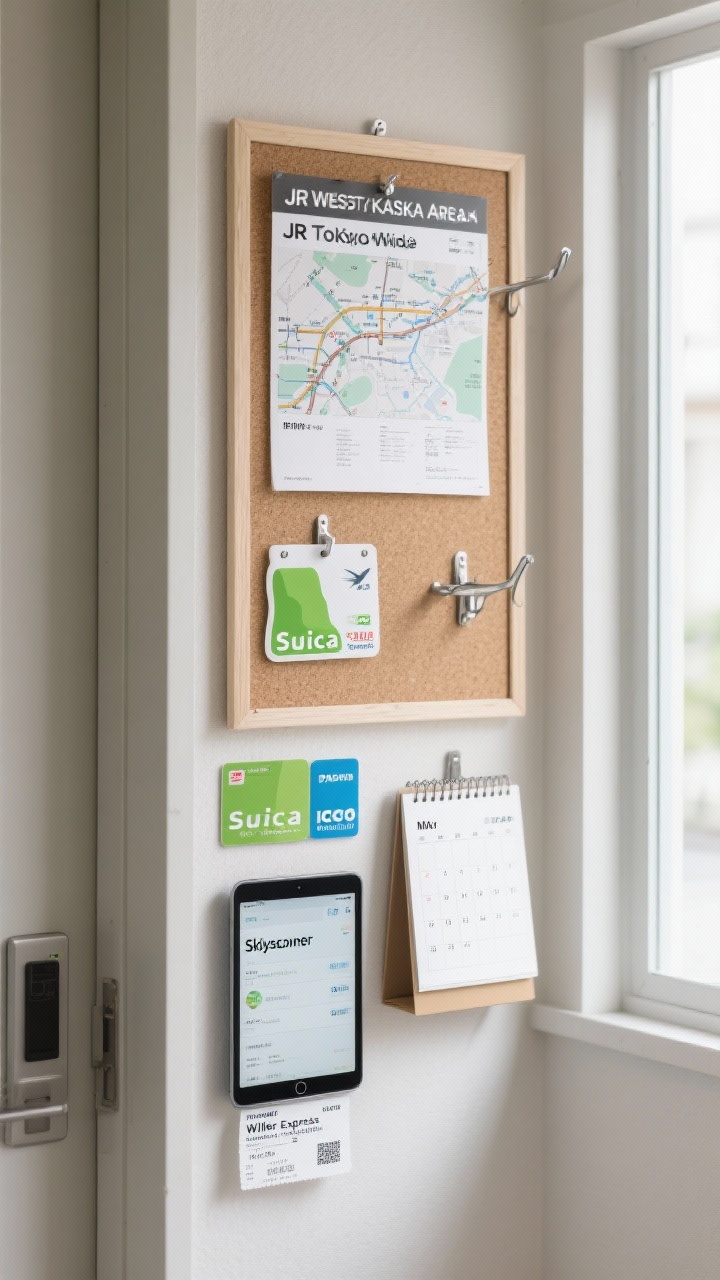
Timing is literally money. Skip the cherry blossom mobs and New Year rush if you want decent prices and shorter lines. Late May–June and November–early December are gorgeous and kinder to your budget.
Book Like You Mean It
- Flights: Set alerts (Hopper, Skyscanner) and aim for Monday–Wednesday departures. Consider flying into Osaka (KIX) and out of Tokyo (HND/NRT) to save backtracking cash.
- Rail Pass Math: The nationwide JR Pass only pays off if you’re doing multiple long hops in a tight window. Otherwise, grab regional passes like JR West Kansai Area or JR Tokyo Wide.
- Transit Cards: Get a Suica/PASMO/ICOCA. Tap, go, and stop worrying about ticket machines.
Pro tip: Check highway buses (Willer Express, JR Bus) for overnight routes between cities. They’re comfy, clean, and way cheaper than Shinkansen.
2. Sleep Chic (Not Pricey): Hostels, Business Hotels, And Capsule Cool

You don’t need a ryokan with gold-leaf baths to feel Japan. Modern hostels and business hotels are clean, safe, and stylish—like minimalism on a budget.
Where To Look
- Capsule Hotels: Fun once—or twice. Great for solo travelers and late arrivals.
- Business Hotels: APA, Toyoko Inn, Super Hotel—tiny rooms, big savings, free pajamas (yes, really).
- Hostels: Book dorms with curtains and lockers. Many have chic lounges and laundry.
Neighborhood magic: Stay one station away from hotspots. In Tokyo, try Asakusa, Kinshicho, or Koenji. In Kyoto, go for Karasuma or Saiin. In Osaka, Shin-Imamiya or Tsuruhashi are budget-friendly and well connected.
3. Eat Like A Local: Convenience Store Gourmet And ¥500 Wins
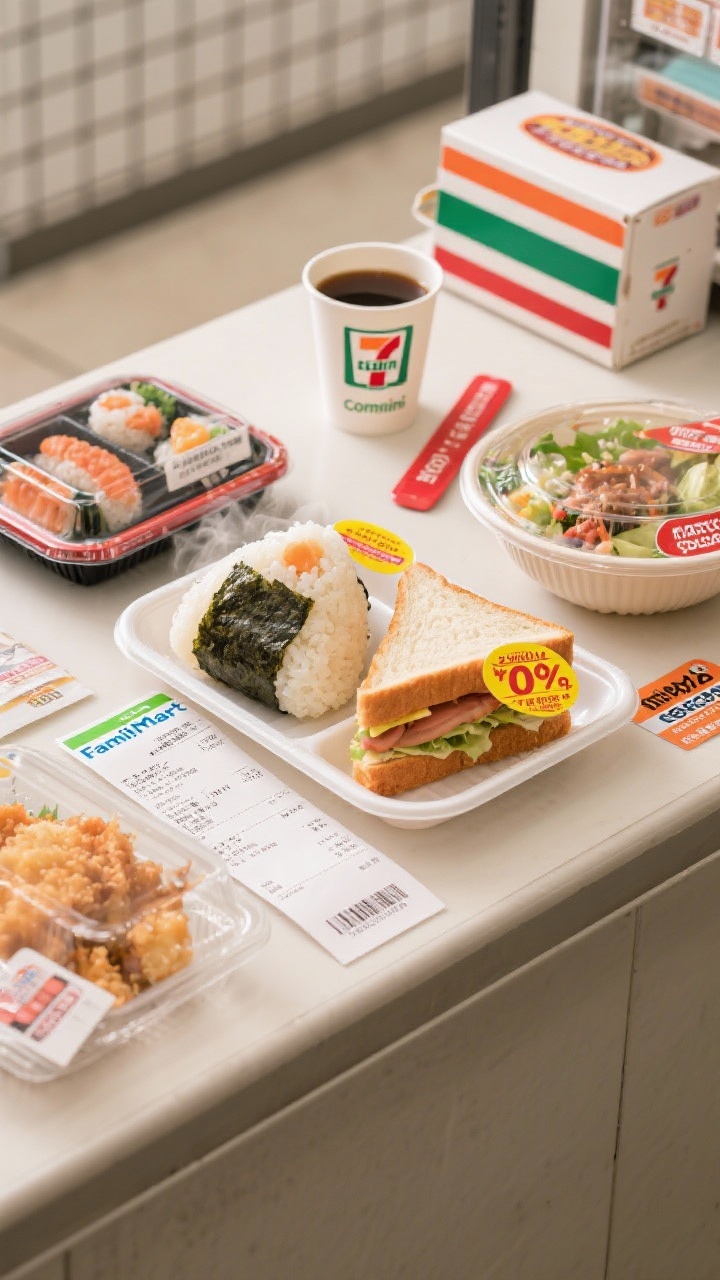
Japan’s food scene isn’t just Michelin. It’s combini snacks at 1 a.m. and steamy bowls under neon at 500 yen. Honestly? Amazing.
Budget Bites That Slap
- Combini (7-Eleven, Lawson, FamilyMart): Fresh onigiri, salads, sandos, and reheatable bentos. Breakfast under ¥400. FYI, the coffee is legit.
- Chain Heroes: Matsuya, Sukiya, Yoshinoya (gyudon bowls), Tenya (tempura), Hanamaru (udon). Most meals under ¥700.
- Supermarkets: Hit the deli after 7 p.m. for discounted takeout sushi—look for the red or yellow stickers.
- Standing Bars & Noodle Shops: Tachinomi and tachigui soba = fast, flavorful, affordable.
Yes, you can splurge—just do it once or twice. Book a lunch omakase (often cheaper than dinner) or try a wagyu set lunch. Balance it out with convenience store feasts and you’re golden.
4. Tokyo On The Cheap: Free Views, Cool Neighborhoods, Zero FOMO
Tokyo screams “spendy,” but it doesn’t have to be. You can get skyline views, quirky culture, and epic street vibes for basically pennies.
Free And Fab
- Tokyo Metropolitan Government Building: Free observation decks in Shinjuku. Views that rival paid towers.
- Asakusa & Sensō-ji: Wander the temple, shop Nakamise-dori for snacks, and people-watch like a pro.
- Meiji Shrine & Yoyogi Park: Calm oasis next to Harajuku chaos. Zero yen, maximum zen.
Cheap Thrills
- Ueno: Museums with low admission, street food, and Ameyoko Market bargains.
- Koenji, Shimokitazawa: Vintage shopping and indie cafes. Window-shop if you must—resale steals are common.
- Odaiba: Go for sunset walks and free light shows. Skip the pricey attractions if you’re counting coins.
Transit tip: Tokyo’s subways add up. Group your sightseeing by neighborhood to avoid zigzag transfers.
5. Kyoto On A Budget: Temples, Tea, And Timing Is Everything
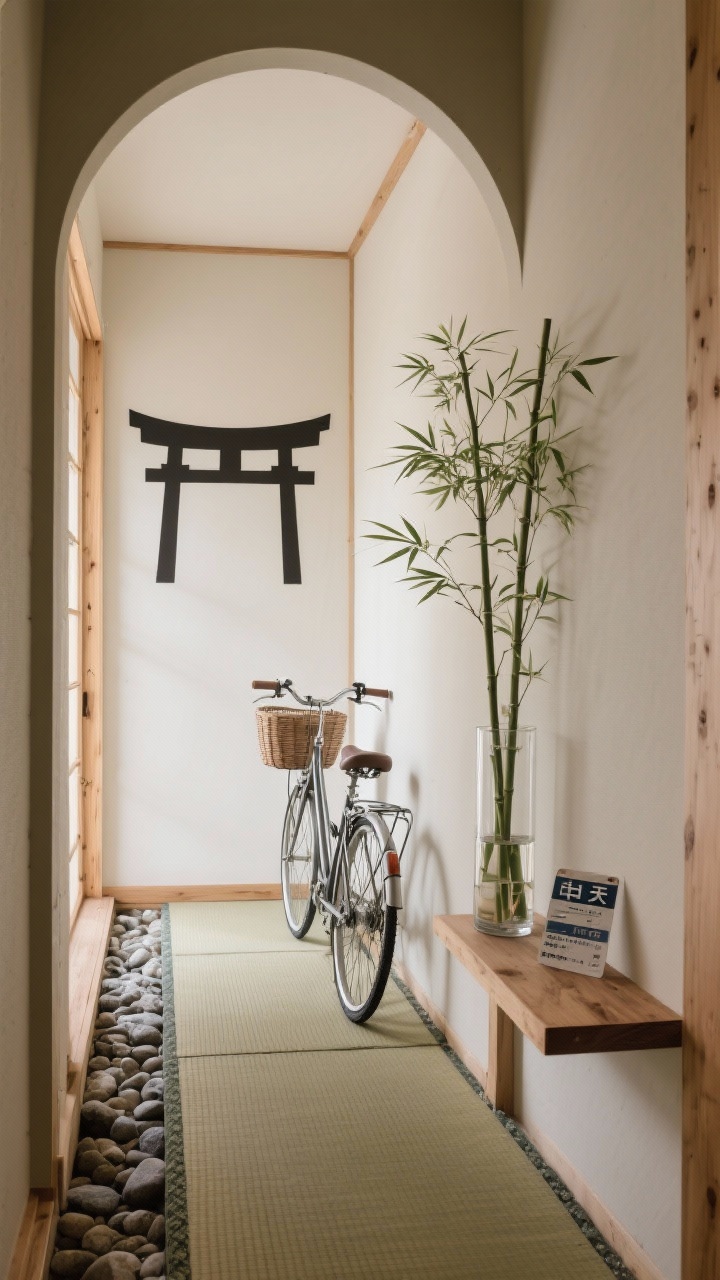
Kyoto is an open-air museum—stunning, and sometimes packed. Save money by mastering the art of timing (and a decent pair of walking shoes).
See More, Spend Less
- Fushimi Inari: Free and open 24/7. Go at sunrise or after 8 p.m. for fewer crowds and magical light.
- Philosopher’s Path: Beautiful walk that costs nothing. Hit nearby temples selectively—admissions add up.
- Arashiyama Bamboo Grove: Free, but get there early. Pair with a cheap river bento and skip paid extras.
Smart Savings
- Day Passes: Kyoto buses are useful but slow. Consider a combo of short subway rides and walking.
- Temples With Value: Choose a few icons (Kiyomizu-dera, Nanzen-ji) and balance with free shrines.
- Nishiki Market: Sample small bites and share. It’s the ultimate snack crawl.
IMO: A rented bike is clutch in Kyoto. Flat routes, scenic alleys, and fewer transit headaches.
6. Osaka For Foodies: Street Eats, Neon Nights, And Big Value Energy
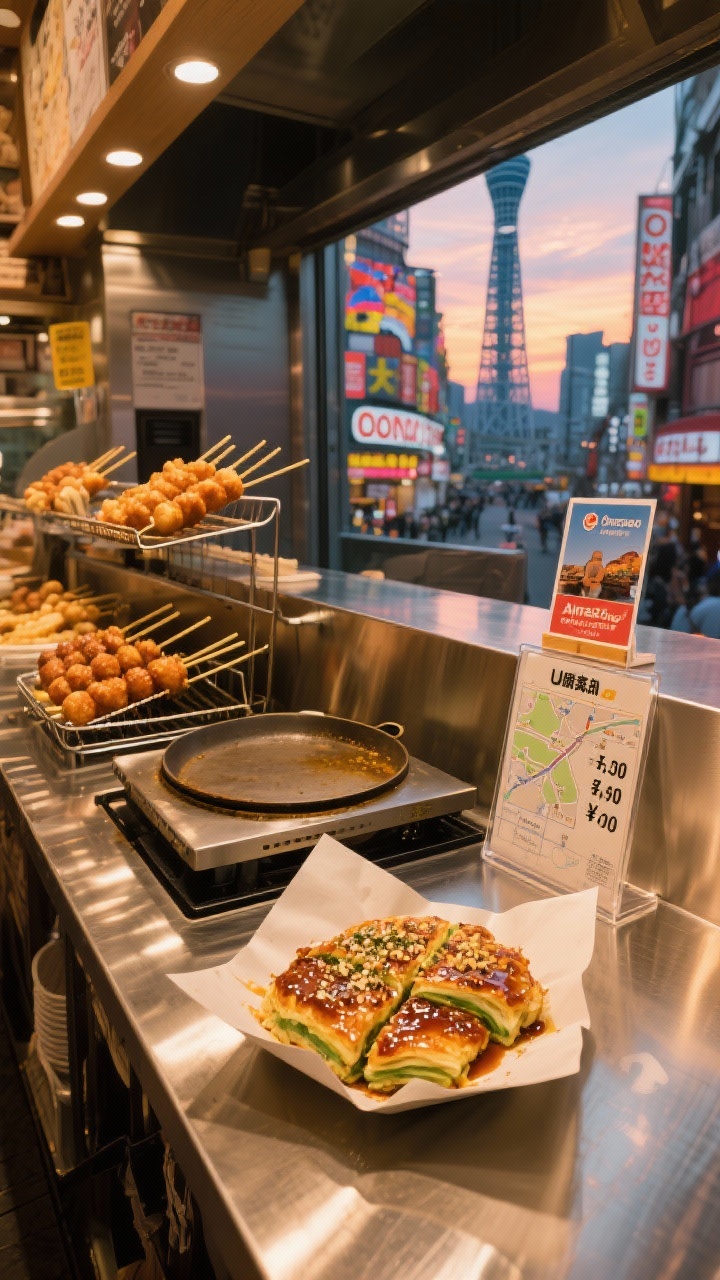
Osaka is Japan’s foodie hype queen—loud, joyful, and budget-friendly if you play it right. This is where you lean into street eats and local chains.
Eat Well For Less
- Dotonbori: Grab takoyaki, okonomiyaki, and skewers. Compare prices, avoid tourist traps with pushy staff, and share plates to sample more.
- Shinsekai: Classic kushikatsu joints—fried skewers that won’t wreck your budget.
- Kuromon Market: Fun to browse. For value, pick stalls where locals queue and prices are posted clearly.
Do More, Pay Less
- Osaka Amazing Pass: Free entry to multiple attractions and unlimited transit for a day. Pay once, bounce everywhere.
- Umeda Sky Building: Not free, but cheaper than some towers and totally worth it at sunset.
- Amerikamura & Namba: Window-shop, street-performers, and vibe checks are always free.
Night trains or buses between Osaka and Tokyo can free up a hotel night. Bring a neck pillow and thank me later.
7. Micro-Splurges, Souvenir Hacks, And Money Moves That Matter
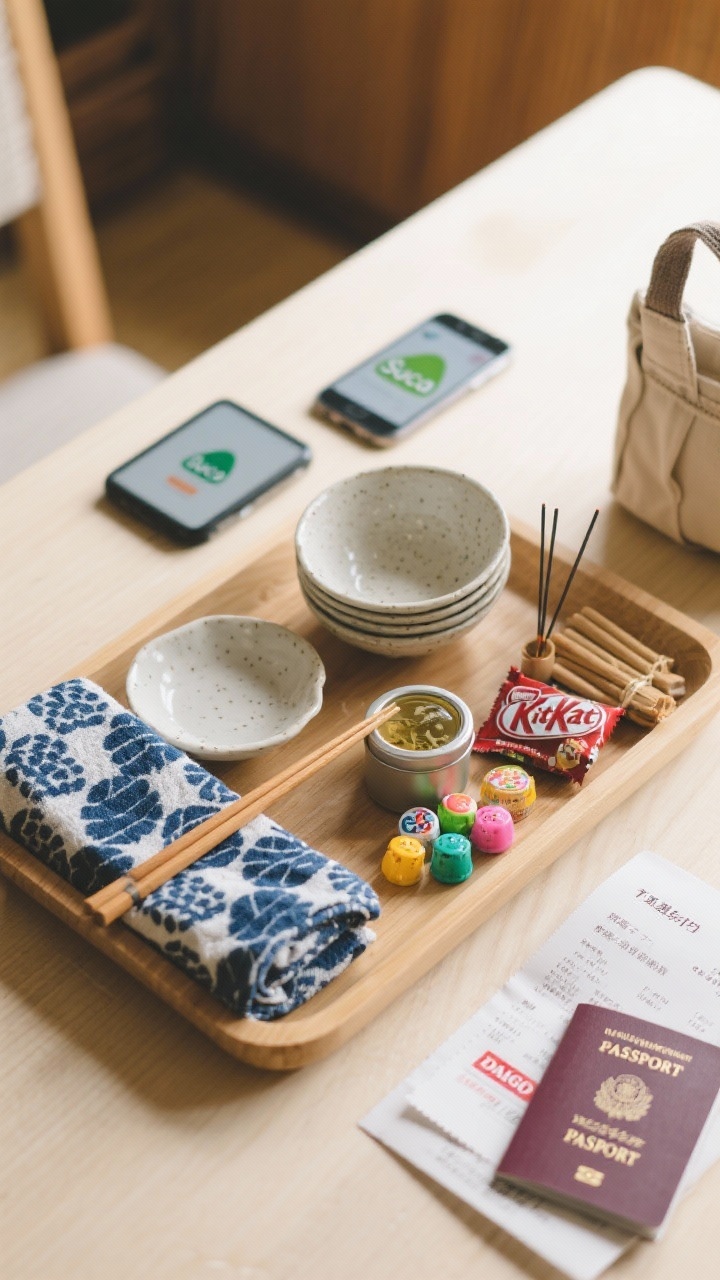
You don’t have to be a monk. Sprinkle in tiny treats that elevate the whole trip without detonating your budget.
Micro-Splurges
- Onsen Day Trips: Look for public bathhouses or suburban super sento. Under ¥1000 for bliss.
- Gachapon & Stationery: Fun, cheap, and very Japan. Set a small limit and enjoy the hunt.
- Dessert Dates: Parfaits, taiyaki, or seasonal KitKats. Sweet, memorable, affordable.
Souvenir Smarts
- DAISO/Seria/Can★Do: Chic ceramics, chopsticks, and bento gear for ¥100–300. Looks pricier than it is.
- Don Quijote: Snacks and quirky gifts—compare sizes for the best per-yen value.
- Local Markets: Pick tea, tenugui towels, or incense. Lightweight and actually useful.
Money Moves
- Cash Still Counts: Many small shops prefer it. Use 7-Bank or Japan Post ATMs for better rates.
- IC Cards & Pay Apps: Suica on phone = smooth payments. Some stores accept PayPay/Alipay; don’t rely on it exclusively.
- Tax-Free Shopping: Spend the minimum in one store and show your passport. Keep receipts handy until you exit Japan.
Quick packing hack: Bring a compact tote for markets, a refillable bottle (tap water’s safe), and a tiny umbrella. Practical equals savings.
You’ve got this. With a little planning and a lot of curiosity, Tokyo dazzles, Kyoto soothes, and Osaka feeds your soul—without feeding your debt. Go chase those lantern-lit streets and steaming bowls, and let your budget live to tell the tale.