
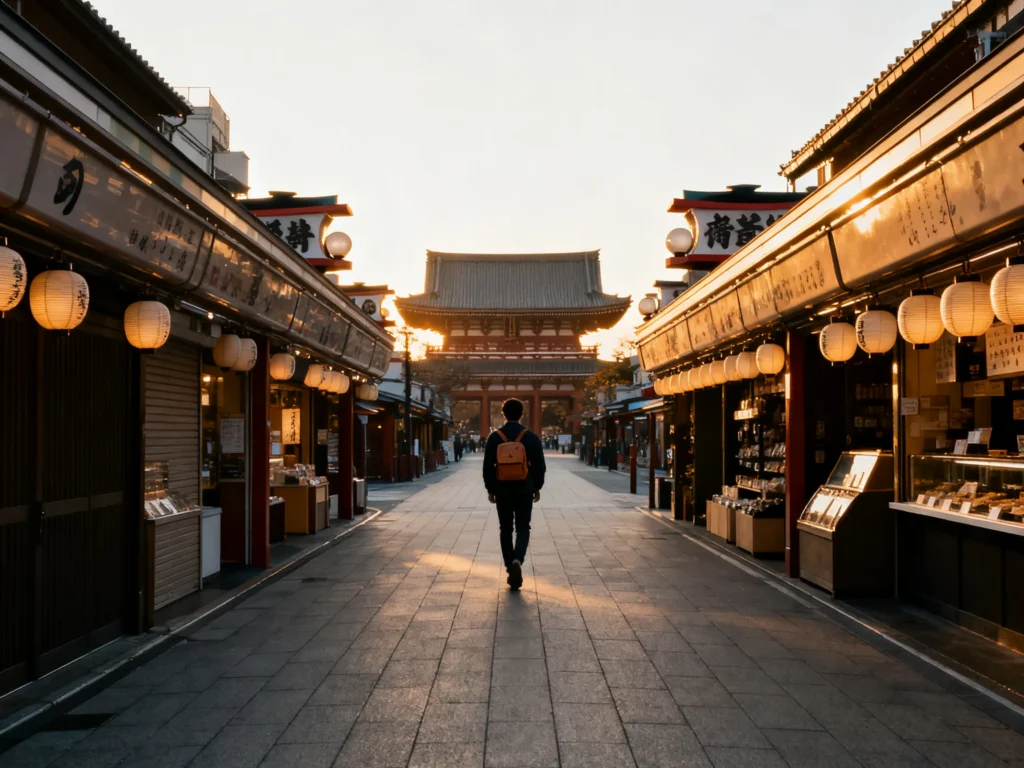
Japan doesn’t have to be a “once in a lifetime” price tag. With a few smart swaps, you can do Tokyo, Kyoto, and beyond without blowing your whole budget in the first three days.
This is the game plan: spend on what actually changes your experience (a great onsen town, one iconic meal, a scenic train) and save hard on the stuff that adds up fast (transport mistakes, convenience-store splurges, and last-minute bookings).
Top 5
1) Pick the Right Seasons (And Book Around Them)
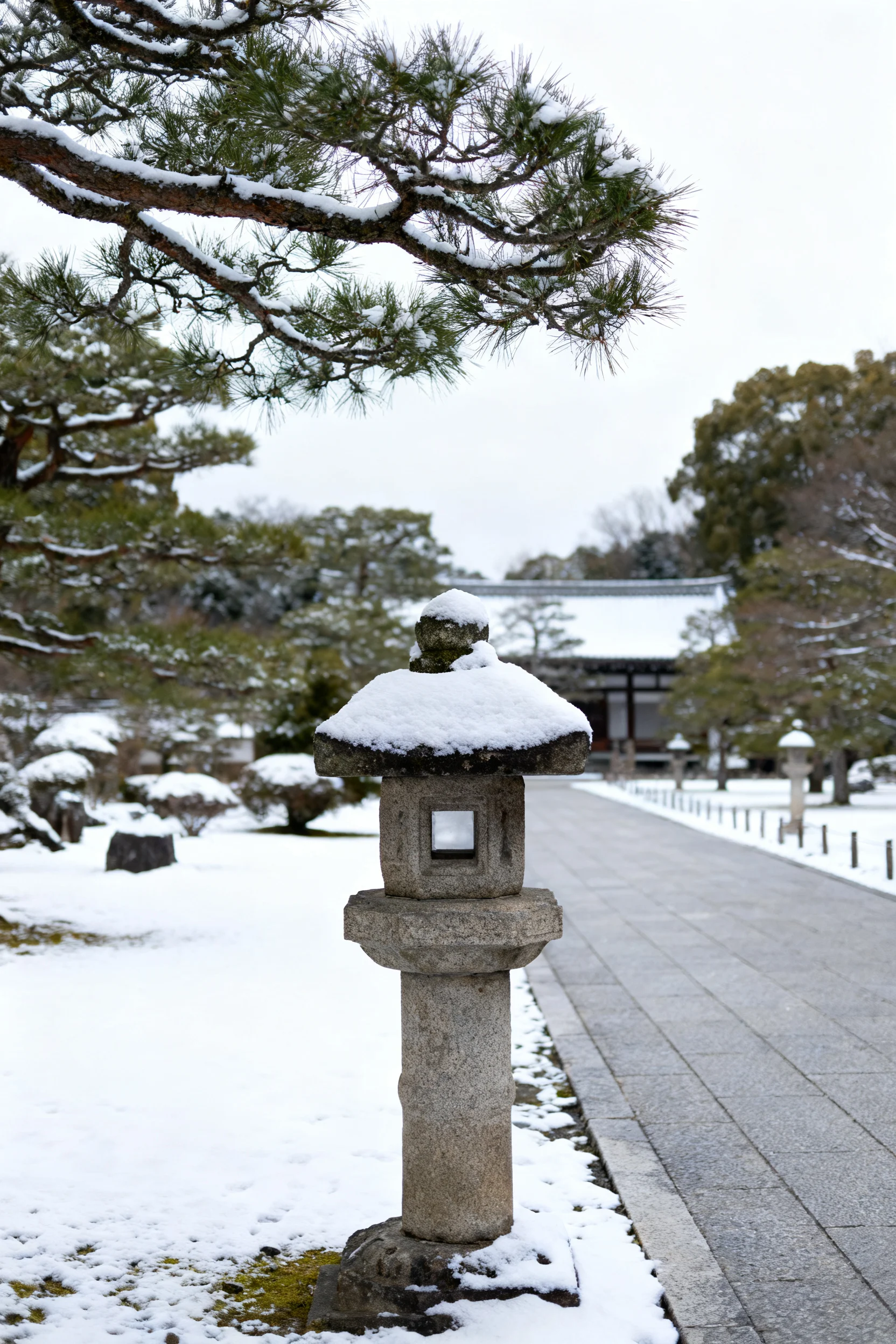
For lower prices and fewer crowds, aim for late January–February (except ski hotspots), May after Golden Week, or November before the peak autumn rush. Cherry blossom and Golden Week weeks are stunning but expensive, so if you go then, lock in hotels 3–6 months early and keep your city list short. Midweek stays are often noticeably cheaper than weekends, especially in Kyoto and Tokyo. Pack layers so you can travel shoulder season comfortably without buying extra clothes there.
2) Use Transit Like a Local (Skip the “One Pass Fits All” Trap)
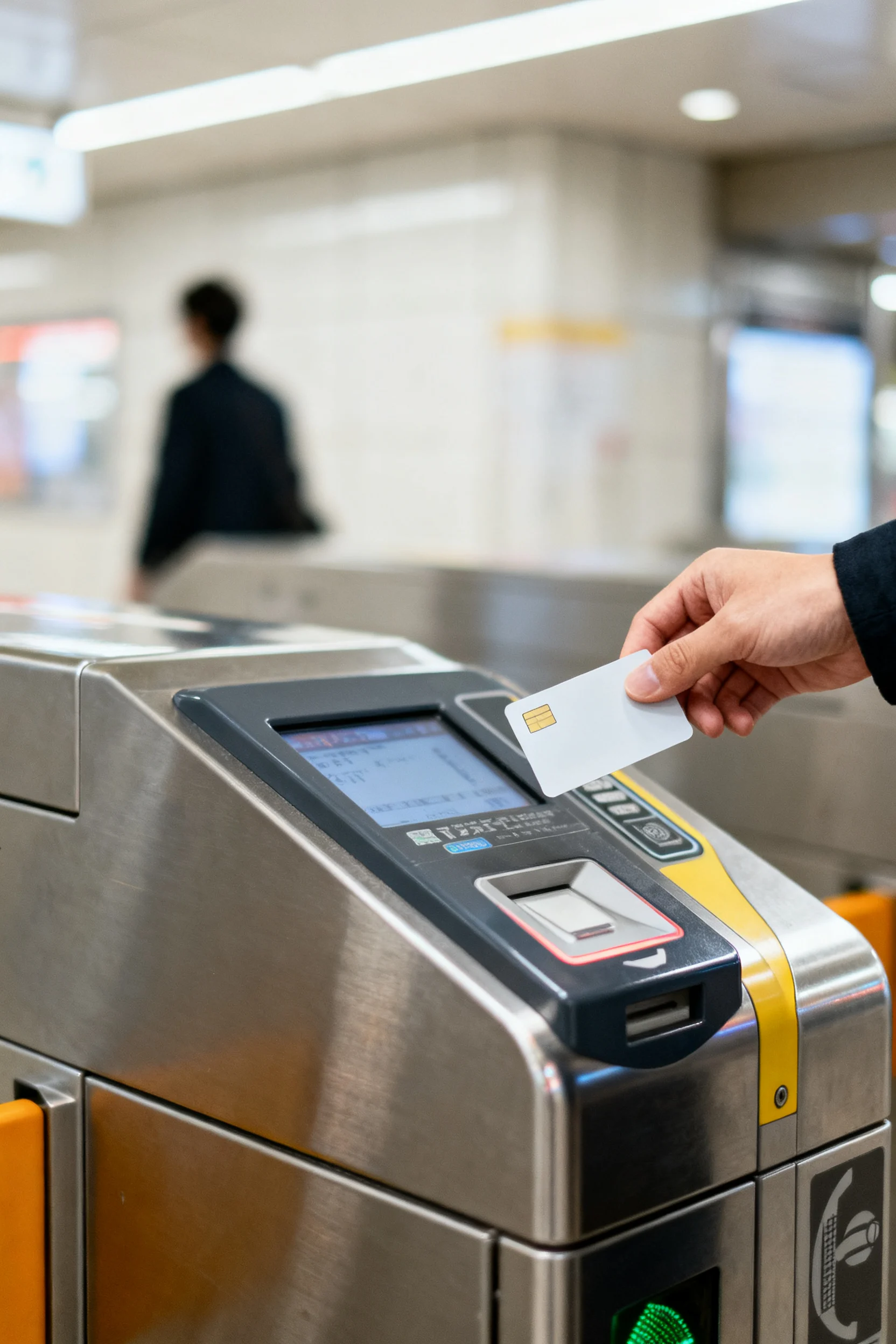
Not everyone needs a nationwide rail pass—price out your exact route first, then decide. For cities, load an IC card (Suica/PASMO/ICOCA) and tap onto trains, subways, and buses without thinking; it keeps you from buying single tickets all day. For day trips, look for regional passes (Kansai area, Hakone, Nikko, Hiroshima) that bundle trains plus discounts. If you’re bouncing between neighborhoods, stay near a major line (Tokyo: near Yamanote access; Osaka: near Umeda/Namba) to cut transfer time and accidental extra fares.
3) Stay Smart: Business Hotels, Guesthouses, and the “Right” Neighborhood
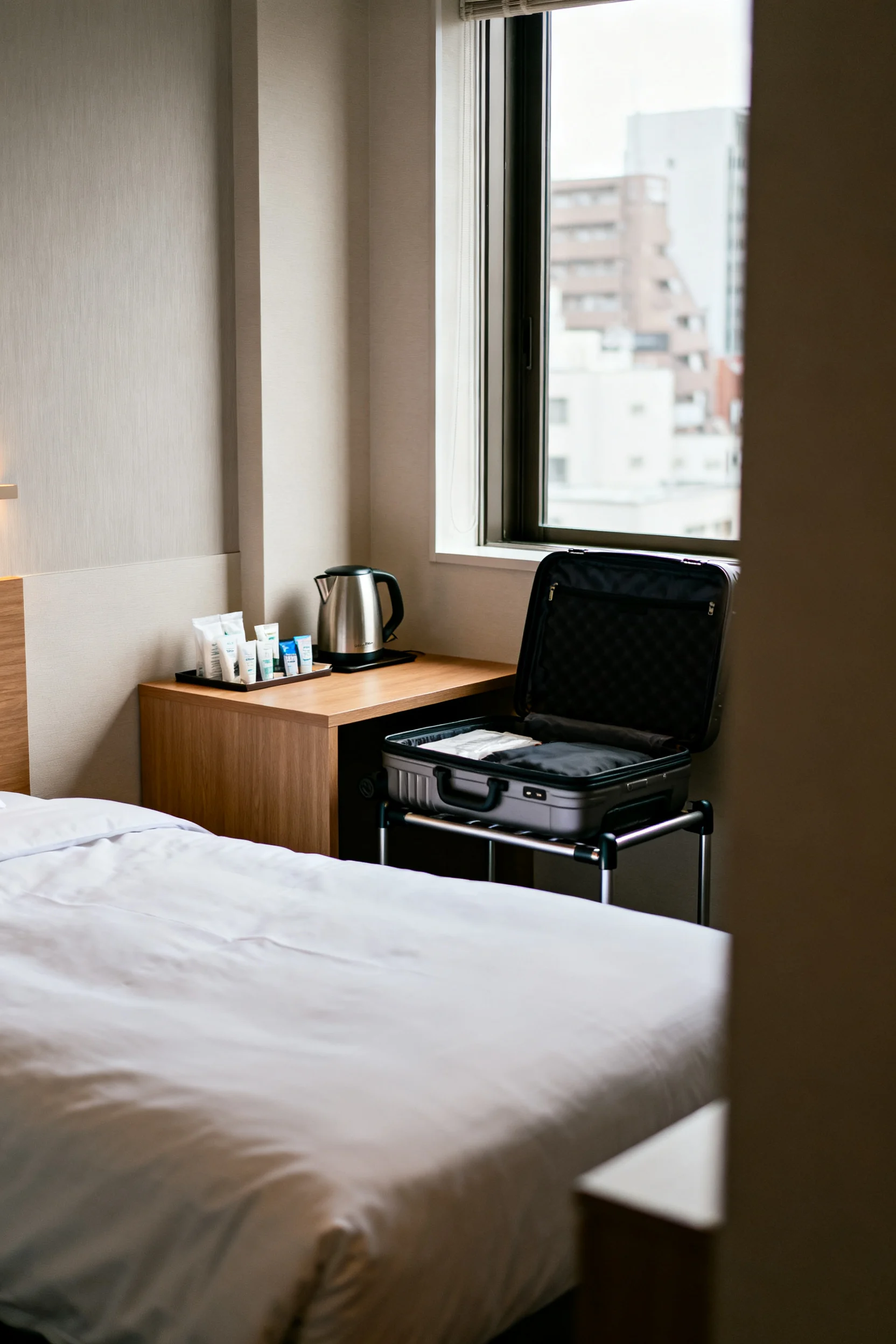
Business hotels are the budget sweet spot: clean, central, and usually include amenities like pajamas and toiletries (less to pack). In Tokyo, consider Ueno, Asakusa, or Ikebukuro for better value; in Kyoto, base near Kyoto Station or along the Karasuma subway line to keep buses to a minimum. If you’re traveling with friends, a small apartment-style stay can be cheaper per person than separate rooms—just confirm check-in hours. Book cancellable rates early, then re-check prices closer to your trip and rebook if it drops.
4) Eat Well Without Overspending (Yes, You Can)
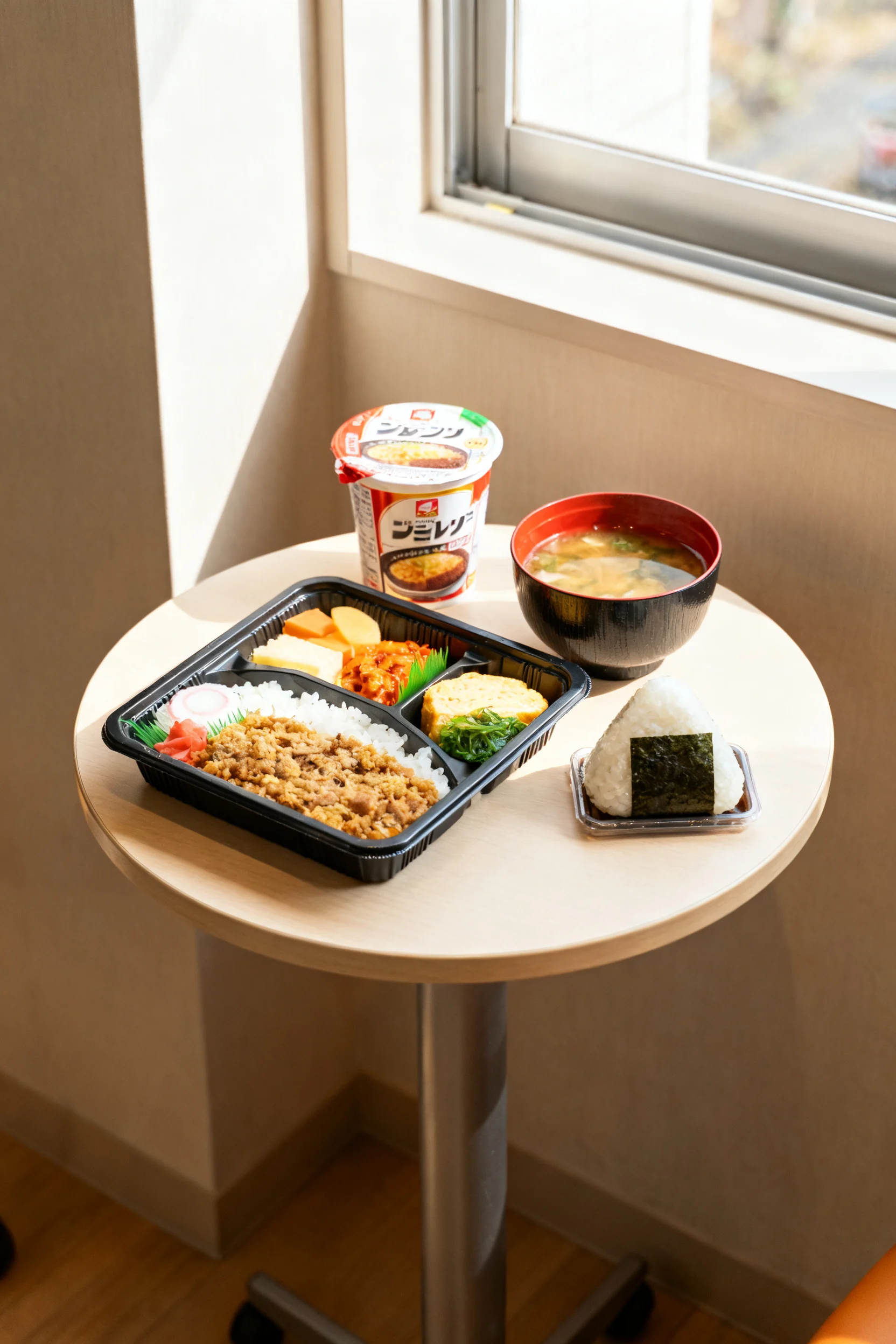
Make lunch your “nice meal” of the day—many restaurants offer set menus for less than dinner, especially for sushi, tempura, and wagyu spots. Convenience stores and depachika (department store food basements) are your budget besties for breakfast and picnic dinners; grab onigiri, salads, and seasonal sweets. When you see a long line, ask yourself if it’s a must-do or just hype—Japan has amazing alternatives two streets over with zero wait. Carry a reusable water bottle; refill stations aren’t everywhere, but buying drinks constantly adds up fast.
5) Plan a Cheap-But-Iconic Itinerary (More Free Views, Fewer Ticket Traps)
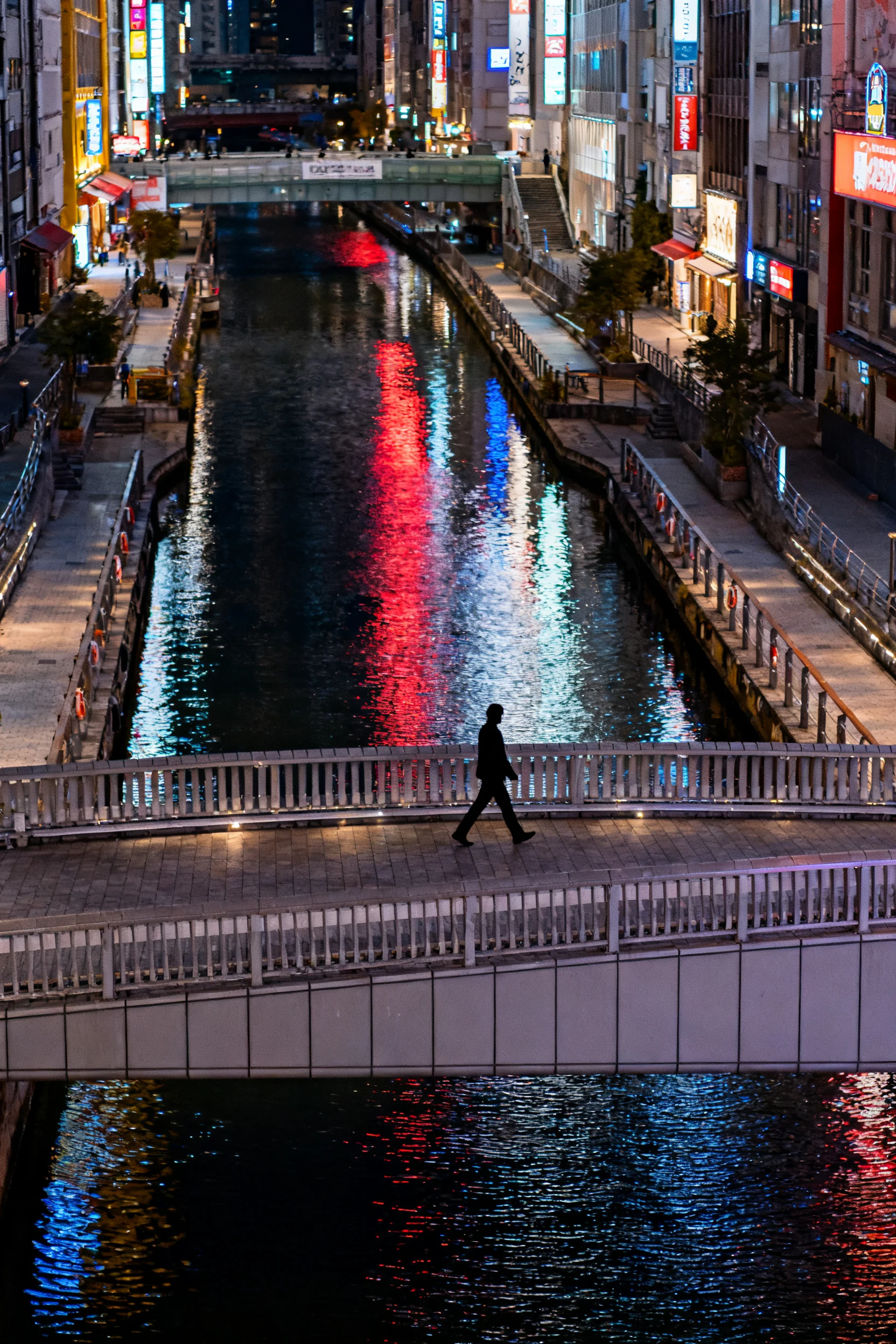
Build your days around neighborhoods, not a checklist of paid attractions—walking districts like Gion, Asakusa, and Dotonbori are high-impact and basically free. Mix one paid highlight with free scenery: a temple morning, then a riverside stroll, then a sunset viewpoint. Look for combo tickets and advance reservations for popular museums and observation decks to avoid peak pricing and sellouts. If you want an onsen experience without a luxury ryokan bill, do a day-use onsen town stop (like Hakone or Beppu areas) and sleep in a nearby budget hotel.
FAQ
How much should I budget per day for Japan?
A solid budget range for first-timers is 10,000–18,000 yen per person per day for mid-budget travel (lodging, local transit, food, and a couple of paid sights). You can go lower with hostels and convenience-store meals, and higher if you add frequent shinkansen rides and nightlife. The biggest variable is accommodation in Tokyo/Kyoto and how many long-distance trips you stack.
Is the Japan Rail Pass worth it?
It’s only worth it for certain fast-paced routes with multiple long shinkansen rides in a short window. If you’re doing Tokyo–Kyoto–Osaka with a couple of nearby day trips, regional passes or single tickets can be cheaper. Price your route in advance, then choose the option that matches your plan instead of buying the pass “just in case.”
What are the cheapest cities or areas to base in?
Osaka is often cheaper than Kyoto for hotels and makes an easy base for Kyoto, Nara, and Kobe. In Tokyo, Ueno, Asakusa, and Ikebukuro regularly beat Shinjuku/Shibuya pricing while still being well-connected. Smaller cities like Fukuoka, Kanazawa, and Hiroshima can feel like better value with great food and fewer crowds.
How far ahead should I book hotels and trains?
For peak seasons (cherry blossom, Golden Week, autumn leaves, New Year), book hotels 3–6 months ahead if you want good locations on a budget. For normal weeks, 4–8 weeks is usually fine for midrange options. Trains don’t require much advance planning unless you’re traveling on major holidays—then reserve seats early to avoid standing or splitting up.
What’s one thing first-timers should skip to save money?
Skip overpacking your itinerary with long-distance jumps—every extra city adds transport cost and time. Instead, choose one main region (Kanto or Kansai) and do day trips; you’ll see more and spend less. Also skip overpriced “internet-famous” restaurants if the line is long—Japan’s quality level is high, and your best meal might be the no-line spot nearby.