
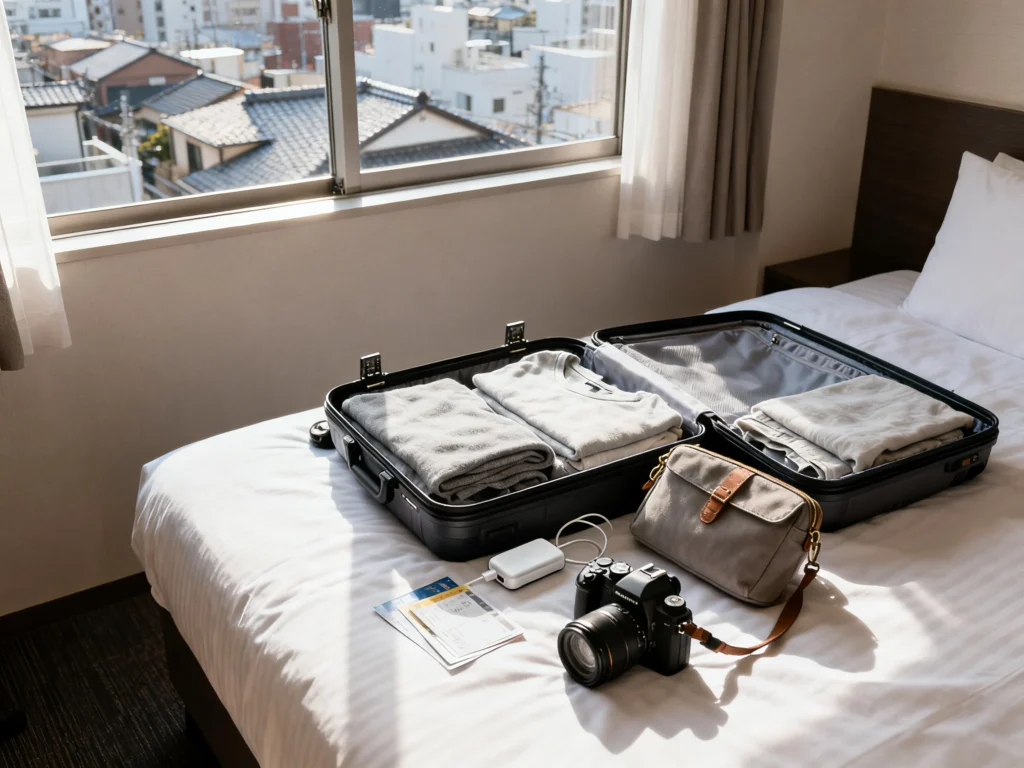
Japan is one of those trips where you’ll walk 20,000 steps before lunch, bounce between climates in the same week, and somehow end up in a tiny ramen shop with zero English signage (in the best way). Packing smart makes the whole thing smoother—less time hunting for basics, more time exploring.
This Japan packing list is built for every type of traveler: city-hopper, onsens-and-nature fan, theme park enthusiast, and first-time visitor who wants zero stress.
Top 5
1) Comfortable, Broken-In Walking Shoes
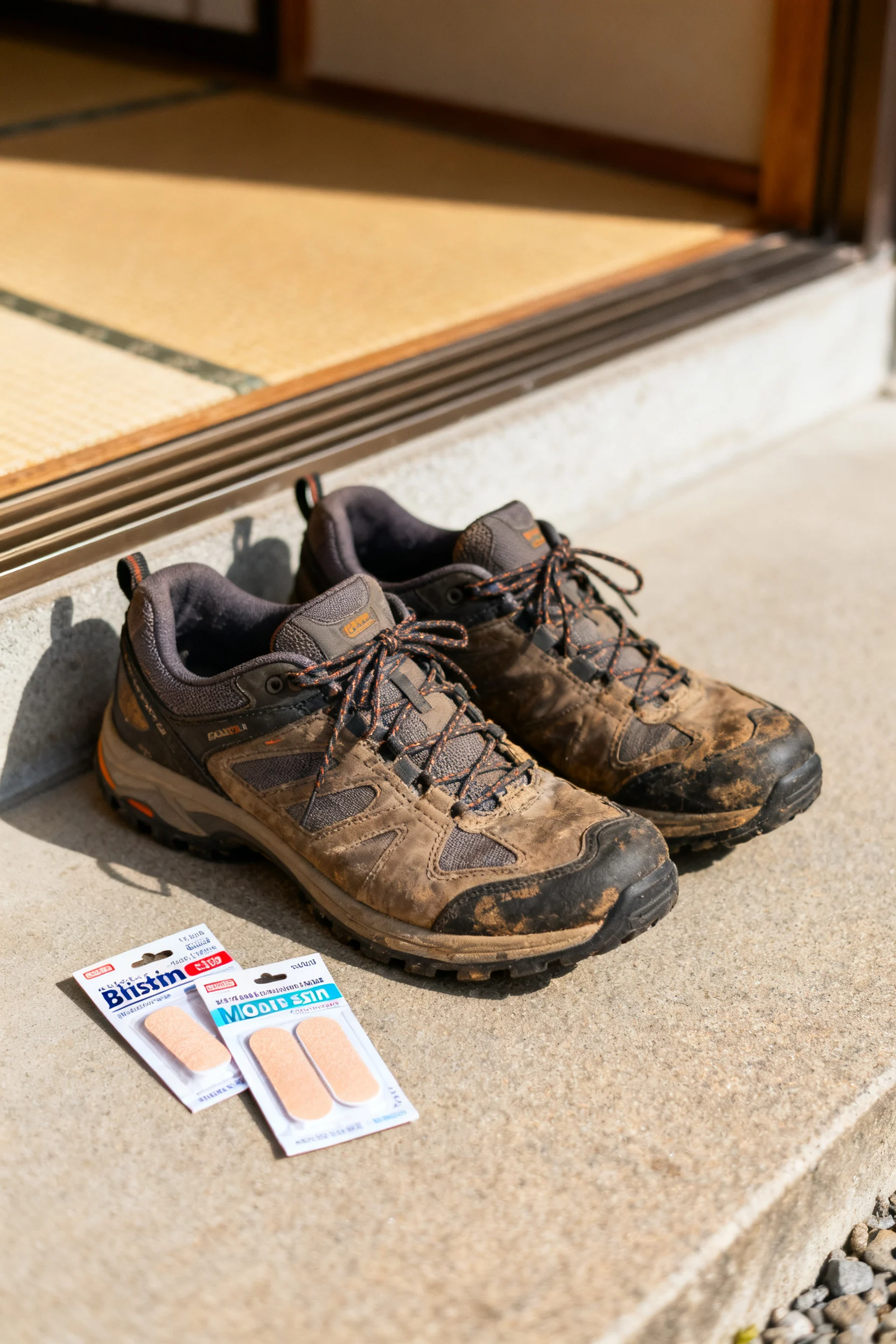
You will walk a lot in Japan—train stations, underground corridors, temple paths, and neighborhood wandering add up fast. Bring shoes you’ve already worn on long days (not brand-new), and pack blister patches just in case. If you’re visiting in rainy season (June–July) or winter, consider water-resistant sneakers. Bonus tip: choose shoes that slip on easily for traditional spots where you may remove them.
2) Lightweight Layers (Plus One “Nice” Outfit)
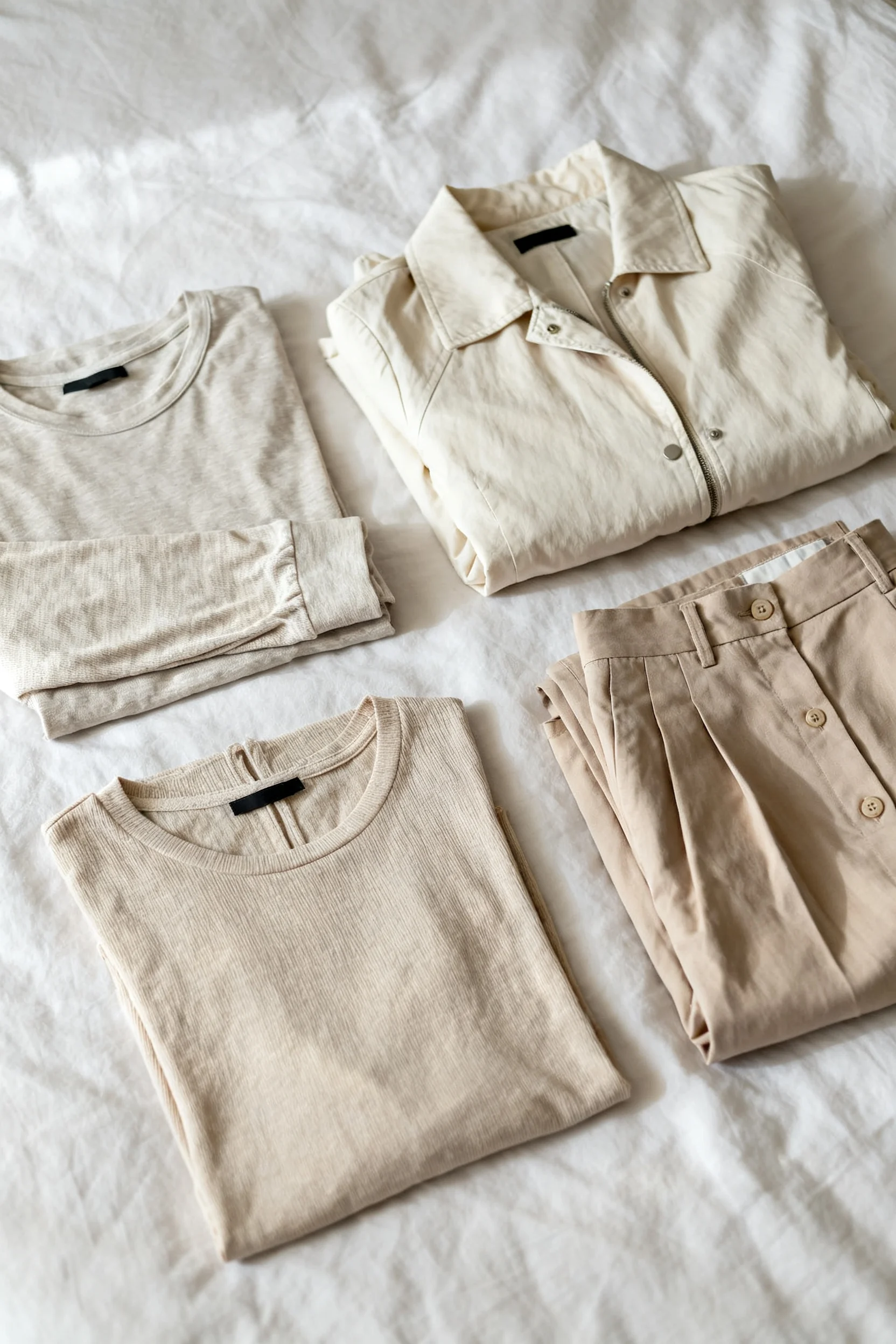
Japan’s indoor/outdoor temperature swings are real: chilly trains, warm shopping malls, and cool evenings even in spring and fall. Pack breathable basics you can layer—tee, long-sleeve, and a light jacket—so you’re comfortable from Tokyo mornings to Kyoto nights. Add one nicer outfit for rooftop bars, omakase dinners, or a photo-friendly evening in Ginza, Shinjuku, or Namba. If you’re heading north (Sapporo) or into the mountains (Hakone, Nikko), upgrade your outer layer accordingly.
3) A Small Day Bag + Coin Pouch
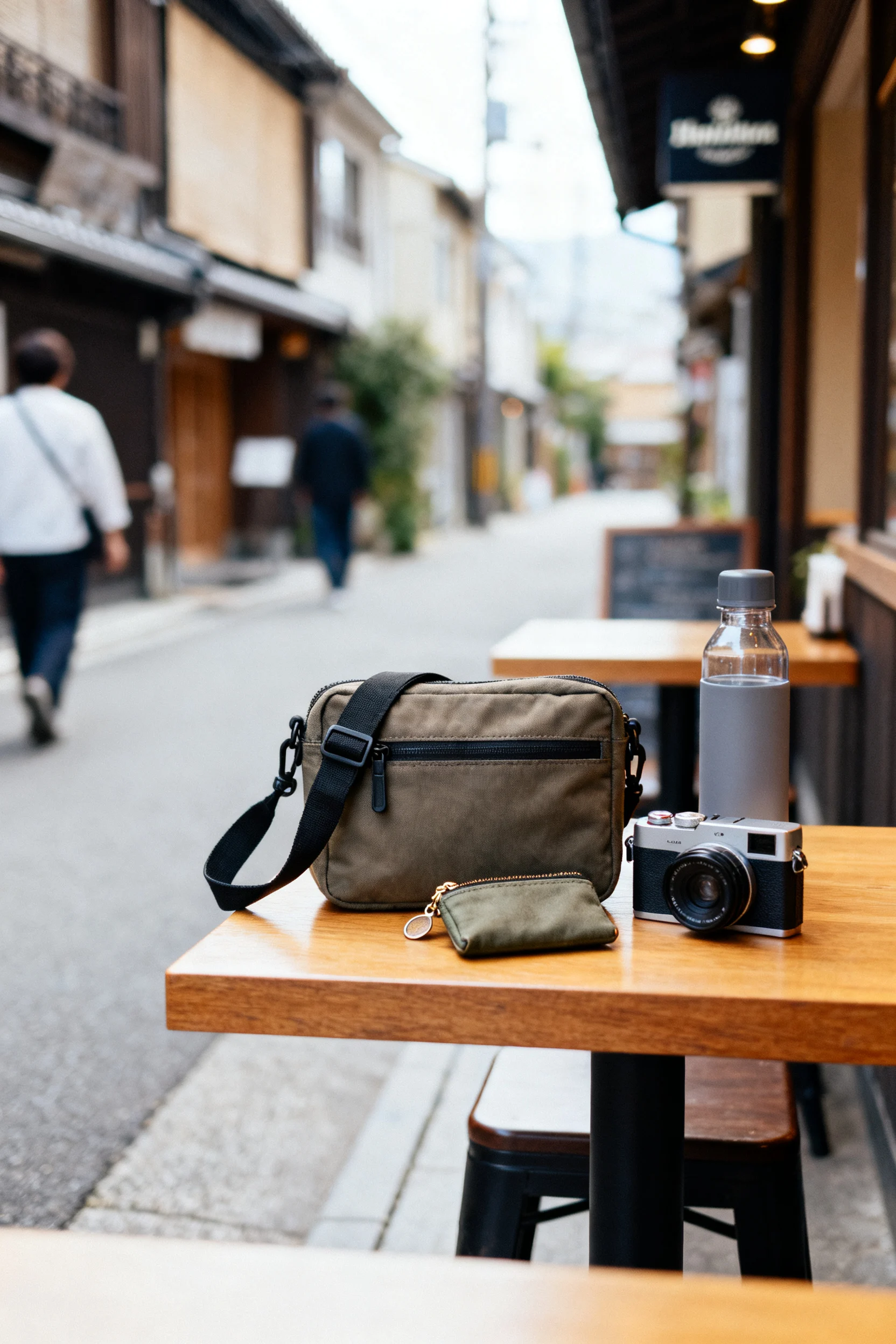
A compact crossbody or small backpack is perfect for carrying a water bottle, snack, camera, and your trash until you find a bin (they’re not everywhere). Japan still uses coins a lot—especially for vending machines, shrines, lockers, and smaller eateries—so a coin pouch saves you from pocket chaos. If you plan to shop, pick a bag that zips fully and sits close to your body on crowded trains. For station days, choose something that fits your passport and a portable charger without turning into a bulky carry-all.
4) Power + Connectivity Kit (Adapter, Charger, Offline Backup)
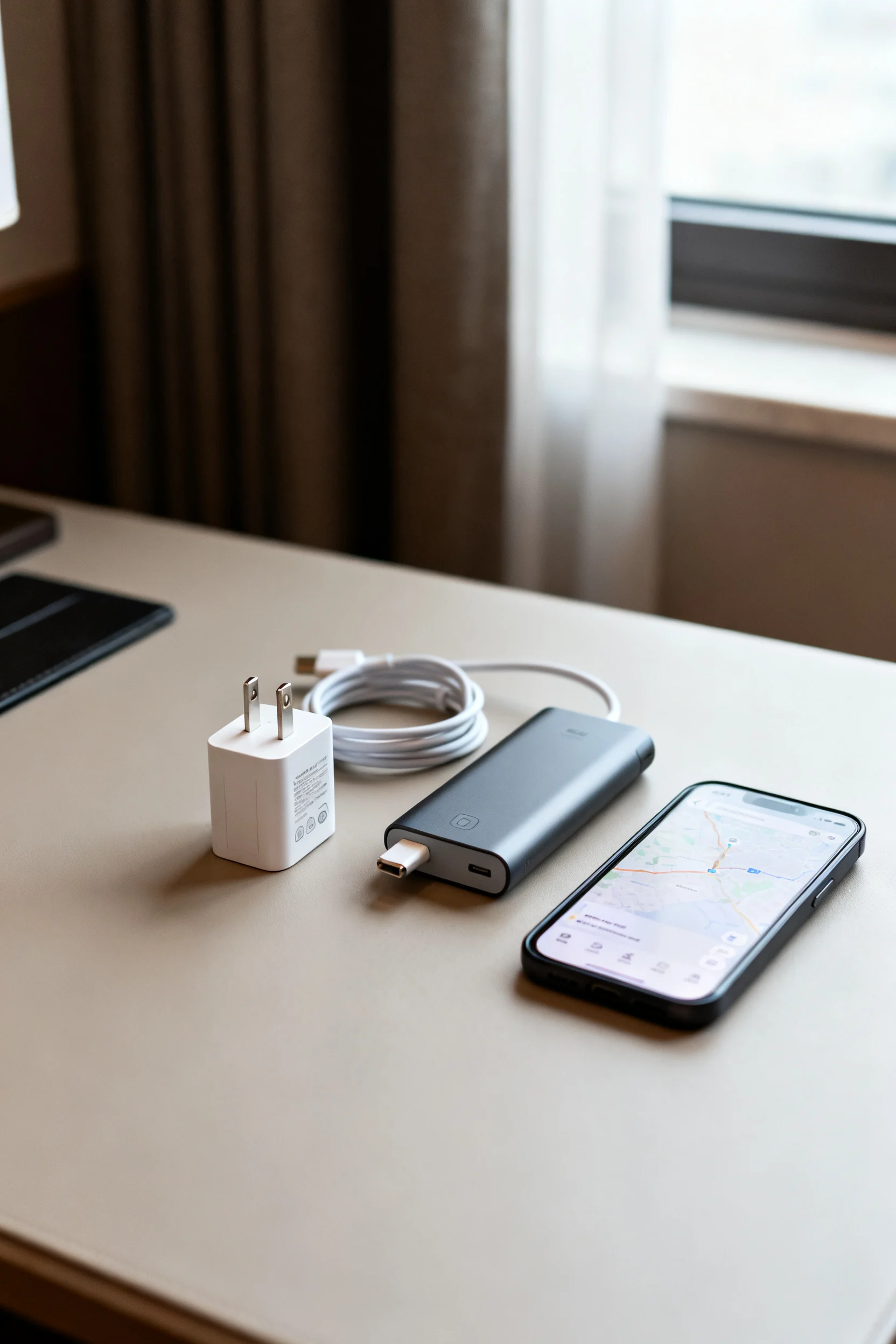
Bring a Type A plug adapter (the flat two-pin style) and a portable charger—you’ll be navigating, translating, and taking photos all day. For connectivity, decide between an eSIM, pocket Wi-Fi, or a local SIM; eSIM is the easiest if your phone supports it, while pocket Wi-Fi is great for groups. Download offline maps for Tokyo, Kyoto, and Osaka before you land, and save your hotel addresses in Japanese for taxi or check-in moments. If you’re taking the Shinkansen often, a long cable is underrated for charging from awkward seat outlets.
5) Cash + Key Travel Documents (Organized, Not Overpacked)
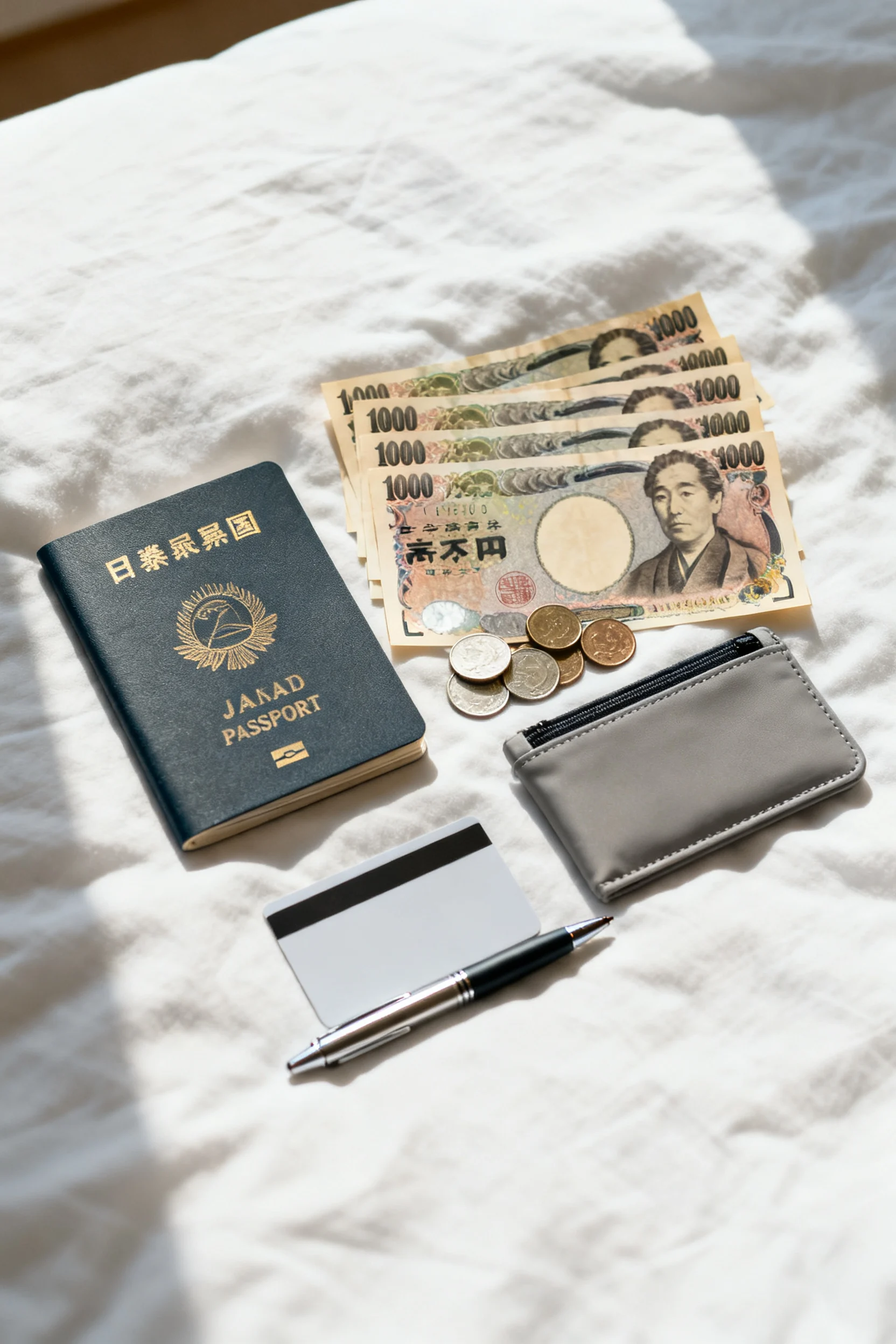
Japan is increasingly card-friendly, but you’ll still want cash for smaller restaurants, market stalls, temple donations, and rural areas. Use an ATM at 7-Eleven or Japan Post for reliable withdrawals, and keep a small daily-carry amount separate from your main stash. Pack your passport (required for tax-free shopping), travel insurance details, and any booking confirmations for trains or attractions. If you’re doing multiple cities, keep everything in one slim document wallet so you’re not digging through your bag at ticket gates.
FAQ
Do I need to pack a lot of cash for Japan?
In big cities, you can use cards in most hotels, department stores, and many restaurants, but cash is still common for smaller spots, street food, shrines, and countryside travel. Plan to carry enough for one day (plus a little buffer) and withdraw as needed from 7-Eleven or Japan Post ATMs. Keeping coins organized makes transit days and vending machines much easier.
What should I wear to temples and shrines?
Go for comfortable, modest basics: covered shoulders and mid-thigh-or-longer bottoms are a safe default, especially in more traditional areas. You’ll often walk on gravel or stairs, so prioritize supportive shoes. Also, have socks that are easy to slip on if you’ll enter places that require shoe removal.
What’s the best bag for Japan—backpack or crossbody?
For city travel, a small crossbody or compact backpack with a secure zipper is ideal for crowded trains and busy shopping streets. If you’re prone to overpacking your day bag, go smaller—you’ll thank yourself after a full day in Shibuya, Umeda, or near Kyoto Station. For longer transfers, pair a day bag with a carry-on suitcase and use station lockers when needed.
Do I need a special adapter or voltage converter?
Most travelers only need a Type A adapter (two flat pins). Japan runs on 100V, which is slightly lower than North America but usually fine for modern phone and laptop chargers; check your device label for “100–240V.” High-heat tools like some hair appliances can be tricky, so consider buying or renting locally if you’re unsure.
What should I pack for Japan in different seasons?
Spring and fall are layer seasons—pack light jackets and breathable pieces for variable days. Summer is hot and humid, so bring quick-dry clothing and consider a small towel; rainy season calls for a packable rain jacket. Winter can be chilly, especially in Kyoto evenings and anywhere north or mountainous, so pack a warmer coat and heat-tech style base layers.