
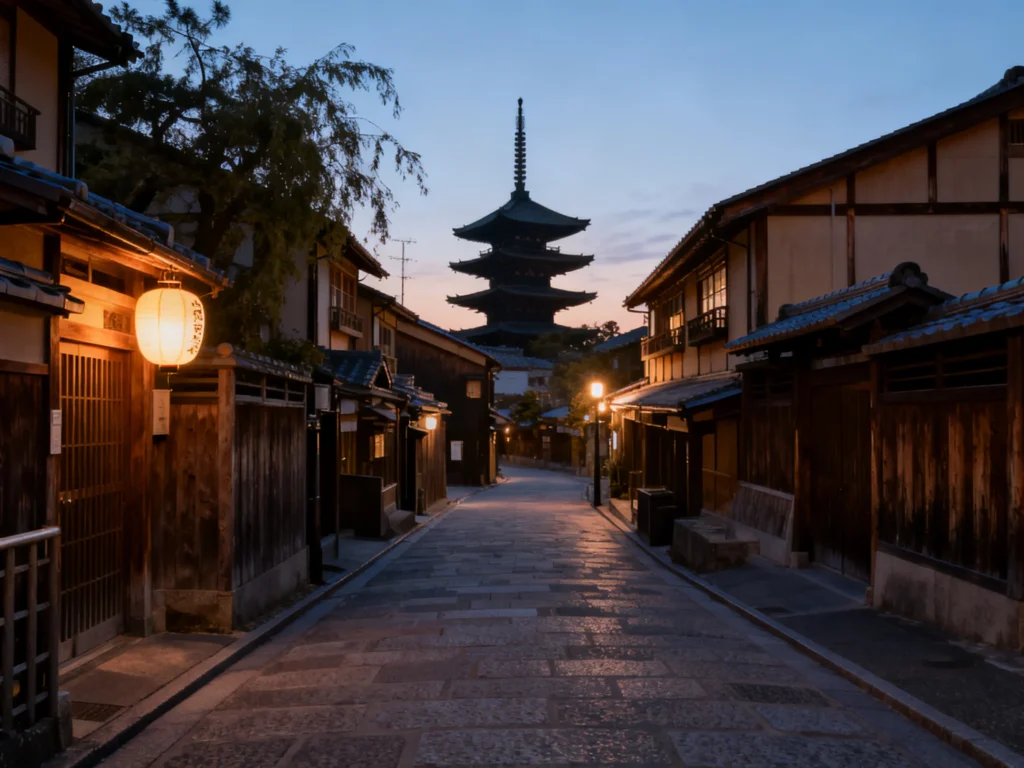
Planning your first trip to Japan can feel like trying to pick one snack in a convenience store: everything looks iconic. The good news is Japan is super first-timer friendly once you know a few basics—where to base yourself, what to book early, and how to move around without stress.
This guide keeps it simple and practical, with five moves that’ll make your first Japan trip smoother, cheaper, and way more fun.
Top 5
1) Choose Two Bases: Tokyo + Kyoto (Then Add One Day Trip)
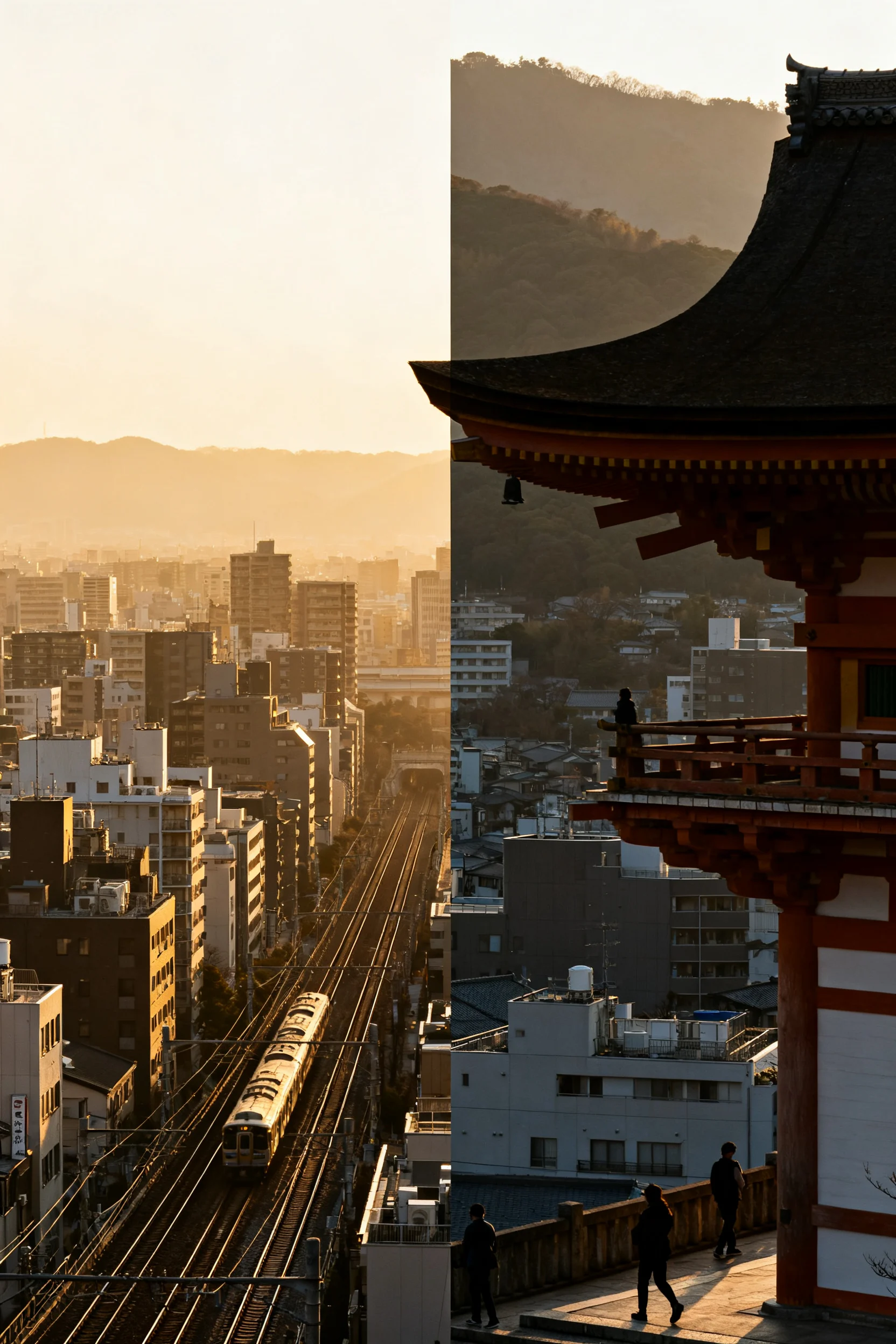
For a first visit, split your time between Tokyo (modern, neighborhoods, food) and Kyoto (temples, traditional streets), then add one easy day trip like Nara, Hakone, or Kamakura. Stay near major train lines to save time: in Tokyo, look at Shinjuku, Shibuya, Ueno, or Tokyo Station; in Kyoto, aim for Kyoto Station, Gion/Shijo, or near Karasuma. Build your days by neighborhood to avoid zig-zagging across the city. If you want one “wow” ryokan night, book Hakone or Kawaguchiko early—those rooms go fast.
2) Get Around Smart: IC Card + Bullet Train Strategy
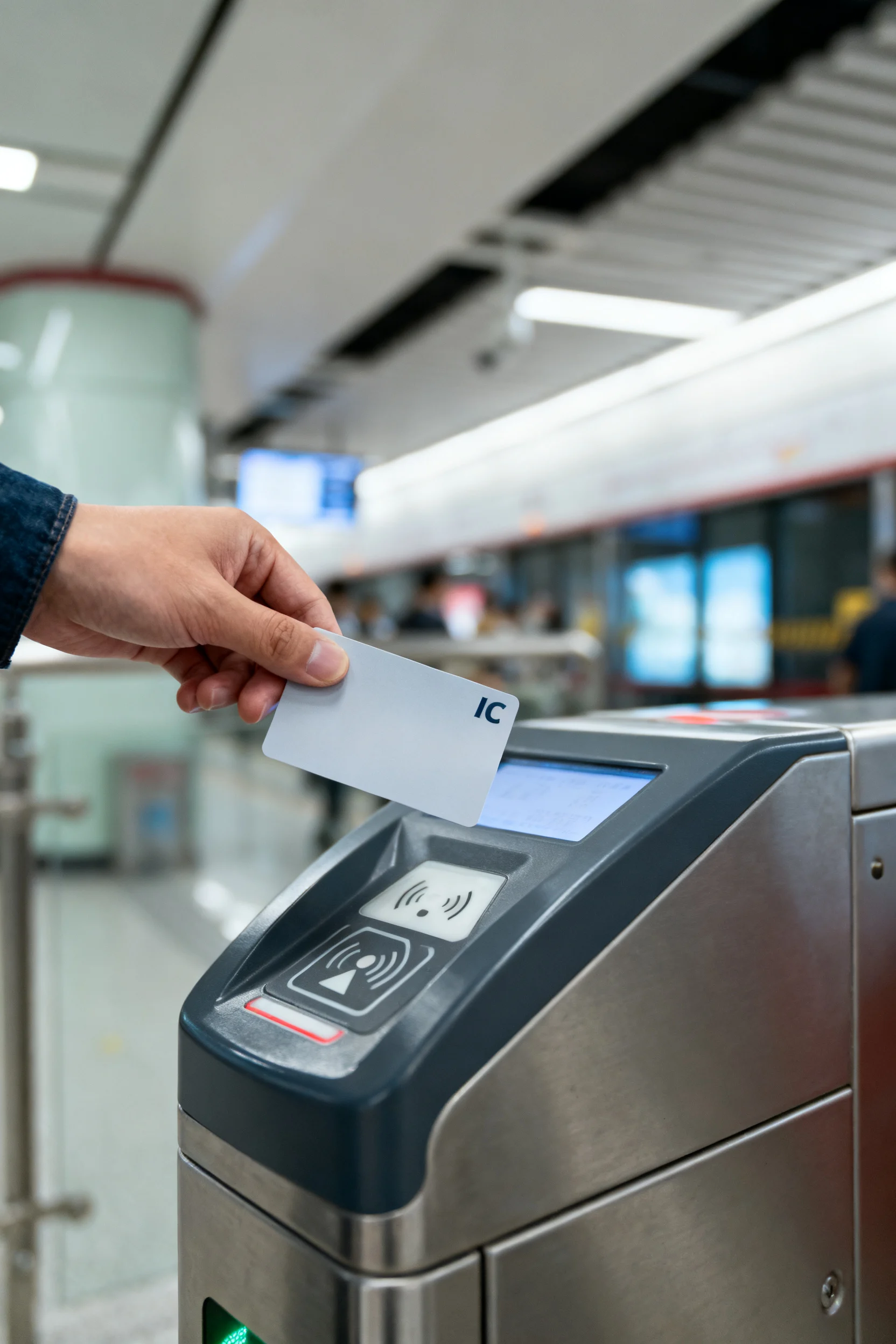
Grab an IC card (Suica, PASMO, or ICOCA) as soon as you land—this is your tap-and-go pass for trains, subways, buses, and even convenience stores. If you’re doing Tokyo–Kyoto/Osaka and maybe one more long ride, compare point-to-point Shinkansen tickets versus a rail pass; many first-timers save money by skipping the nationwide pass and booking individual rides. Reserve Shinkansen seats if you’re traveling with luggage or during peak times (weekends, holidays). Pack light if possible: station stairs exist, and smaller luggage is a major quality-of-life upgrade.
3) Book These in Advance (And Know What You Can Wing)
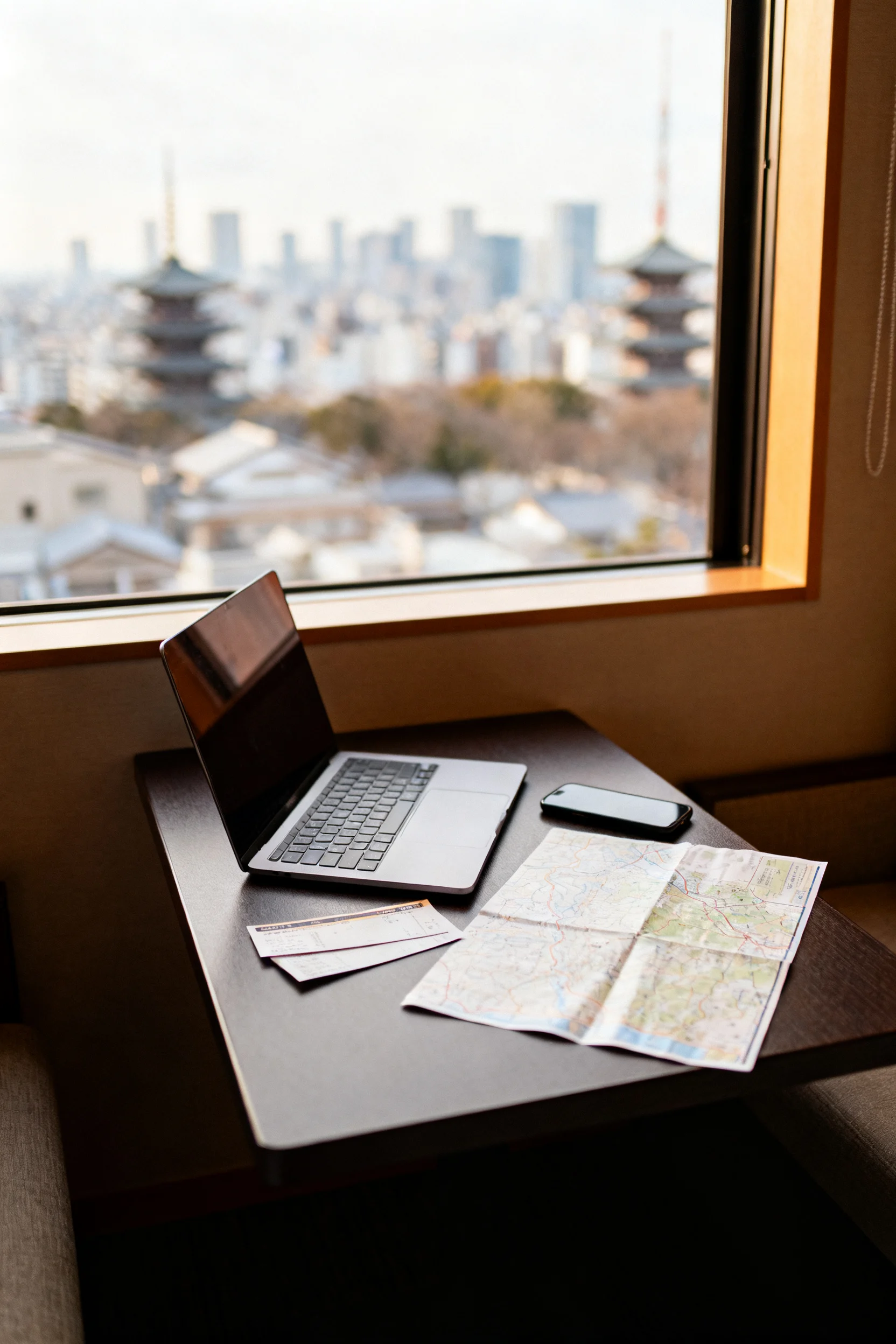
Lock in anything with limited capacity: popular museums, theme parks, and special experiences like Ghibli-related options, teamLab, and certain observatories. If you want a nice dinner (sushi omakase, wagyu, kaiseki), make reservations—some places don’t do walk-ins, and others require a concierge-style booking. You can usually wing everyday meals, casual ramen, and coffee spots, especially if you’re okay waiting 15–30 minutes. For flexibility, plan one “anchor” booking per day and keep the rest as wander time.
4) Learn the Convenience + Etiquette Cheats That Make Everything Easier
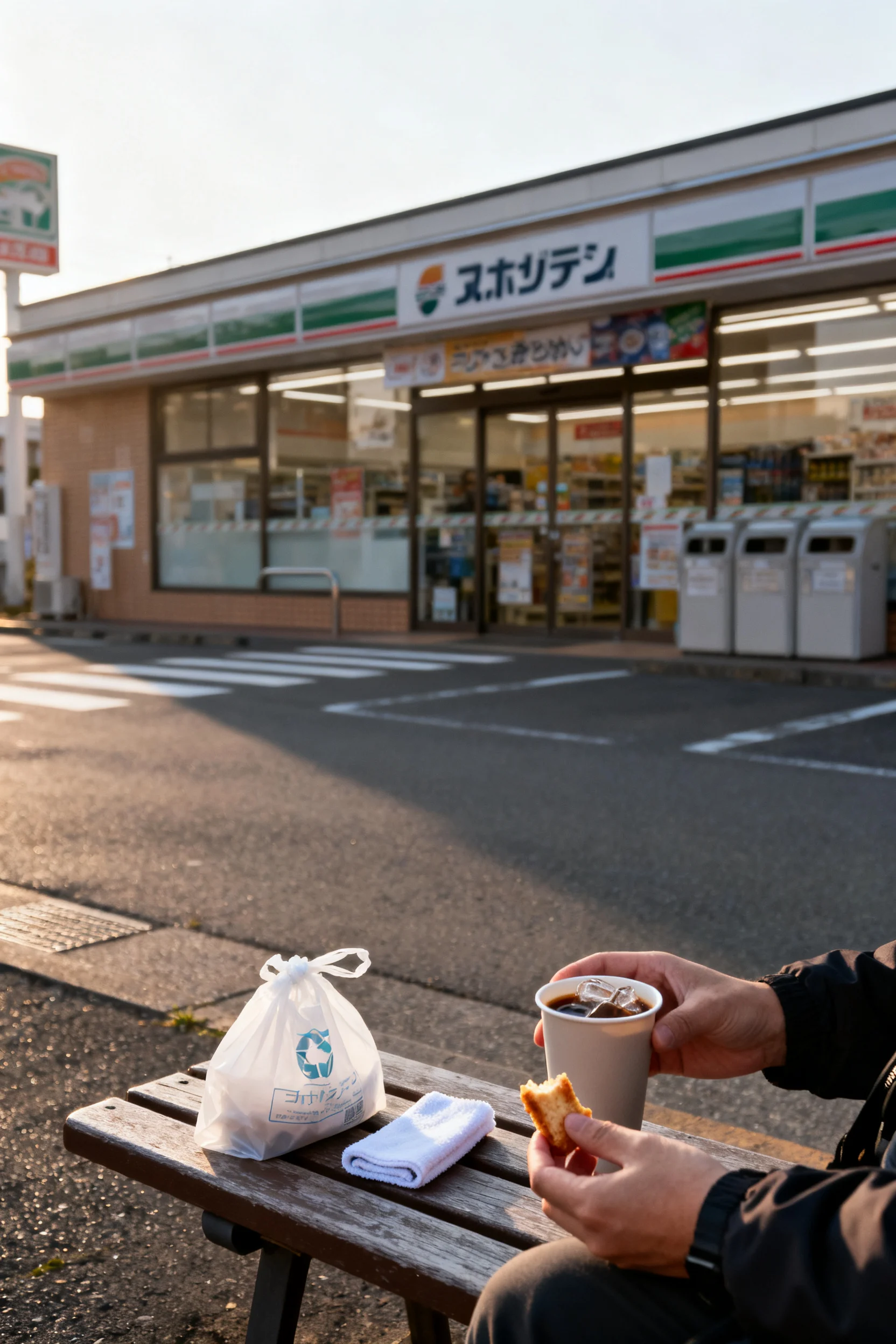
Convenience stores (7-Eleven, Lawson, FamilyMart) are your secret weapon for quick breakfasts, snacks, and surprisingly good iced coffee—perfect for early temple mornings. Carry a small trash bag and a coin pouch; bins are scarce, and coins add up fast. In trains, keep your voice low and your phone on silent, and save eating-on-the-go for parks or designated areas. When in doubt, follow the flow: Japan is big on lines, signage, and quiet efficiency, and leaning into that makes travel feel effortless.
5) Pack for Weather + Walking (And Don’t Skip Travel Insurance)
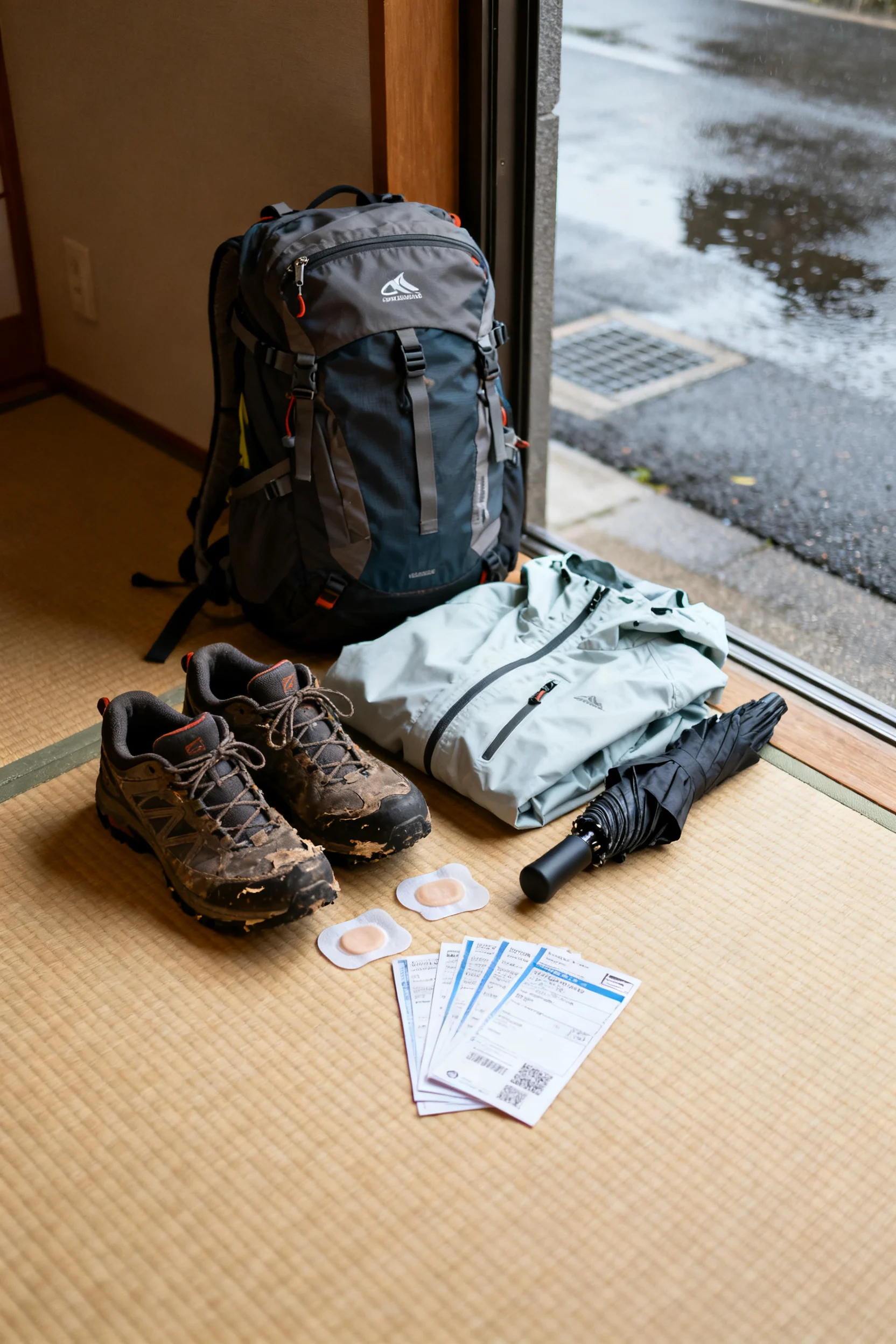
You’ll walk more than you think, so bring broken-in shoes and blister patches—temple steps and station transfers are real. Japan’s weather swings by season: summer is hot and humid (pack a small towel and breathable clothes), winter can be crisp (layers), and spring/fall are ideal but still unpredictable. A lightweight day bag, a portable charger, and a refillable bottle will get used daily. Don’t skip travel insurance, especially if you’re doing any hiking, skiing, or you’re booking nonrefundable stays.
FAQ
How many days do first-time visitors need in Japan?
Seven to ten days is a sweet spot for Tokyo + Kyoto with one or two day trips. If you have 14 days, you can add Osaka, Hiroshima/Miyajima, or a countryside area like Kanazawa or Takayama without rushing. Fewer than 7 days? Pick one base (Tokyo or Kyoto/Osaka) and do day trips.
Do I need cash in Japan?
Yes, but not a ton—think cash for smaller restaurants, local buses, temple fees, and some markets. Cards are widely accepted in cities, and IC cards cover a lot of transit and small purchases. Use ATMs at 7-Eleven for reliable withdrawals.
Should I buy the Japan Rail Pass?
It depends on your route. If you’re only doing Tokyo–Kyoto/Osaka round-trip, individual Shinkansen tickets are often a better deal. The pass can make sense if you’re stacking multiple long-distance rides (for example: Tokyo, Kyoto, Hiroshima, then back to Tokyo). Price it out before you buy, and remember some trains require reservations even with a pass.
What’s the easiest way to stay connected (SIM vs eSIM vs pocket Wi‑Fi)?
For most first-timers, an eSIM is the easiest if your phone supports it—quick setup and no extra device to charge. A physical SIM works great too if you prefer something simple. Pocket Wi‑Fi is best for groups who want to share data, but it’s one more item to carry and keep charged.
What are the biggest first-timer mistakes to avoid?
Overpacking your itinerary, staying far from train lines, and dragging huge luggage through stations are the top ones. Also, don’t underestimate jet lag—plan a lighter first day and save your “must-do” for day two. Finally, avoid bouncing hotels every night; fewer bases means more time actually enjoying Japan.