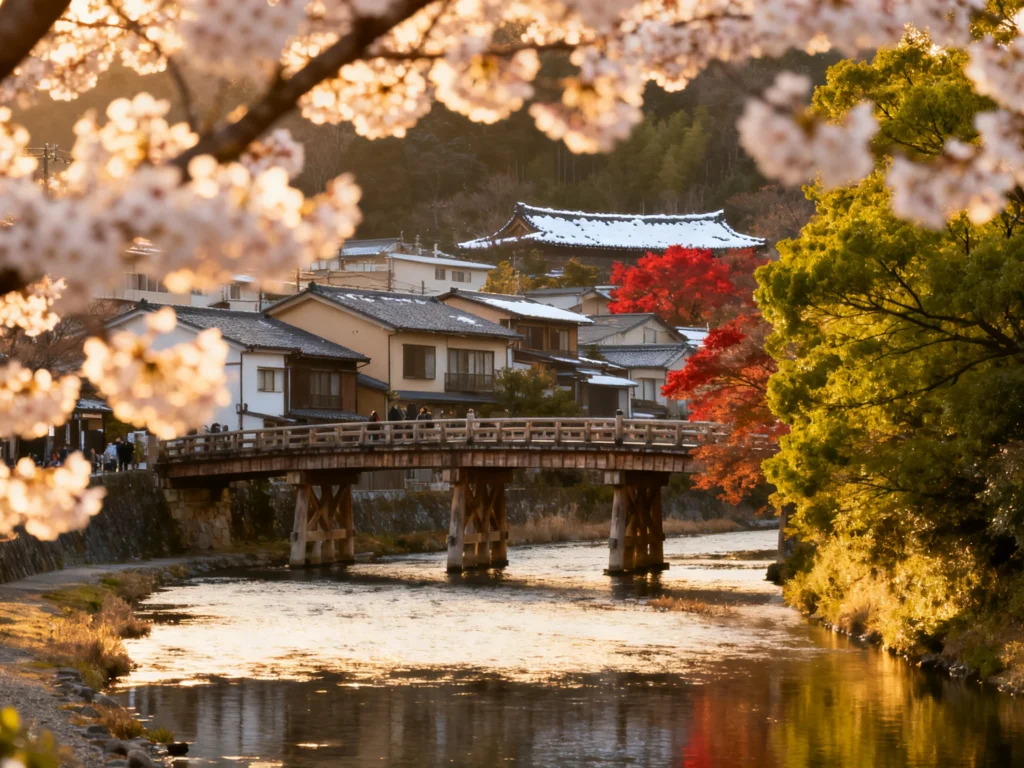
Japan hits differently in every season—like four totally different trips in one country. Whether you want cherry blossoms, beach days, cozy onsens, or neon city nights with a crisp winter vibe, timing is everything.
Here’s what to expect across the year, plus how to plan smart: what to book early, what to pack, and what to skip so your first Japan trip feels effortless.
Top 5
1) Spring (March–May): Cherry Blossoms + Peak Energy
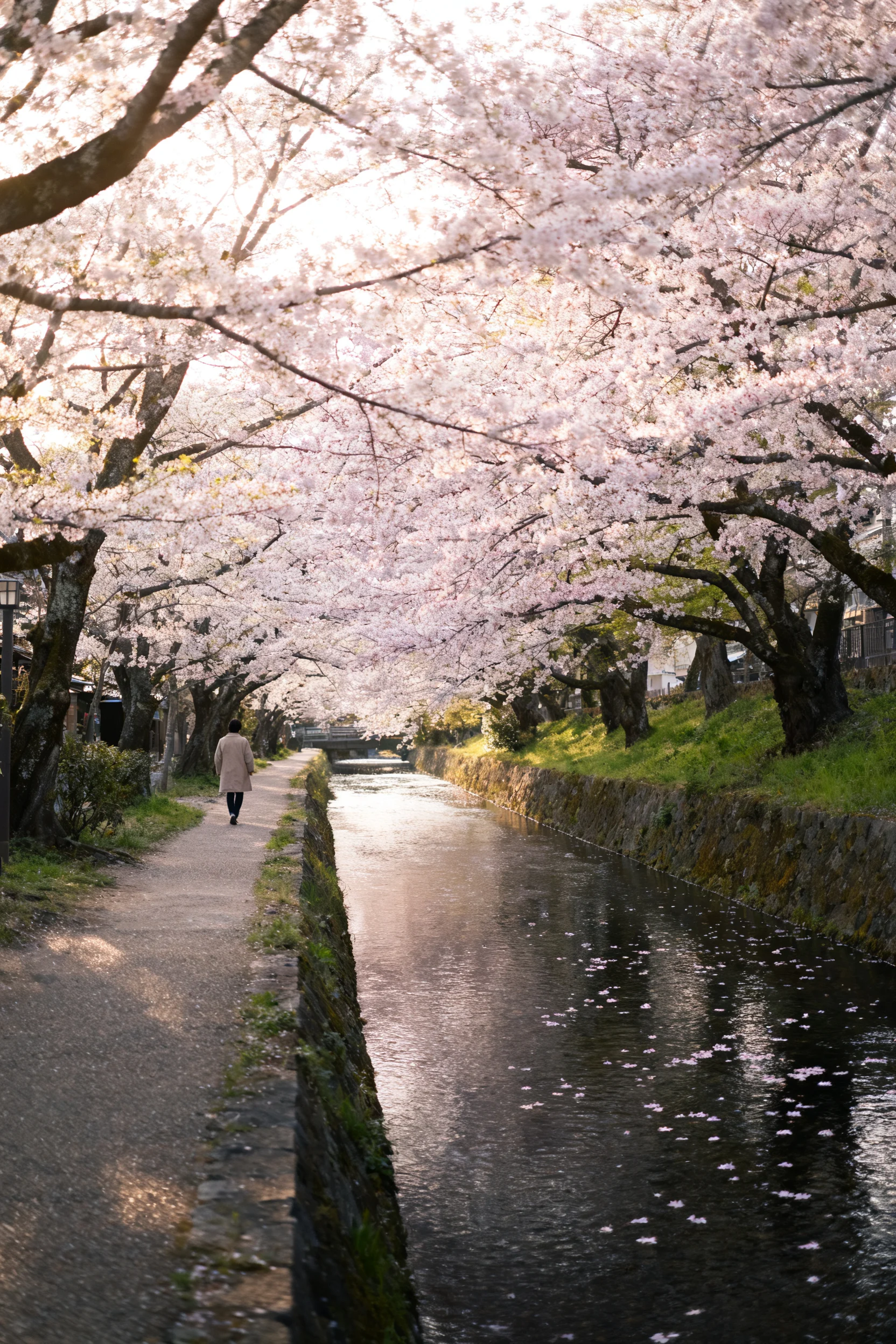
Spring is iconic for sakura, but it’s also one of the busiest times—book hotels and Shinkansen-heavy routes early (especially late March to early April in Tokyo/Kyoto/Osaka). Pack layers: mornings and nights can be chilly, while afternoons feel mild and sunny. For blossoms without maximum crowds, consider Kanazawa, Okayama (Korakuen Garden), or Hirosaki in Aomori if you can head north. Reserve popular experiences (tea ceremony in Kyoto, teamLab in Tokyo, Ghibli Museum if it’s on your list) weeks ahead.
2) Early Summer + Rainy Season (June–mid July): Hydrangeas and Fewer Tour Groups
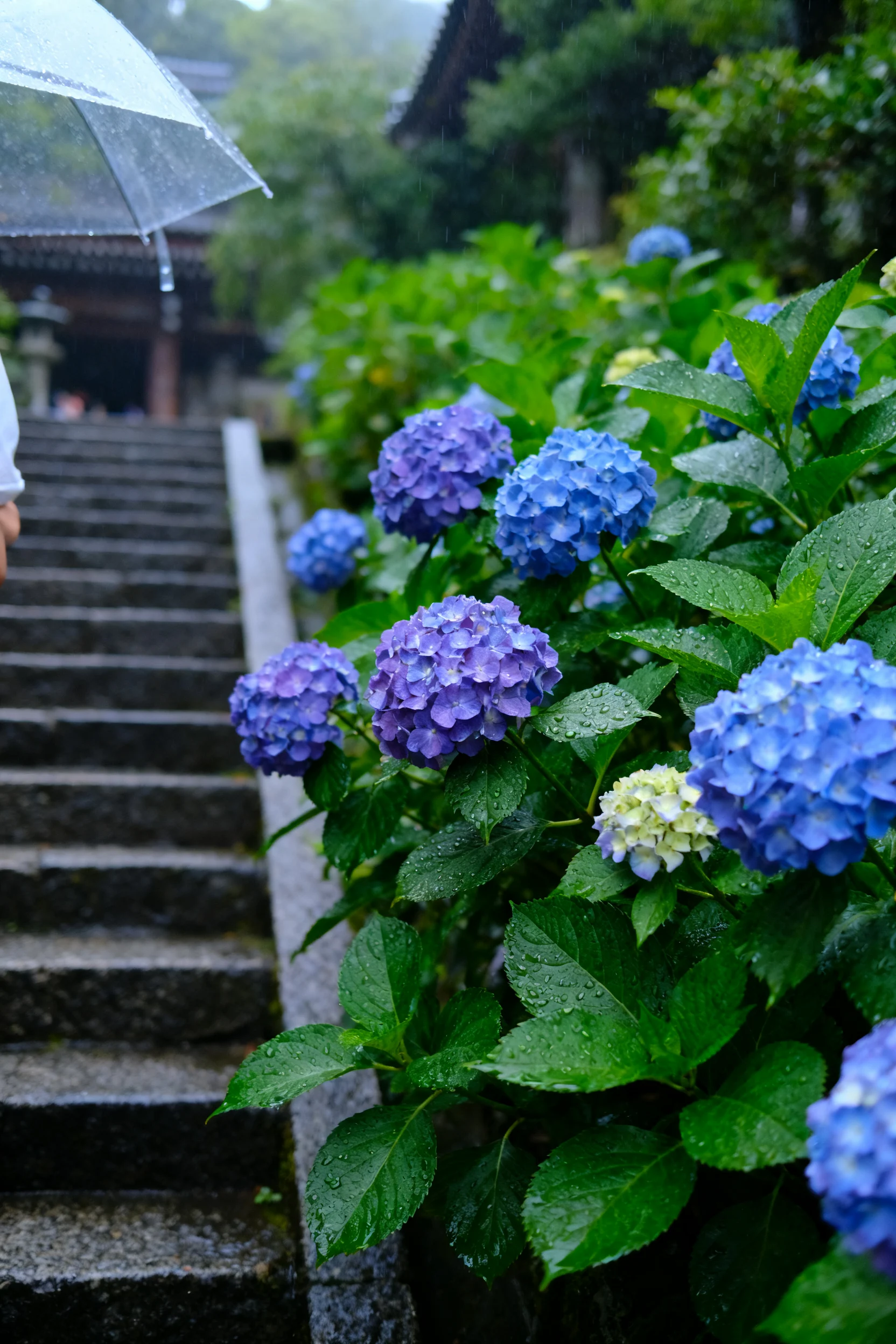
June brings tsuyu (rainy season) in much of Japan—expect humid days, quick downpours, and lush scenery that looks extra vibrant in photos. Bring a compact umbrella, quick-dry clothes, and waterproof shoes; you’ll still walk a lot. This is a great time for temple gardens, museums, and food-focused neighborhoods like Osaka’s Dotonbori or Tokyo’s Asakusa when you want indoor breaks. If you’d rather dodge the rain, aim for Hokkaido in June, where it’s cooler and less affected.
3) High Summer (mid July–August): Festivals, Fireworks, and Serious Heat
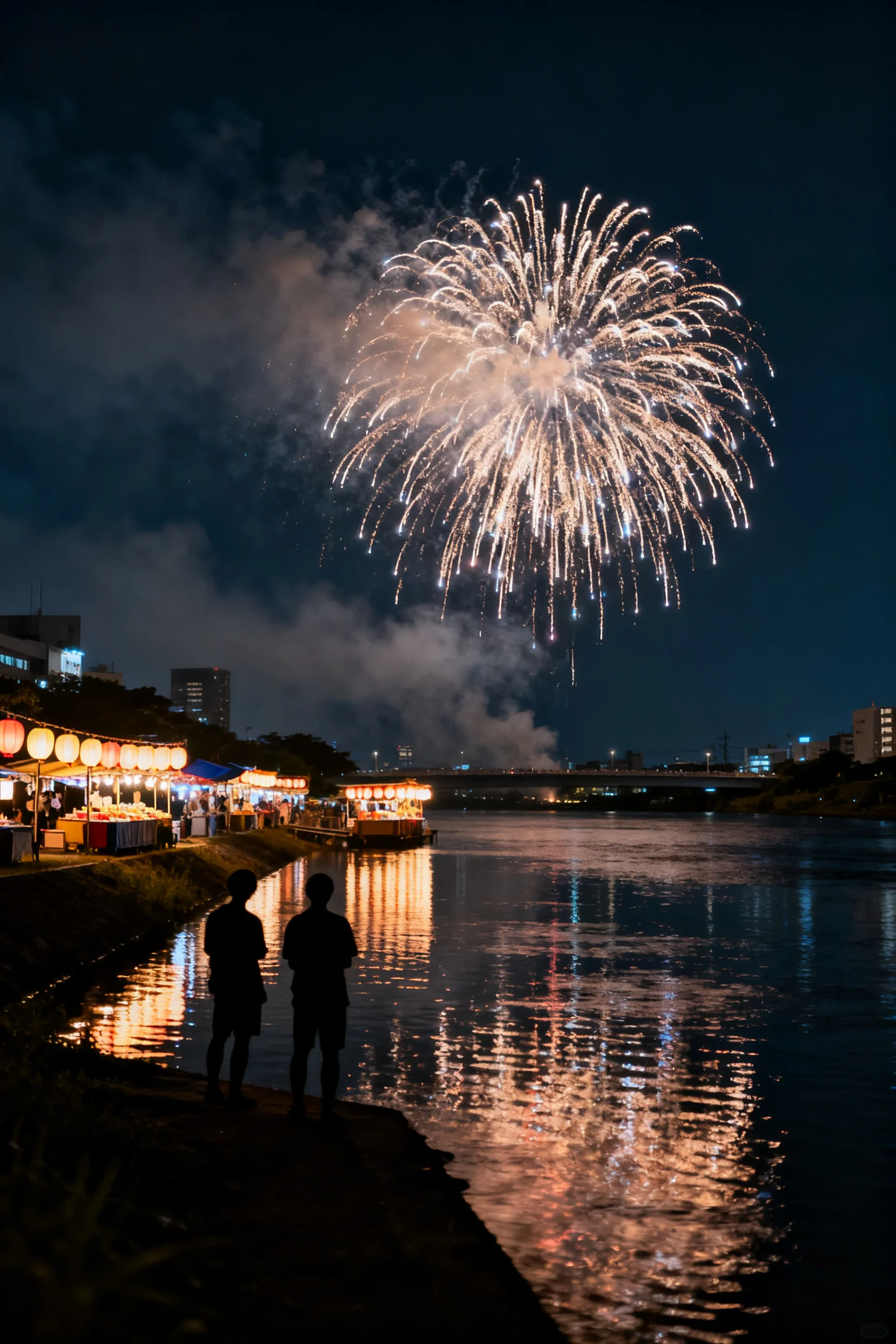
Summer is festival season (think Gion Matsuri in Kyoto and massive fireworks along Tokyo rivers), but it’s hot and humid—plan early mornings, long lunch breaks, and evening sightseeing. Book accommodations near major stations so you can hop on trains quickly instead of melting on long walks; neighborhoods like Shinjuku/Shibuya (Tokyo) or near Kyoto Station can save time. Pack breathable fabrics, a hat, sunscreen, and a small towel (you’ll fit right in—locals carry them too). If you’re chasing beaches, look at Okinawa or the Izu Peninsula, and remember typhoon season can cause last-minute changes.
4) Autumn (September–November): Best Weather + Fall Colors
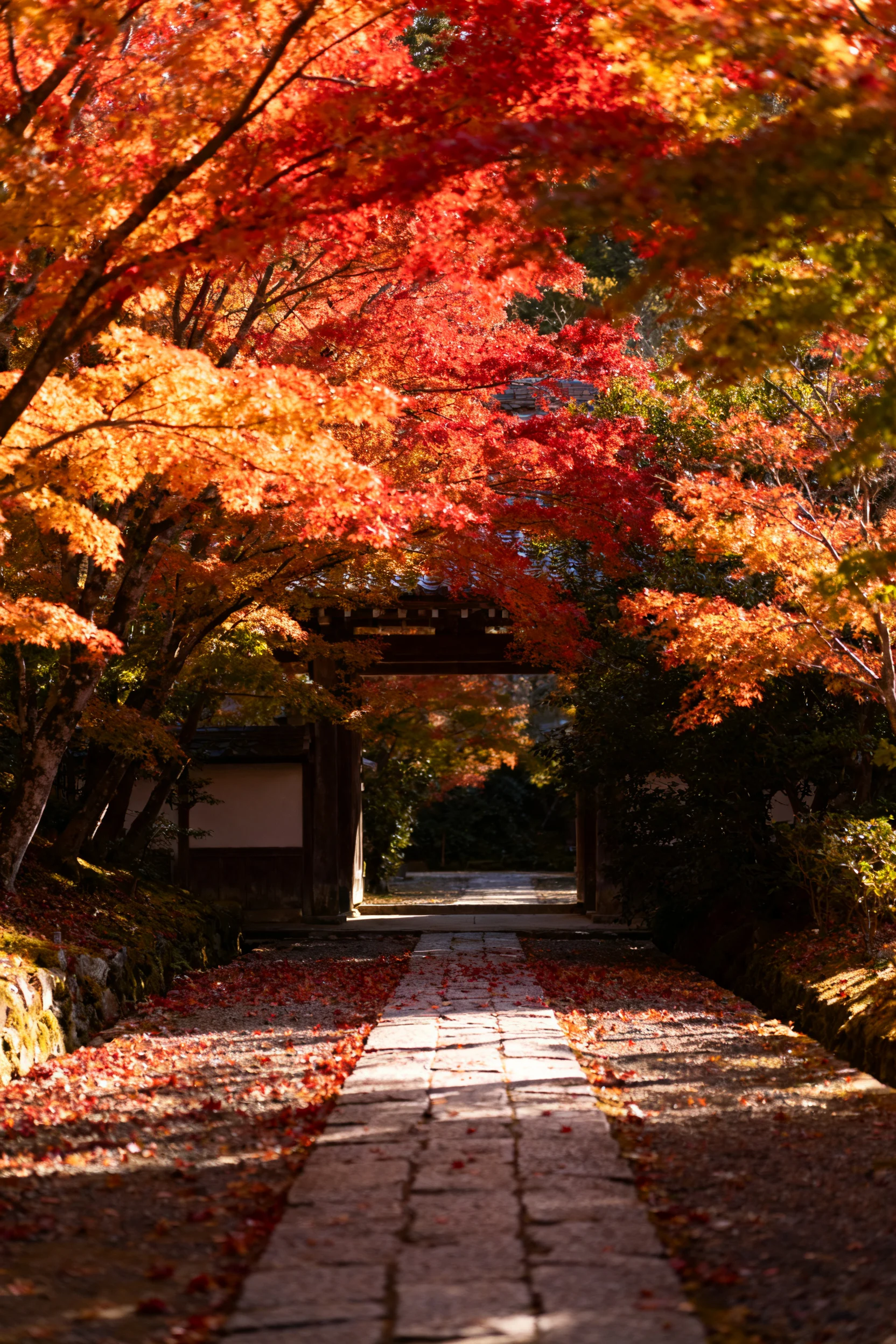
Autumn is the sweet spot: comfortable temps, clear days, and stunning momiji (fall foliage), especially from late October into November depending on the region. It’s ideal for city-and-nature combos—do Tokyo first, then tack on Hakone or Nikko, or base in Kyoto and add a day trip to Nara or Arashiyama early in the morning. Book foliage-hotels and scenic trains (like routes in Kyoto or the Kurobe Gorge area) ahead once color forecasts start trending. Pack light layers and comfortable walking shoes—you’ll want to stay outside all day.
5) Winter (December–February): Onsens, Snow Trips, and Clear City Views
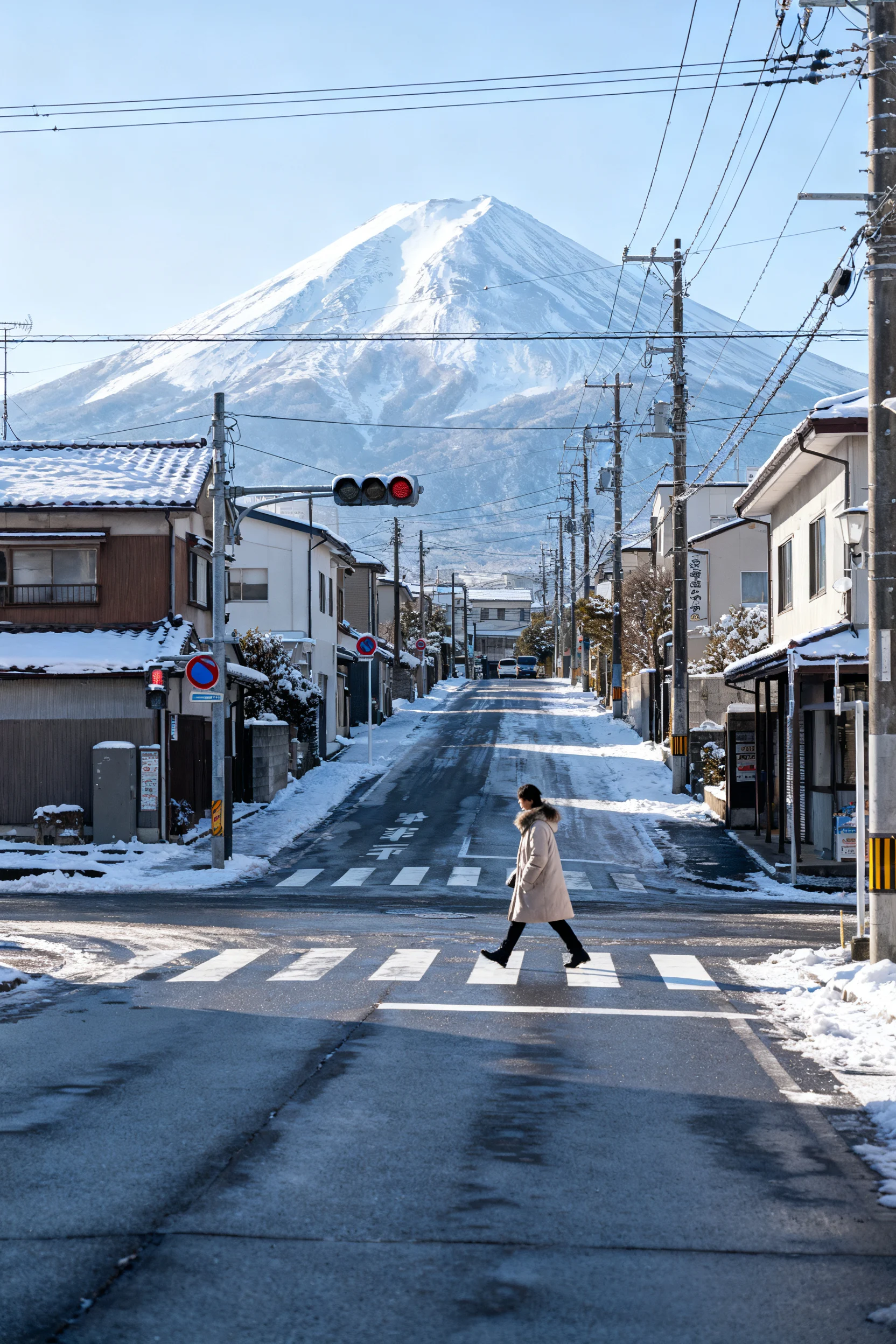
Winter is underrated: Tokyo and Osaka are crisp and bright, and you’ll often get super clear views (including Mount Fuji on a good day). For snow, plan a side trip to Hokkaido (Sapporo/Snow Festival season) or the Japanese Alps—Nagano and Niigata are popular for skiing and cozy ryokan stays. Bring a warm coat, heat-tech base layers, and gloves, but note that indoor heating can be intense—layers help. If you want an onsen town that feels like a movie set, look at Kusatsu, Kinosaki, or Ginzan (but book ryokan early for weekends).
FAQ
When is the best time to visit Japan for first-timers?
Late March to May and October to November are the easiest for weather and sightseeing. You’ll get comfortable walking temperatures and lots of seasonal scenery. Just expect higher prices and book key hotels earlier than you think.
How far in advance should I book hotels and trains?
For spring blossoms, Golden Week (late April–early May), Obon (mid-August), and autumn foliage, aim for 2–4 months for hotels in Tokyo/Kyoto/Osaka. Trains are easier: Shinkansen tickets can often be bought closer to travel, but reserving seats helps on peak days and long routes.
What should I pack for Japan’s changing weather?
Bring layers year-round and prioritize comfortable walking shoes. Summer needs breathable clothes, sunscreen, and a small towel; rainy season needs a compact umbrella and quick-dry items; winter needs a warm coat and base layers. A small day bag and a portable charger are useful in every season.
What are the busiest (and most expensive) times to avoid?
Golden Week, Obon, New Year’s, peak cherry blossom weeks, and peak fall foliage weekends can be crowded and pricey. If your dates are flexible, travel just before or after those windows for a calmer vibe and better hotel options.
Is Japan worth visiting during rainy season or winter?
Yes—rainy season has fewer crowds and beautiful greenery, and winter brings onsens, snow towns, and clearer city days. You’ll just want to plan more indoor-friendly stops (museums, shopping streets, food markets) and keep your itinerary flexible in case of weather shifts.