
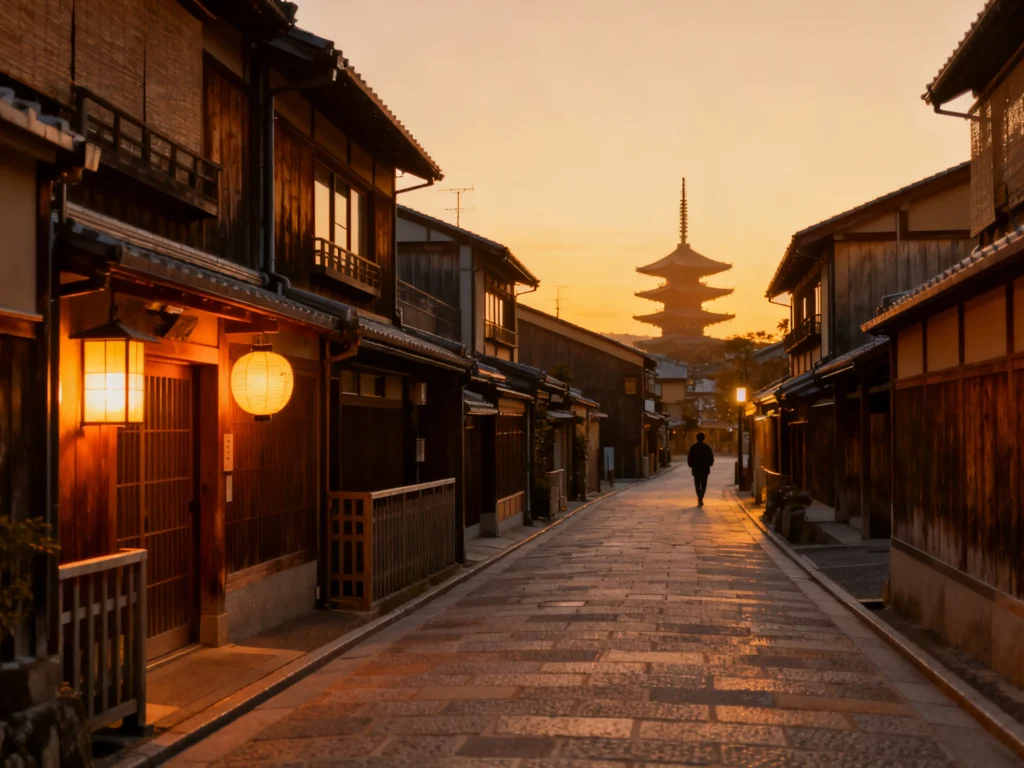
Japan is one of those trips that feels effortless once you’re there… but the planning details matter. A few small missteps can quietly eat your time, money, or energy—especially on a first visit.
Here are the most common first-timer mistakes (and exactly how to dodge them) so your days run smoother from Tokyo to Kyoto and beyond.
Top 5
1) Overpacking Your Itinerary (and Underestimating Transit)
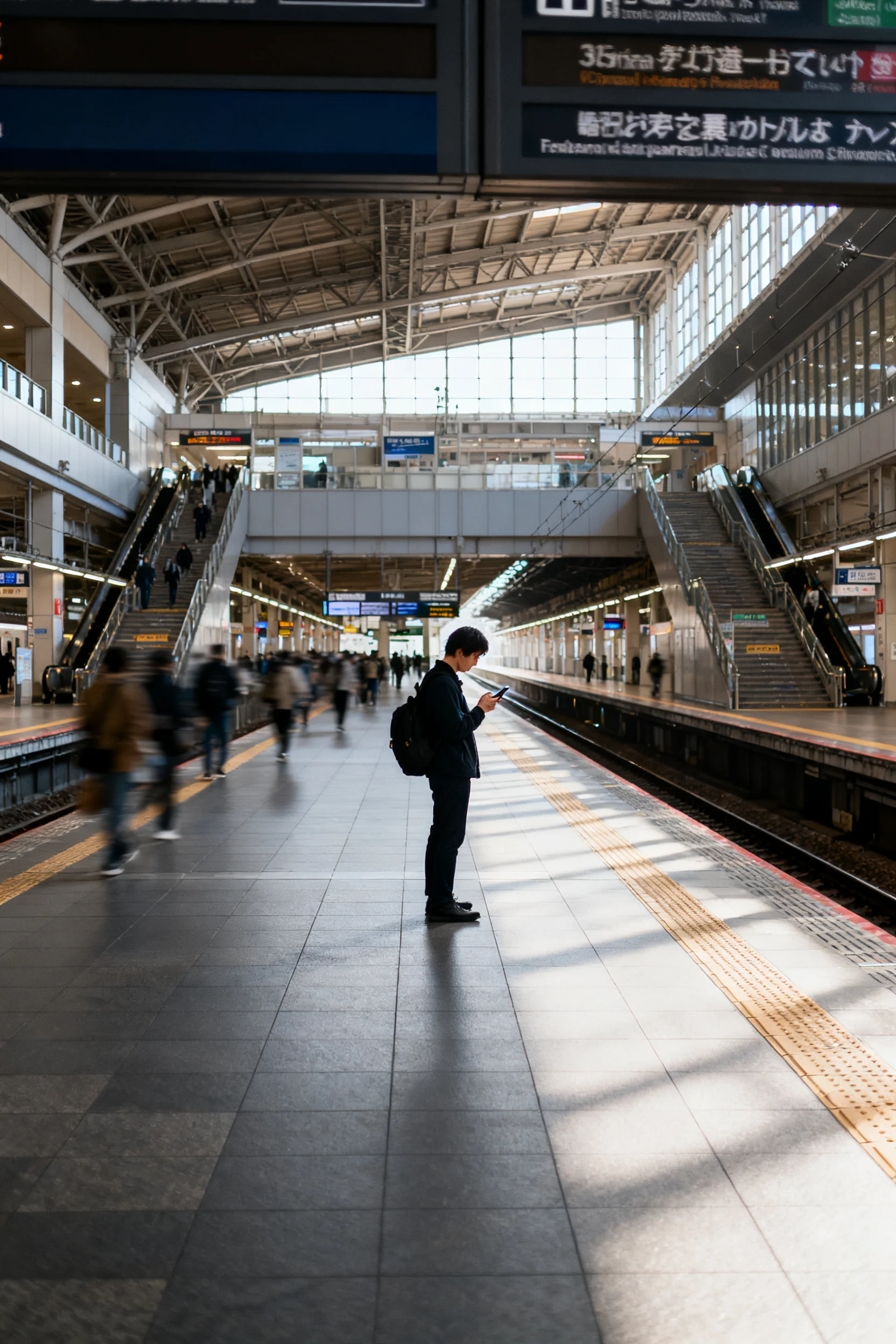
Japan looks compact on a map, but stations are huge and transfers add up fast. Plan 2–3 “must-dos” per day, then build in buffer time for navigating, meals, and surprise detours (you’ll want them). Cluster sights by neighborhood: in Tokyo, group Shibuya/Harajuku/Omotesando together, and Asakusa/Ueno/Akihabara together. If you’re moving cities, treat travel days as lighter days—arrive, check in, then do one nearby area instead of sprinting across town.
2) Assuming You Can Always Pay by Card
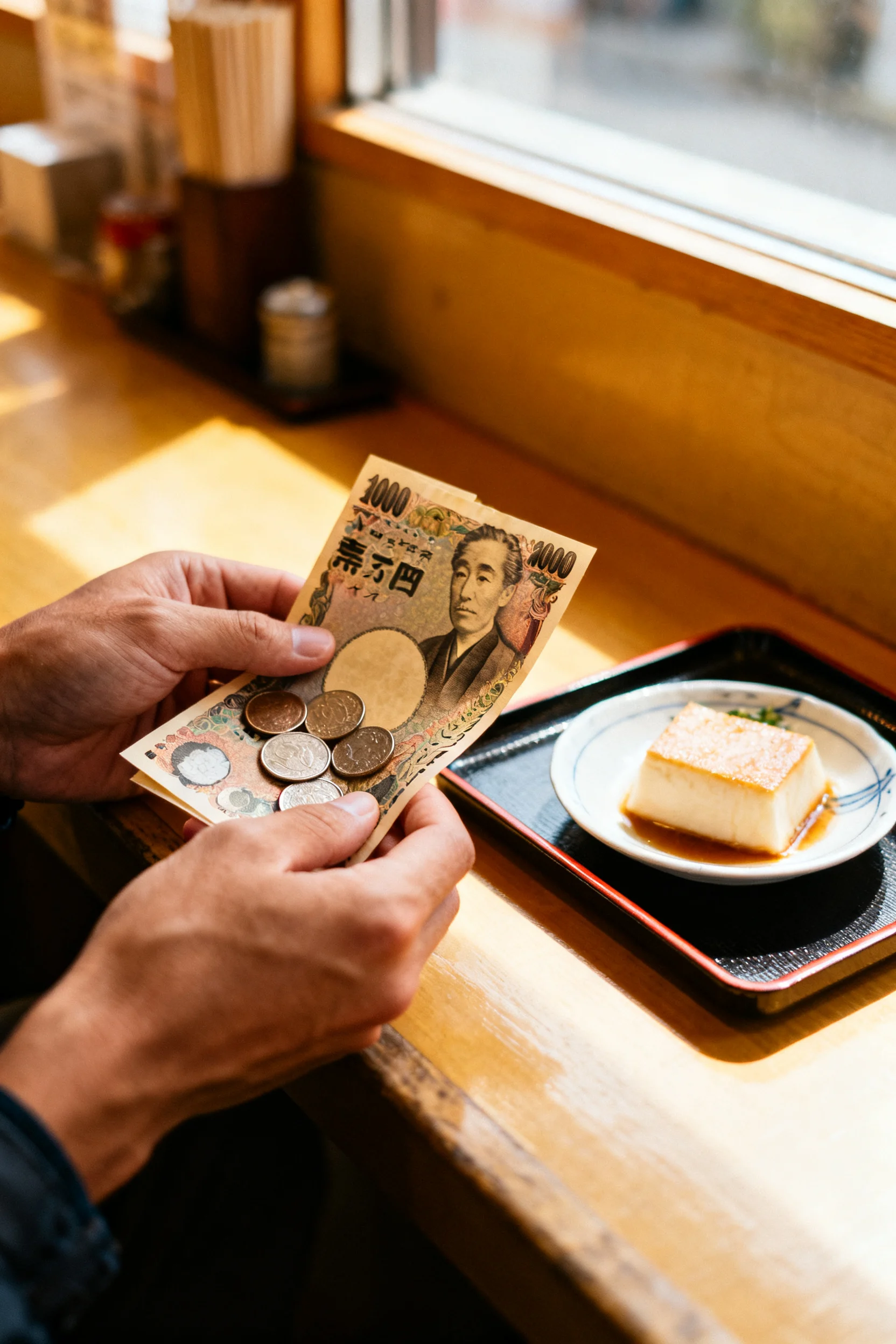
Japan is way more card-friendly than it used to be, but cash is still a lifesaver for smaller restaurants, temples, markets, and some rural spots. Withdraw yen at 7-Eleven ATMs (they’re reliable and usually accept foreign cards) and keep a “day cash” amount on you. Also, load a transit IC card (Suica/PASMO/ICOCA) and use it for trains, convenience stores, and vending machines—this reduces cash stress and speeds up every purchase.
3) Not Booking Key Experiences Early (Especially in Peak Seasons)
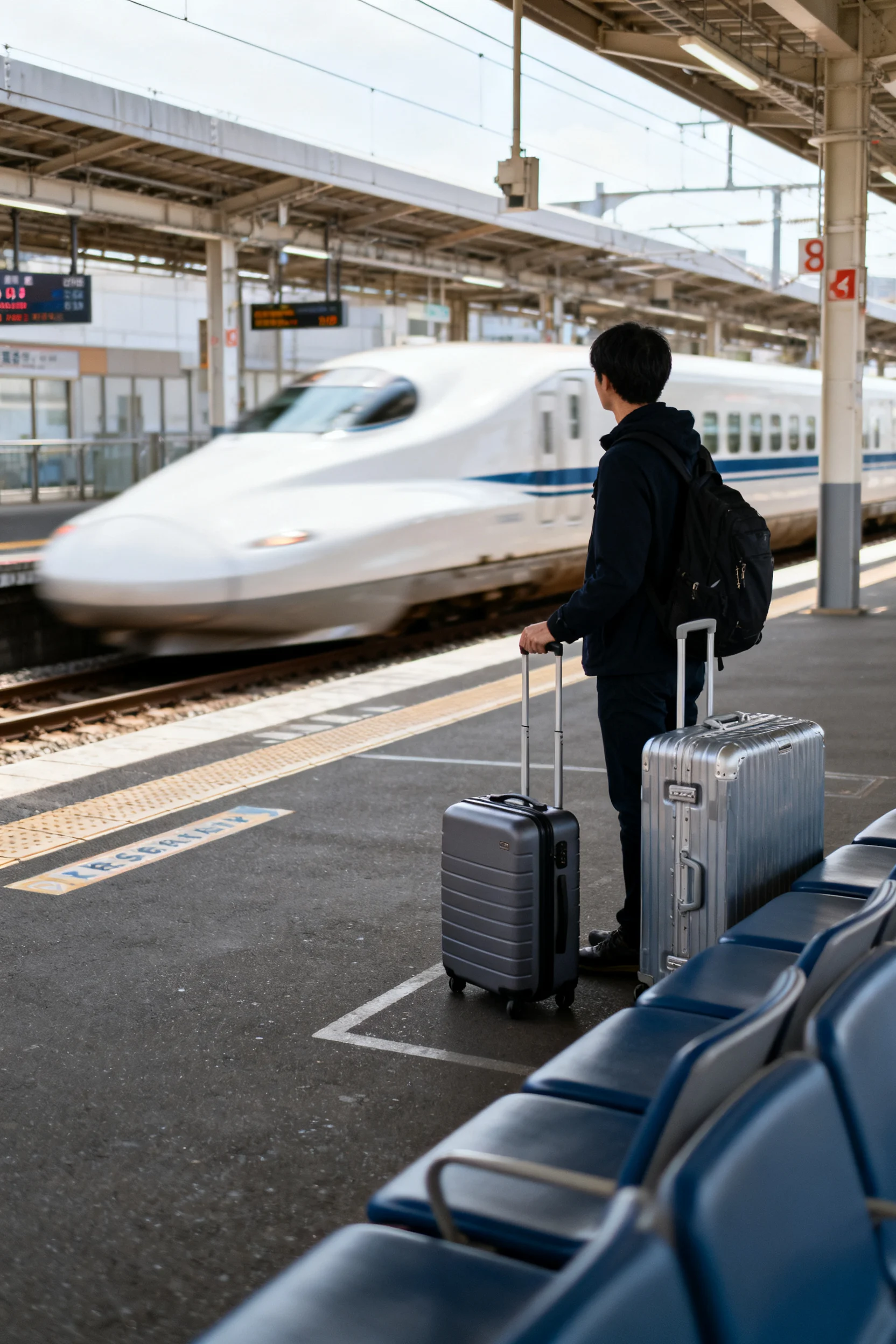
Some Japan moments aren’t spontaneous—popular things can sell out weeks ahead. Book shinkansen seats if you’re traveling on weekends/holidays or with oversized luggage, and reserve must-do restaurants, teamLab, Ghibli-related experiences, and Kyoto hot spots in advance. If you’re visiting during cherry blossom or autumn foliage season, lock in hotels early and choose a base near the areas you’ll explore most (Kyoto: around Gion/Kawaramachi or near Kyoto Station; Tokyo: Shinjuku, Shibuya, or Ginza depending on your vibe).
4) Skipping Luggage Strategy (Then Getting Stuck on Trains)
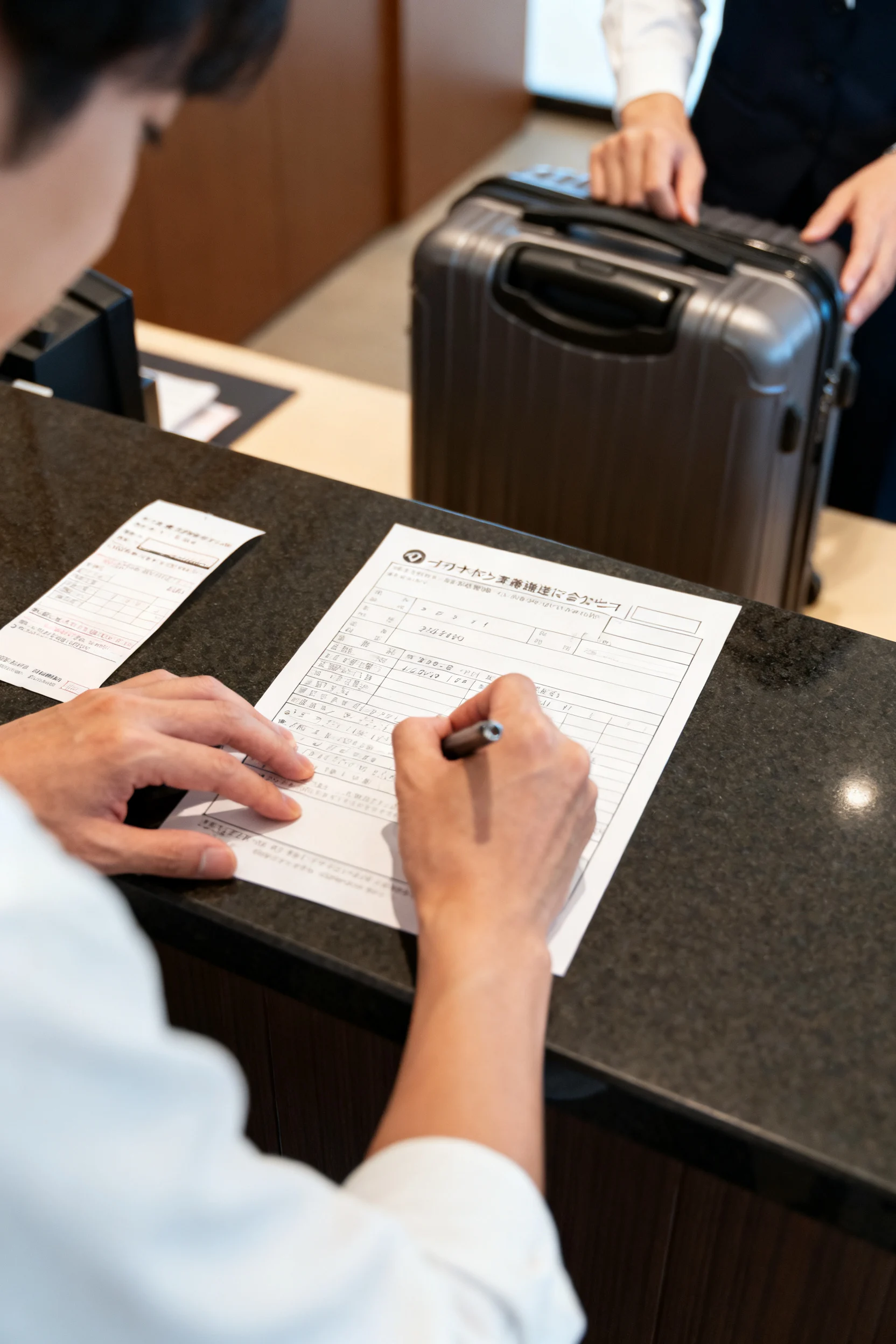
Dragging a giant suitcase through stations and onto crowded trains is a quick way to drain your energy. Use luggage forwarding (takkyubin) between hotels—ask your front desk, fill out a form, and your bag usually arrives the next day. If you do bring a large suitcase on the shinkansen, reserve the oversized luggage seat area so you’re not scrambling; otherwise pack a smaller carry-on for 1 night when forwarding. Bonus tip: coin lockers are everywhere and perfect for half-day exploring before check-in.
5) Missing the “Quiet Rules” (and Small Etiquette That Matters)
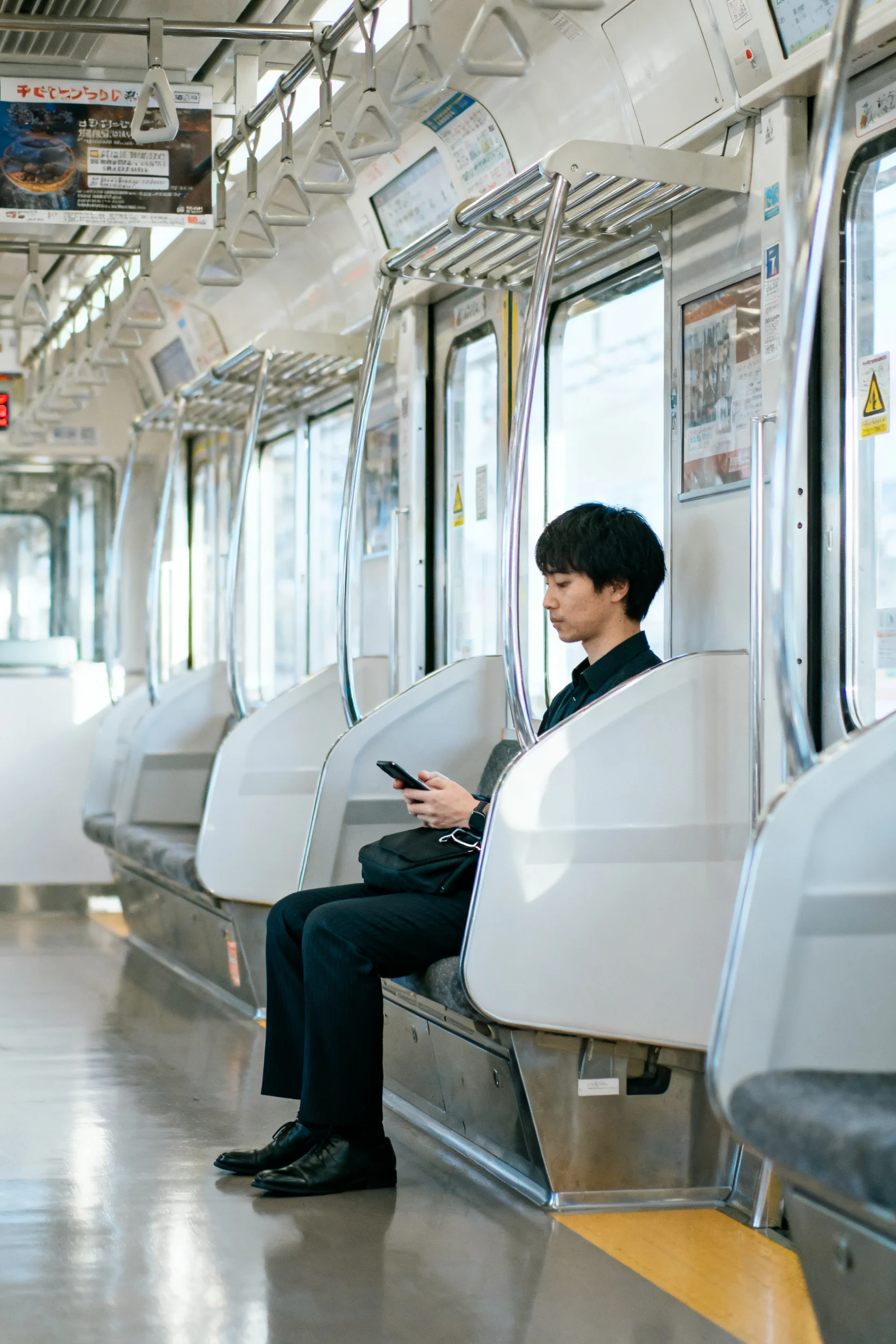
Japan is friendly, but the vibe is calm—especially on public transit. Keep your voice low on trains, avoid phone calls in cars, and stand on the correct side of escalators (Tokyo commonly left, Osaka commonly right). In restaurants, don’t stick chopsticks upright in rice, and at temples/shrines follow the flow (wash hands where indicated, and be mindful of photo rules). When in doubt: watch what locals do and mirror it—this one habit will save you from most awkward moments.
FAQ
Do I need the Japan Rail Pass on my first trip?
Not always. It’s best if you’re doing multiple long-distance shinkansen rides in a short time (example: Tokyo → Kyoto → Hiroshima → Tokyo). For a simpler Tokyo + Kyoto/Osaka trip, individual tickets often cost less—use an online fare calculator and compare before buying.
What’s the easiest way to get internet in Japan?
An eSIM is the easiest if your phone supports it—buy it before you land and activate when you arrive. Pocket Wi-Fi is great for groups sharing data, but it’s one more device to charge and carry. Either way, download offline maps and save your hotel addresses in Japanese for smoother navigation.
How many days do I need for Tokyo and Kyoto?
A solid first-timer split is 4–5 days in Tokyo and 2–3 days in Kyoto, plus at least one day trip (Nara, Osaka, Hakone, or Nikko). If you have 7 days total, do 4 Tokyo + 3 Kyoto (with a Nara add-on). If you have 10 days, add Hiroshima/Miyajima or a ryokan stay.
Is Kyoto overcrowded, and how do I avoid the worst crowds?
Yes—some areas get packed midday. Go early (arrive by 7:00–8:00 AM) for places like Fushimi Inari and Arashiyama, and aim for evenings in Gion. Mix in quieter spots like Philosopher’s Path on a weekday, smaller temples, and neighborhood cafes away from the main bus routes.
What should I pack that first-timers often forget?
Comfortable walking shoes (you’ll do more steps than you think), a small coin pouch, and a lightweight layer for trains and evenings. Bring a compact umbrella or rain jacket year-round, and pack any must-have medications because brands/dosages differ. If you plan on shopping, leave space in your suitcase or bring a foldable duffel for the return.