
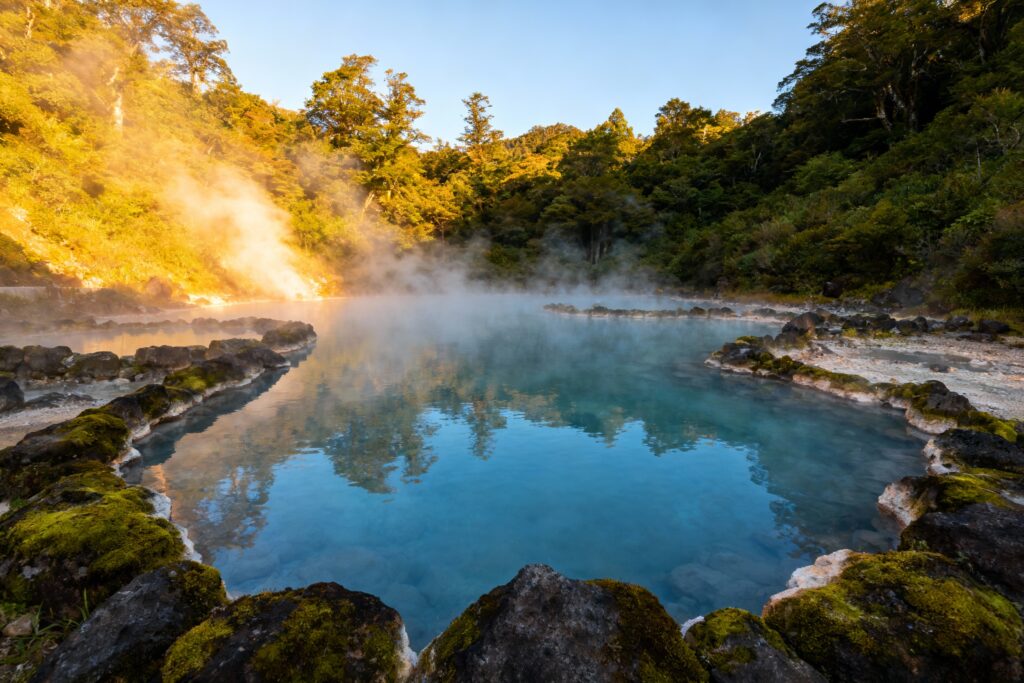
Steam curling off a forested pool. Snowflakes melting on your nose while your toes toast. That’s the Oregon hot springs experience—wild, scenic, and just civilized enough to make you forget you hiked two miles in the rain.
You want the most soothing natural pools without the guesswork? Let’s jump right in (figuratively… we still test the water first).
Why Oregon’s Hot Springs Hit Different
Oregon doesn’t do lukewarm. The state packs volcanic geology, mossy forests, and waterfall views into pools that feel both rugged and magical.
You get variety, too: riverside rock tubs, waterfall-fed soaks, and developed springs with changing rooms and fees. The vibe? Choose-your-own-adventure. You can go full off-grid soak under old-growth trees or pay a small fee for cleaner facilities and fewer surprises.
IMO, mix both if you’ve got time.
The Greatest Hits: Iconic Oregon Hot Springs
You want the all-stars. These spots deliver on scenery, water quality, and that “wow” factor.
Umpqua Hot Springs (Umpqua National Forest)
Perched on a cliff above the North Umpqua River, these terraced pools feel straight out of a fantasy game. Water trickles from pool to pool, so temps vary—hot at the top, warm below.
The view? Chef’s kiss. Expect crowds on weekends and a short but steep hike.
- Best for: Sunrise soaks, photographers, folks who don’t mind sharing
- Trail: ~0.8 miles round trip, steep in spots
- FYI: Clothing optional; bring sandals with grip
Terwilliger (Cougar) Hot Springs (Willamette National Forest)
Cougar offers a peaceful vibe in a ferny canyon. It’s managed with a day-use fee and a short forest stroll.
Water cascades into tiered pools, getting cooler as you go down. On a misty morning? Absolute bliss.
- Best for: Consistent quality, mellow soak with some structure
- Trail: ~0.6 miles through lush forest
- Rules: Day-use fee, clothing optional, no glass
Belknap Hot Springs (McKenzie River)
Belknap mixes nature with amenities.
Think steamy riverside pools, manicured gardens, and a lodge. It’s not “wild,” but it’s reliable and comfy. Great call if you’re traveling with someone who likes showers and pillows.
- Best for: Families, groups, winter getaways
- Access: Day passes available, or stay overnight
- Bonus: Secret garden maze on the grounds
Bagby Hot Springs (Mount Hood National Forest)
Bagby is a rite of passage.
Wooden bathhouses, hand-hewn tubs fed by cedar flumes, and the smell of the forest after rain. The hike sets the mood, and the soak seals the deal. Crowds vary by time of day.
- Best for: Rustic vibes and that classic PNW hot-springs feel
- Trail: ~1.5 miles one way, flat and pretty
- Pro tip: Go early; bring your own cup for pouring
Alvord Hot Springs (Southeastern Oregon)
Remote, stark, and stunning.
You soak next to a salt flat with views of Steens Mountain. The pools sit on private land with basic facilities. The night sky out here? Ridiculous.
- Best for: Stargazing, off-the-grid adventure
- Access: Fee required; cabins and camping available
- Road note: Gravel; check conditions after storms
Underrated Gems for Fewer People
If you want to dodge the crowds, try these lower-key beauties.
They’re not secrets, but they’re less chaotic.
Paulina Lake Hot Springs (Newberry National Volcanic Monument)
Tiny, DIY pools along a volcanic lake. You might dig them out yourself if the sand drifted. The payoff? Snow-capped views and glassy water.
Temps vary wildly—this is nature’s roulette.
- Best for: Tinkerers and sunset lovers
- Access: Lakeside walk; bring a shovel if you’re serious
- Season: Late spring–fall, depending on snow
Hart Mountain Hot Springs (Hart Mountain National Antelope Refuge)
A quiet concrete pool overlooks sagebrush and sky. Pronghorn might cruise by like they own the place (they do). It’s simple, clean, and meditative.
- Best for: Desert solitude, wildlife watching
- Road: Rough in spots; high-clearance recommended after storms
- Camping: First-come sites nearby
Seasons and Timing: When to Soak
You can soak year-round, but each season hits different. Winter gives you snow-and-steam drama (bring microspikes for icy trails). Spring brings runoff and lush scenery, but some dirt roads turn to soup. Summer means easier access and bigger crowds—think sunrise or late-night soaks. Fall might be the sweet spot: crisp air, colorful forests, fewer people.
For timing, go early or go late. Weekday mornings beat Saturdays by a mile. Moonlit soak with stars overhead?
IMO, that’s peak Oregon.
How Hot Springs Work (Without the Boring Lecture)
Water percolates deep underground, heats up thanks to the Earth’s internal energy (hi, volcanoes), dissolves minerals, and pops back up through fractures. Different springs hit different temps and mineral mixes.
- Temperature range: 90–112°F depending on the source and pool tier
- Minerals: Often silica, calcium, sodium, and sulfur (yep, that eggy smell)
- Health perks: Relaxation, muscle relief, improved circulation—placebo or not, you’ll feel better
Hot Springs Etiquette (So Everyone Has a Good Time)
Let’s keep these places magical. A few simple moves go a long way.
- Rinse before you soak if facilities exist; skip soap in natural pools
- No glass, ever—shards and bare feet don’t mix
- Pee in the woods, not the pool (cannot believe I have to say this)
- Keep music low or use headphones
- Ask before taking photos of people
- Pack out everything—including fruit peels and cans
- Clothing-optional spots: be cool, be respectful, no creepy vibes
Leave No Trace for Hot Springs
These spots get hammered by love.
Do your part.
- Stay on established trails
- Don’t dig or re-engineer pools unless it’s a designated dig site (like Paulina)
- Use a wag bag if bathrooms don’t exist
- Brush off mud away from pools, not in them
What to Pack (Beyond a Towel)
You’ll forget something if you rush out the door. Here’s the short list.
- Footwear: Grippy sandals or water shoes
- Towel + dry clothes: Cotton feels cozy post-soak
- Headlamp: For pre-dawn or post-sunset exits
- Water + snacks: Hot water dehydrates you fast
- Small trash bag: Pack it in, pack it out
- Microspikes in winter; bug spray in late spring
- Cash or card for day-use fees
Safety Stuff You Shouldn’t Ignore
Hot springs feel mellow, but nature plays for keeps.
- Test water temp with a hand or foot before full commitment
- Limit soaks to 15–20 minutes; cool off and hydrate between dips
- Avoid alcohol if you’re far from help—dehydration + hot water = bad combo
- Watch winter roads and river levels after storms
- Know the rules: closures happen after floods, fires, or maintenance
Sample Itineraries (Because Planning Is Hard)
Want a quick-hit plan? Try these routes.
Weekend Warrior: McKenzie River Circuit
- Day 1: Terwilliger (Cougar) early morning, hike Sahalie and Koosah Falls mid-day, Belknap soak at sunset
- Day 2: Clear Lake hike or mountain bike, lunch in Sisters, optional Paulina Lake detour if time allows
Desert Dream: Steens and the Alvord
- Day 1: Drive to Alvord, sunset soak, stargaze until your jaw drops
- Day 2: Explore Steens Mountain (seasonal road), Hart Mountain soak on the return
FAQ
Are Oregon hot springs safe to soak in?
Generally, yes—if you use common sense.
Test temps first, avoid submerged hazards, and don’t soak if you see signs of contamination (cloudy water, scum, strong odors beyond normal sulfur). If a site posts closures or warnings, follow them. No soak beats a burned foot.
Do I need a pass or permit?
Some sites charge a day-use fee (Cougar, Belknap, Alvord).
Others sit on national forest land with standard parking passes or none at all. Check the managing agency’s site before you go. Bring cash and a card because machines fail in the woods, IMO.
Can I bring kids?
Yes at many locations, but choose wisely.
Developed sites like Belknap work great. Natural pools can run hot, have slippery edges, or sit near fast rivers. Keep soaks short, test temps first, and avoid clothing-optional areas if that’s not your family vibe.
What should I wear?
Whatever you feel comfortable in—some springs are clothing-optional, others prefer swimsuits.
Pack a lightweight robe or big towel for the walk back, especially in winter. Pro tip: dark swimwear hides mineral stains better.
When do hot springs get the most crowded?
Weekend afternoons, especially in summer and on holiday weekends. Hit sunrise or weekday mornings for serenity.
Shoulder seasons (late fall, early spring) help too.
Can I camp near the springs?
Sometimes, but not always. Many popular springs prohibit camping right at the pools. Look for nearby campgrounds or dispersed camping where allowed, and always follow fire restrictions.
Don’t be the person making s’mores next to a fragile spring.
Wrap-Up: Go Forth and Soak
Oregon’s hot springs deliver the full reset: steamy pools, towering trees, and skies that put on a show. Pick your flavor—wild, developed, or a little of both—and respect the spots so they stay gorgeous. Pack a towel, set that alarm early, and chase the steam.
Your future, much-more-chill self will thank you.