
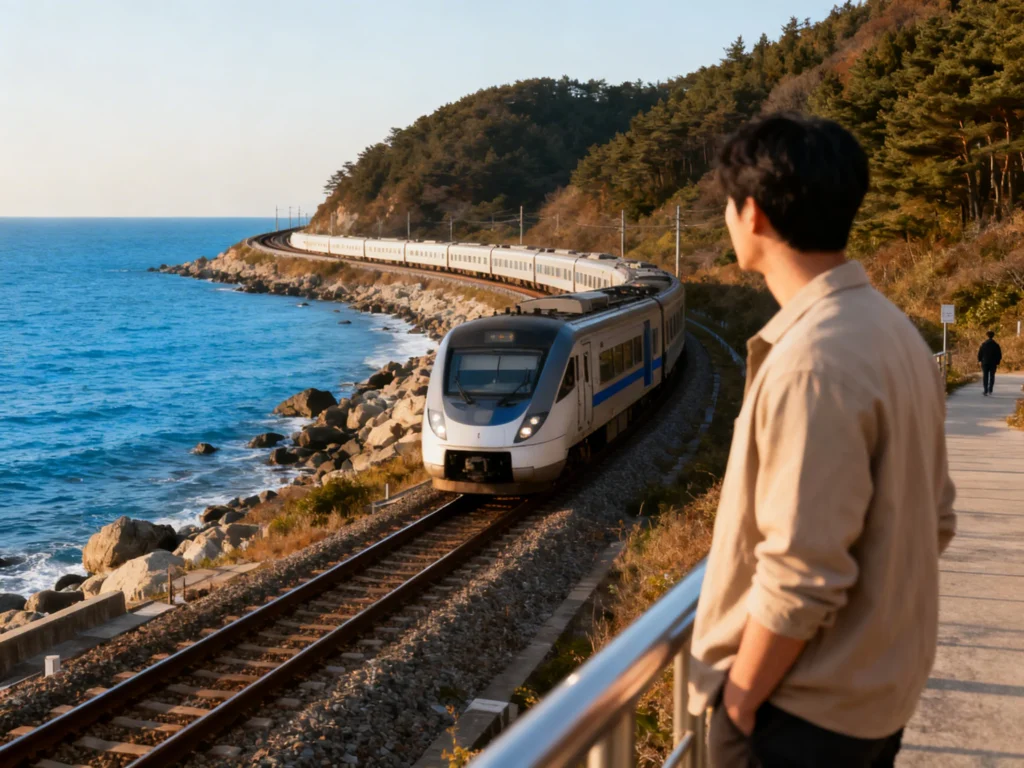
If you’re planning your first South Korea trip, it’s easy to build everything around Seoul—then realize the best stories happen when you leave it. The good news: Korea is compact, train-friendly, and packed with wildly different vibes in every region.
Here are 10 must-visit places beyond Seoul, with practical tips on what to do, when to go, and what to book so your itinerary actually flows.
Top 10
1) Busan (Haeundae, Gwangalli & Jagalchi)
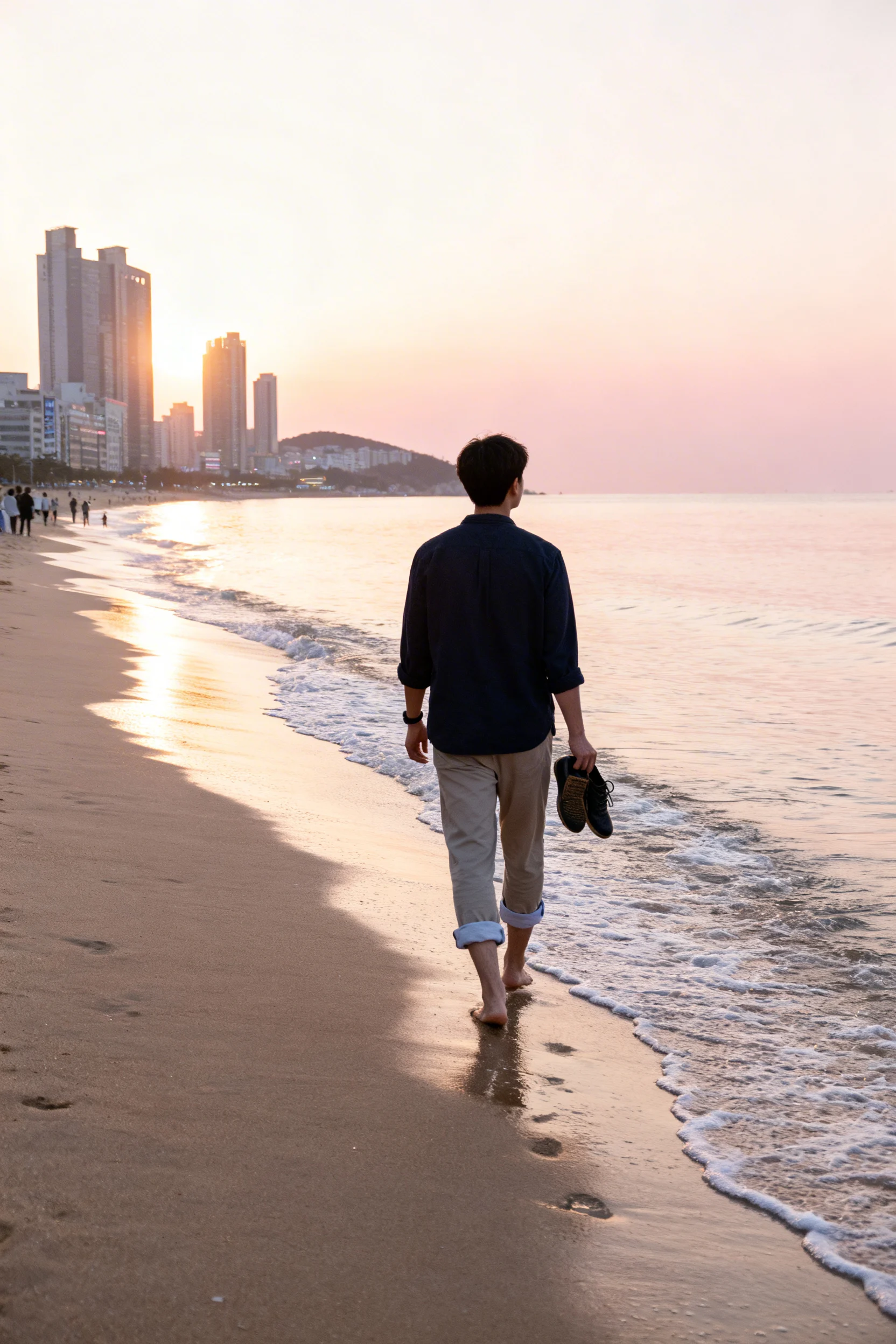
Busan is your beach-meets-city reset: sunrise at Haeundae, sunset at Gwangalli Bridge, and seafood at Jagalchi Market. Base yourself in Seomyeon for easy transit or near Gwangalli if you want nighttime views on tap. Book the KTX early on weekends and pack a light jacket—coastal evenings get breezy even in summer.
2) Gyeongju (Ancient Capital Day Trips + Night Walks)
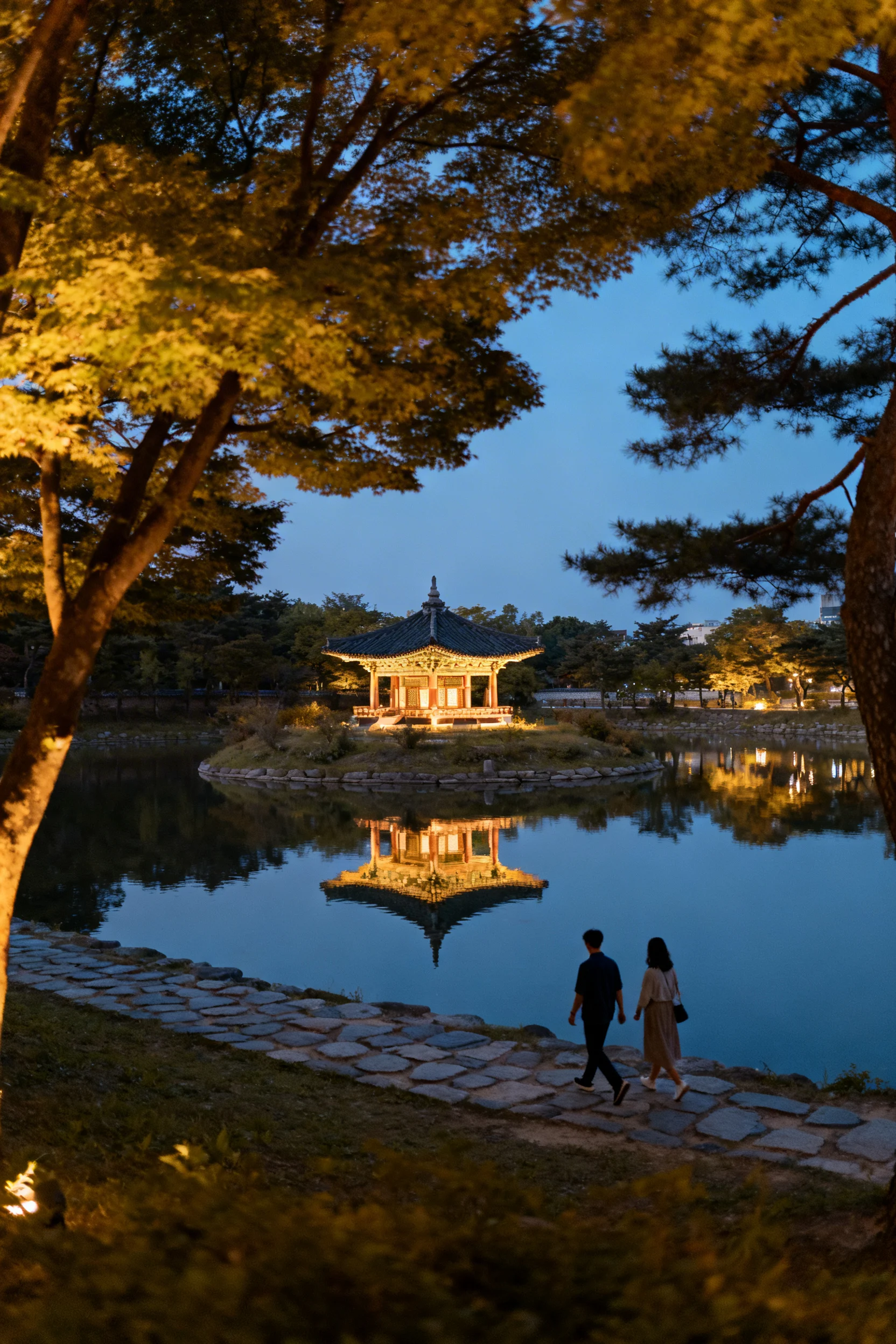
Gyeongju is basically an open-air museum, but make it fun: rent a bike and loop around Tumuli Park, Cheomseongdae, and the Wolji Pond area. Go at dusk for the best lighting and fewer crowds, then grab a café dessert in Hwangnidan-gil. If you can, stay one night—night views around Donggung Palace and Wolji Pond hit different.
3) Jeju Island (Coasts, Hikes & Local Eats)
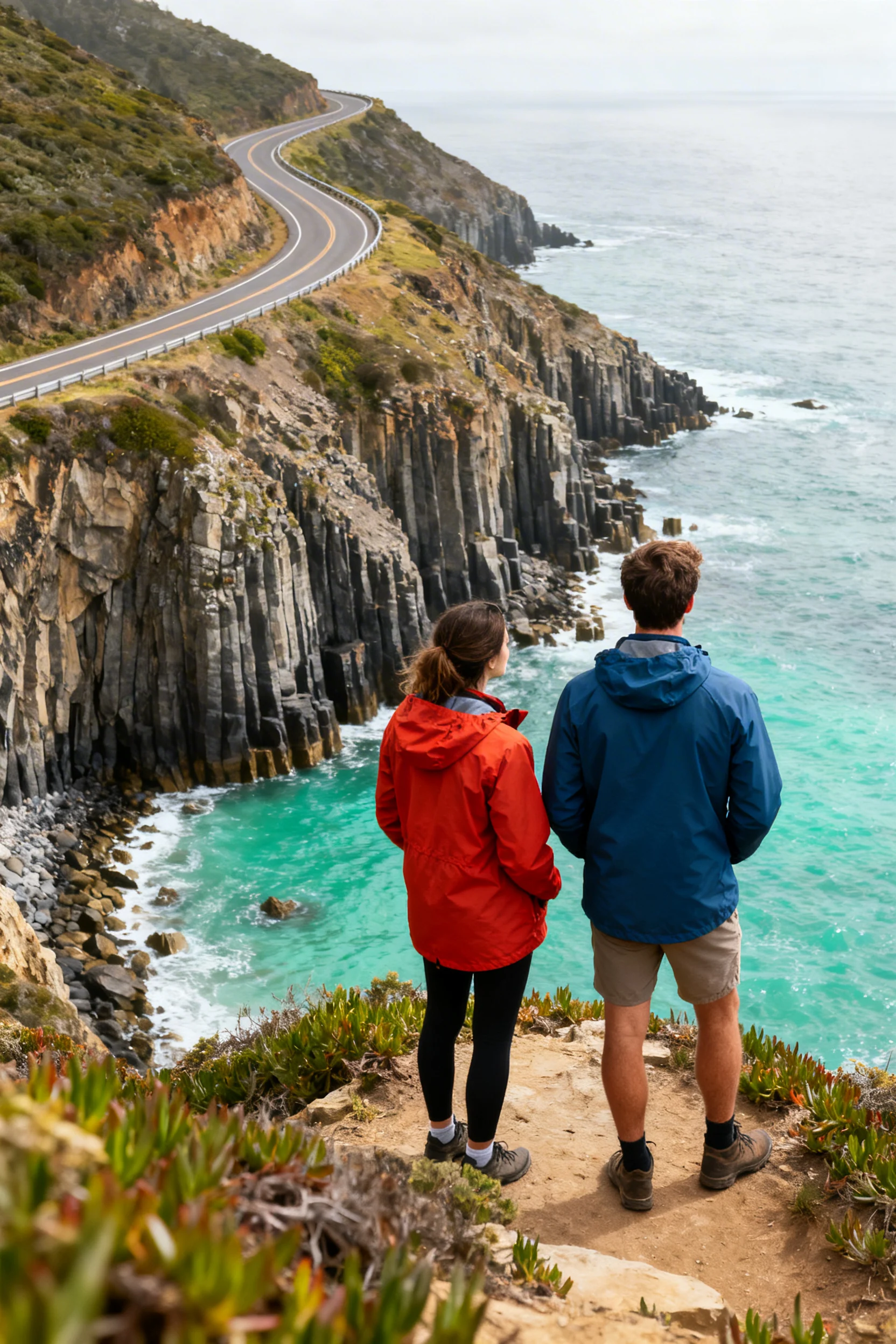
Jeju is for ocean drives, easy hikes, and food you’ll think about long after you leave. Without a car, choose one side (Jeju City for access or Seogwipo for nature) and commit—buses are slower than you expect. Reserve a sunrise slot for Seongsan Ilchulbong in peak season, and pack comfy shoes plus a windbreaker because Jeju weather changes fast.
4) Andong (Hahoe Folk Village + Traditional Culture)
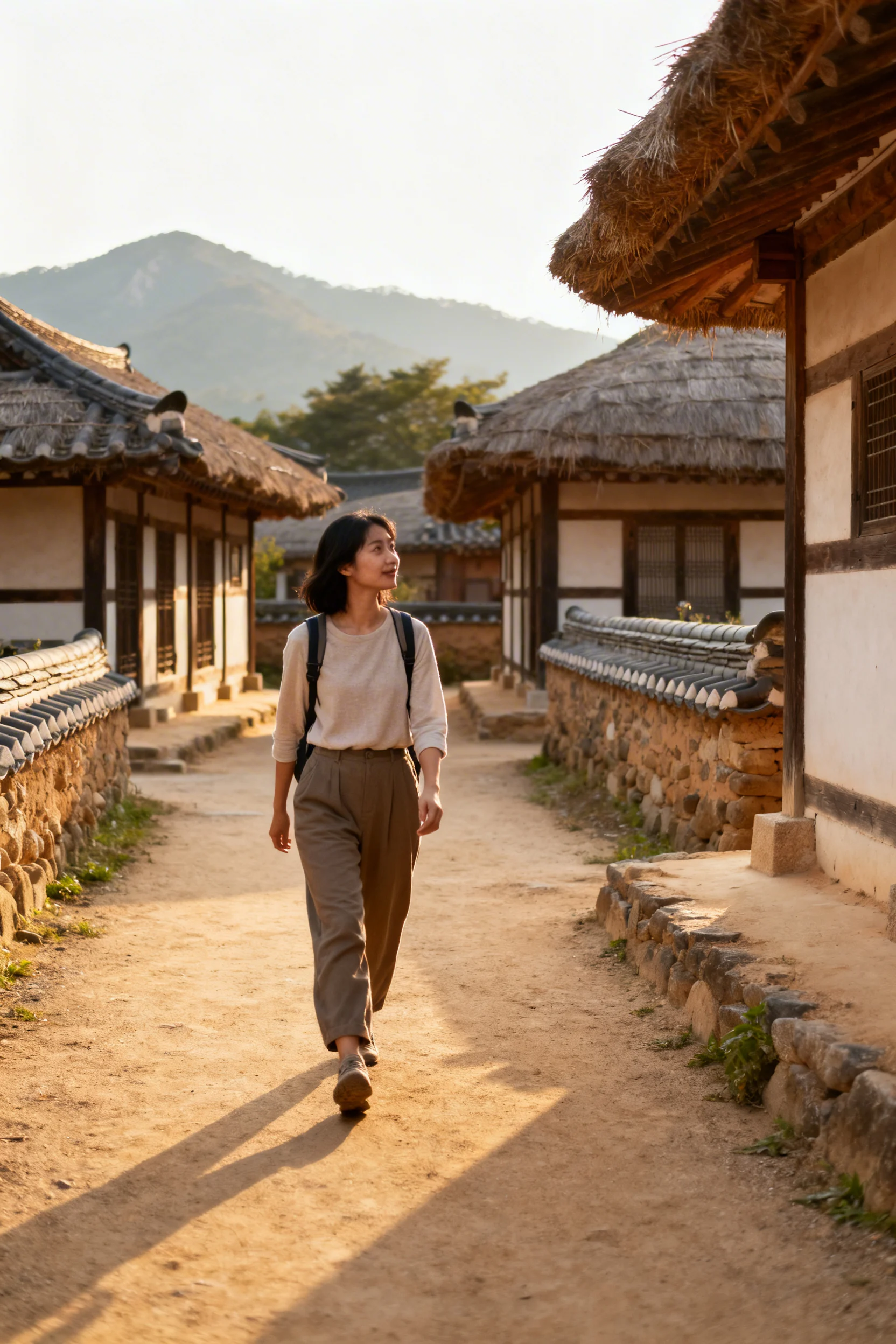
Andong is perfect if you want a traditional Korea moment without feeling staged. Visit Hahoe Folk Village earlier in the day, then stay until late afternoon for softer light and a calmer feel. Try local jjimdak in town, and consider a hanok stay if you’re craving a quiet night—bring warm socks in cooler months because floors can feel chilly.
5) Jeonju (Hanok Village + Best Food Crawl)
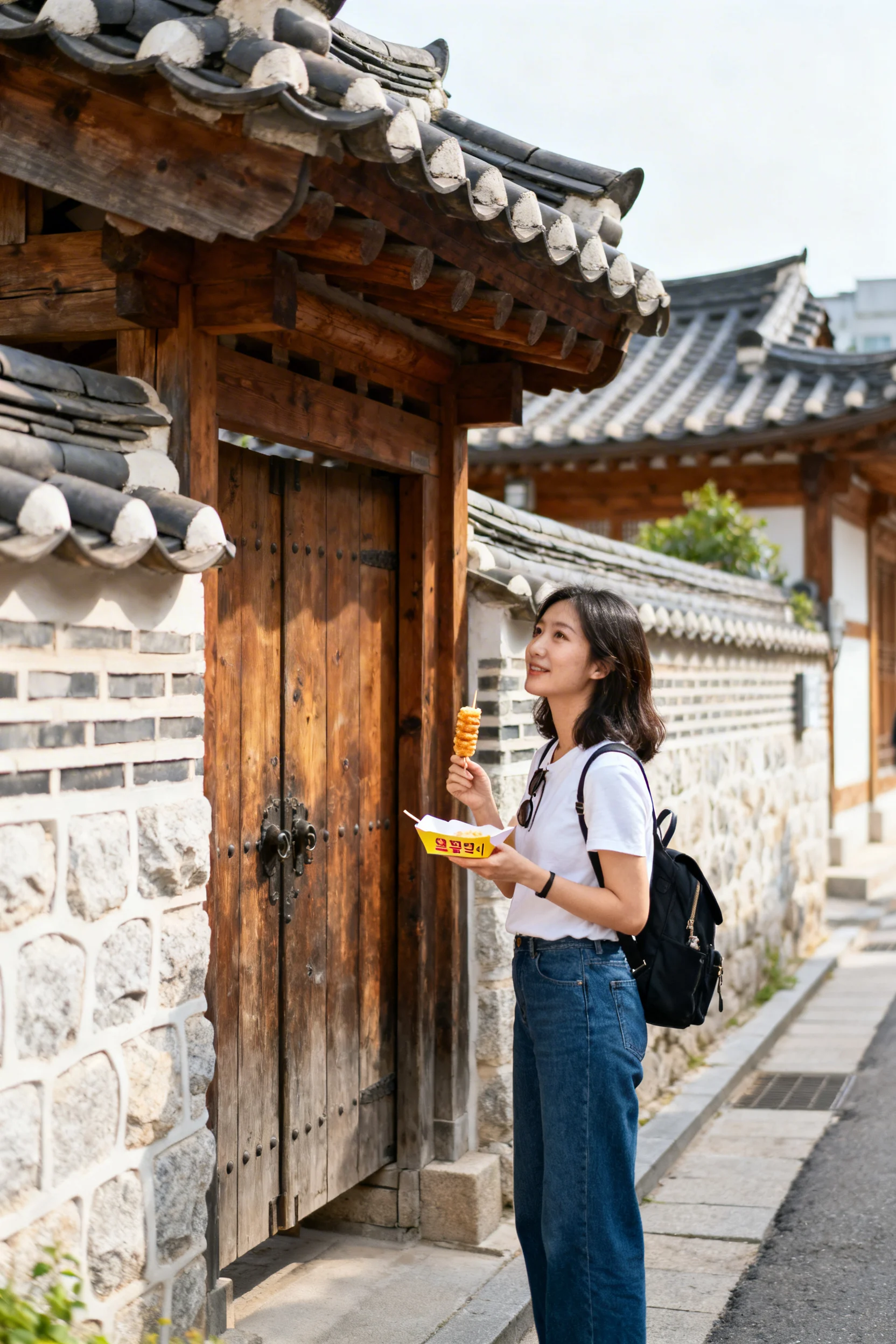
Jeonju is the place to plan a food-first day: bibimbap, kongnamul gukbap, and nonstop street snacks around the Hanok Village. Go on a weekday morning to avoid the biggest tour groups, then wander alleys for photo spots and craft shops. If you’re staying overnight, book a hanok with modern bathrooms—comfort matters after a long walking day.
6) Sokcho & Seoraksan National Park (Mountains + Sea)
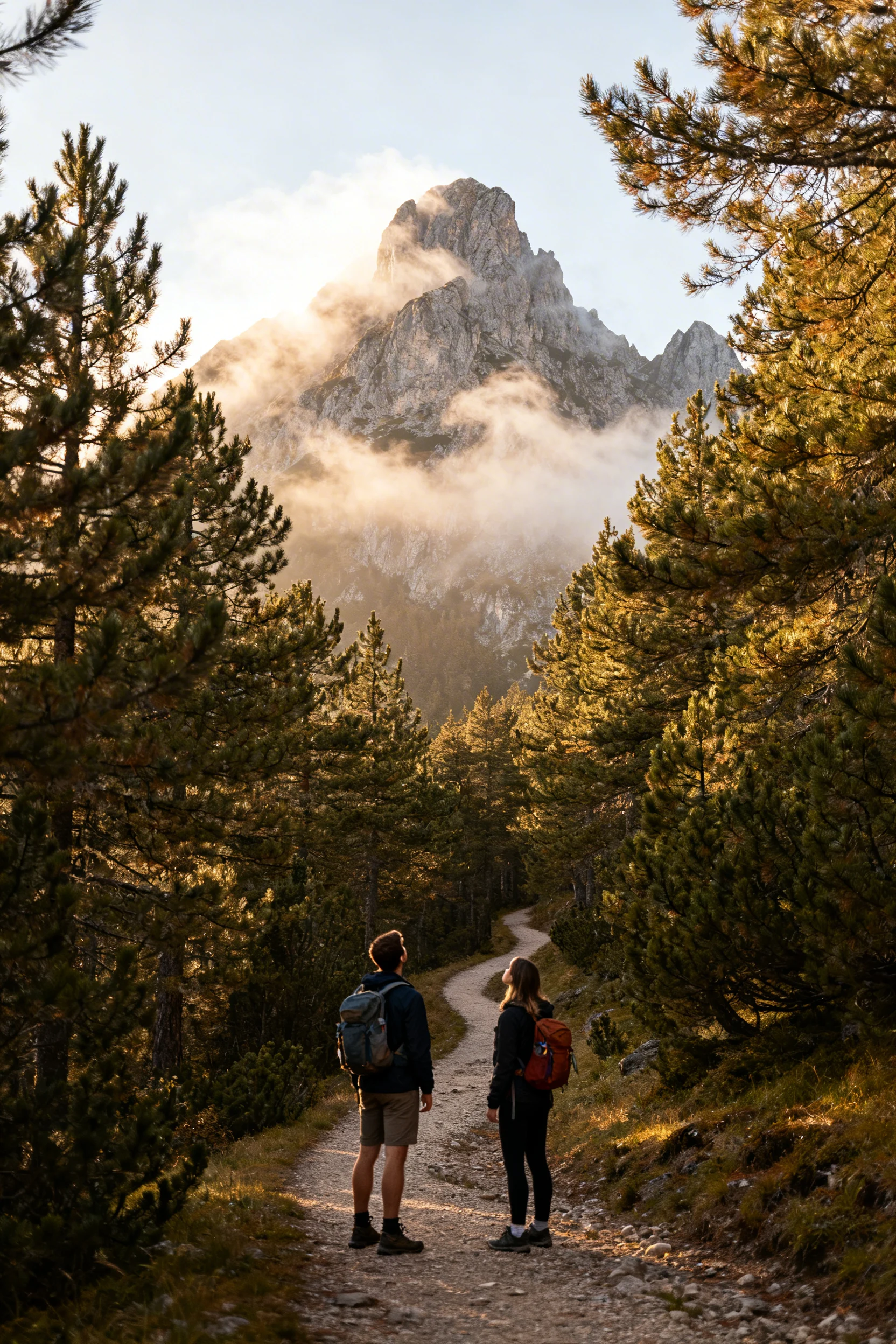
Sokcho gives you the best combo: national park hikes in the morning and fresh seafood by the harbor at night. For Seoraksan, start early to beat lines for the cable car and bring layers—temps shift fast on the mountain. If you’re short on time, do an easier trail plus a quick stop at Sokcho Central Market for snacks to-go.
7) Suncheon (Bay Wetlands + Garden City Vibes)
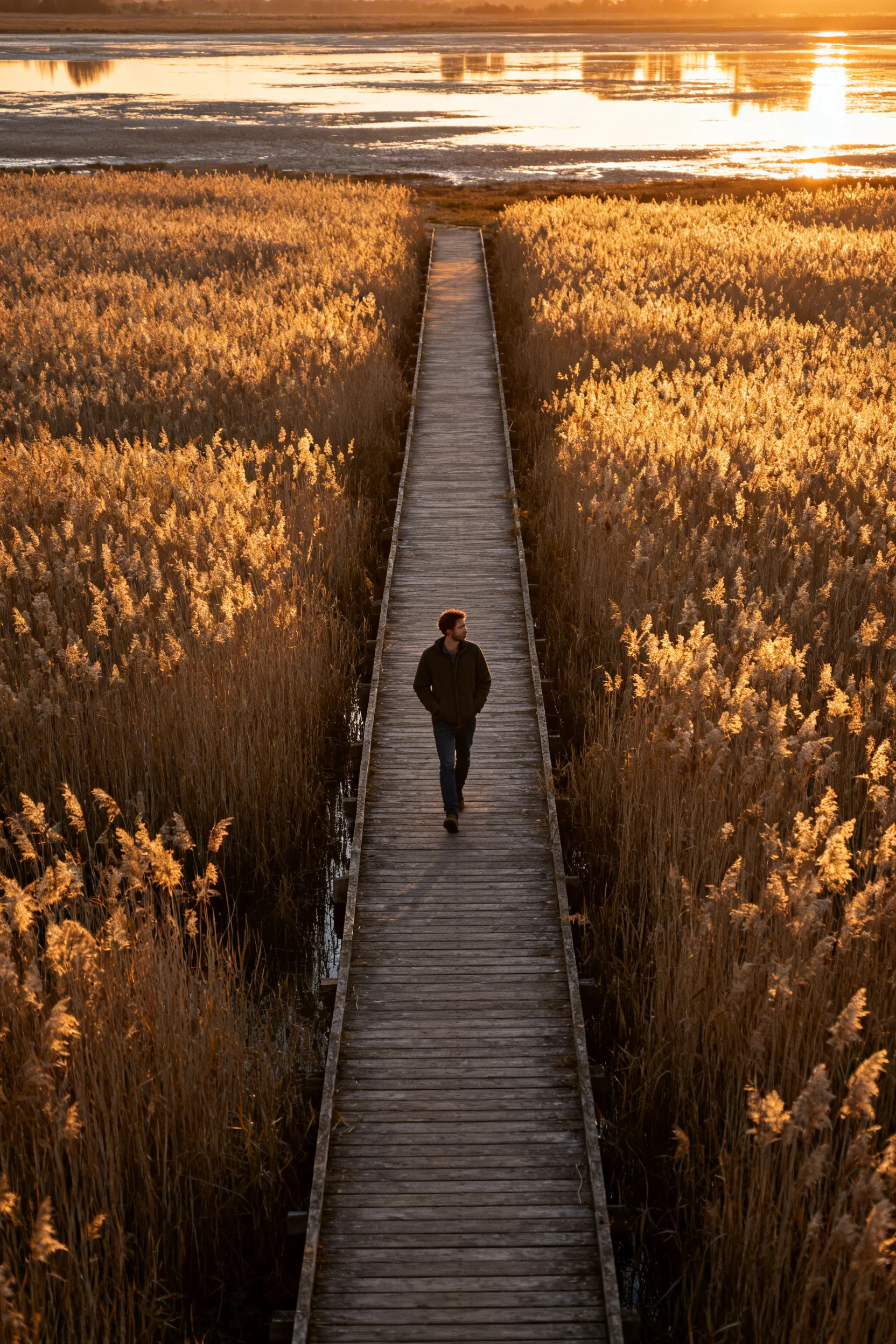
Suncheon is a smooth, low-stress nature day with boardwalks, reed fields, and golden-hour views at Suncheon Bay Wetland Reserve. Pair it with Suncheonman National Garden and plan for lots of walking—pack water and comfy shoes. Aim for late afternoon and stay through sunset, then grab a simple local dinner near Suncheon Station.
8) Yeosu (Ocean Cable Car + Coastal Nights)
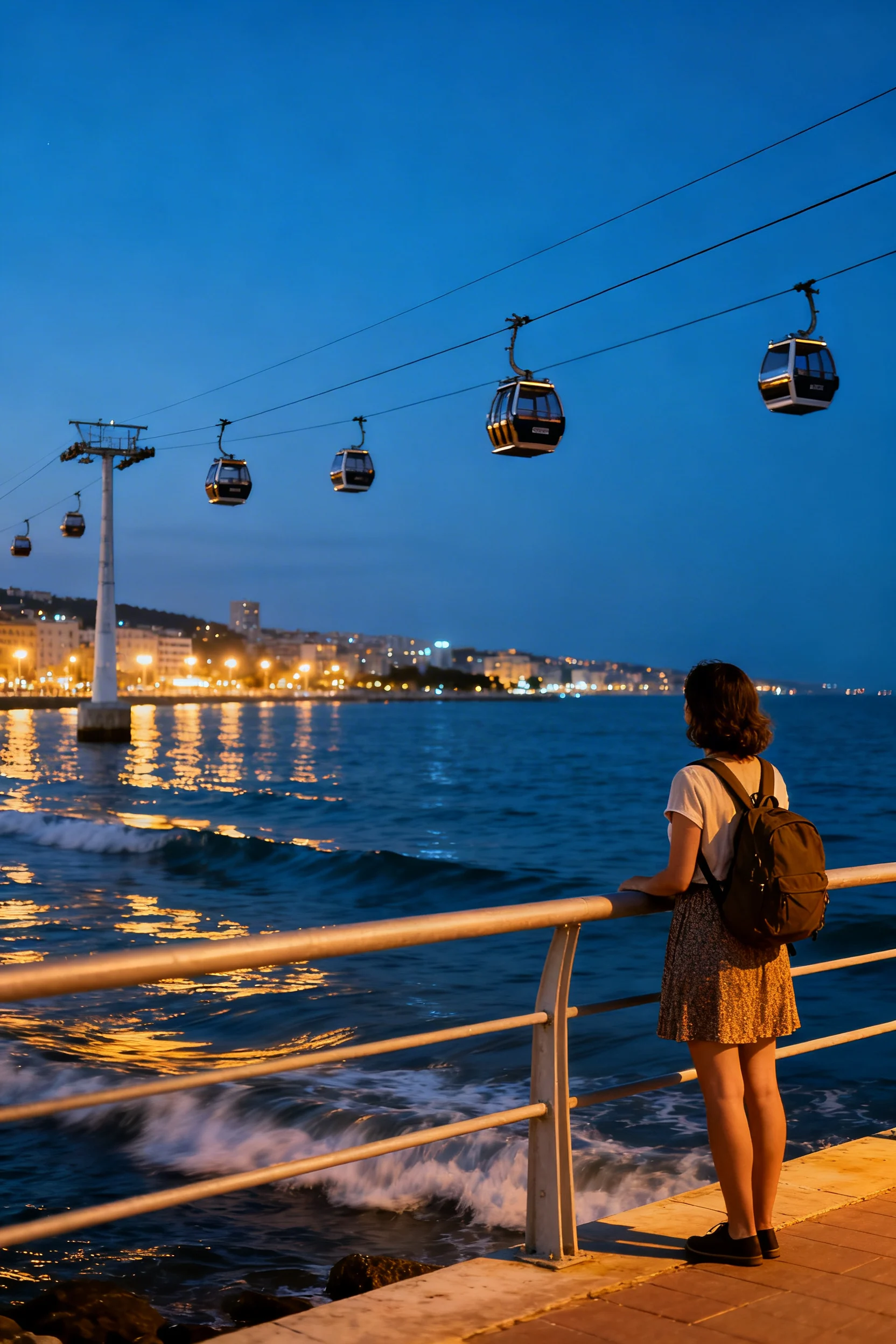
Yeosu is made for a one- or two-night coastal detour: ride the Yeosu Maritime Cable Car, then linger by the water for night views and street food. Book cable car tickets around sunset time in peak season and arrive early to avoid long waits. Don’t overpack your schedule—Yeosu is best when you leave space for a slow harbor stroll.
9) Tongyeong (Islands, Views & Fresh Seafood)
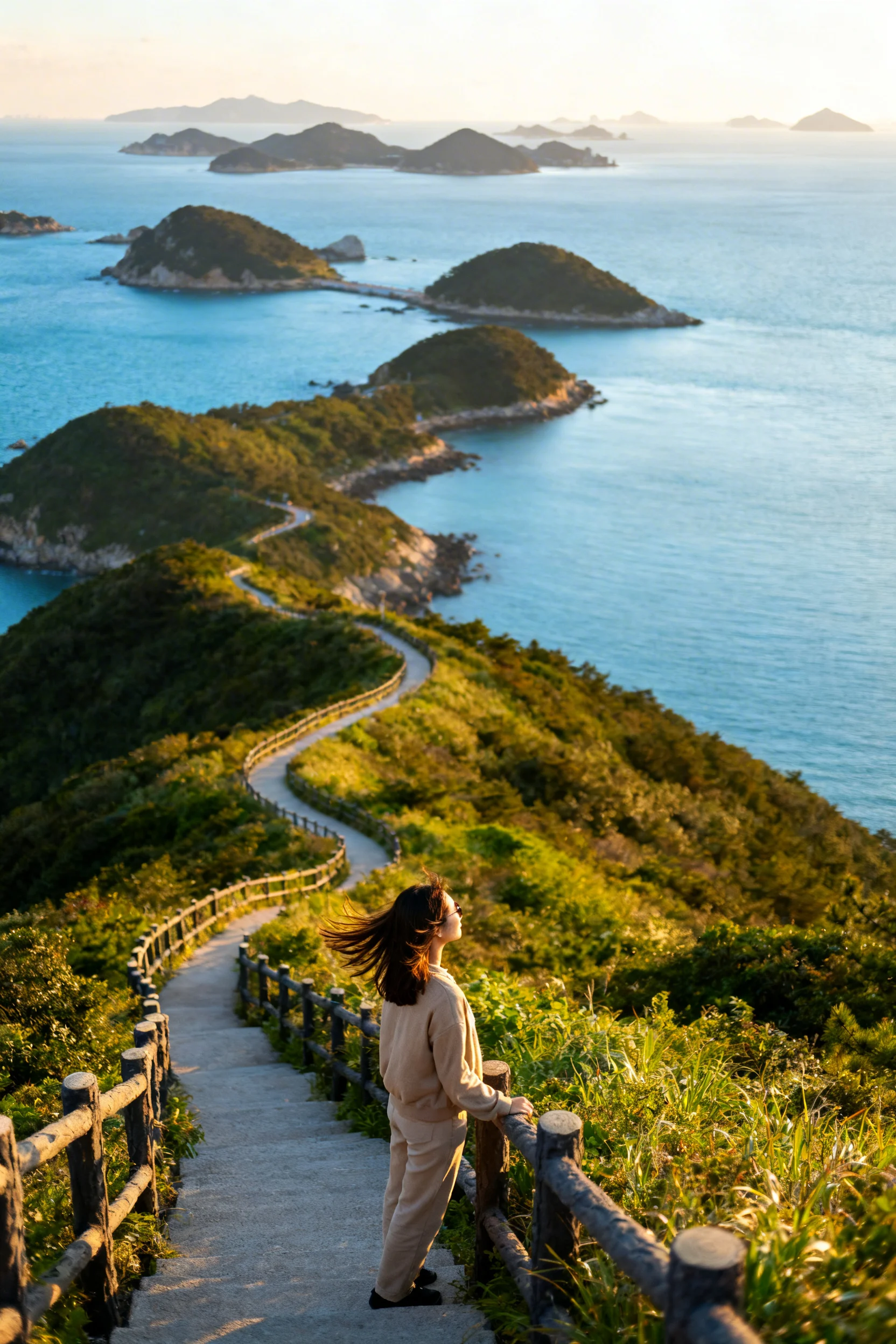
Tongyeong is your gateway to island hopping, with ferry rides and lookout points that feel straight out of a K-drama travel montage. Take the Mireuksan cable car on a clear morning for the best visibility, then eat your weight in seafood near the port. If seasickness is a thing for you, bring meds—short boat rides can still get choppy.
10) Boseong (Green Tea Fields + Café Stops)
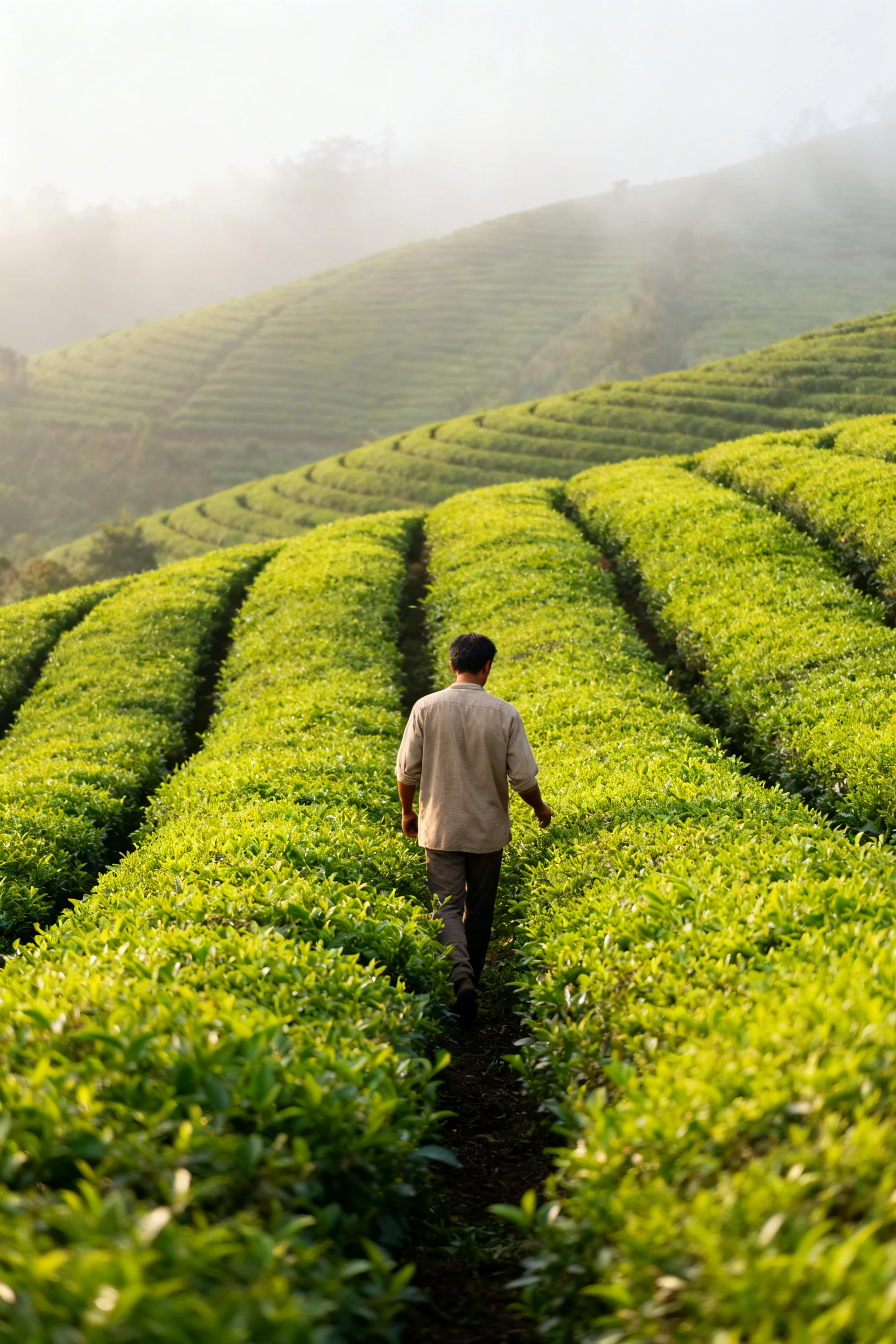
Boseong’s tea fields are the aesthetic countryside moment, especially in spring and early summer when everything looks extra vibrant. Go early for photos before the tour buses roll in, and wear shoes you don’t mind getting dusty on farm paths. Pair it with a tea-themed café stop and consider staying nearby if you’re also doing Suncheon or Yeosu.
FAQ
How many days do I need to see places beyond Seoul?
Plan 7–10 days total for a first trip if you want 2–3 regions beyond Seoul without rushing. A popular pace is Seoul plus Busan/Gyeongju and one nature spot (Jeju or Seoraksan). Korea’s transit is efficient, but switching hotels too often can eat your time.
What’s the easiest way to get around South Korea outside Seoul?
Use KTX trains for major cities (like Busan) and intercity buses for smaller destinations (like Boseong). Download a navigation app that works well in Korea and keep a T-money card for local buses/subways. For Jeju, decide early if you’ll rent a car or stay in one area.
Is the Korea Rail Pass (KR PASS) worth it?
It can be worth it if you’re doing multiple long-distance KTX rides in a short period. If your route is just one round trip (like Seoul–Busan–Seoul), point-to-point tickets may be cheaper. Price it out based on your exact itinerary and travel days.
When is the best season to visit these destinations?
Spring (April–May) and fall (September–November) are the easiest for weather and walking-heavy itineraries. Summer is great for coastal cities like Busan and Yeosu, but expect humidity and rain. Winter is quieter and pretty in mountain areas, but pack serious layers for Seoraksan.
What should I book in advance?
Book KTX tickets for weekends/holidays, Jeju flights during peak seasons, and any hanok stays if you have specific dates. For popular attractions like cable cars or sunrise spots, check timed-entry or peak-hour queues. Restaurants are often walk-in friendly, but showing up early helps.