
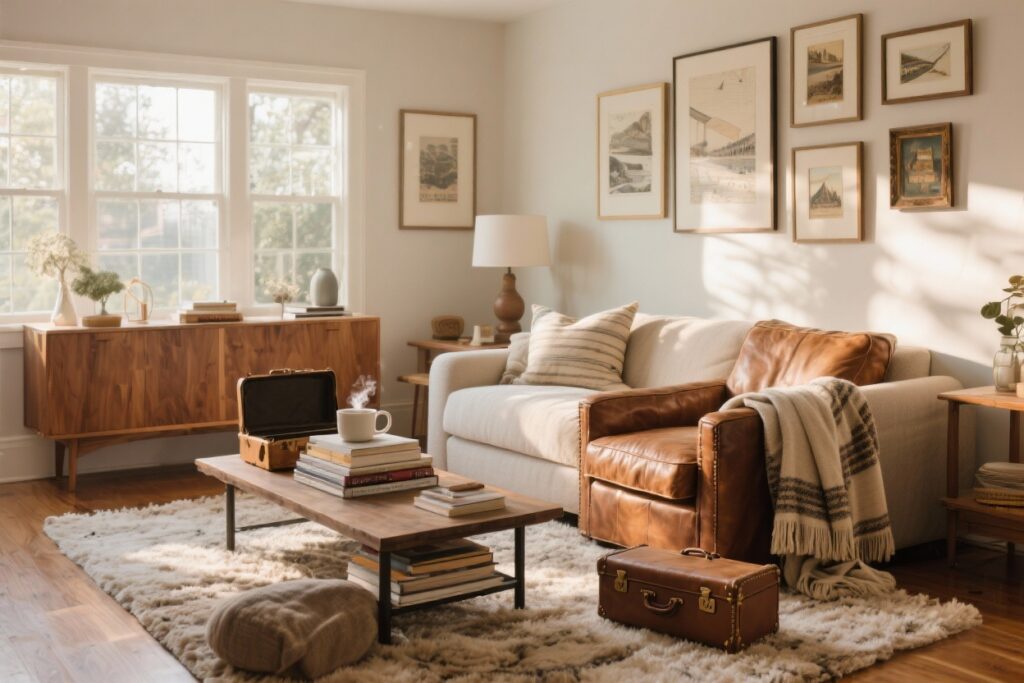
That gut-punch feeling when the novelty fades and you’d trade your ocean-view Airbnb for your squeaky old couch? Yep—homesickness. It’s not just about missing a place; it’s about missing your place. Let’s unpack the psychology behind it and, more importantly, how to decorate your temporary digs so your brain chills out and you can actually enjoy the trip.
1. Your Brain Loves Patterns (And Your Home Is One Big Pattern)
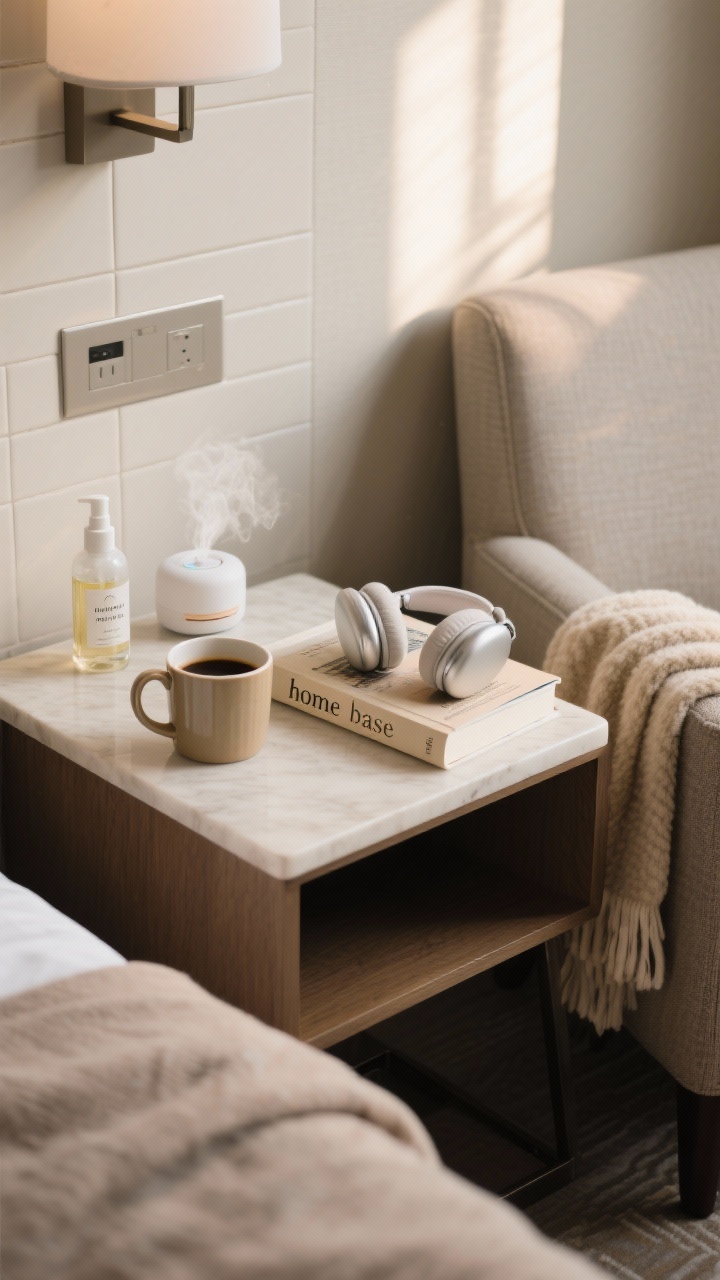
Homesickness often kicks in because your brain thrives on predictability. Your home is a perfectly curated pattern: the smell of your coffee, that dent in your pillow, the way morning light hits your kitchen tile. Travel blows up those cues, so your brain starts scanning for comfort and control.
Design Fix: Recreate Your Rituals
- Pack a scent: Candles are tricky, so bring a mini diffuser or linen spray in your “home” scent. Smell is a memory shortcut.
- Travel coffee kit: Your mug + your beans = instant routine. FYI, even a collapsible kettle feels weirdly luxurious.
- Reclaim a corner: Make a small “home base” with your book, headphones, and a throw. One cozy nook beats a scattered suitcase.
When your senses find familiar cues, your nervous system relaxes. It’s design therapy, no appointment needed.
2. Comfort Comes From Control (So Take Some)
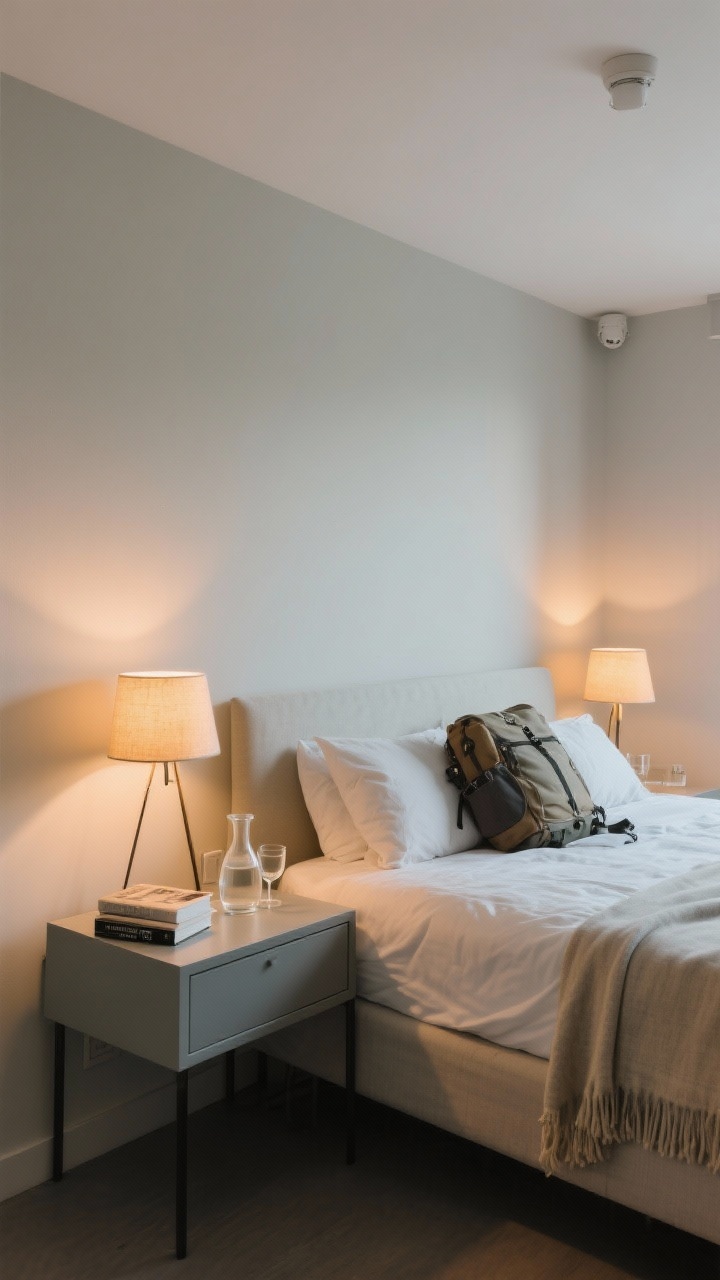
Part of homesickness is about loss of control. Different mattresses, weird lighting, a mystery light switch that does nothing—chaos. Give yourself micro-wins by tweaking the space.
Design Fix: Edit the Room
- Lighting matters: Switch off harsh overheads. Use table lamps or a clip-on reading light to create warmer zones.
- Textile swap: Pack a pillowcase or lightweight throw. Soft textures = instant comfort, IMO.
- Declutter surfaces: Hide random host deco you don’t vibe with (tastefully!) in a closet and display your essentials.
Even a few changes help your brain say, “I run this place,” which is surprisingly soothing.
3. Your Things Are Little Anchors (Use Them On Purpose)
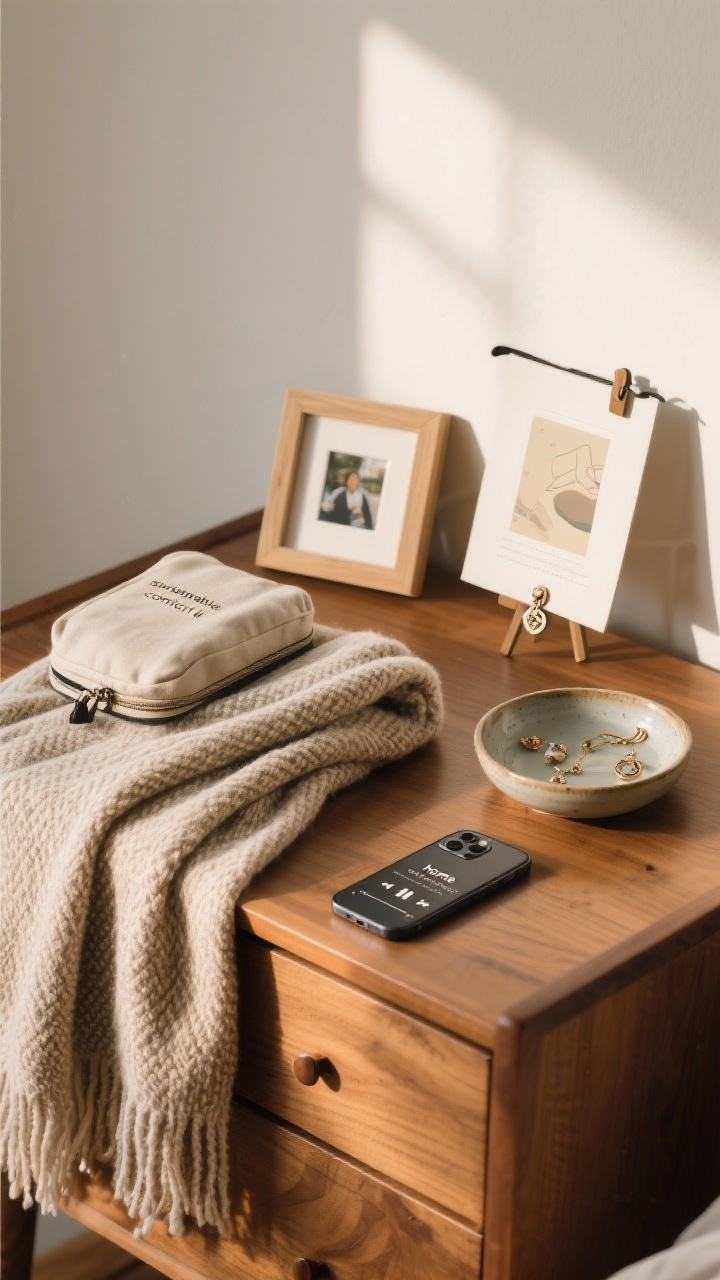
Psychologically, we attach emotions to objects. That’s why your chipped ceramic bowl is the MVP of your kitchen. When you travel, anchor yourself with a few portable personal items that carry emotional weight.
Design Fix: Build a Portable Comfort Kit
- Textures you love: A small, soft throw or scarf doubles as decor and a nap blanket.
- Meaningful minis: A tiny framed photo, a packable art print, or a charm dish for jewelry—micro decor, macro grounding.
- Sound blanket: Curate a “home” playlist. Sound styling is a thing, and it works.
It’s not about bringing your whole house—it’s about curating a few emotional anchors that make your temporary space feel less temporary.
4. Routine Beats Location (So Style Your Day, Not Just Your Space)
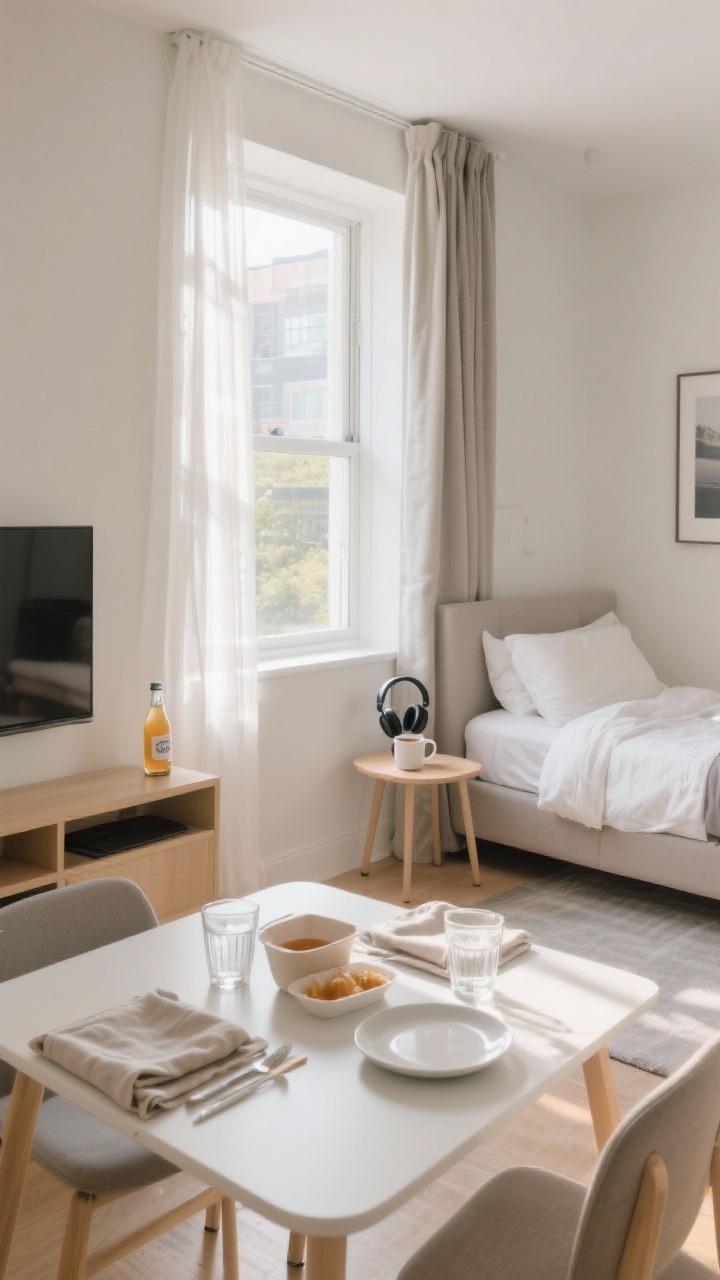
Homesickness doesn’t always care how beautiful your hotel lobby is. It cares if your day feels rhythmic. Design isn’t just physical; it’s chronological. A styled routine turns any place into a home base.
Design Fix: Schedule Your Rituals
- Morning reset: Open curtains, make the bed, spritz your scent. Treat it like staging your set.
- Meal moments: Set the table, even if it’s takeout. Cloth napkin? You fancy. You grounded.
- Night cues: Low light, cup of tea, same podcast. Your brain learns: this is safe, this is home-ish.
When your day feels styled, your brain stops obsessing about the zip code.
5. Design For Autonomy: Create Zones, Not Just Aesthetic
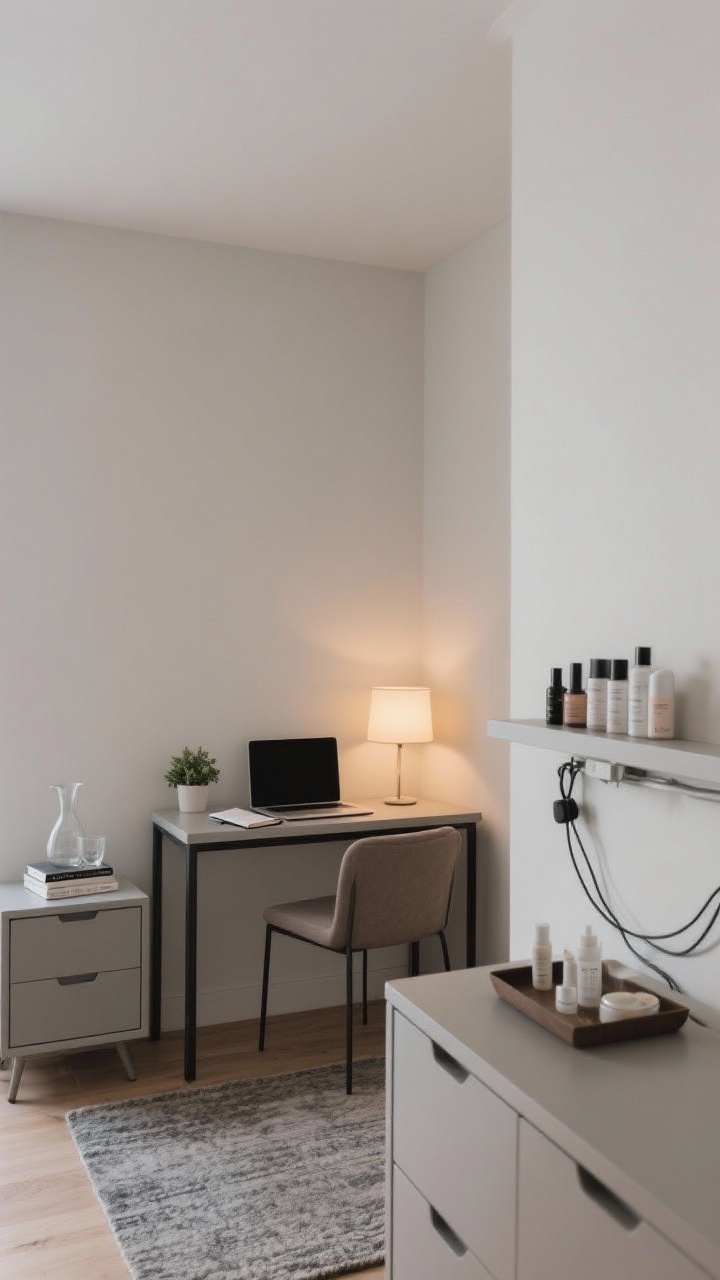
Psychology tip: We feel better when spaces have clear functions. Your place at home has zones—work corner, chill corner, snack corner (very important). Your rental? A single room trying to do everything. No wonder it’s chaotic.
Design Fix: Zone It Like A Pro
- Work zone: Choose a desk or table facing a wall, keep only your laptop, notebook, and a small plant (real or faux).
- Rest zone: Style the nightstand with your book, water, and soft lighting. No random cords or clutter.
- Beauty zone: If the bathroom’s cramped, set up a tray on a dresser with your skincare lineup so it looks curated, not scattered.
Zones tell your body what to do and when. That structure? It’s emotional support disguised as decor.
6. Seek “Place Attachment” (Yes, You Can Hack It)
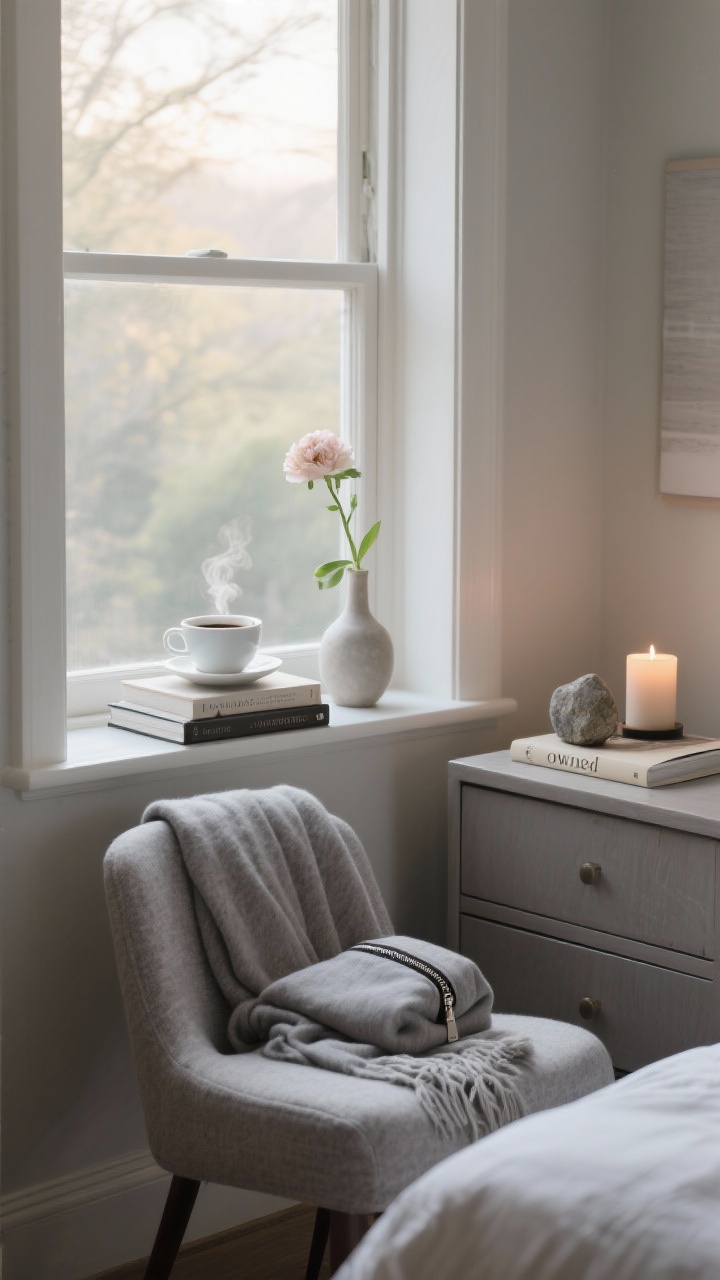
Place attachment is a fancy way of saying you have a bond with a space. At home, it took years to build. While traveling, you can shortcut that bond by layering meaning + comfort + continuity.
Design Fix: Add Tiny Rituals To The Space
- Window ritual: Pick a window and claim it. Morning coffee there, every day. That view becomes “yours.”
- Evening vignette: Create a little altar—candle, book, keepsake, fresh flower. A mini moment you look forward to.
- Texture continuity: Repeat the same fabric or color in 2-3 spots (throw on chair, scarf on bed, pouch on dresser) to create visual consistency.
Consistency signals belonging. You’re not just passing through—you’re participating.
7. When Homesickness Persists: Soothe The Nervous System With Design
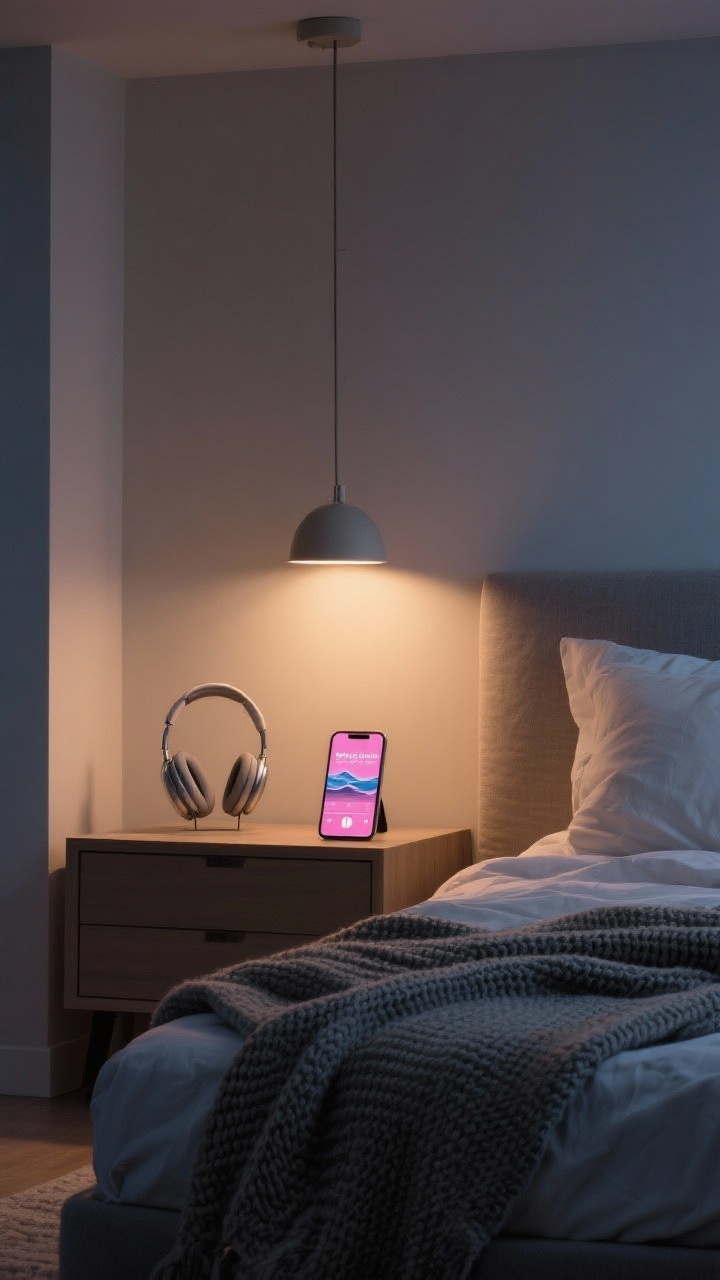
Sometimes, even with the cutest setup, your chest still aches. That’s normal. Homesickness is tied to attachment and safety. Design can help regulate your nervous system alongside other supports.
Design Fix: Sensory-Friendly Styling
- Soft light only at night: Lamps, not overheads. Warm bulbs (2700K) help your body wind down.
- Weighted comfort: If a weighted blanket won’t fit, fold a heavy throw at the foot of the bed for similar pressure.
- Soundscapes: Pink noise or ocean sounds can calm a racing mind. Headphones = portable sanctuary.
- Visual calm: Clear one surface completely—dresser, desk, or nightstand. Too many objects = mental noise.
And if you need a little extra connection? Schedule calls from your “claimed” corner, not on the go. The environment matters for emotional conversations—your brain encodes that spot as safe and supported.
Quick Packing List For Future You
- Travel diffuser + your signature oil
- Soft pillowcase or travel pillow
- Compact clip light or mini lamp
- Small photo or foldable frame
- Lightweight throw or oversized scarf
- Tray or pouch for a mini vignette
Final Thought: Homesickness doesn’t mean you’re not adventurous—it means your brain remembers what safety feels like. Give it a few familiar cues, style your routines, and watch your temporary space turn into a place you’ll actually miss when you leave. Go explore. Your “home” can travel with you.