
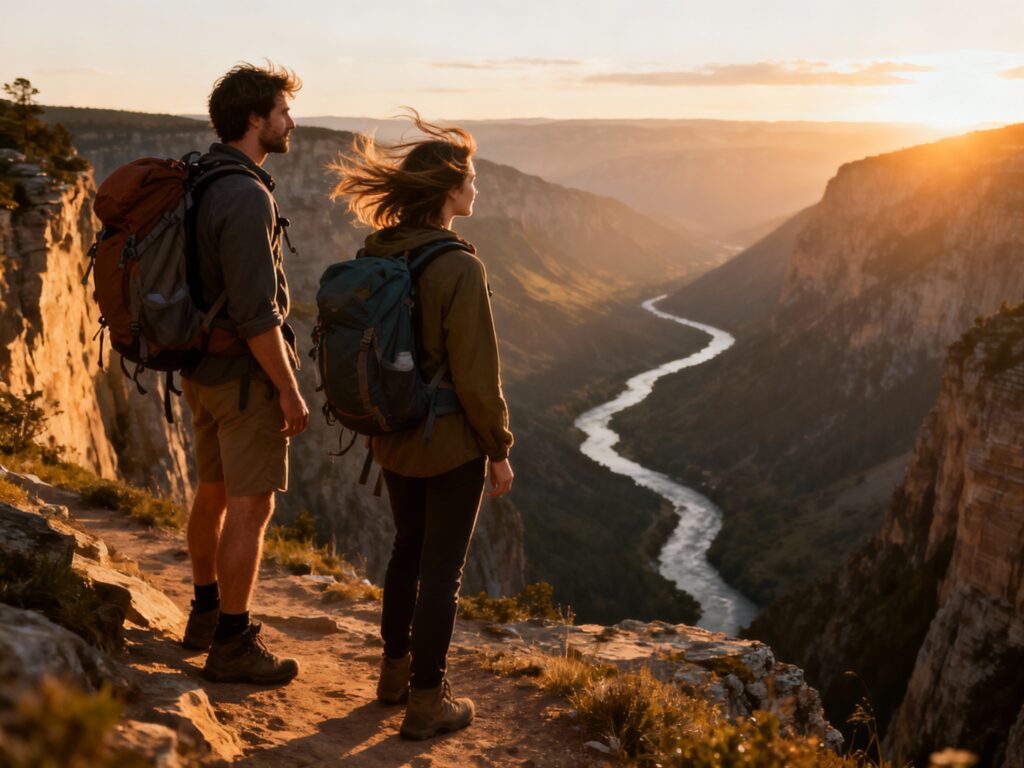
Some couples do dinner and a show. You two do sunrise hikes, salty hair, and “should we send it?” energy. If your dream date includes a little adrenaline (plus a cozy place to crash after), these destinations are for you.
Below are five adventure-forward trips that still feel romantic—think epic views, guided options for first-timers, and enough good food to balance out the early alarms.
Top 5
1) Queenstown, New Zealand
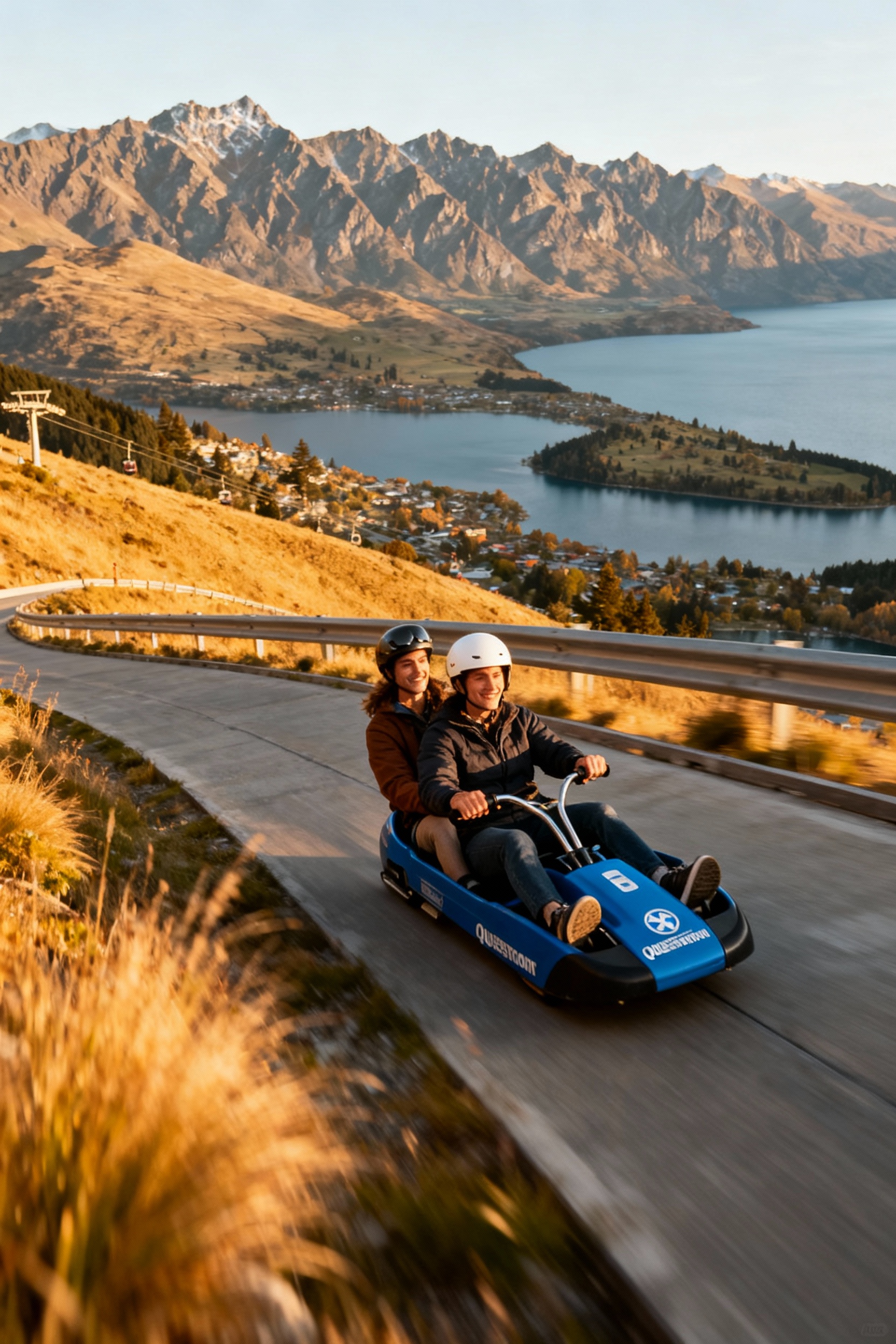
Queenstown is basically the capital of “let’s try it once,” from bungy jumping to jet boating and skyline luge. Base yourselves in central Queenstown so you can walk to dinner after a big day, and book popular activities 2–4 weeks ahead in peak summer (Dec–Feb). For a couples win, do a day trip to Milford Sound (coach + cruise is easiest) and pack a light rain shell—weather changes fast.
2) Costa Rica (Arenal & Monteverde)
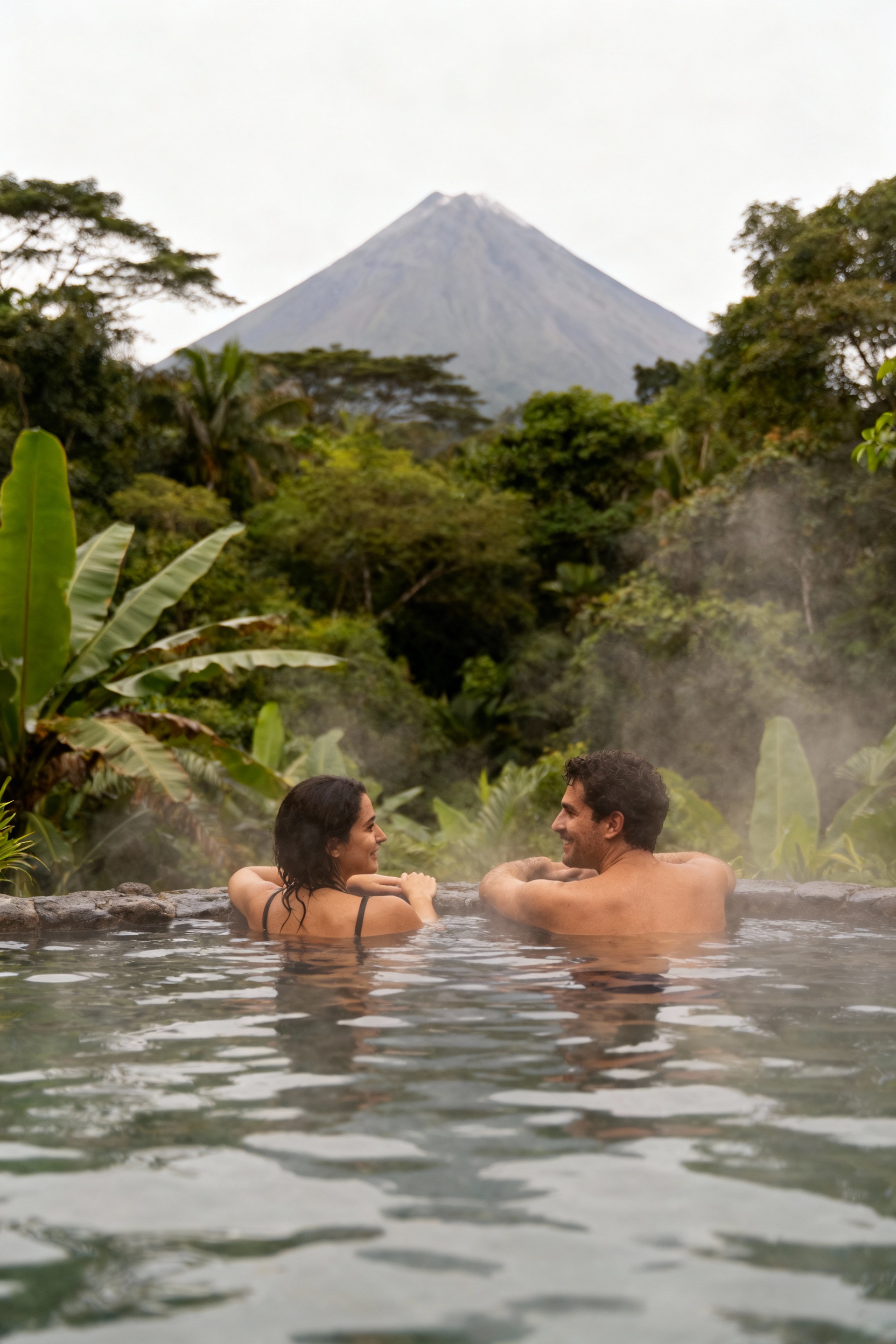
For a first-time adventure couple, Costa Rica is the sweet spot: rainforest hikes, hot springs, ziplining, and wildlife without needing extreme skills. Split your trip between La Fortuna (Arenal Volcano) and Monteverde; shuttle transfers are simple and save you the stress of driving at night. Go in the dry season (Dec–Apr) for clearer trails, and bring quick-dry layers plus bug spray—sunny mornings can turn into humid afternoons.
3) Banff & Jasper, Canada
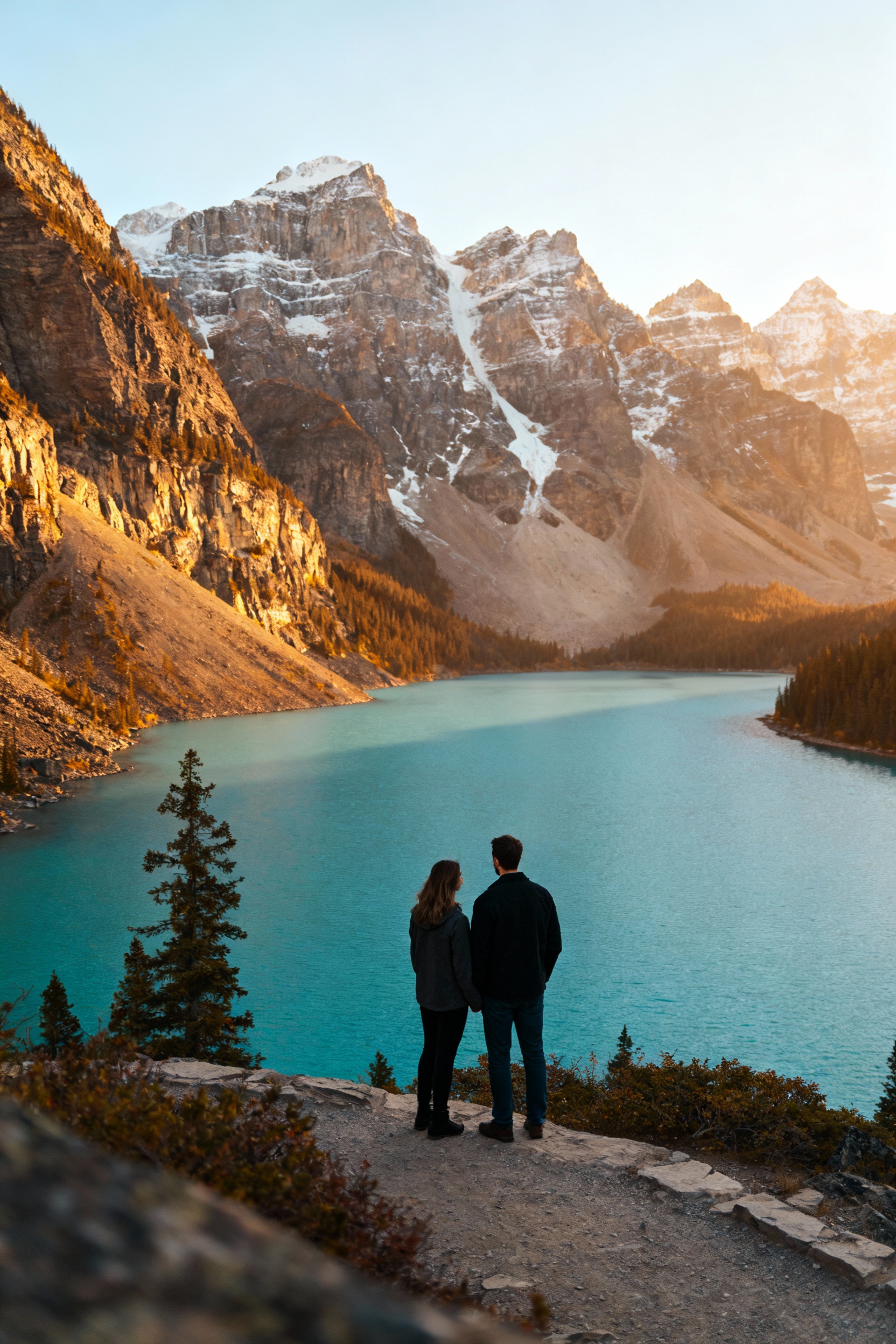
If you want mountains that look edited in real life, Banff and Jasper deliver—glacier lakes, scenic drives, and hikes for every level. Visit June–September for hiking, or January–March for skiing and winter activities; either way, reserve your lodging early because it sells out fast. For planning, prioritize the Icefields Parkway drive and pack bear spray for summer trails (and know how to use it), plus traction cleats if you’re going in shoulder season.
4) Azores, Portugal (São Miguel)
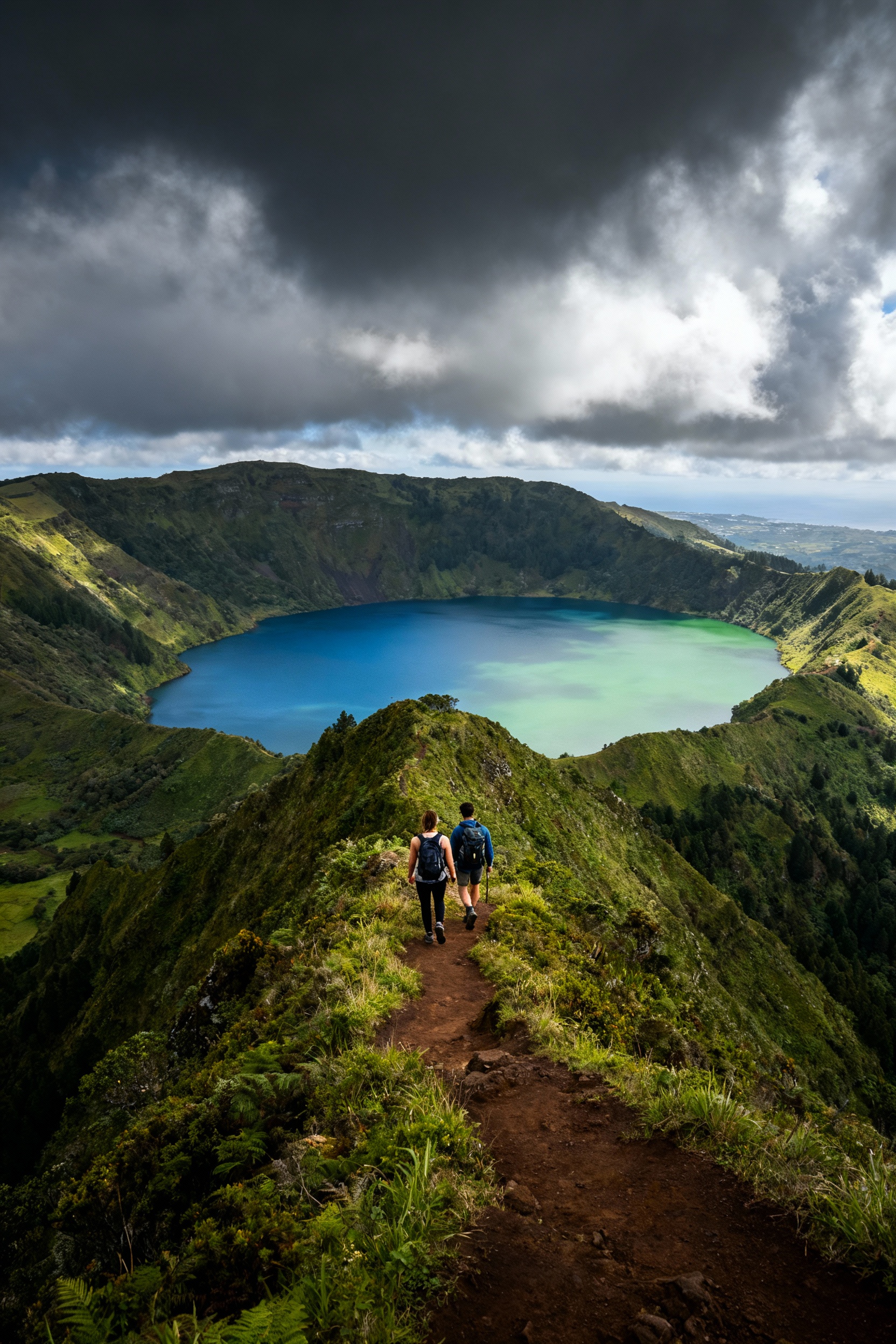
The Azores feel like Europe’s best-kept adventure secret: crater lakes, coastal hikes, canyoning, and natural hot springs—without mega crowds. Stay near Ponta Delgada for easy dining and day tours, then rent a car so you can chase viewpoints between rain showers. Aim for late spring to early fall (May–October) for the best mix of weather and whale-watching, and pack a lightweight waterproof jacket because “four seasons in a day” is a real thing here.
5) Patagonia (El Chaltén & Torres del Paine)
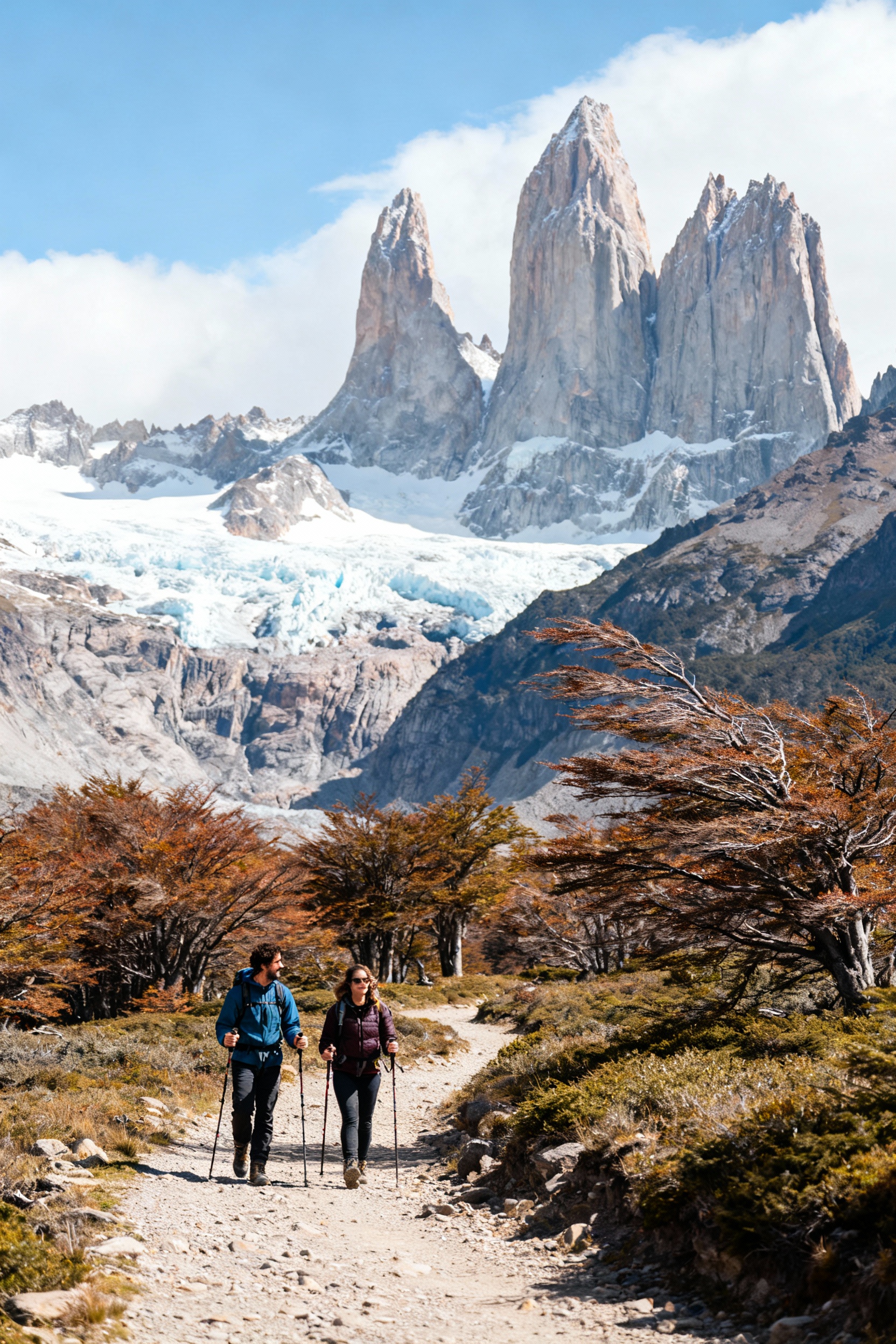
Patagonia is for couples who bond over big landscapes and bigger trail days—think granite spires, glaciers, and wind that keeps it interesting. For first-timers, base yourselves in El Chaltén (Argentina) for day hikes, then add Torres del Paine (Chile) with guided day trips or a shorter hut trek if you don’t want full-on expedition mode. Go in the Southern Hemisphere summer (Nov–Mar), book buses and park stays early, and pack windproof layers—this is not the place for a flimsy jacket.
FAQ
What’s the best destination here for couples who are new to adventure travel?
Costa Rica is the easiest start: tons of guided activities, great infrastructure, and adventures that feel exciting without being overly technical. You can tailor it from “easy hikes + hot springs” to “zipline + whitewater rafting” based on your comfort level.
How far in advance should we book adventure activities?
For popular places like Queenstown and Banff, book key activities and lodging 4–12 weeks ahead (earlier for peak holidays). For Costa Rica and the Azores, 2–6 weeks is usually fine, but always lock in must-dos like canyoning, whale tours, and park shuttles.
What should couples pack for an adventure-heavy trip?
Start with layers (base layer, mid layer, waterproof/wind shell), broken-in shoes, a reusable water bottle, and a small daypack. Add destination extras like bug spray for Costa Rica, traction cleats for shoulder-season Canada, and windproof gear for Patagonia.
How do we keep an adventure trip romantic (not just exhausting)?
Plan one “recovery” block every two days: a hot spring soak (Costa Rica or Azores), a lakeside picnic (Banff), or a nicer dinner in town (Queenstown). Also, don’t stack early mornings back-to-back—mix one big day with one flexible day.
Is it better to rent a car or rely on tours?
It depends: the Azores and Banff/Jasper are easiest with a car for viewpoints and trailheads, while Costa Rica can be smoother with shuttles between towns plus local tours. Patagonia often works best as a combo (buses between hubs, then guided trips or shuttles inside parks) so you can focus on hiking instead of logistics.