
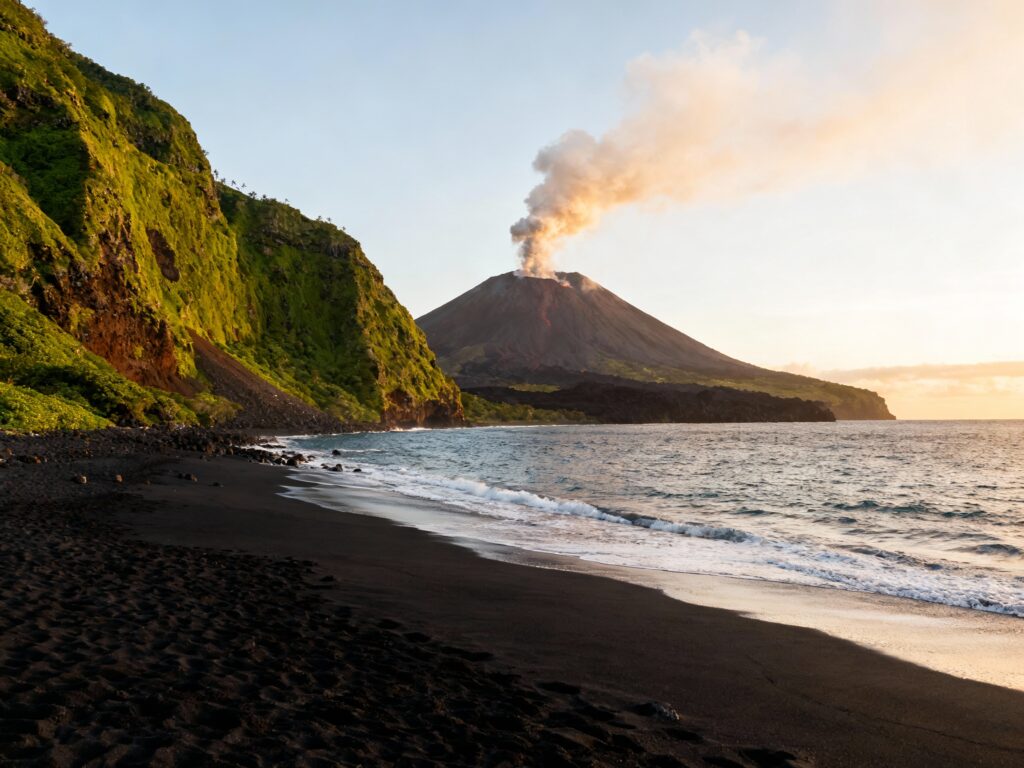
The Big Island is basically Hawaii turned up to max: volcanoes, black-sand beaches, rainforests, and stargazing that feels unreal. If you love nature and want adventures that actually get you outside (not just parked at a resort), this is your island.
These five picks are first-timer friendly, easy to plan, and packed with “how to do it” details—so you can spend less time Googling and more time exploring.
Top 5
1) Sunrise at Mauna Kea + Stargazing After
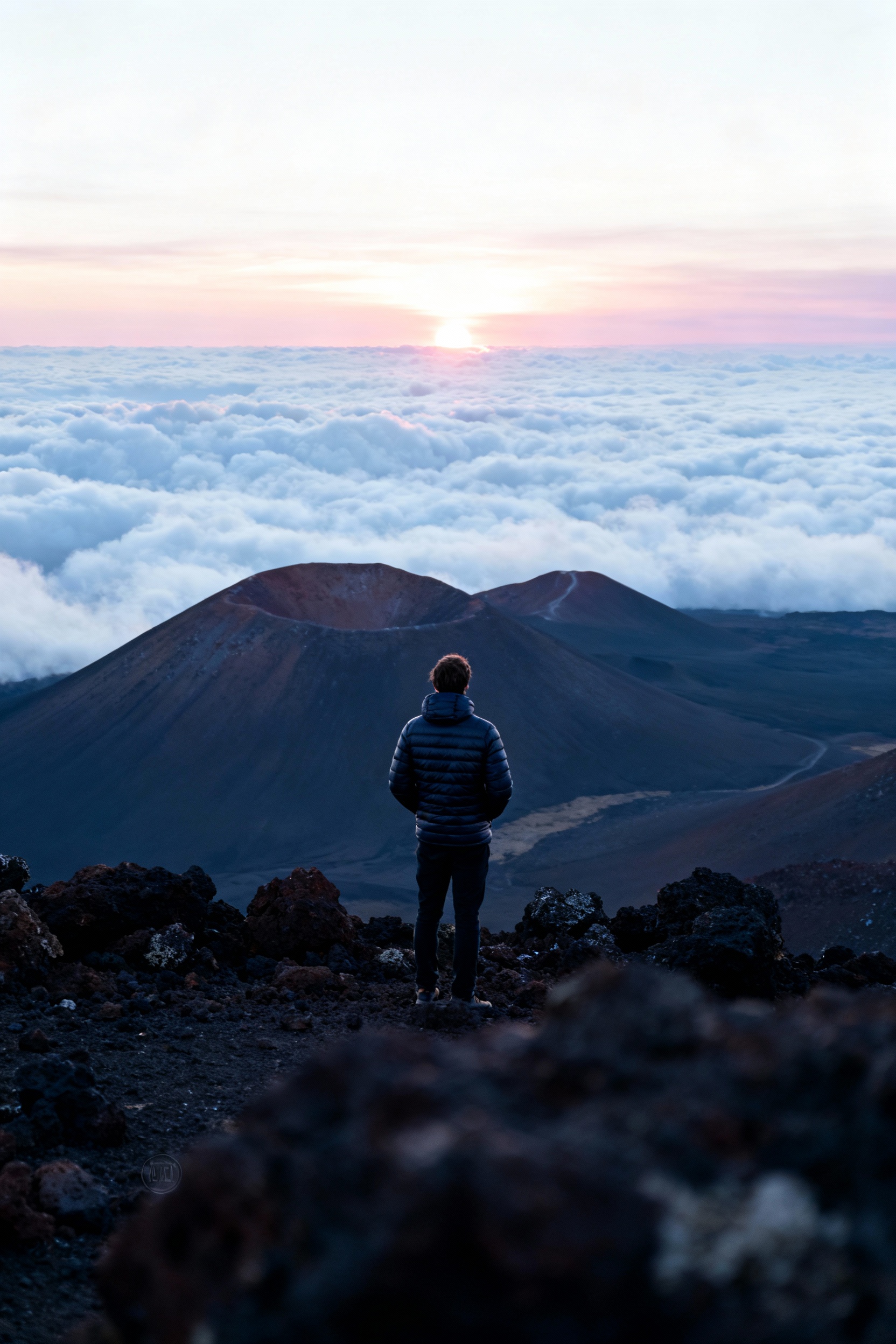
For the best sky show on the island, plan a Mauna Kea summit experience with a reputable tour—especially if you’re not used to high altitude driving. Dress like it’s winter (puffer, gloves) and bring water; it can drop below freezing up top even when the coast is warm. If you’re doing sunrise, aim to start early and expect limited food options—pack snacks and download maps before you go.
2) Hawai‘i Volcanoes National Park: Craters, Lava Landscapes, and Night Glow Chances
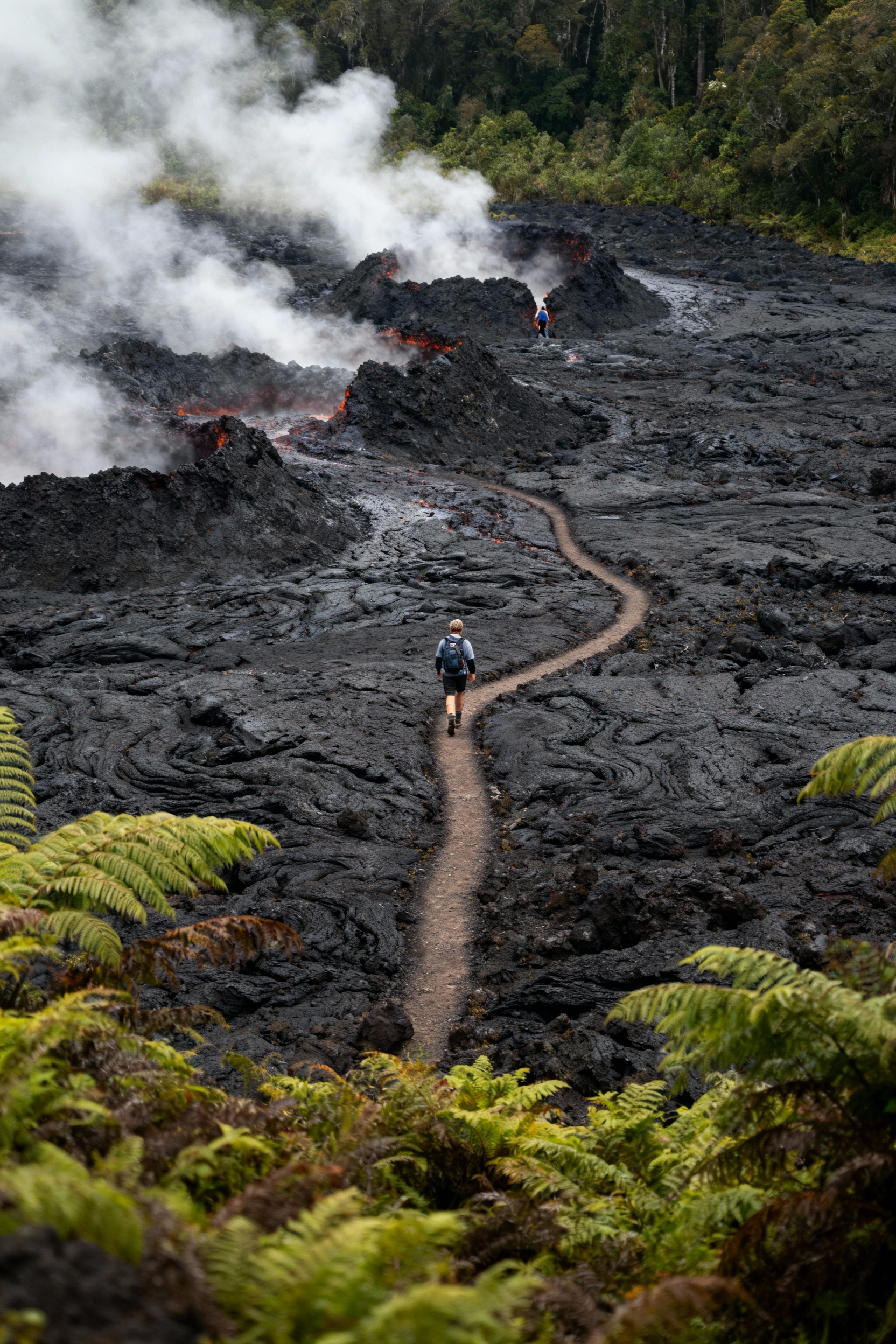
Base yourself in Volcano Village for the easiest park access and the coziest post-hike vibe. Start with Kīlauea Iki Trail in the morning (cooler temps, fewer people), then cruise Chain of Craters Road for dramatic viewpoints and short walks. Pack a headlamp and a light rain jacket—weather changes fast—and check the NPS site for current eruption/road conditions before you commit.
3) Snorkel with Manta Rays in Kona (After Dark)
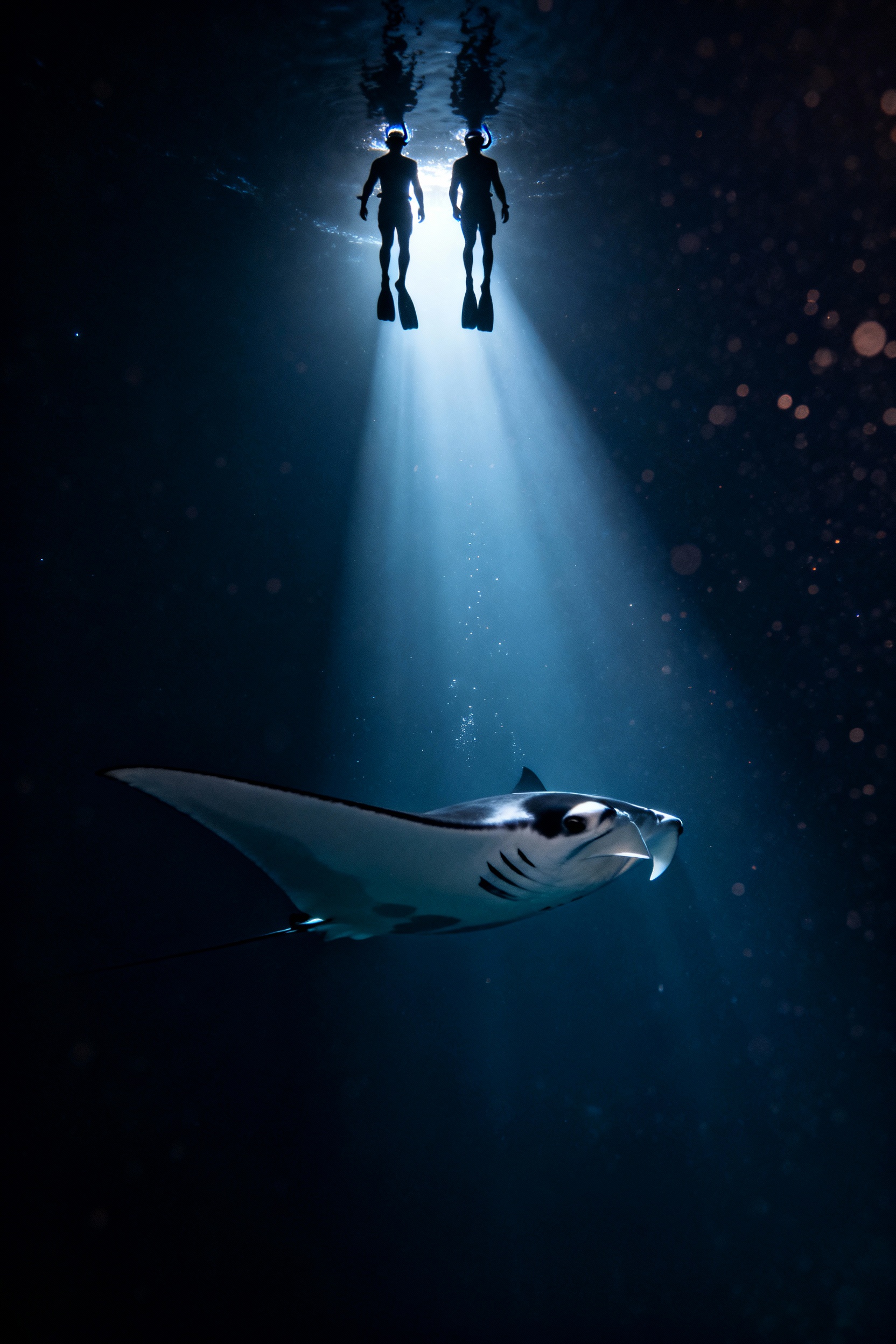
This is one of the most iconic Big Island experiences, and it’s surprisingly beginner-friendly if you can float and stay calm in open water. Book a licensed operator out of Kailua-Kona or Keauhou and choose a night with a later start if you want a relaxed day beforehand. Bring a rash guard for warmth, skip heavy dinner right before, and consider motion-sickness meds if you’re sensitive—night ocean swells can be a vibe.
4) Waterfall & Rainforest Day in Hilo + ʻAkaka Falls
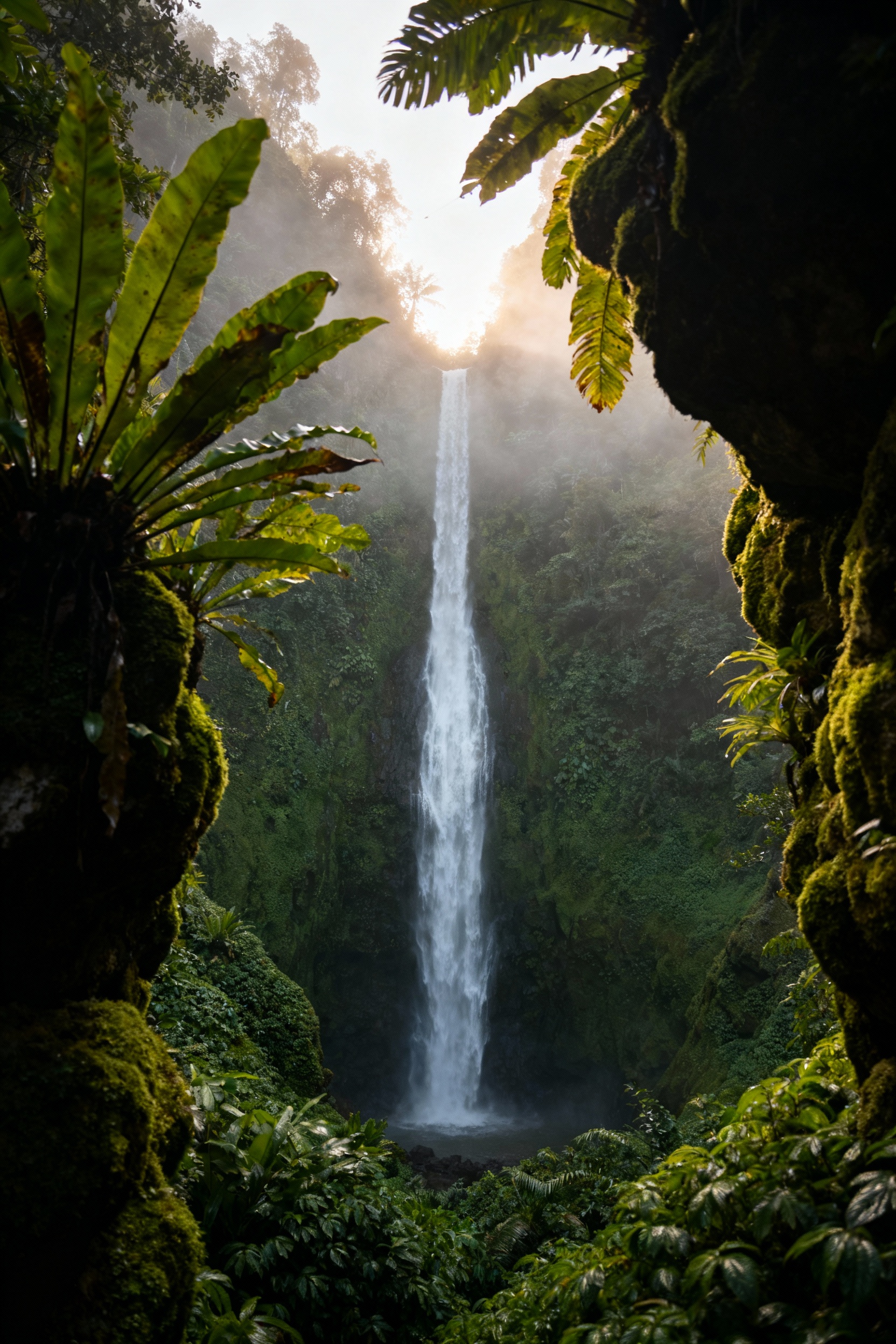
Hilo is your lush, tropical contrast to the Kona side—think misty mornings and bright green everything. Hit ʻAkaka Falls State Park early (right after opening is ideal), then add a low-key nature stop like the Hawaii Tropical Bioreserve & Garden or a coastal walk at Liliʻuokalani Gardens. Wear shoes with grip because paths can be slick, and keep a small towel in the car for the inevitable rainforest drizzle.
5) Punaluʻu Black Sand Beach + Sea Turtle Spotting Road Trip
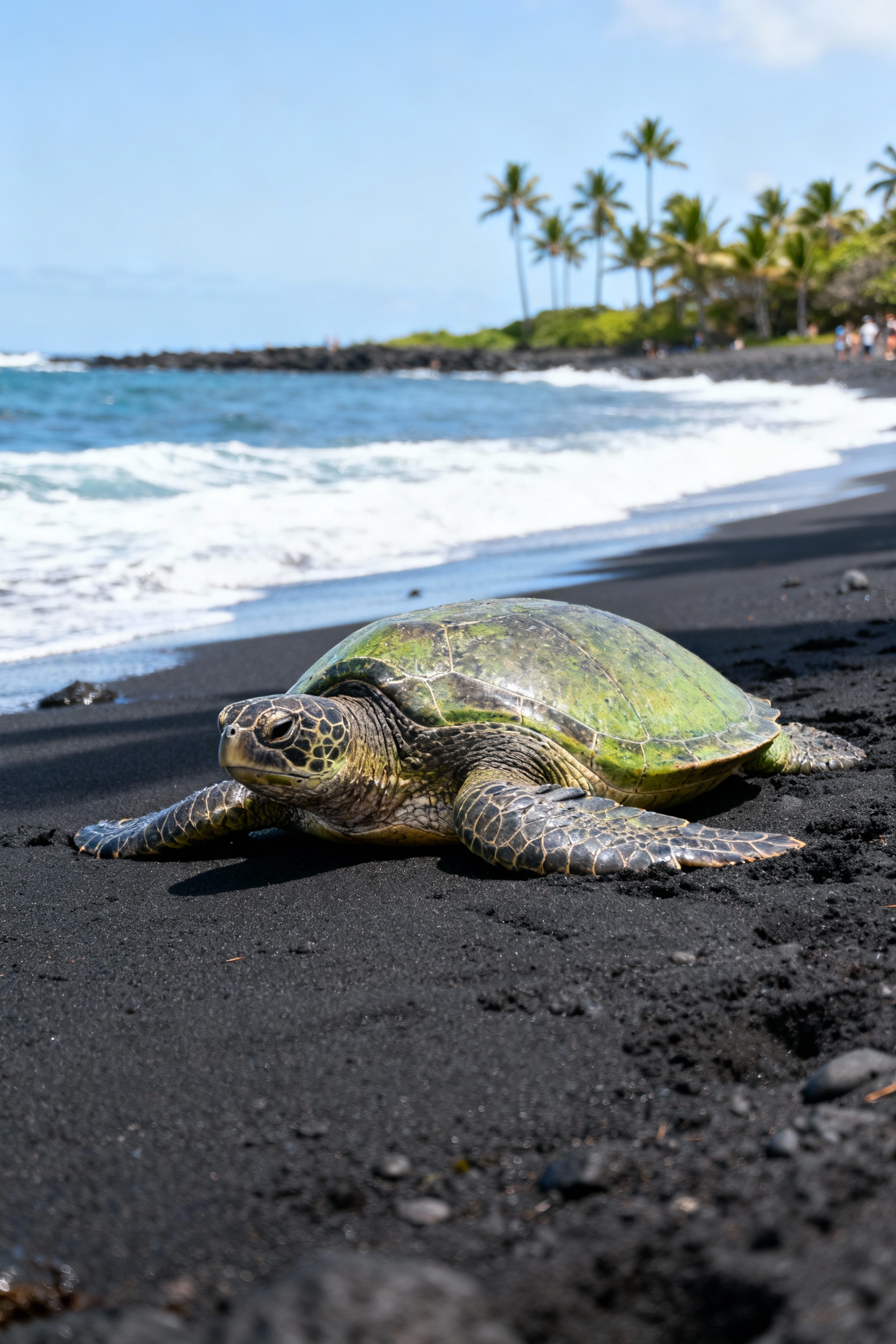
Plan this as a scenic South Island loop with multiple quick stops rather than a one-and-done beach visit. Arrive late morning or mid-afternoon for your best chance of spotting honu (Hawaiian green sea turtles) resting on shore—keep a respectful distance and never block their path to the water. Bring sandals for hot sand, a picnic, and extra water; services can be spread out, and you’ll want flexibility for spontaneous viewpoints.
FAQ
When is the best time to visit the Big Island for nature adventures?
April to June and September to mid-December are sweet spots for good weather and fewer crowds. Winter can bring bigger surf and more rain on the Hilo side, while summer tends to be warmer and busier. No matter the season, plan by region—Kona is typically drier, Hilo is typically greener and wetter.
How many days do I need to do these five adventures?
Plan 5–7 days to do all five without feeling rushed, especially if you’re splitting time between Kona and Hilo/Volcano. A common first-timer setup is 3–4 nights in Kona (manta rays, beaches, Mauna Kea access) and 2–3 nights near Volcano or Hilo (national park, waterfalls). You can do it faster, but you’ll spend a lot more time driving.
Do I need a rental car on the Big Island?
Yes—if you want to do nature-focused adventures, a rental car makes everything easier and saves time. Distances are bigger than they look on a map, and public transit won’t realistically cover sunrise tours, waterfall loops, and national park stops. Book early, especially for peak season, and download offline maps because service can be spotty.
Is Mauna Kea safe for first-timers?
It can be, as long as you respect the altitude and plan smart. Many visitors feel the elevation (headache, nausea), so go slowly, hydrate, and avoid if you have certain medical conditions. If you’re not comfortable driving steep roads or you want the easiest logistics, book a tour so you can focus on the experience.
What should I pack for a Big Island adventure itinerary?
Bring a light rain jacket, reef-safe sunscreen, a reusable water bottle, and sturdy walking shoes for lava rock and wet trails. Add a warm layer for Mauna Kea (think real jacket, not a hoodie), plus a swimsuit and rash guard for snorkeling. A small daypack with snacks, a headlamp, and a basic first-aid kit will make your days smoother.