
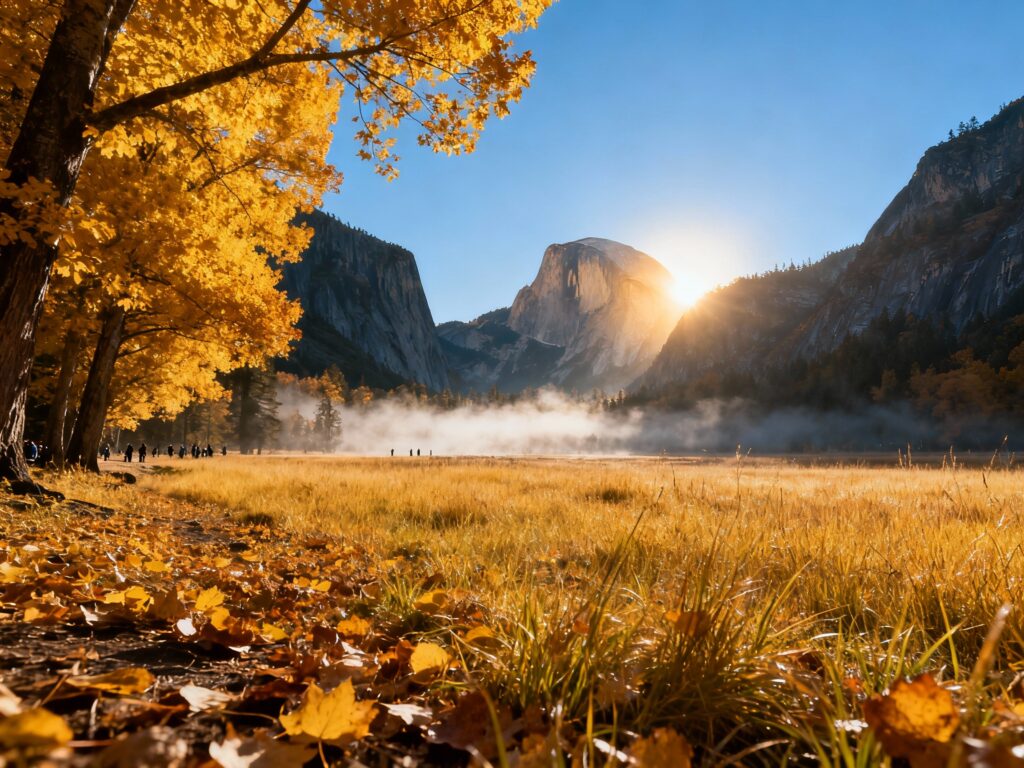
October in Yosemite is that sweet spot: crisp mornings, golden leaves in the Valley, and fewer crowds than peak summer. Waterfalls can be smaller, but the vibes are big—clearer skies, easier parking (most days), and trails that feel more “yours.”
Plan for chilly shade and warm sun, and build your days around early starts. Here are five fall experiences that hit the Yosemite-in-October sweet spot, especially for first-timers.
Top 5
1) Chase Fall Color in Yosemite Valley (Cook’s Meadow + Valley Loop)
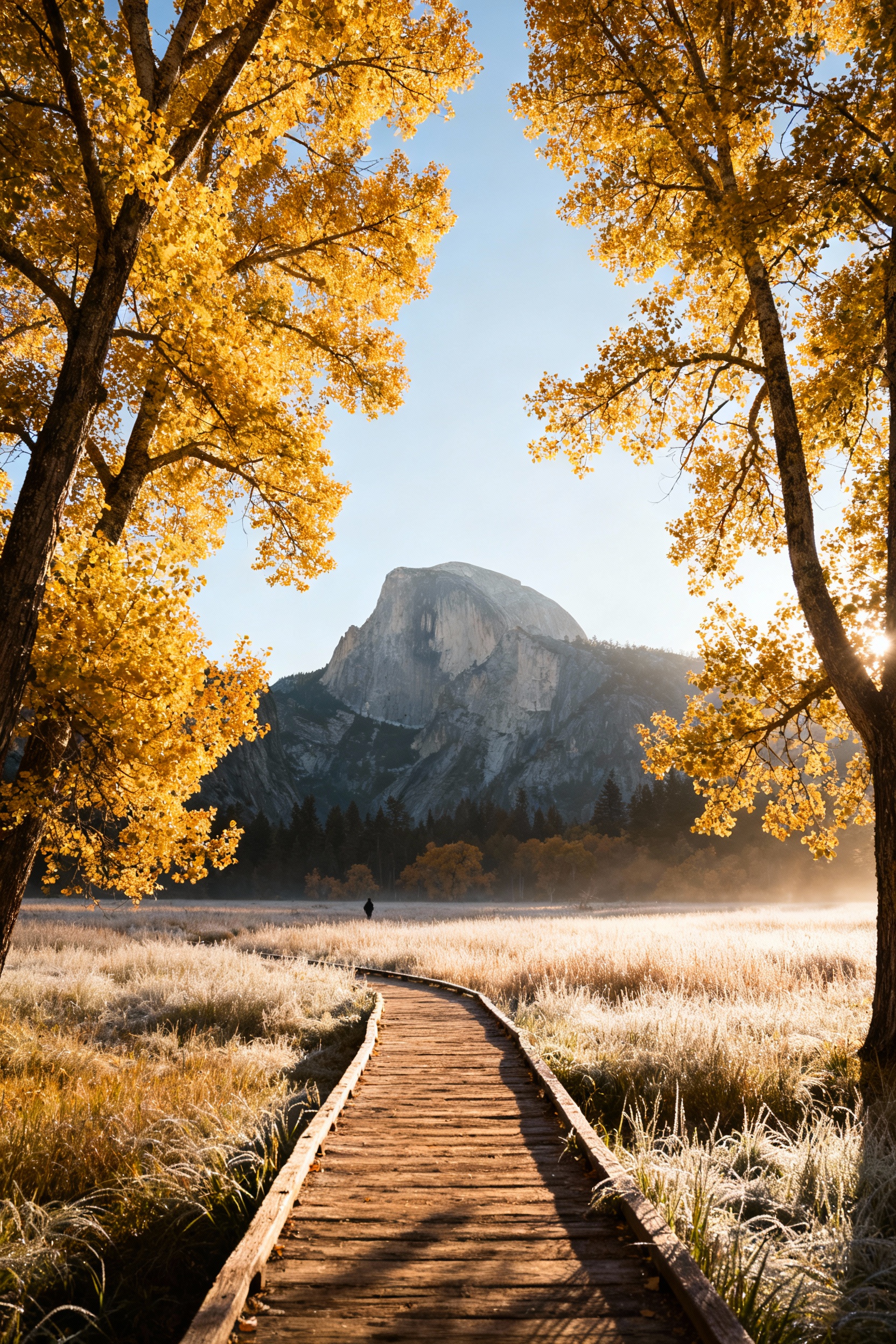
Start with a sunrise stroll around Cook’s Meadow for classic views (Half Dome + golden trees) with minimal effort and maximum payoff. Then connect to the Valley Loop Trail for a longer walk—go early for easy parking near Yosemite Valley Lodge or Curry Village. Pack a light puffer and gloves for the first hour, then peel layers once the sun hits. If you only have half a day, do Cook’s Meadow plus a short loop toward Sentinel Bridge for peak photo angles.
2) Drive Tioga Road for High-Country Views (If It’s Open)
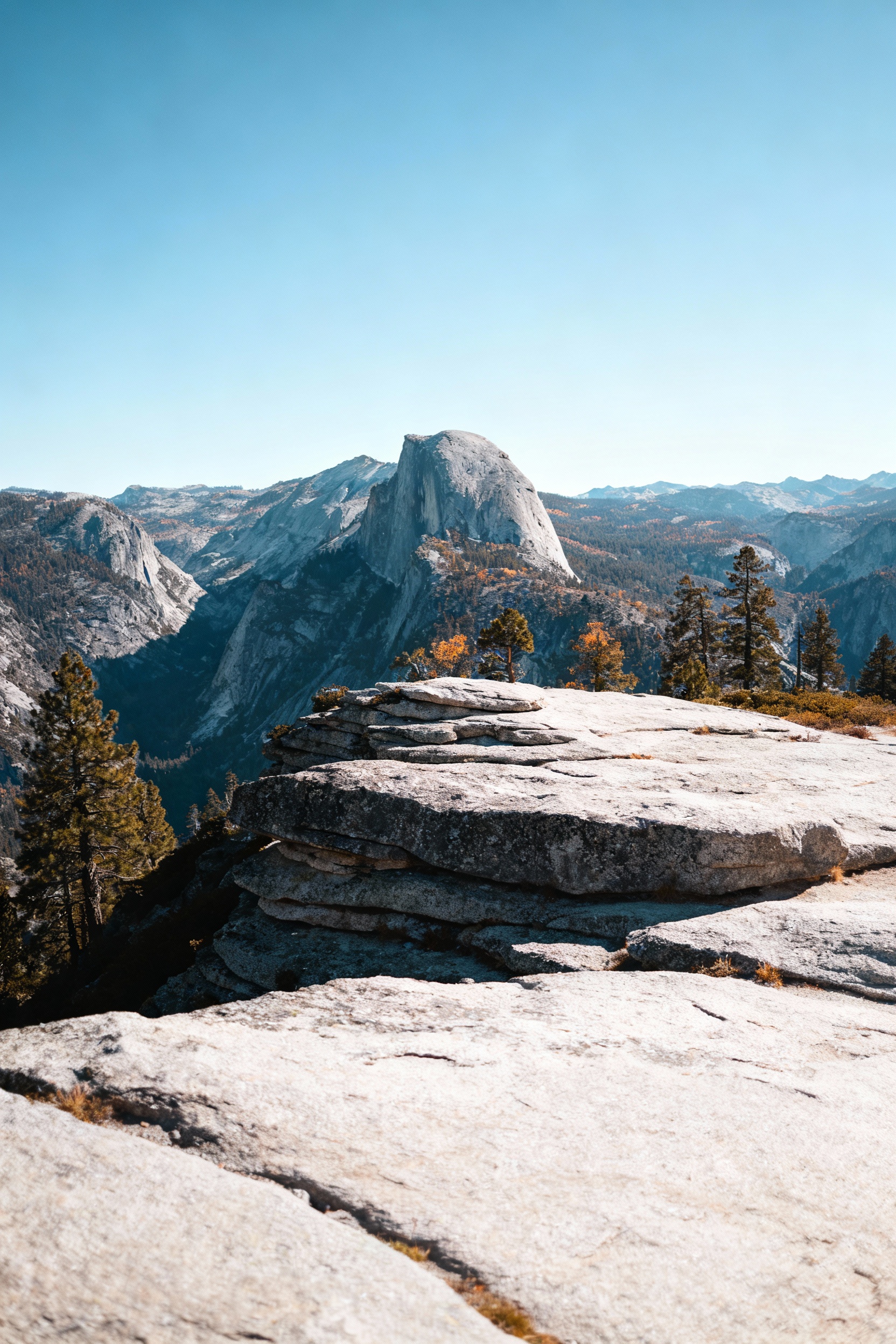
Tioga Road (Highway 120 through the park) is an October must-do when it’s open, with huge granite views and easy access to high-country stops like Olmsted Point and Tenaya Lake. Check conditions the night before and the morning of—early storms can cause closures, and services are limited. Bring snacks, a full water bottle, and a warm hat; it can feel wintery up there even when the Valley is sunny. Aim for late morning light for photos and fewer shadows, and plan a flexible backup day in case weather changes fast.
3) Hike to Nevada Fall via the Mist Trail (Fall-Friendly Timing)
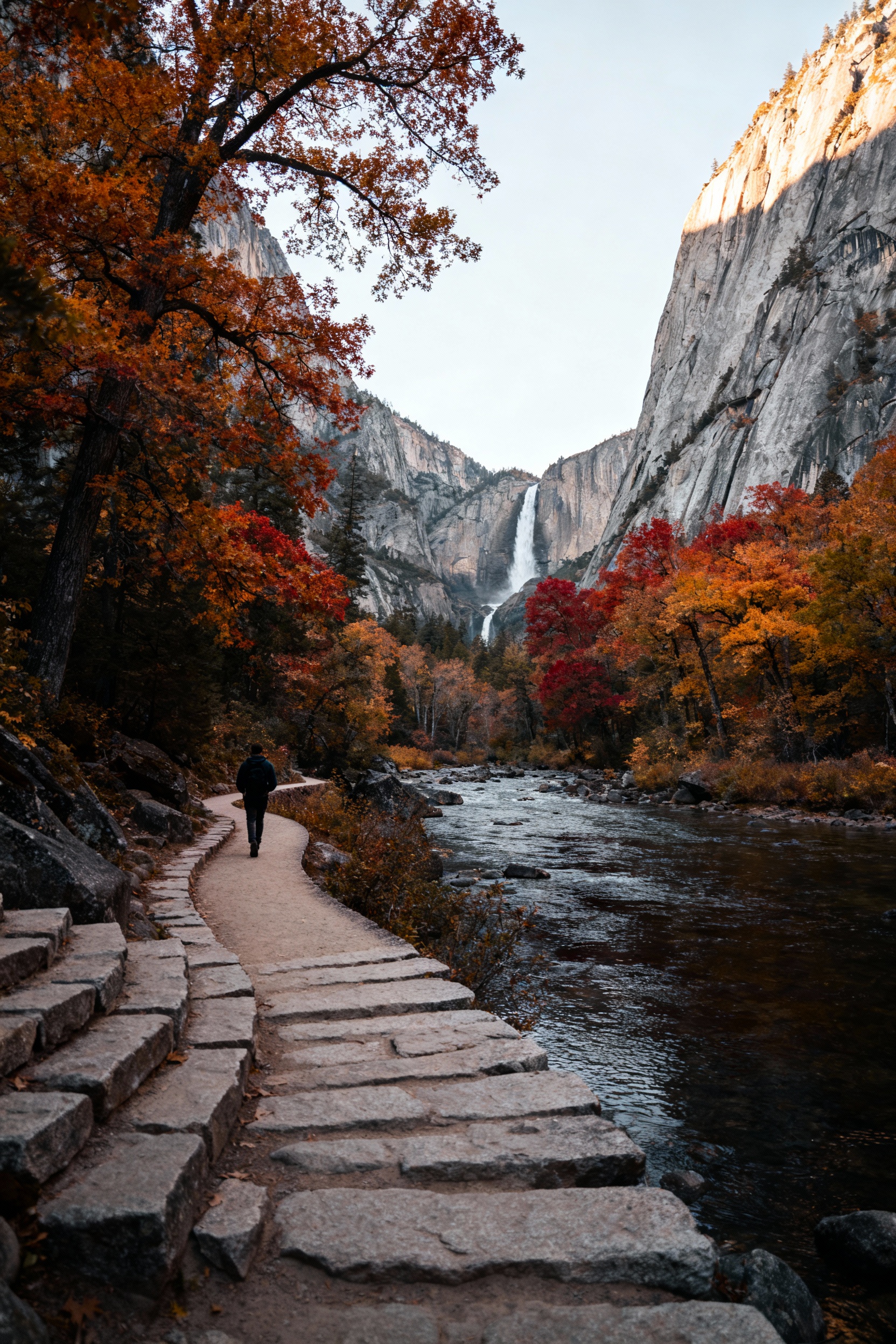
October is ideal for Yosemite’s big hikes because temperatures are cooler, but expect less spray on the Mist Trail if water flow is low. Start at first light (seriously) to avoid crowds and to snag parking at the trailhead; weekdays are your best friend. Wear grippy shoes for slick rock steps, and pack a headlamp if you’re pre-sunrise. If you want a slightly calmer descent, consider returning via the John Muir Trail for different views and fewer bottlenecks.
4) Book a Golden-Hour Viewpoint: Glacier Point (Or Tunnel View If the Road’s Closed)
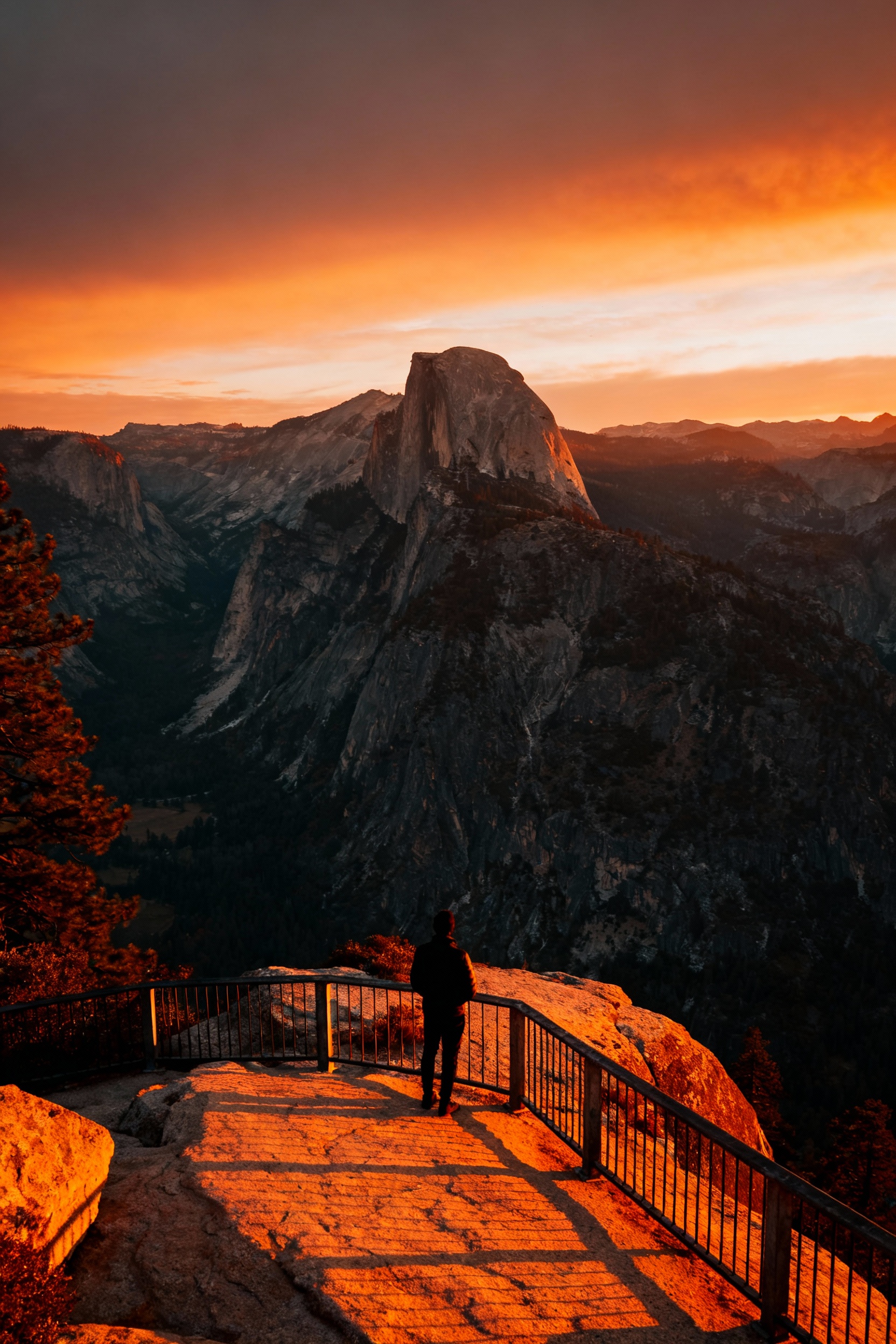
Glacier Point at sunset is iconic, but road access can be seasonal, so confirm it’s open before you plan your evening around it. If it’s closed, do Tunnel View instead—arrive 30–45 minutes before sunset to grab a spot and watch the Valley glow. Bring a thermos of something warm and a tripod or phone mini-stand for night photos if skies are clear. Bonus tip: after dark, linger for stargazing—October often delivers crisp, clear visibility.
5) Do a Low-Key Wildlife + Meadow Morning (El Cap Meadow + Swinging Bridge)
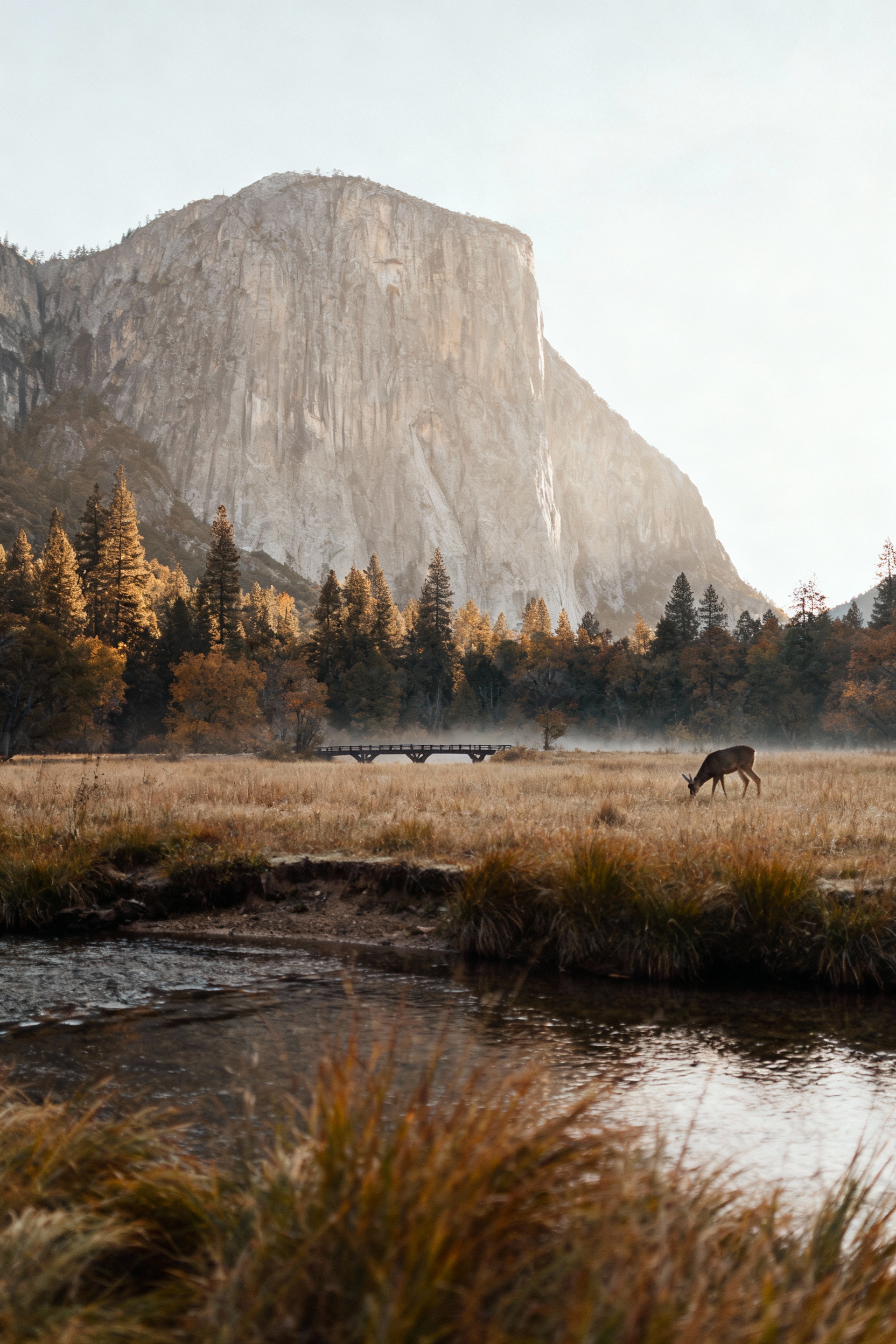
October mornings are prime for spotting deer and other wildlife around meadows—stay quiet, keep distance, and use your zoom instead of getting closer. El Cap Meadow is perfect for a slow walk with big-wall views, and Swinging Bridge offers a peaceful river scene that feels extra cozy in fall light. Go right after sunrise for the calmest conditions and best chance of sightings. Pack binoculars, and don’t forget a reusable water bottle—dry air plus walking adds up fast.
FAQ
Is October a good time to visit Yosemite for first-timers?
Yes—October is one of the easiest months for a first visit because it’s cooler, usually less crowded than summer, and still has plenty of accessible highlights. Just plan for variable weather and shorter daylight hours.
Do I need reservations to enter Yosemite in October?
It depends on the year and any current park management rules. Check the official Yosemite National Park website a week before your trip and again the day before, since entry reservation requirements can change seasonally.
What should I pack for Yosemite in October?
Pack layers: a warm jacket for mornings and evenings, a breathable top for hiking, and a light rain shell just in case. Add grippy hiking shoes, a beanie or gloves for early starts, sunscreen (yes, still), and plenty of water.
Are waterfalls worth seeing in October?
Some waterfalls may be reduced by October, especially after a dry summer, but the scenery is still absolutely worth it. If water flow is low, focus more on viewpoints, granite landscapes, and hikes with big panoramas rather than chasing peak waterfall volume.
How many days do I need for Yosemite in October?
Two days is a solid starter (Valley day + one extra for Tioga Road or a longer hike), but three days feels ideal for a first-timer. With three days, you can mix scenic stops, one big hike, and at least one slower “meadow and viewpoints” morning without rushing.