
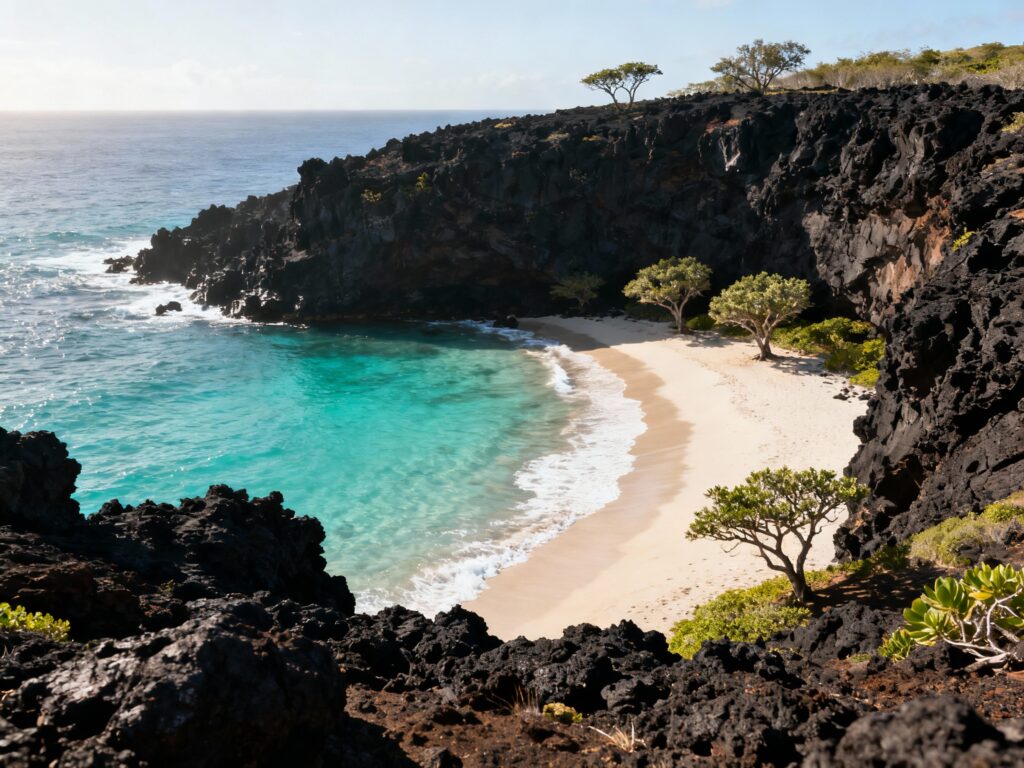
If you’re on the Big Island and craving beach days that feel a little more “we found this” and a lot less “crowded parking lot,” you’re in the right place. These spots aren’t secret-secret, but they’re easy to miss if you only follow the usual itineraries.
A quick heads-up: conditions can change fast here—surf, tides, and rocky entries are real. Pack reef shoes, check ocean conditions before you go, and plan around daylight for safer exploring.
Top 5
1) Makalawena Beach (Keawaiki Bay)
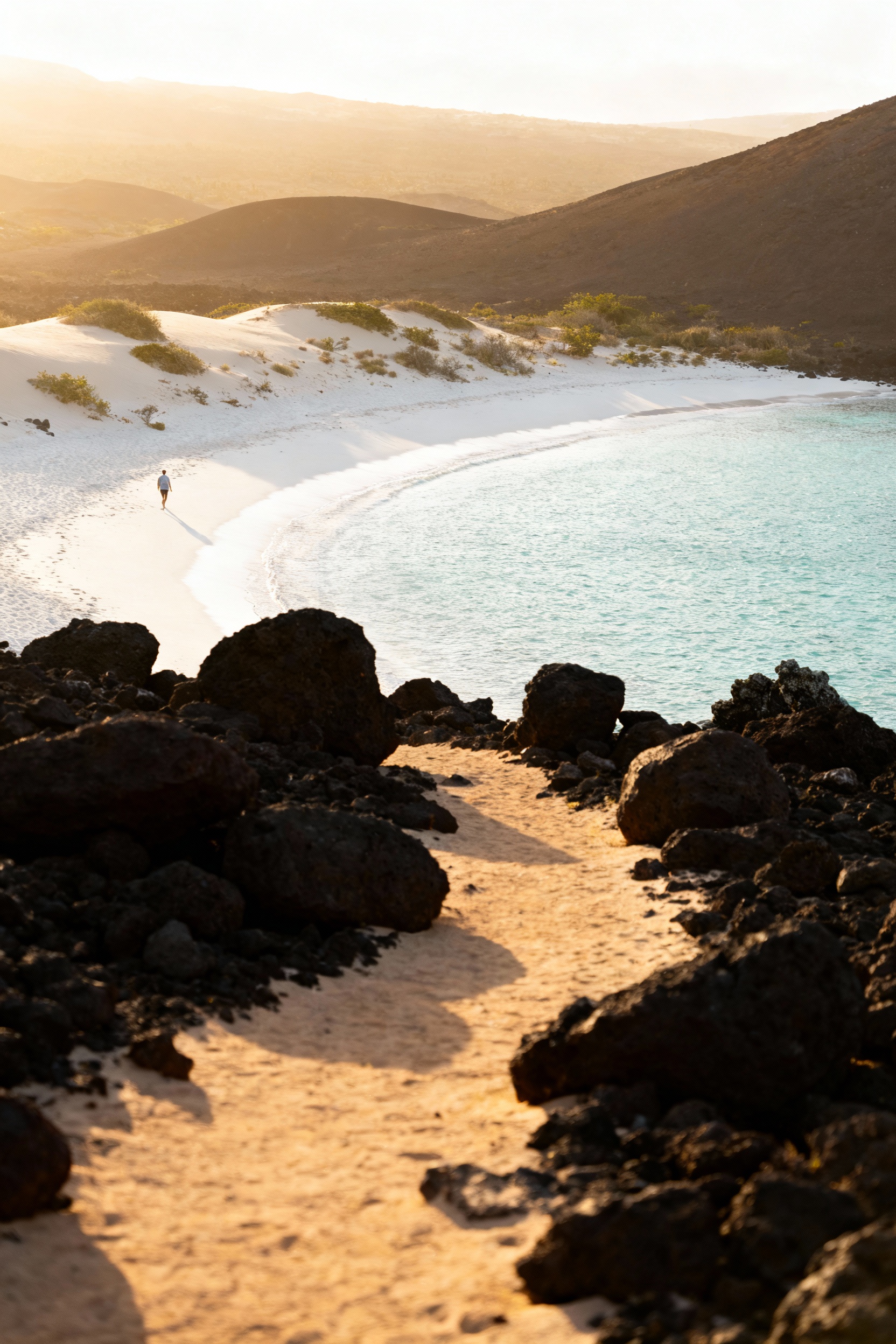
This is the “hidden in plain sight” beach that feels like you earned it: you’ll park near Kekaha Kai State Park and hike across lava rock and sand to get there. Go early (before 9 a.m.) for easier parking and calmer water, and bring plenty of water—there’s zero shade and no facilities. Reef shoes help on the trail, and a snorkel set is worth packing when the ocean is mellow. If you want the easiest approach, aim for the marked access trail and avoid wandering on the lava fields without a path.
2) Kiholo Bay (Queen’s Bath Area)
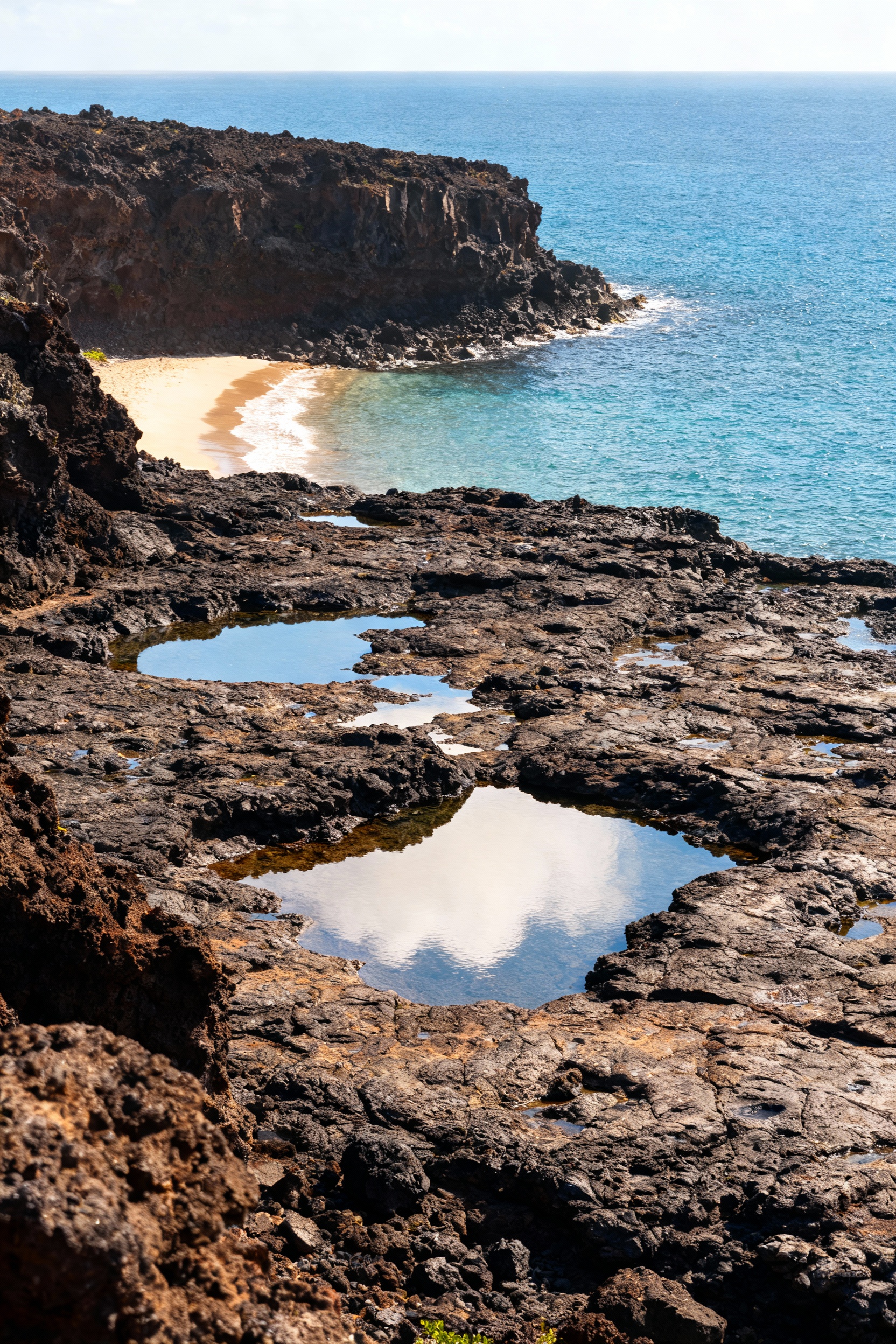
Kiholo is perfect when you want a choose-your-own-adventure day: tide pools, lava shelves, and sandy pockets all in one coastline. The walk from the highway is long and hot, so start in the morning and pack a small cooler, sun protection, and extra water. Don’t count on cell service, and keep an eye out for honu (sea turtles)—give them space and skip flash photos. Plan your route ahead and keep your day flexible because high surf can make the rocky edges a no-go.
3) Mahana Bay (Papakōlea Green Sand Beach)
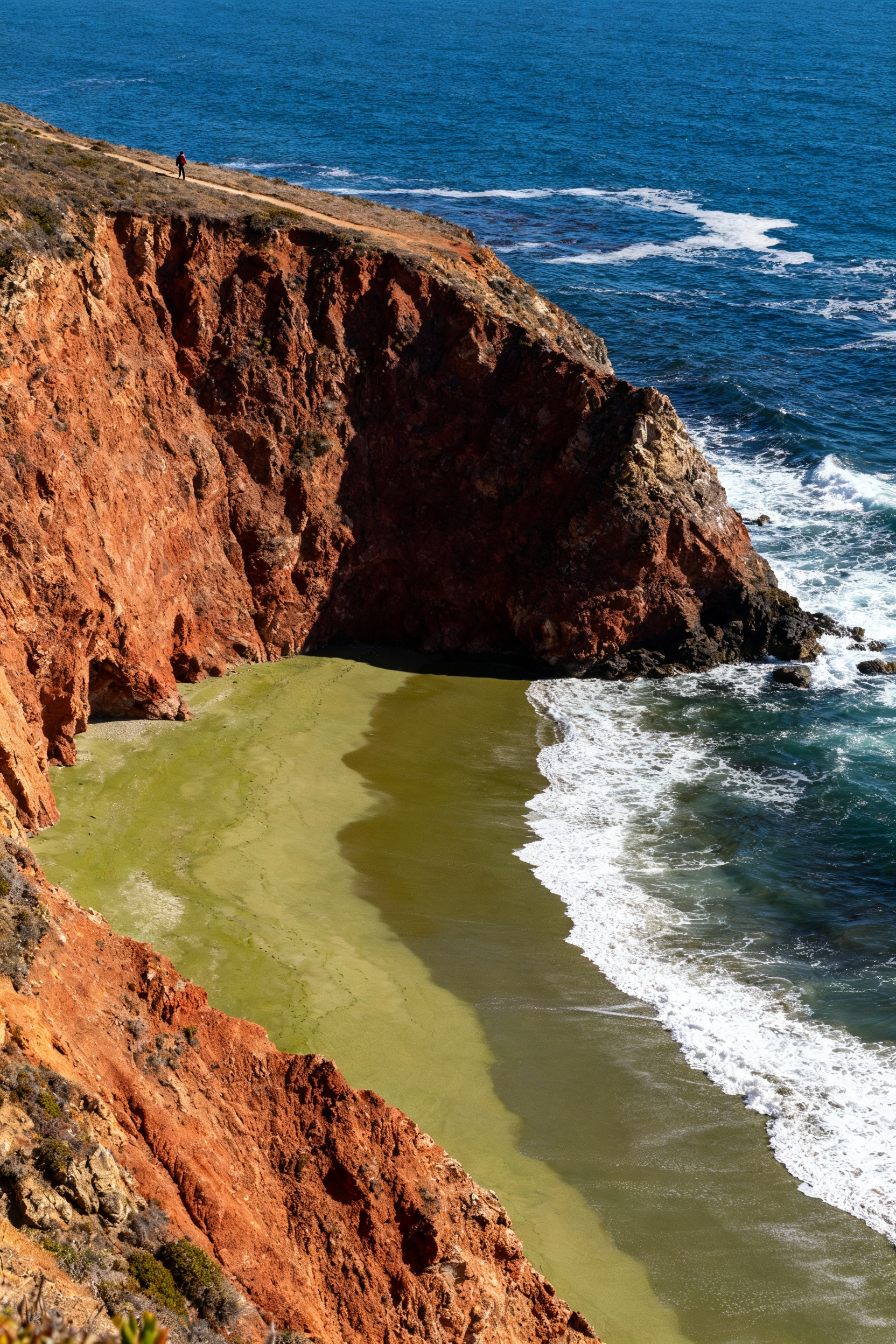
This is the famous green sand beach, but it still feels “hidden” because you have to work for it (and that keeps the crowds down). Skip the private shuttle trucks and do the hike instead—bring a hat, sunscreen, and more water than you think you need because it’s exposed and windy. Start earlier in the day to avoid peak heat, and wear sturdy shoes since the path can be rocky and uneven. When you arrive, keep it low-impact: no taking sand, and be extra careful near the water because shorebreak can be strong.
4) Kapoho Tide Pools Area (Puna Coastline Viewpoints)
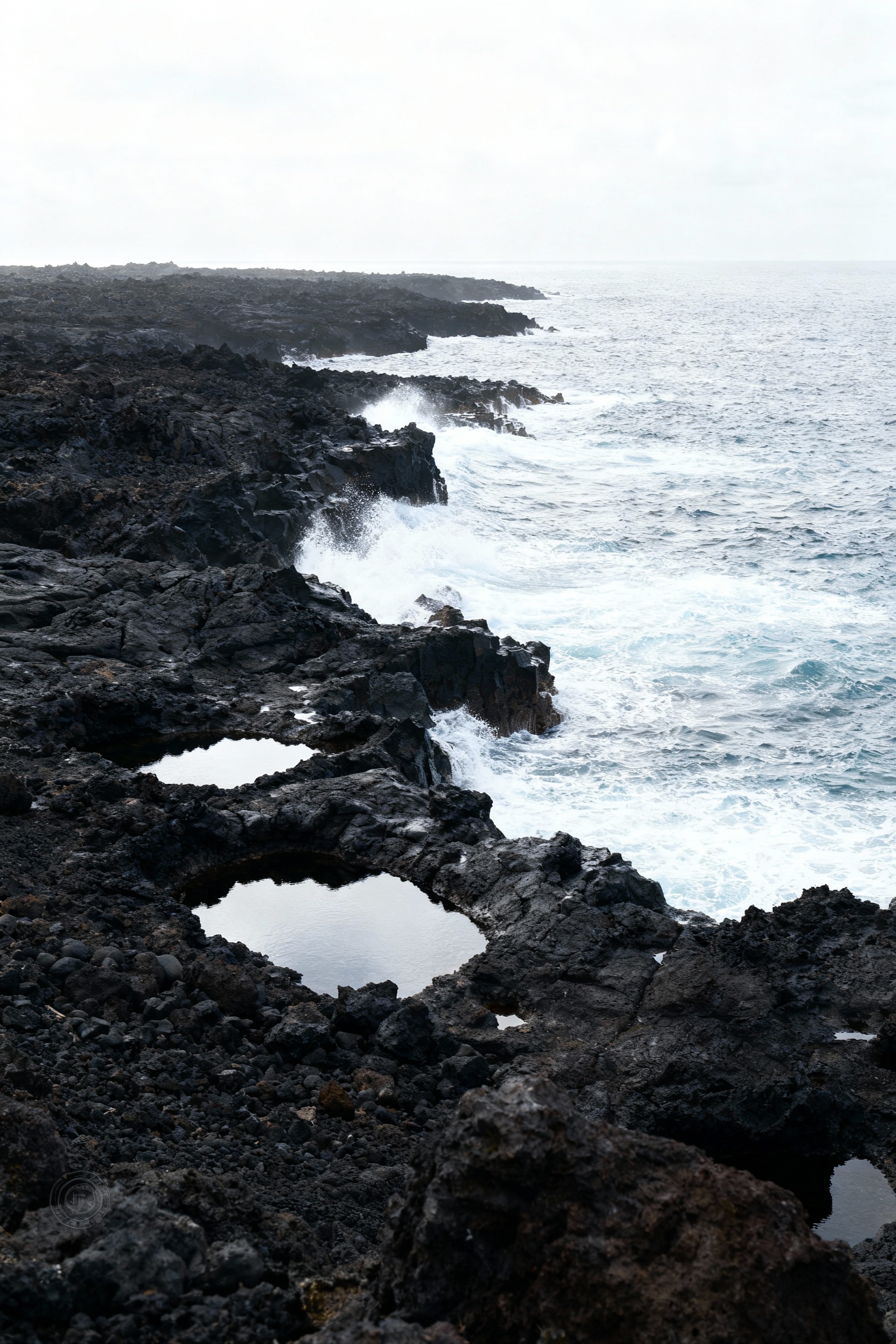
Puna’s coastline is all about dramatic lava landscapes, and while the original Kapoho tide pools were impacted by eruptions, the area still has wild shoreline viewpoints and pockets of ocean access nearby depending on current conditions. Treat this as a “scenic + explore” stop: check local updates, respect closures and private property, and never assume a path is safe just because it looks walkable. Go for sunrise if you want cooler temps and softer light, and pack mosquito repellent if you’re exploring anywhere near vegetation. This is also a great add-on if you’re already doing a Volcano-to-Hilo day and want a different kind of beach vibe.
5) Pololū Valley Beach
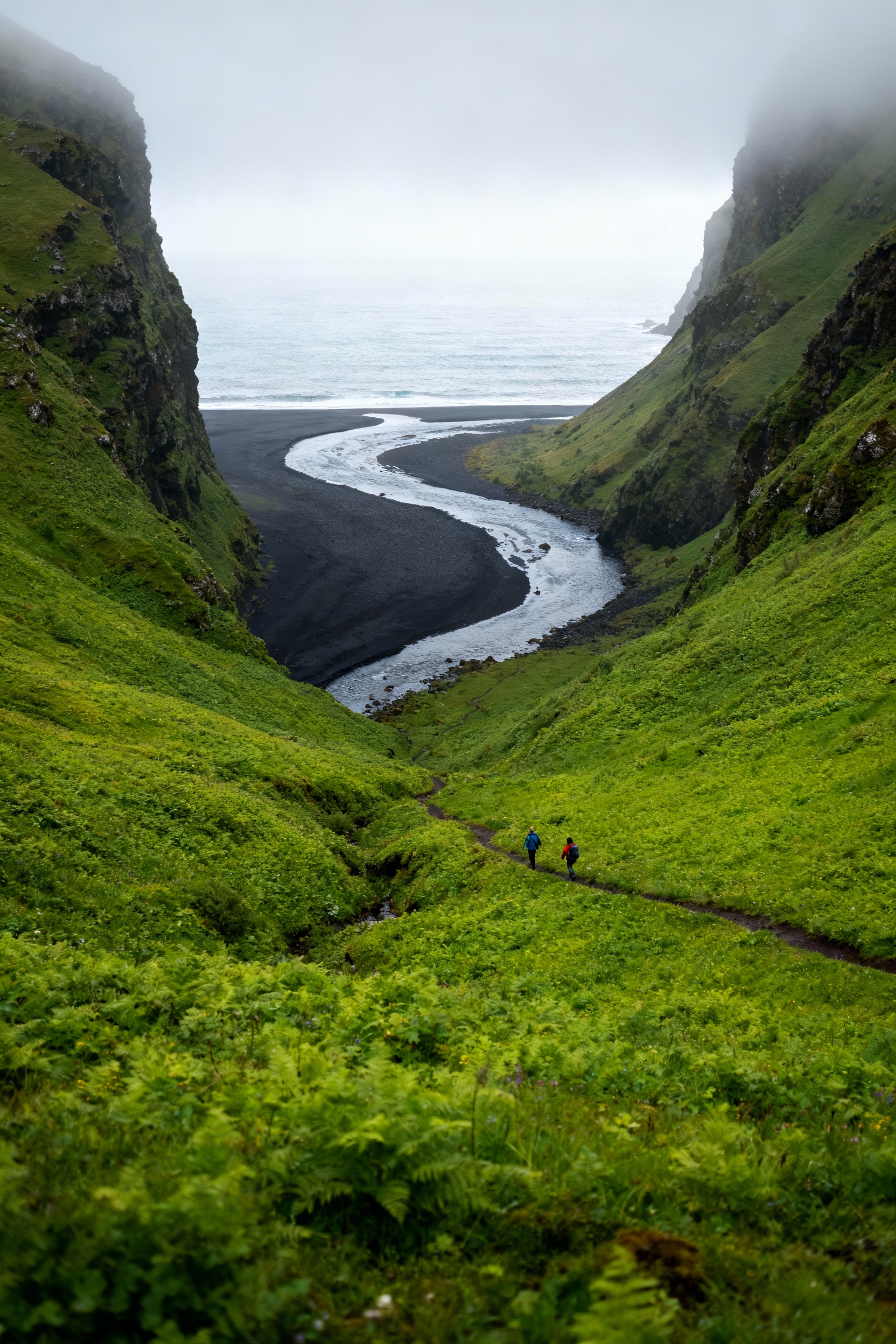
Pololū is a black-sand valley beach with major “end of the road” energy, and the short-but-steep hike down is part of the experience. Wear shoes with grip (the trail can be slick after rain) and don’t plan on swimming—currents can be intense and the surf is often rough. Bring a light picnic, then linger at the lookout before heading down so you can decide if the conditions feel right for your group. If you’re staying on the Kohala Coast, this is an easy half-day adventure that feels way more remote than it actually is.
FAQ
Are these beaches safe for swimming?
It depends on the day. The Big Island has strong currents, shorebreak, and rocky entries, so check surf reports and local warnings before you go. If the water looks rough or you’re unsure, keep it to wading, tide-pooling, or a scenic visit.
What should I pack for “hidden” Big Island beaches?
Bring reef shoes, plenty of water, sun protection (hat + sunscreen), a small first-aid kit, and a trash bag to pack out everything. For longer walks (like Kiholo or Green Sand), add snacks and electrolytes. A snorkel set is great on calm days, but only use it when conditions are clearly safe.
Do I need a 4WD to reach these spots?
Not always. Makalawena, Kiholo, and Pololū are typically accessed by paved roads plus hiking, but road and parking conditions can change. For any remote area, drive slowly, avoid unpaved routes your rental agreement doesn’t allow, and confirm current access before you commit.
What’s the best time of day to visit?
Morning is the move: cooler temperatures, easier parking, and often calmer water. Sunset can be beautiful, but avoid starting long hikes late because trails can get dark fast and cell service can be spotty.
How do I visit respectfully and avoid damaging the area?
Stay on established trails, don’t take sand or rocks, keep distance from wildlife (especially turtles), and pack out all trash. Respect posted signs, closures, and private property—on the Big Island, access can change due to ocean conditions or land management.