
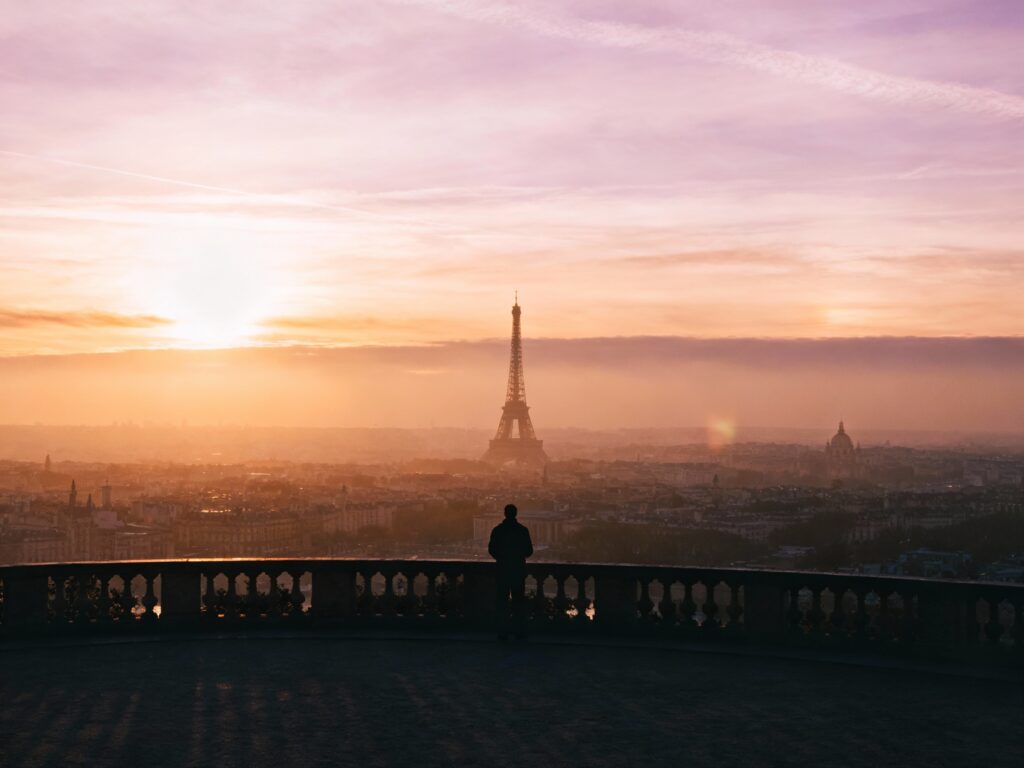
Some places just hit different when the sky is doing the most. If you’ve ever planned a whole day around “golden hour,” this list is for you.
These five landmarks are worth the early alarm or the late-night commute—because the sunrise/sunset views aren’t just pretty, they’re the kind you remember forever. Here’s exactly how to time it, where to stand, and what to bring.
Top 5
1) Taj Mahal, Agra, India
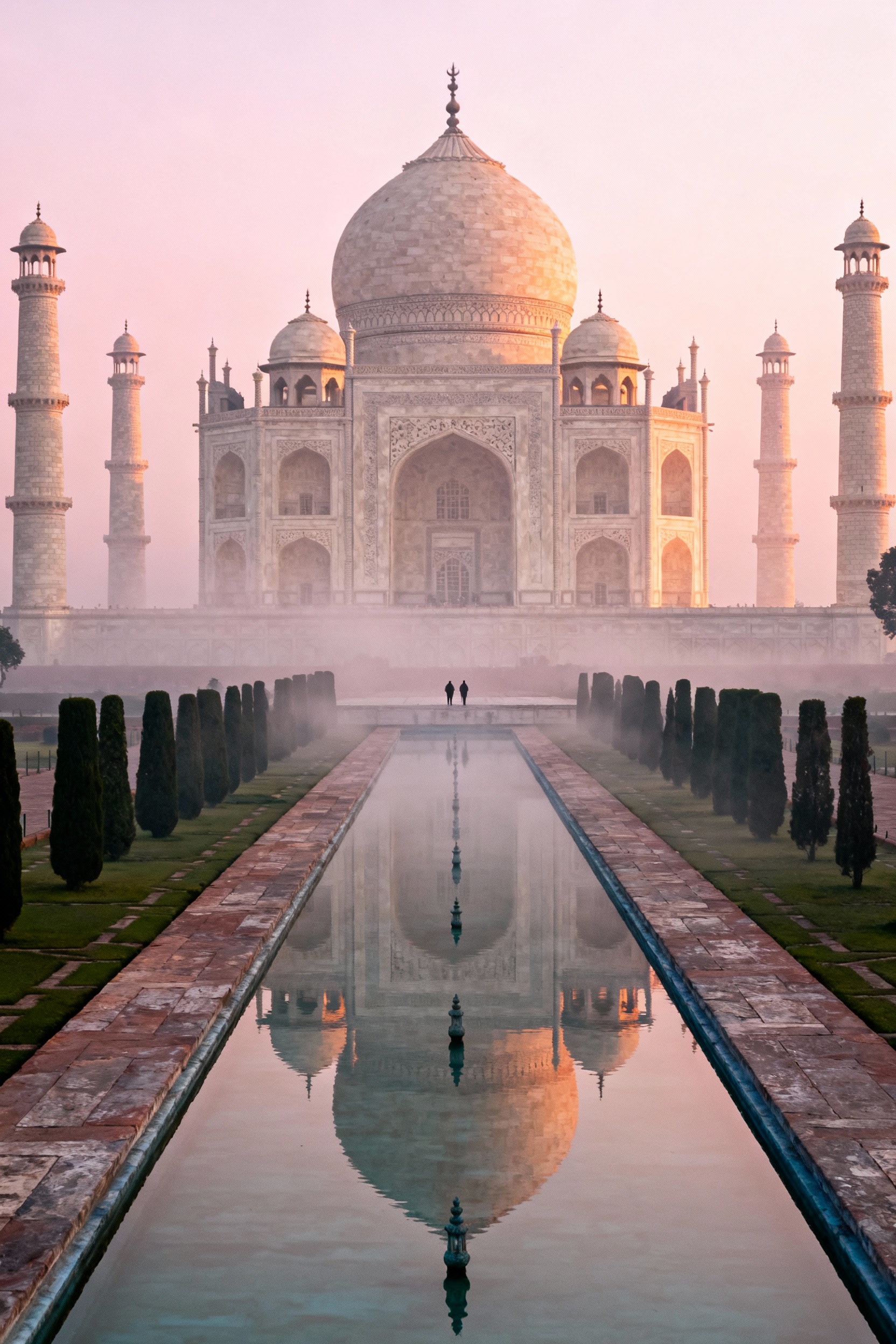
Sunrise is the move here: softer light, fewer people, and that marble glow is unreal. Buy your ticket online and aim to arrive 45–60 minutes before opening so you’re through security fast and near the front when gates open. Pack a small tripod (if allowed), a lens cloth (morning dew is real), and water—Agra warms up quickly even early. If you’re coming from Delhi, book an early train or a one-night stay in Agra near Taj Ganj to keep the morning stress-free.
2) Santorini Caldera, Oia, Greece
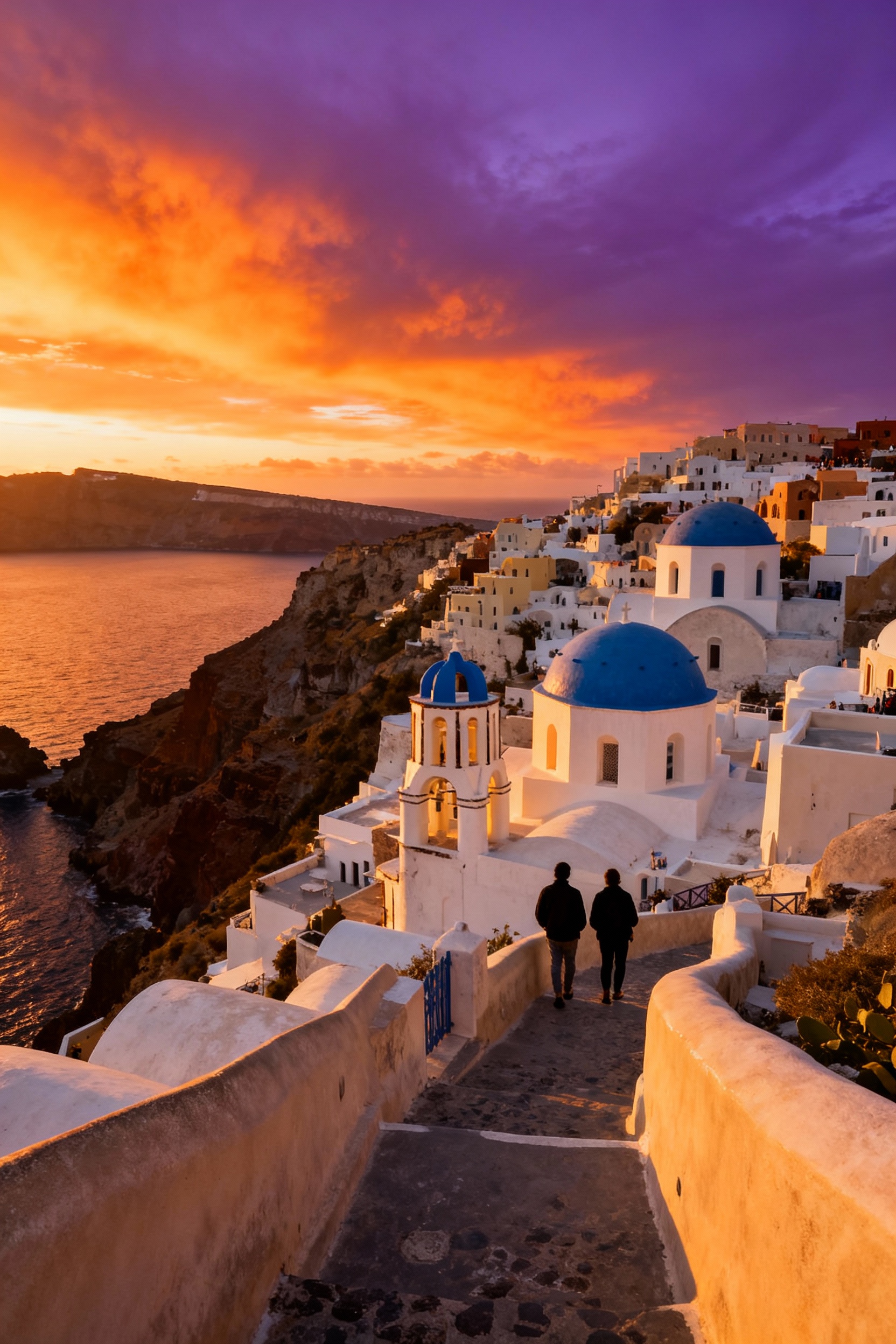
For sunset, Oia is iconic—but the trick is choosing your spot before the crowds lock in. Get there 60–90 minutes early and stake out a viewpoint along the caldera path rather than squeezing into the castle ruins area. Wear grippy shoes (those steps are polished and steep), and consider booking a sunset catamaran cruise if you want the view without the shoulder-to-shoulder vibe. If you’re staying overnight, pick a hotel in Oia or Imerovigli so you can walk back after dark instead of battling buses.
3) Grand Canyon (South Rim), Arizona, USA
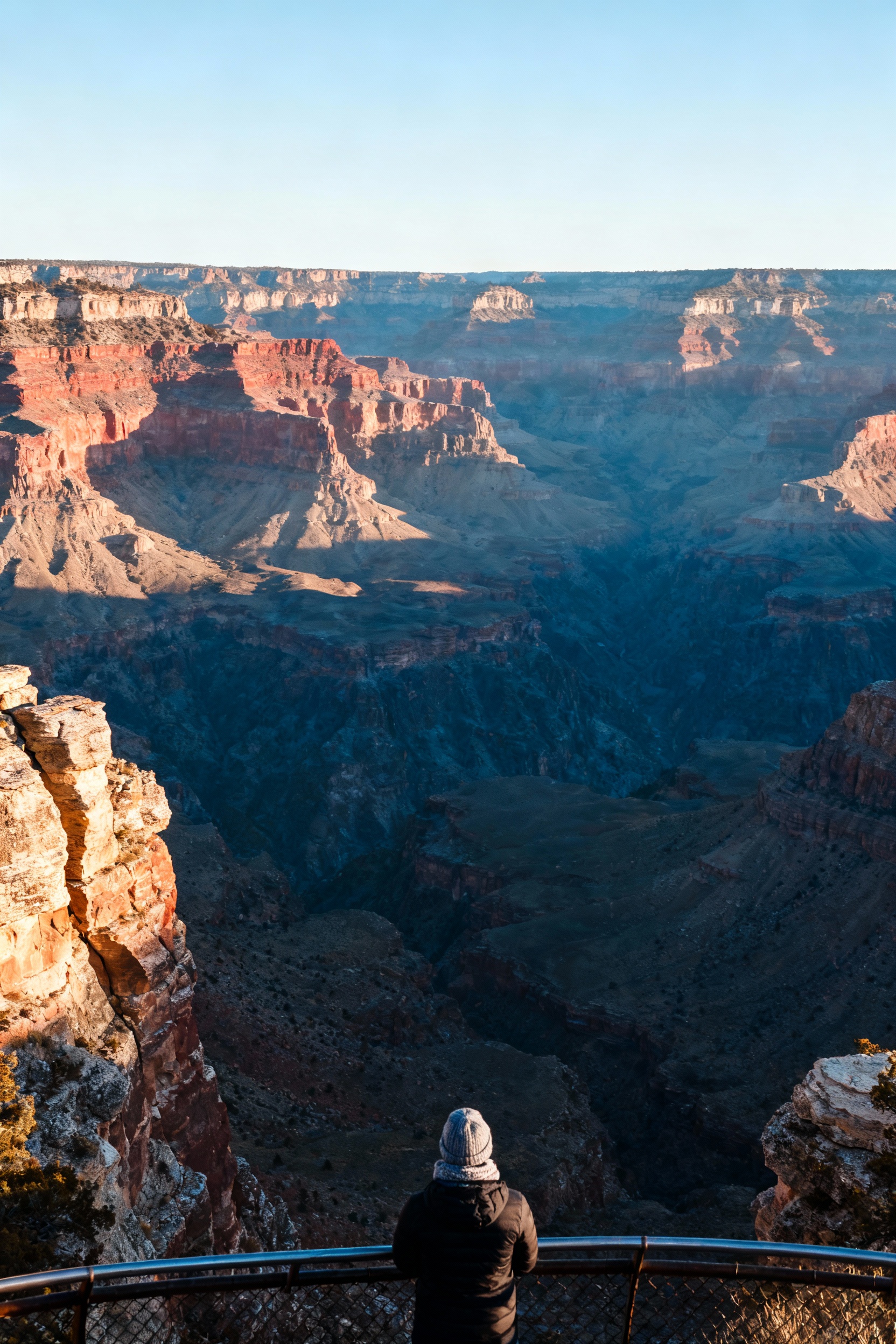
Sunrise at Mather Point is classic, but for a slightly calmer scene, try Yavapai Point and arrive at least 30 minutes before first light. Dress in layers—desert mornings can feel surprisingly cold—and bring a headlamp for walking the rim safely. If you want a big “wow” without a huge hike, plan a sunrise drive plus a short stroll along the Rim Trail. For sunset, Hopi Point is a favorite; use the shuttle and go early because it fills up fast.
4) Angkor Wat, Siem Reap, Cambodia
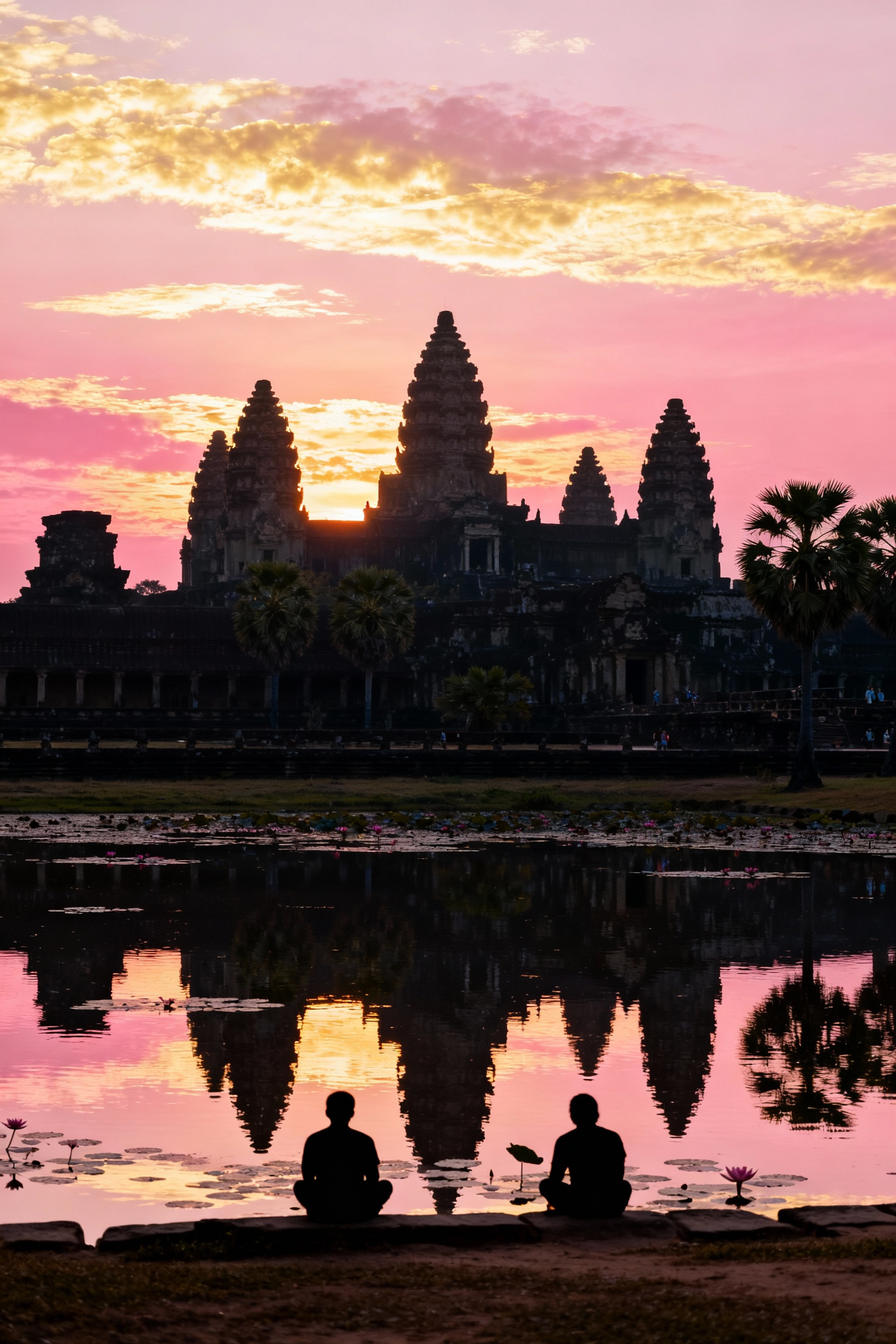
This is a sunrise pilgrimage for a reason, but it’s all about logistics: leave your hotel around 4:30–5:00 a.m. and have your Angkor Pass ready the night before. For the classic reflection shot, head to the pond in front of the temple—then pivot to a quieter side angle once the sun is up and the main crowd disperses. Pack mosquito repellent, a light rain jacket in wet season, and a scarf/shawl to stay temple-appropriate. Consider hiring a tuk-tuk driver for the morning so you can hop to a second temple right after sunrise while everyone else is still parked.
5) Table Mountain, Cape Town, South Africa
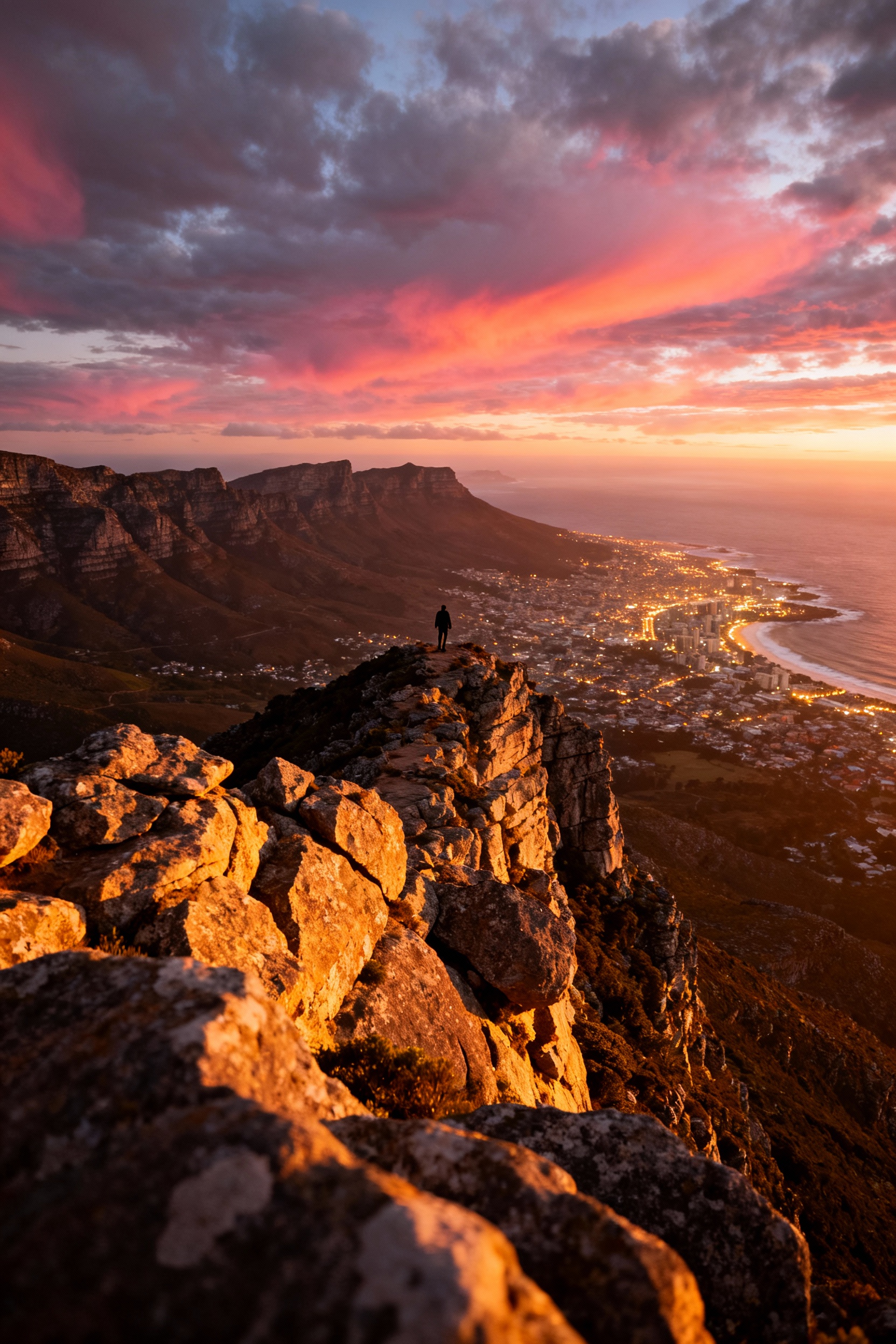
Sunset from Table Mountain is next-level, but check the wind before you commit—strong gusts can shut the cableway. If you’re hiking up (Platteklip Gorge is the most direct), start early enough to reach the top at least an hour before sunset, and bring a warm layer because it gets chilly fast up there. Book cableway tickets online when possible and aim for a weekday to avoid long lines. After the sun drops, plan your descent: either time the last cable car or pack a headlamp if you’re hiking down (only if conditions and your experience level make sense).
FAQ
What time should I arrive for sunrise or sunset?
Plan to arrive 30–90 minutes early depending on the popularity of the landmark. For ultra-famous spots (Angkor Wat, Santorini), 60–90 minutes gives you time to pass entry lines and choose a good vantage point. For places with lots of space (Grand Canyon), 30–45 minutes can be enough if you know where you’re going.
What should I pack for golden hour views?
Bring layers, water, and a headlamp for pre-dawn or post-sunset walking. A portable charger helps if you’re using your phone for photos and navigation, and a small lens cloth is clutch for humidity, dust, or sea spray. If you’re going to a temple or religious site, pack something that covers shoulders/knees to avoid getting turned away.
Do I need to book tickets or tours in advance?
Often, yes. Angkor Wat requires a pass, and it’s easiest when your driver/tour is arranged ahead of time. For Table Mountain, booking cableway tickets can save time, and for Santorini, a sunset cruise typically sells out in peak season. When in doubt, pre-book anything with timed entry, limited capacity, or transportation attached.
How do I avoid crowds without missing the best view?
Choose a nearby alternate viewpoint instead of the single most famous photo spot—like Imerovigli instead of the busiest Oia corner, or Yavapai Point instead of the most packed overlook. Also, stay nearby the night before so you can arrive earlier with less effort. Weekdays and shoulder season (spring/fall) are your best friends.
Is sunrise or sunset better for photos?
Sunrise usually means fewer people and softer, cleaner light—great for landmarks like the Taj Mahal and Angkor Wat. Sunset often brings richer colors and a more social vibe, which works perfectly for places like Santorini and Table Mountain. If you can only pick one, choose based on logistics: the one you can arrive early for, safely and without rushing, will usually be the better experience (and the better photos).