
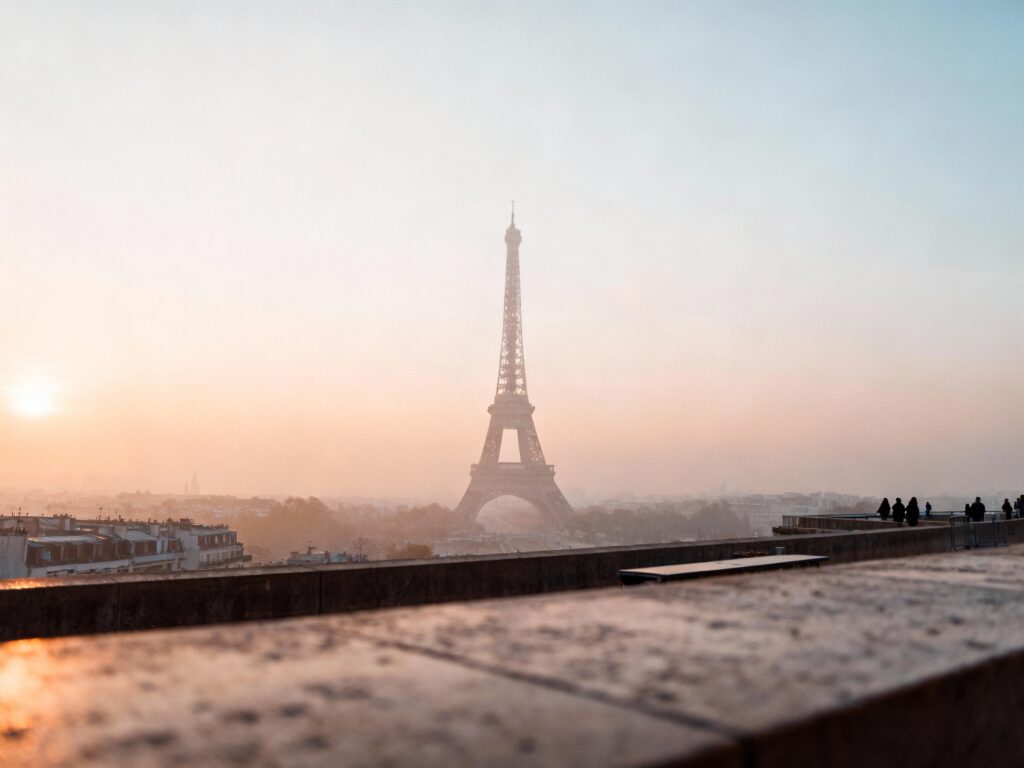
Some places look good in photos. These landmarks look unreal in real life, and somehow still overdeliver on camera. If you’re building a “worth the flight” list (or planning a once-a-year splurge trip), start here.
These five are the kind of photogenic that make every sunrise alarm, long train ride, and extra step count feel totally justified—especially if you time them right.
Top 5
1) Taj Mahal, India
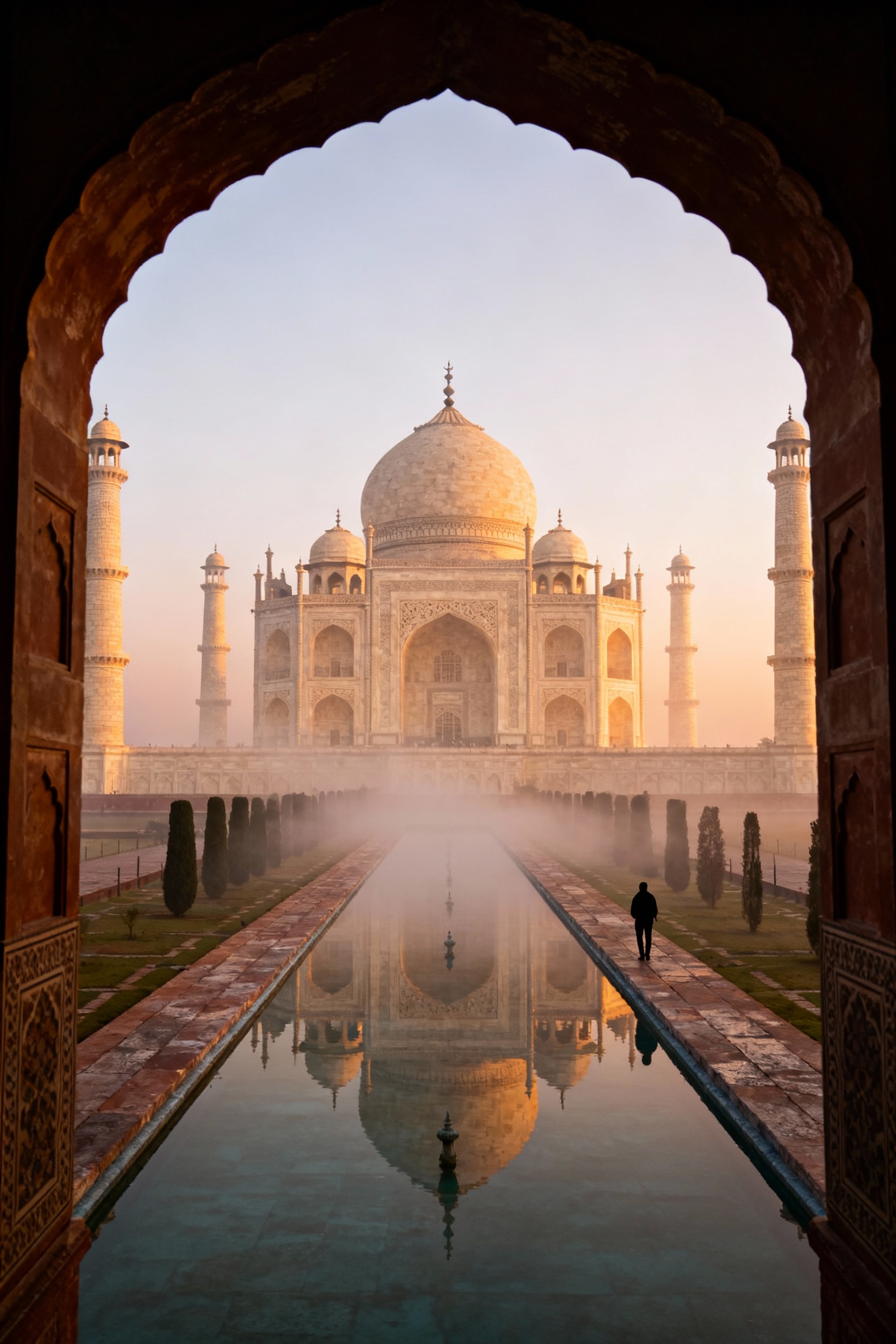
Go for sunrise to catch softer light, thinner crowds, and that dreamy marble glow—aim to arrive 30–45 minutes before gates open. Book skip-the-line tickets in advance and bring a passport ID match if required at entry. Wear shoes that slip on/off easily (you’ll remove them in certain areas) and pack a wide-angle lens or phone lens for the full reflection pool shot. Stay in Agra near the East Gate for the easiest morning start, and consider pairing it with an afternoon stop at Agra Fort to make the travel day feel complete.
2) Eiffel Tower, Paris, France
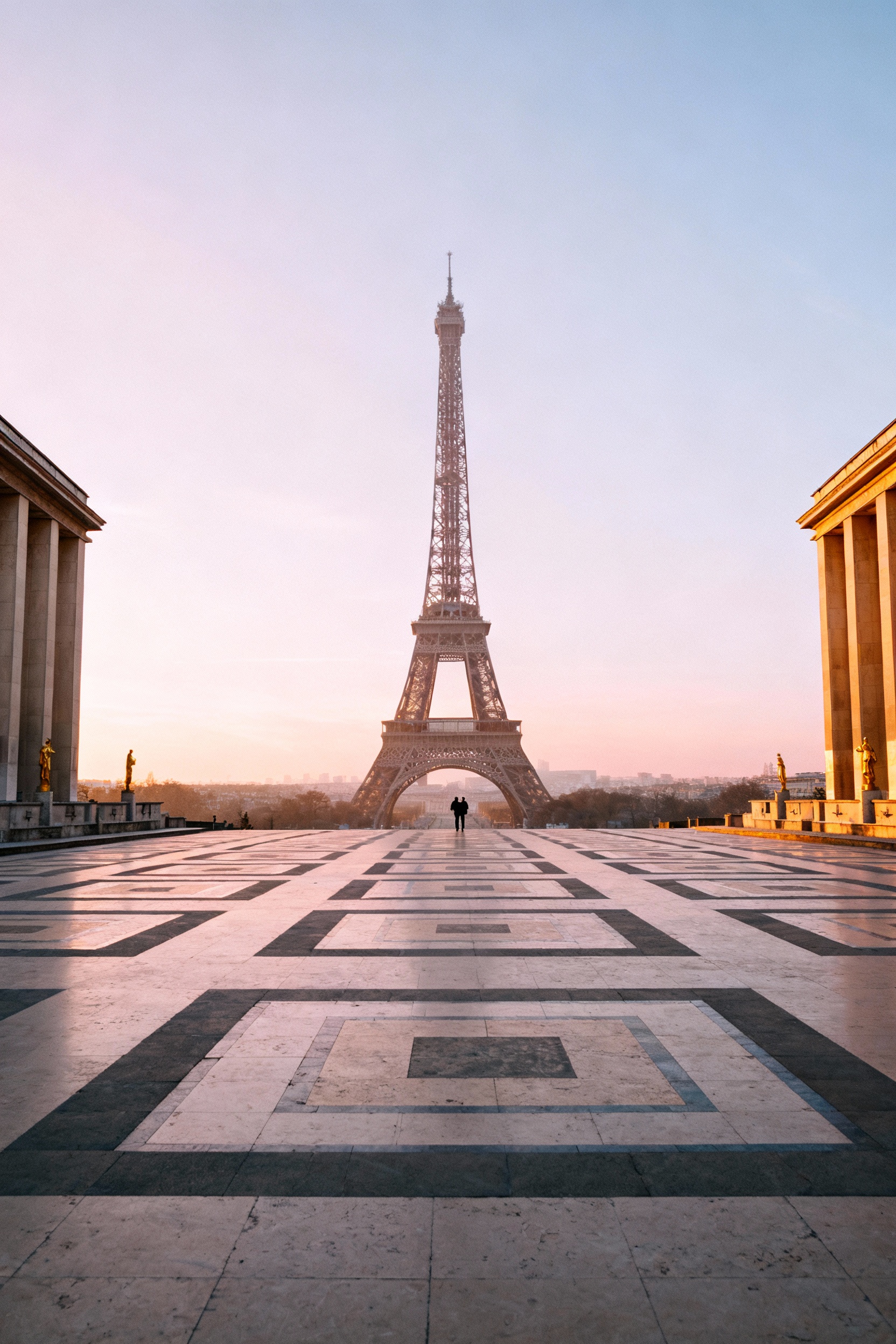
For the most photogenic views, don’t only go up—plan for the classic angles from Trocadéro at sunrise and the Champ de Mars for golden hour. If you want the summit, reserve tickets as early as possible (they sell fast), but the second floor is often the sweet spot for photos without the longest lines. Pack a light layer even in summer because wind up there is real, and bring a small tripod if you like night shots (just be mindful of crowds). Stay in the 7th or 16th arrondissement for easy walk-bys, and don’t skip an evening visit when the tower sparkles on the hour.
3) Machu Picchu, Peru
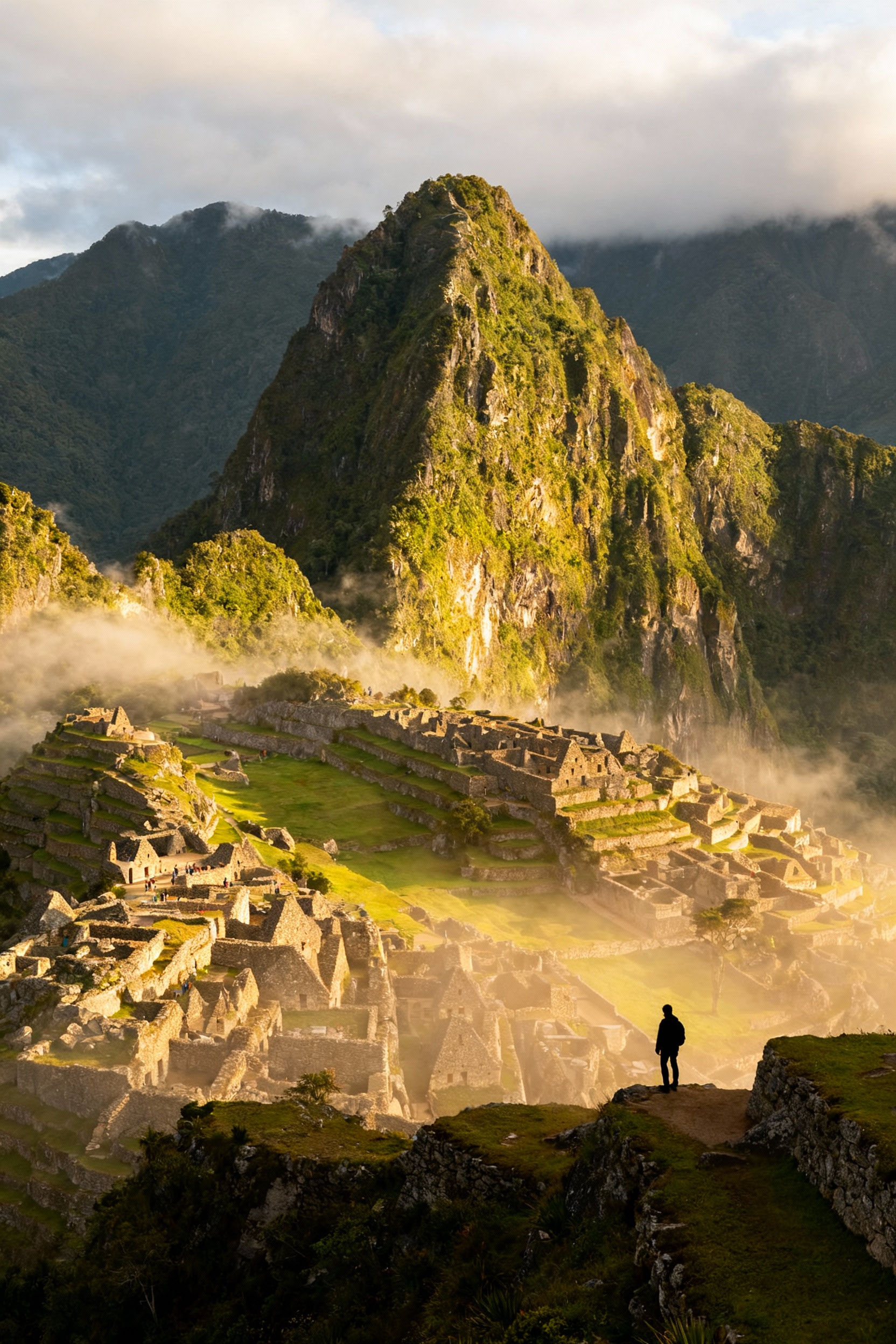
Book your entry ticket early and choose a circuit that matches the photos you want—some routes include the most iconic overlook, others focus on the ruins up close. The best light is usually early morning, but clouds can roll in and out, which actually looks amazing in pictures—don’t stress if it’s misty. Pack rain protection year-round (poncho > umbrella), plus water and snacks since options are limited at the site. Base yourself in Aguas Calientes for an early bus up, or stay in the Sacred Valley if you want calmer nights and a smoother acclimatization plan.
4) Petra (The Treasury), Jordan
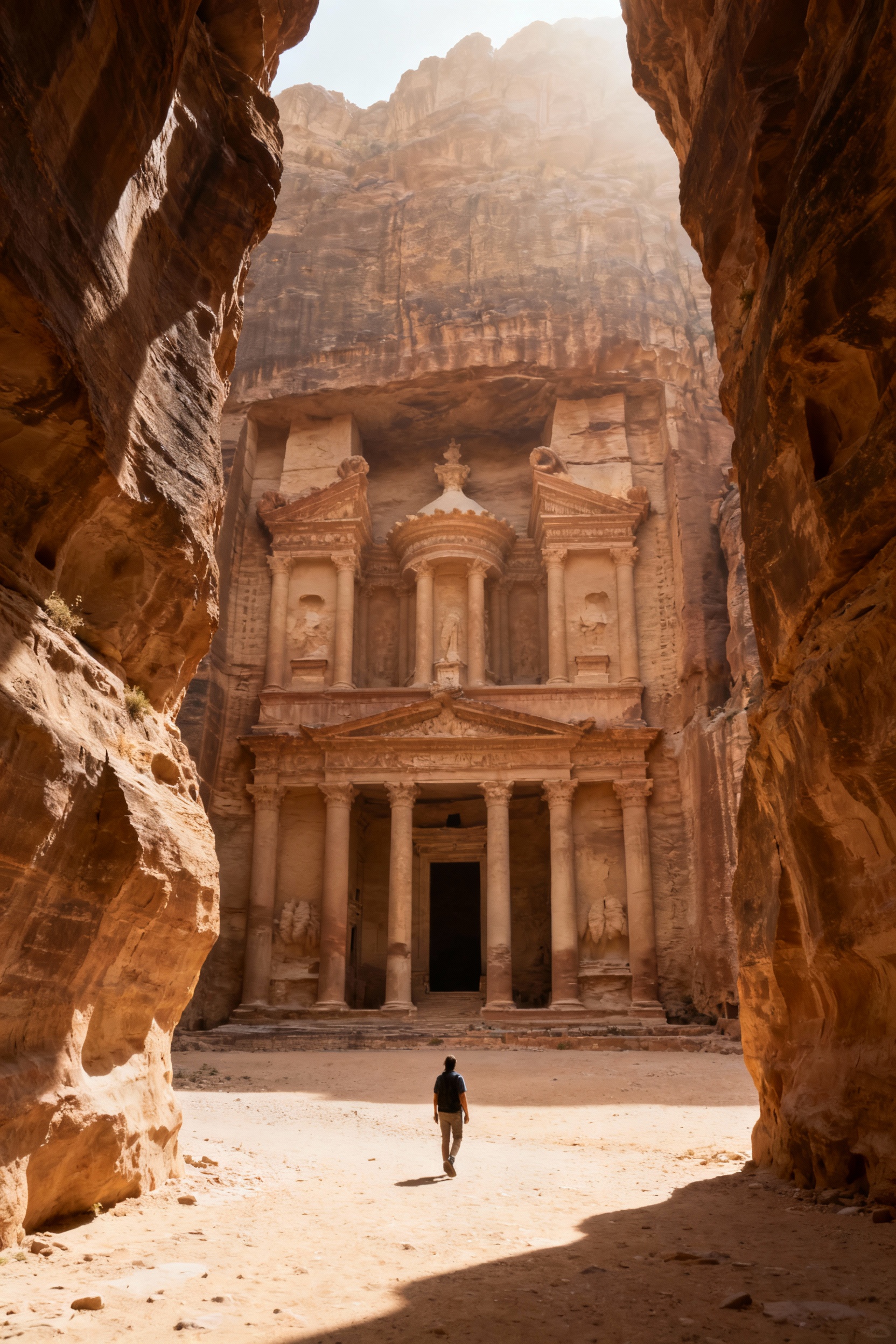
Arrive right at opening to walk the Siq with fewer people and to catch clean photos at the Treasury before the crowds settle in. Wear sturdy shoes—there’s more walking than most first-timers expect—and bring sunscreen plus more water than you think you’ll need. If you have the energy, hike up to the Monastery for a second “wow” moment and less congested views. Consider staying in Wadi Musa so you can do two days: one for the main trail and one for viewpoints, caves, and slower photo stops.
5) Santorini Caldera Views (Oia & Fira), Greece
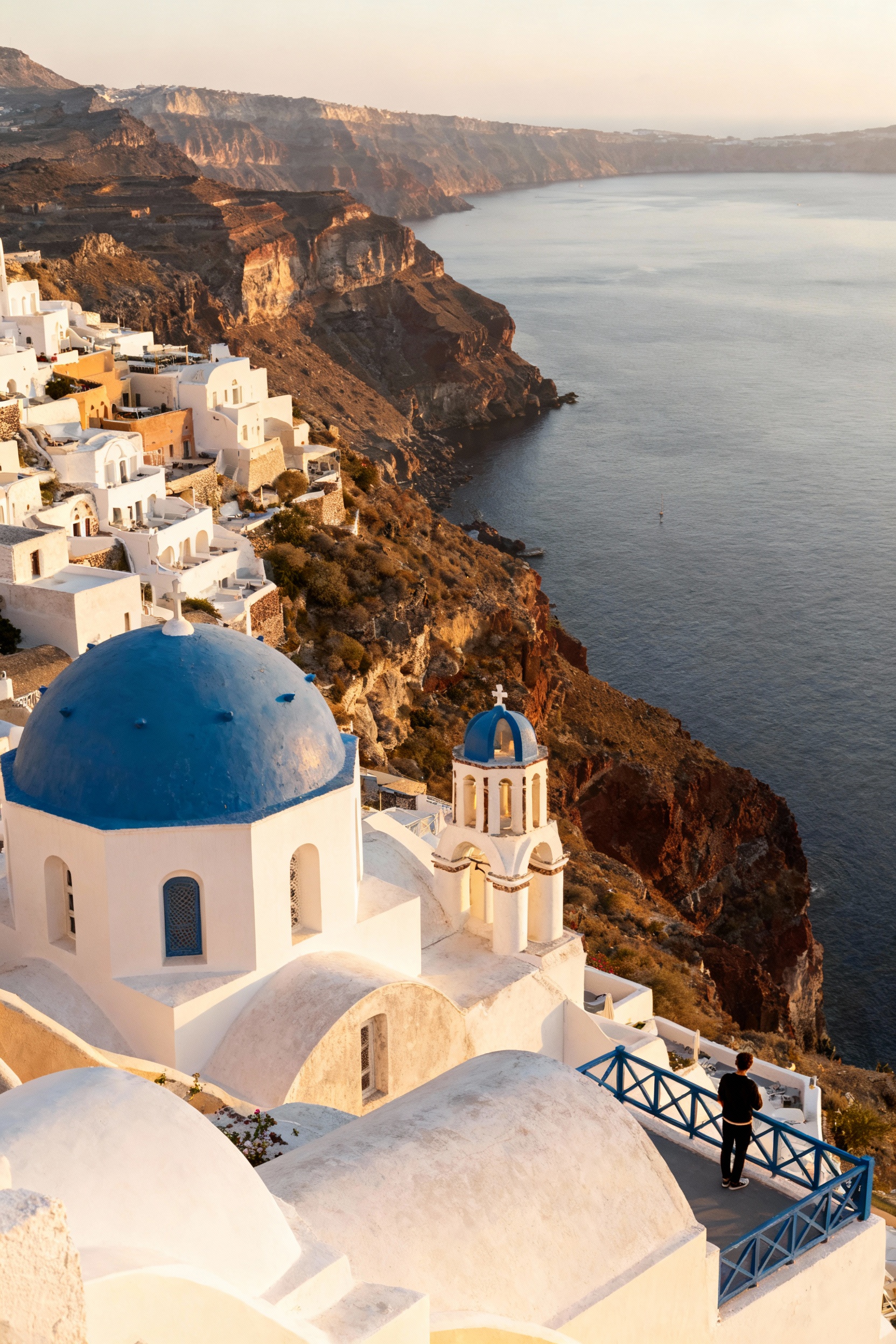
For those iconic white-and-blue shots, go early—Oia is most photogenic before 9 a.m., while sunset is gorgeous but crowded and competitive. Book a stay with a caldera-facing terrace if it’s within budget; if not, you can still score amazing angles by walking the Fira-to-Oia trail in the late afternoon. Pack neutral outfits and comfy sandals with grip because the steps can be slippery, especially after sea air and heat. If you want the same vibe with fewer people, spend time in Imerovigli for quieter viewpoints and easy access to Skaros Rock.
FAQ
When is the best time of year for the most photogenic travel photos?
Shoulder season is usually the move: spring and fall often bring softer light, fewer crowds, and more comfortable temperatures. You’ll also get better availability (and sometimes better prices) for hotels and tours. For tropical or monsoon climates, prioritize dry season if you want clearer skies.
How do I avoid crowds at famous landmarks without paying for pricey tours?
Go at opening time on a weekday, and build your day around that early start. Buy tickets online in advance when available and use public transit or walk so you’re not stuck in tour-bus timing. Also consider staying nearby for one night—being close is often cheaper than a private tour and way more effective.
What should I pack for a “photogenic landmark” trip?
Think practical: comfortable walking shoes, a refillable water bottle, sunscreen, a small power bank, and a light layer for wind or temperature swings. If you love photos, bring a mini tripod or phone grip and a lens cloth (dust and fingerprints show up fast). A compact rain shell is a smart year-round add for places like Machu Picchu and Petra.
Do I need to book tickets ahead for these landmarks?
Yes for most: the Eiffel Tower, Machu Picchu, and often the Taj Mahal are best booked in advance, especially during peak months. Petra is usually easier day-of, but buying ahead can still save time. For Santorini, “tickets” aren’t the issue—lodging is—so reserve hotels early for the best views and location.
How many days should I plan for each destination as a first-timer?
Aim for 2–3 days in the city/area around each landmark so you’re not rushing your best photo window. For Machu Picchu, plan extra time for altitude adjustment in Cusco or the Sacred Valley. For Santorini, two nights is the minimum; three is ideal if you want beaches, the hike, and a sunset cruise without feeling packed.