
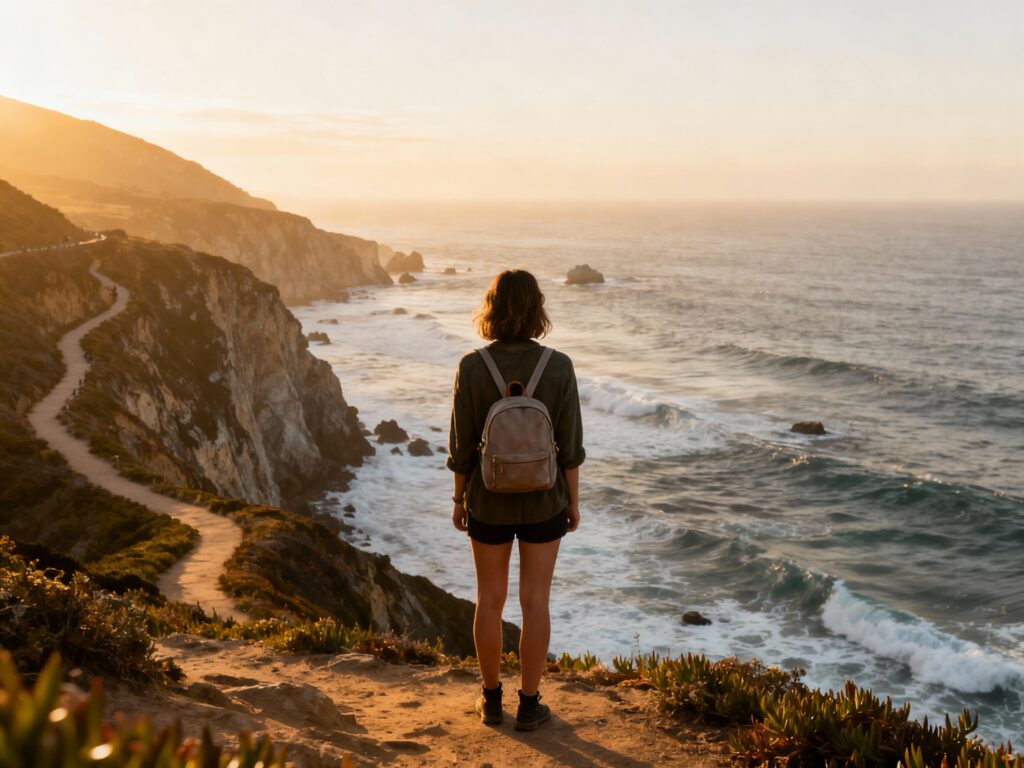
Solo travel can be the fastest way to meet a new version of yourself: calmer, braver, and way more decisive. The trick is choosing experiences that feel supported, not stressful—especially if this is your first big trip alone.
These five ideas are designed to be doable, confidence-boosting, and genuinely unforgettable. Pick one that matches your energy right now, then plan it like a pro.
Top 5
1) A Self-Guided “Soft Adventure” Hike (Like Spain’s Camino Portugués)
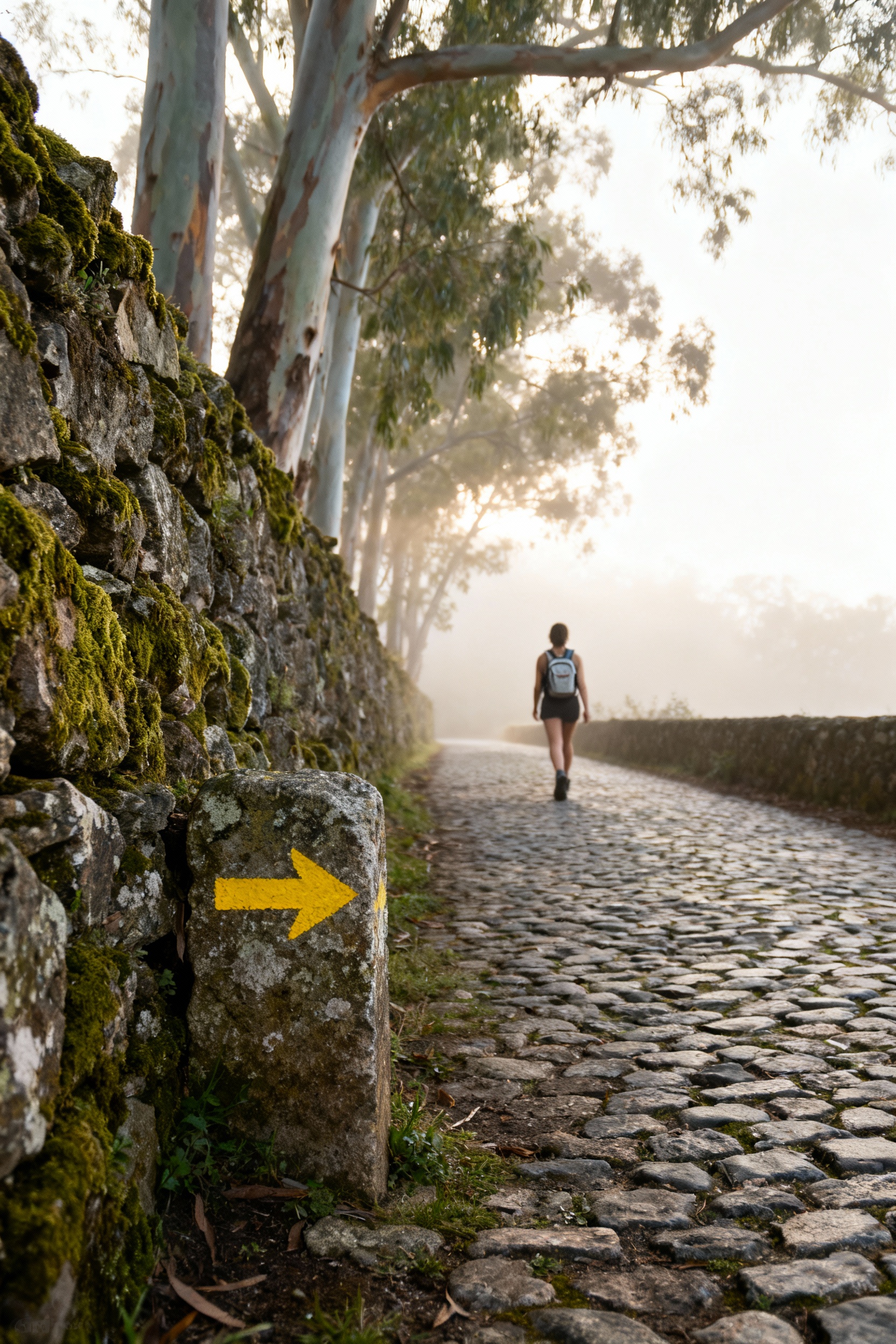
Choose a well-marked, popular route where you’ll naturally meet other travelers—think the Camino Portugués (Porto to Santiago) or shorter sections if you’re testing the waters. Book luggage transfer so you only carry a light daypack, and reserve simple albergues or guesthouses in advance for peace of mind in peak months (May–June, September). Pack blister care (hydrocolloid patches), merino socks, and a rain layer; those three items can save your entire mood. Aim for 12–18 km days if you’re new to long-distance walking, and build in one rest day to explore a cute town en route.
2) A Women-Only Group Safari in East Africa
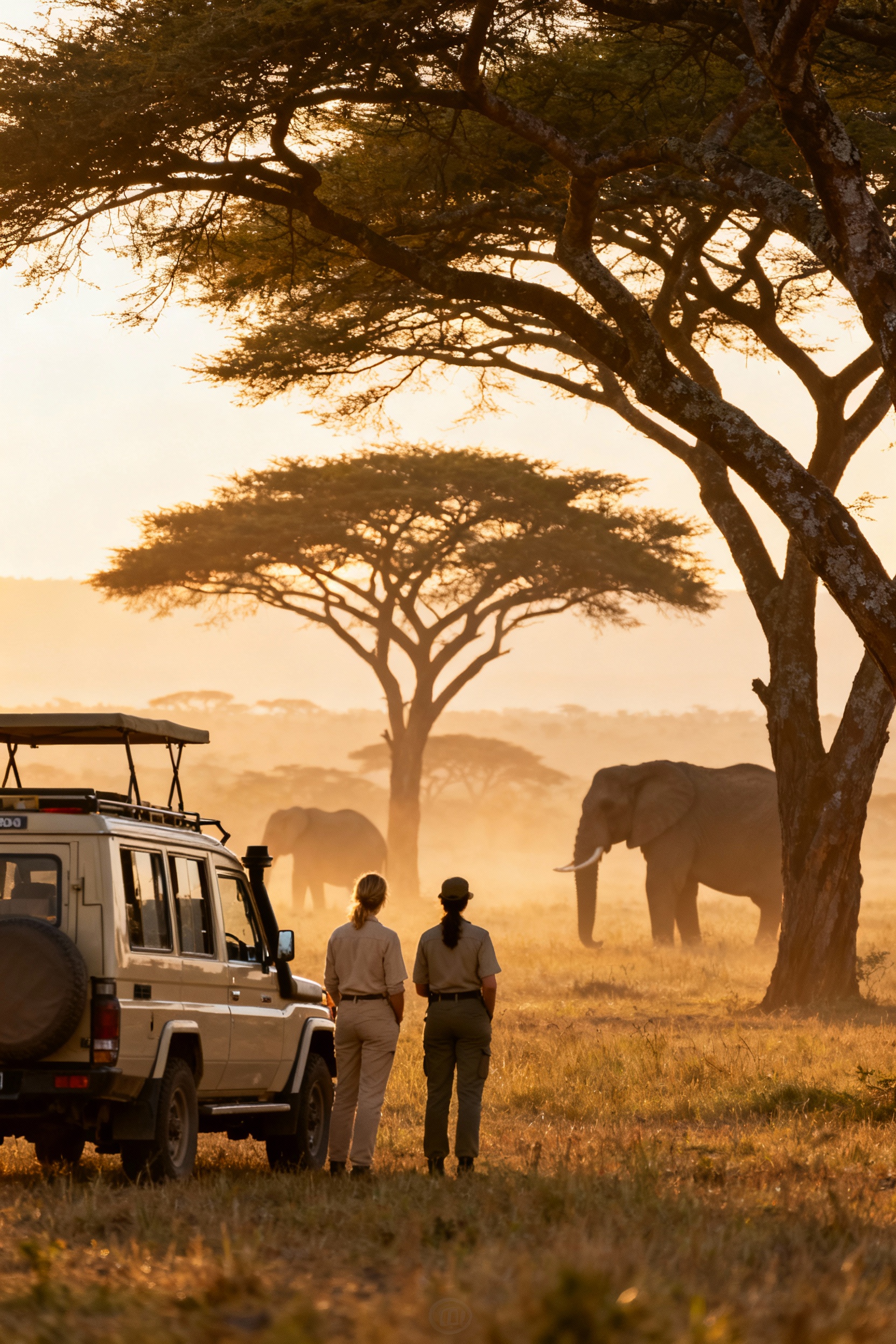
If you want “big life energy” with built-in safety and community, a women-only safari is elite. Look for small-group itineraries in Kenya or Tanzania that include a female guide or host, and prioritize parks like the Serengeti, Maasai Mara, or Ngorongoro for high wildlife density. Book shoulder season (January–March or late September–November) for fewer crowds and strong sightings, and confirm what’s included: park fees, tips, airport transfers, and internal flights add up fast. Bring neutral layers, a buff for dust, and a power bank—game drives can be long, and you’ll take approximately one million photos.
3) A Creative Solo Reset in Kyoto (Tea, Temples, and Tiny Alleys)
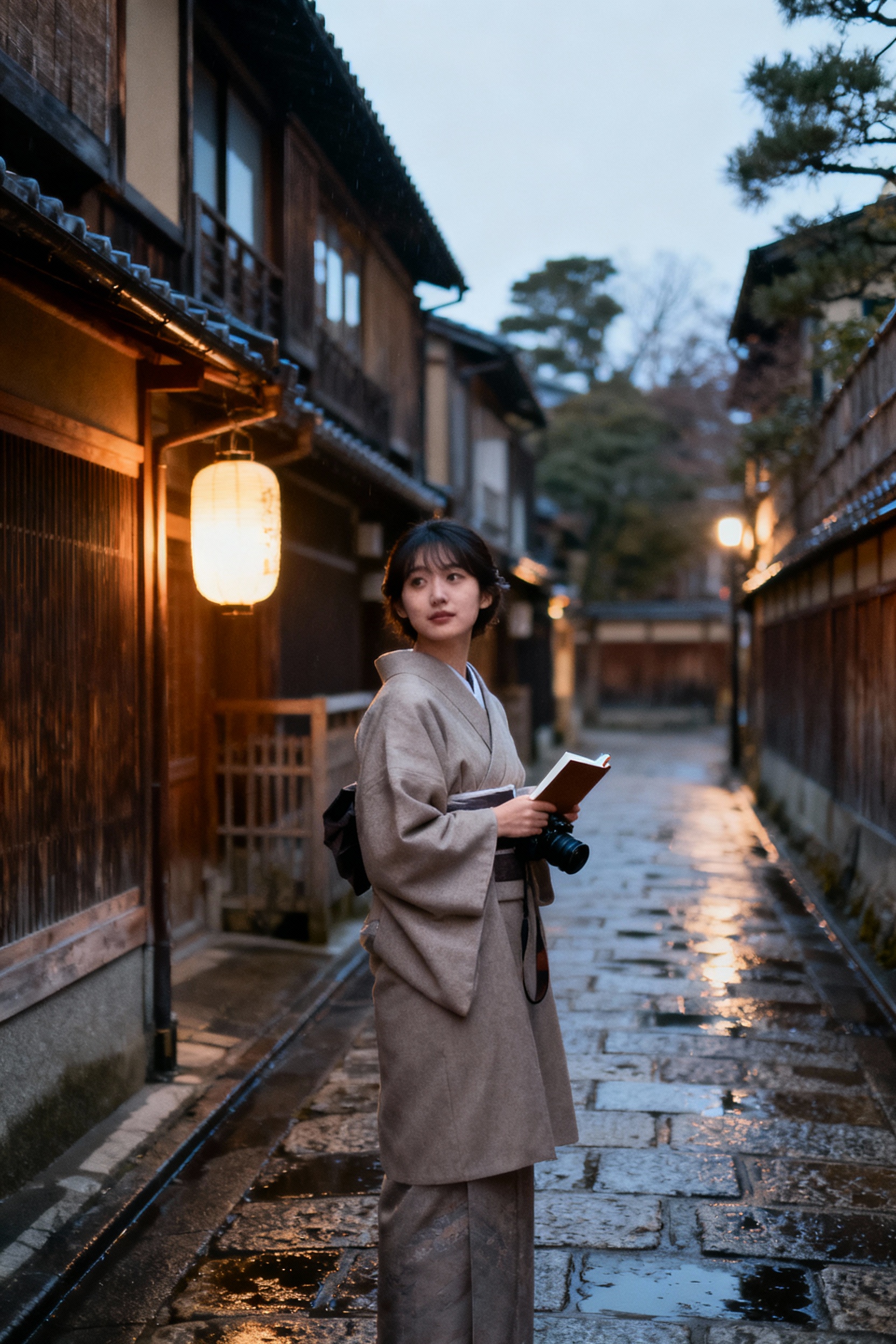
Kyoto is a dreamy first solo city: clean, calm, and packed with solo-friendly rituals that make you slow down in the best way. Stay near Gion, Higashiyama, or near Sanjo Station so you can walk to early-morning temples before the tour groups roll in; book a tea ceremony or wagashi (Japanese sweets) class for an easy way to connect without awkward small talk. Go in late November for fall colors or late March/early April for cherry blossoms (book accommodation months ahead). Pack slip-on shoes (you’ll be taking them off a lot), a coin purse for shrines, and a lightweight scarf for layering in changeable weather.
4) A Mediterranean “Live Like a Local” Week in Lisbon
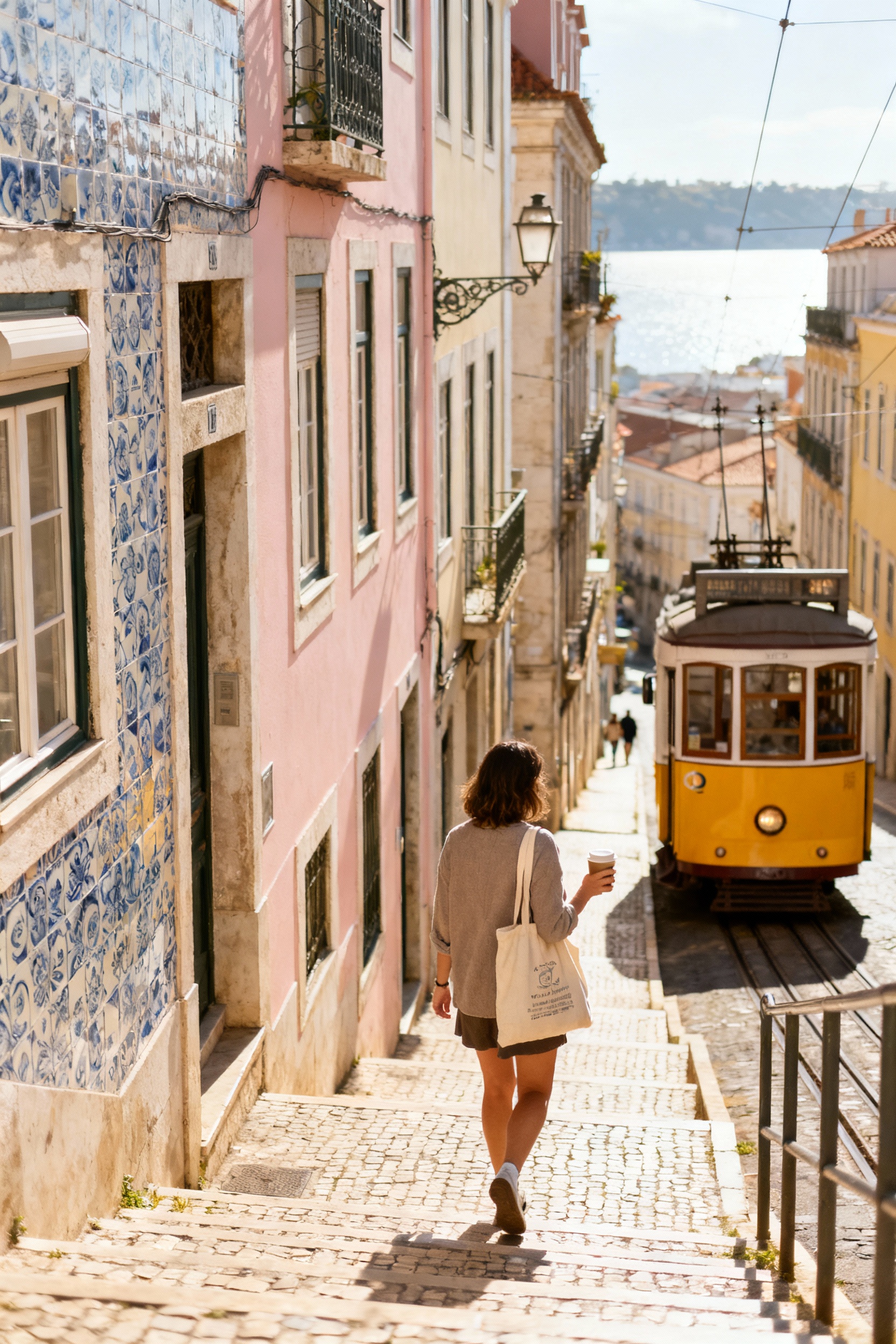
Lisbon is the sweet spot for solo travel: friendly, affordable compared to many European capitals, and full of daytime adventures that don’t revolve around nightlife. Base yourself in Principe Real, Chiado, or Estrela for walkability and a more local feel, and schedule your week with anchors: a cooking class, a day trip to Sintra, and a sunset viewpoint crawl (Miradouro da Graça is a classic). Buy a Viva Viagem card for easy transit, but wear grippy shoes—those beautiful tiles are slippery. Skip staying right in Bairro Alto if you’re a light sleeper; it’s fun to visit, but it can be loud at night.
5) A Volunteer-Led Conservation Stay (Sea Turtles or Wildlife Rescue)
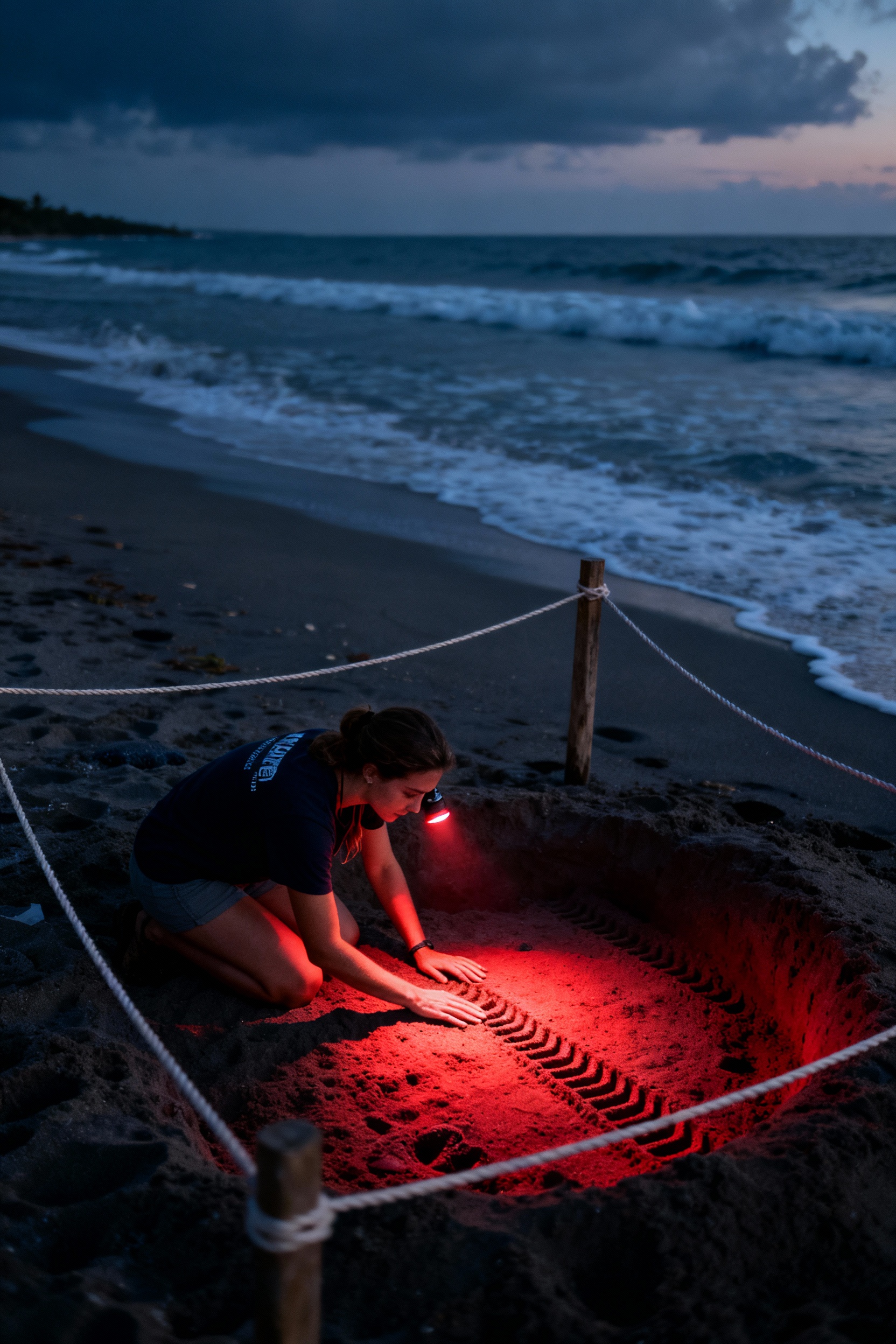
For the kind of trip that changes how you see your impact, pick a conservation program with transparent fees and clear ethics—sea turtle monitoring in Costa Rica or Greece, or reputable wildlife rescue support in South Africa. Vet it like you’re hiring someone: ask where the money goes, what a typical day looks like, and what training/supervision is provided. Plan for simple living (early mornings, shared housing), and pack quick-dry clothes, closed-toe shoes, and a headlamp if you’ll do night patrols. Choose shorter stays (7–10 days) if it’s your first time volunteering abroad so it stays energizing, not overwhelming.
FAQ
What’s the best first solo trip if I’m nervous?
Pick a destination with strong infrastructure and easy navigation—Lisbon and Kyoto are both great. Book accommodation with 24/7 reception, plan two “anchor activities” (like a class and a day tour), and keep the rest flexible so you don’t feel over-scheduled.
How do I stay safe without feeling paranoid?
Use practical layers: stay in well-reviewed neighborhoods, share your itinerary with a trusted person, and keep digital copies of documents. In cities, arrive before dark when possible and use official ride apps or licensed taxis; on hikes, choose popular routes and check in daily with someone.
How much should I budget for these experiences?
Costs vary a lot: Lisbon and a Camino section can be mid-range, Kyoto can be moderate to higher depending on season, and safaris are usually the biggest investment. Decide your “non-negotiable” (comfort, location, tours, or food), then save by traveling shoulder season and booking flights early.
What should I pack for solo travel as a woman?
Bring a crossbody bag with secure closures, a portable charger, and one outfit that makes you feel confident and comfortable. Add destination-specific essentials: blister care for hikes, modest layers for temples, and dust protection for safaris. Keep valuables minimal and prioritize items that reduce friction—comfortable shoes are the real luxury.
How do I meet people while traveling solo?
Choose social-but-not-party settings: small-group day tours, cooking classes, walking tours, and women’s group experiences. Stay in guesthouses or boutique hostels with private rooms if you want community without sacrificing sleep, and aim for morning activities—people are more open and energized.