
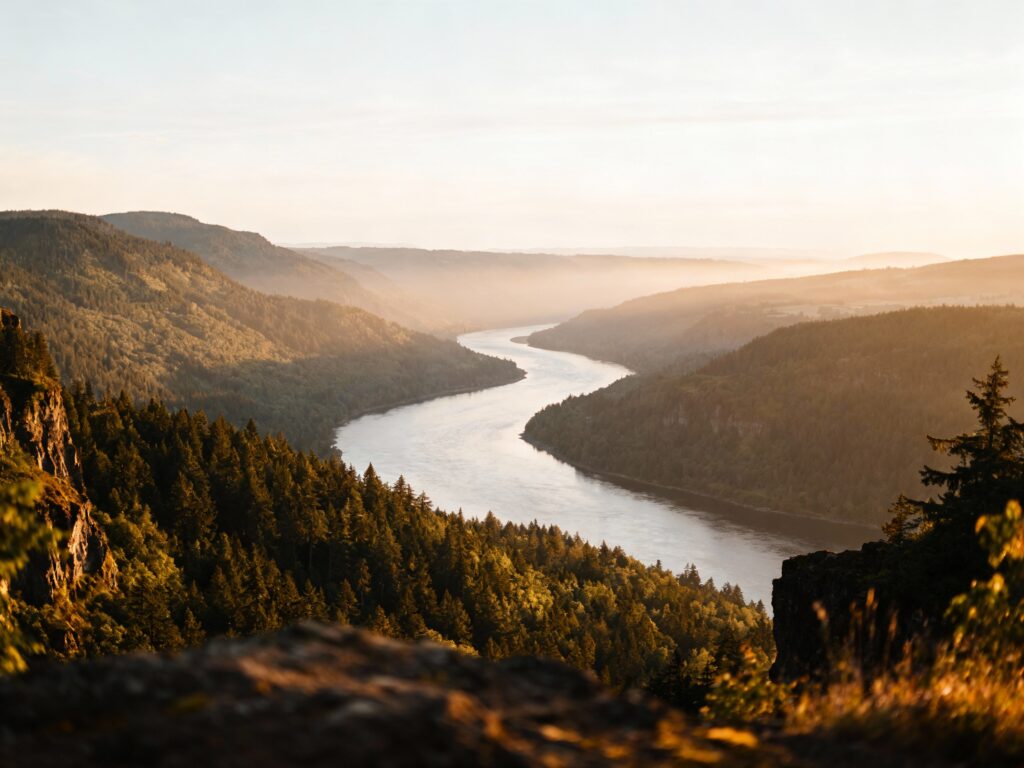
Oregon is that rare place where you can hike to a waterfall before lunch, hit a moody beach at golden hour, and still make it back for amazing food and wine. It’s scenic, easy to road-trip, and packed with “wait, this is real?” moments.
If it’s your first time, don’t try to do everything. Pick a couple of regions, give yourself breathing room, and build your trip around a few unforgettable anchor experiences—starting with these.
Top 5
1) Waterfall-Hop the Columbia River Gorge
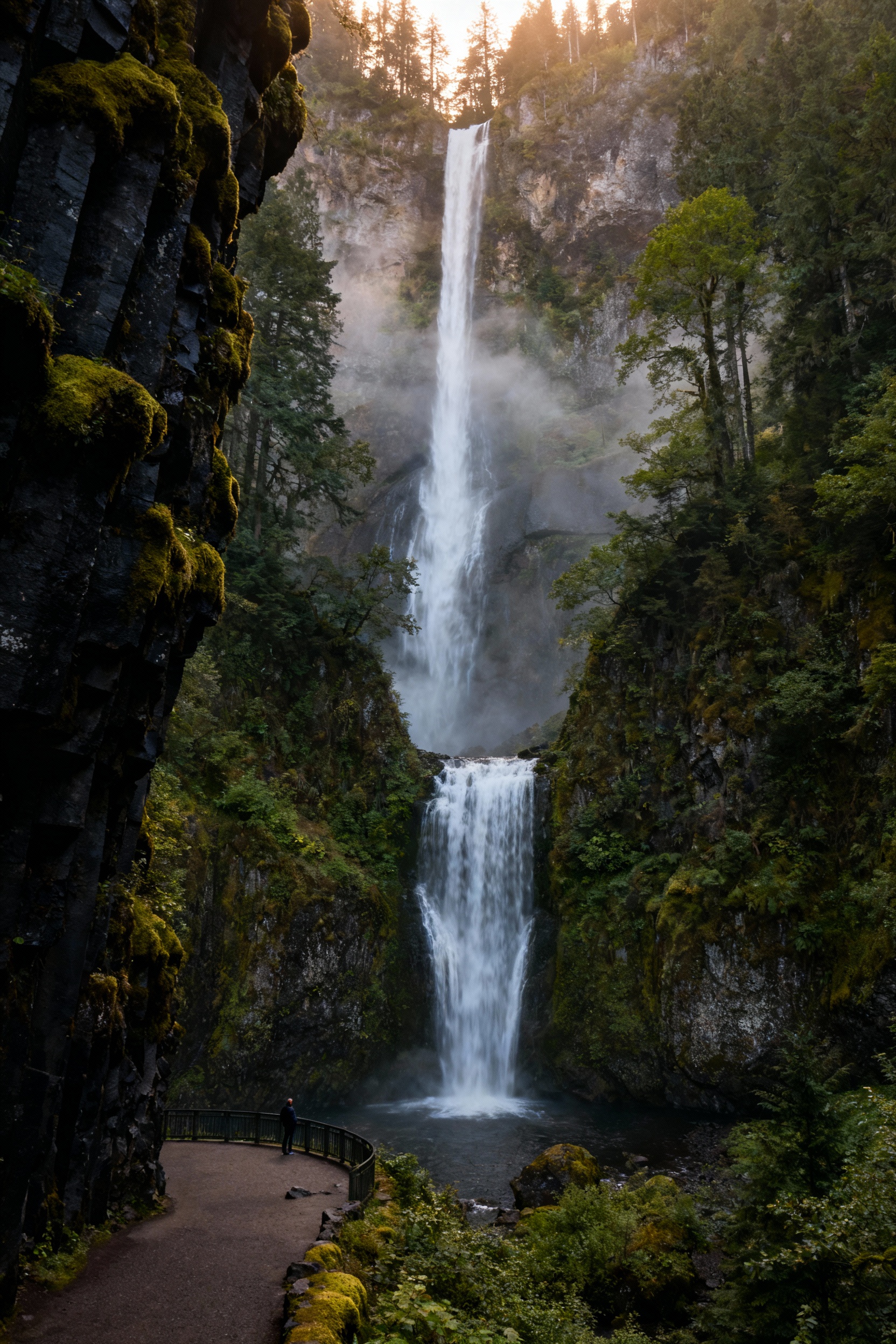
Base yourself in Hood River for the best mix of access and cute-town vibes, then plan an early morning waterfall loop to beat crowds. Don’t miss Multnomah Falls, but also hit Latourell Falls and Wahkeena Falls for a less hectic feel; reserve Multnomah Falls timed entry if required for the season and arrive right at your window. Pack a light rain jacket and grippy shoes—mist and slick trails are part of the experience. If you’re driving, keep an eye on Historic Columbia River Highway closures and consider a weekday for calmer trailheads.
2) Road-Trip the Oregon Coast (Cannon Beach to Samuel H. Boardman)
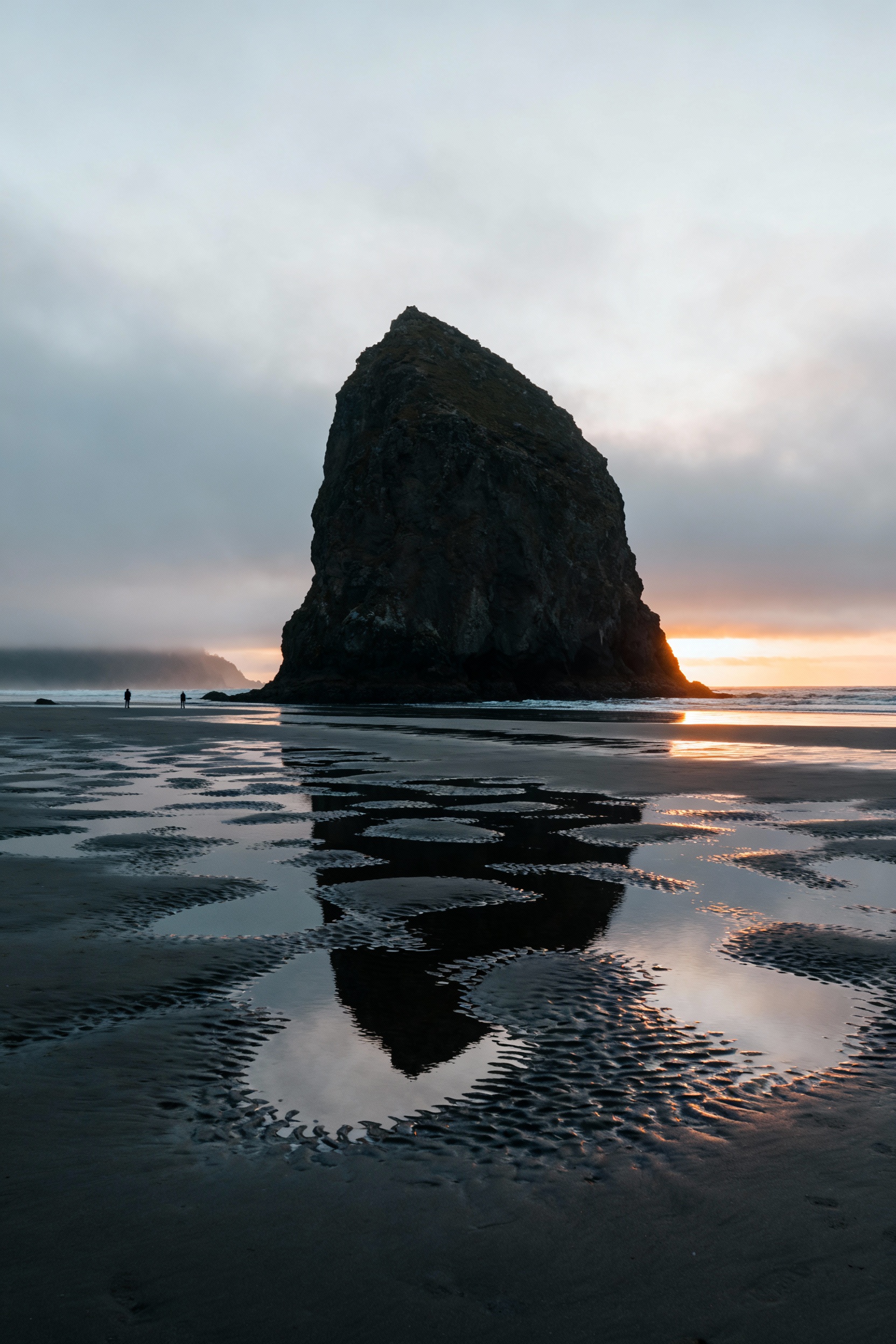
This is the kind of coast that makes you pull over every 10 minutes—in a good way. Start in Cannon Beach for Haystack Rock at low tide (check tide charts), then work south with stops in Depoe Bay (whale watching), Cape Perpetua (easy overlooks), and Bandon’s sea stacks. For the biggest “wow,” spend time in the Samuel H. Boardman Scenic Corridor near Brookings and do short hikes to Natural Bridges and Secret Beach. Bring layers and a windbreaker year-round, and book coastal lodging early if you’re traveling in summer or on weekends.
3) Take a Crater Lake Rim Day (Sunrise + Scenic Drives)
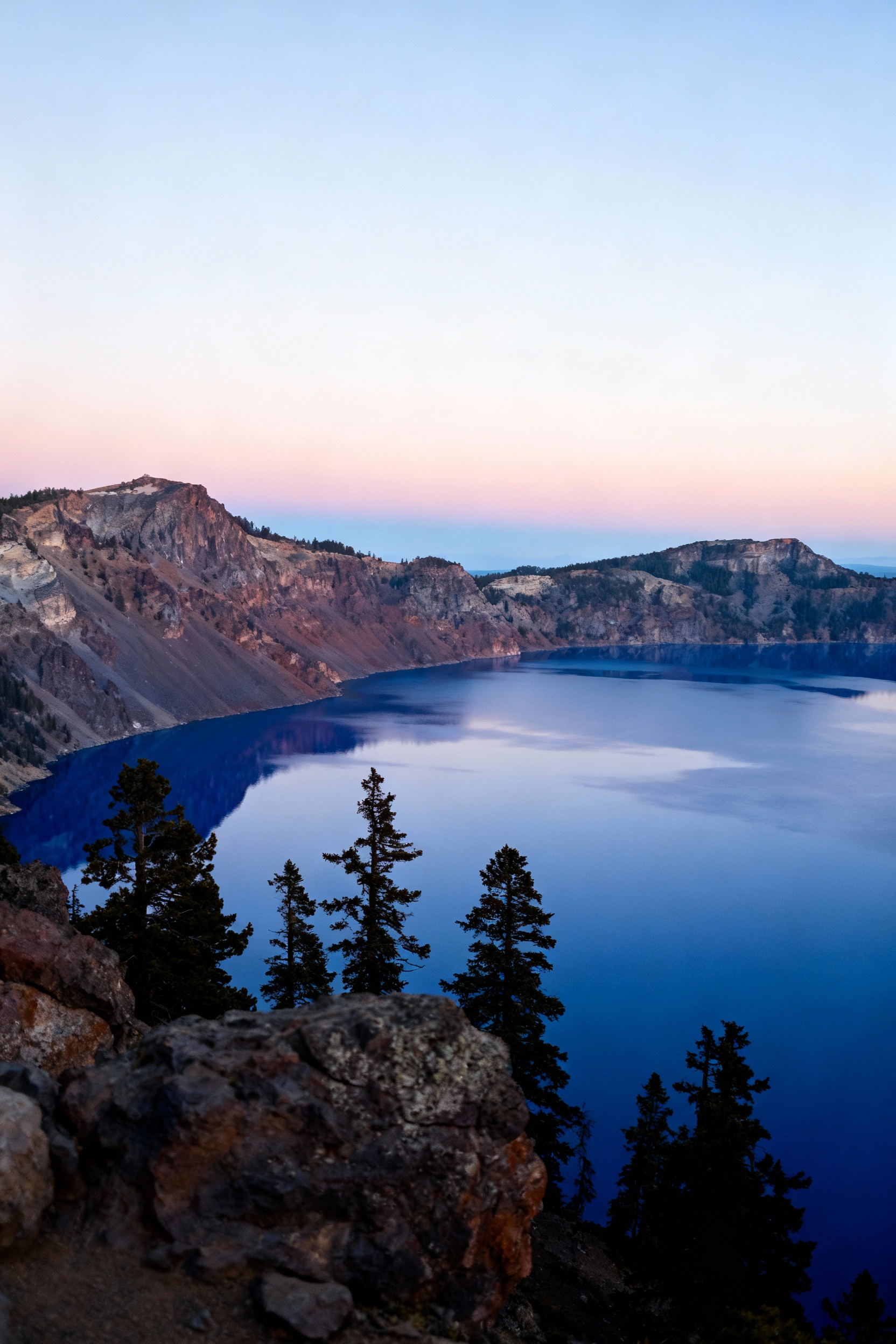
Crater Lake is all about the color—so go when the light is best and the crowds are lowest: sunrise or early morning. Drive Rim Drive for the classic viewpoints, and if the season is open, consider a boat tour to Wizard Island (tickets can sell out, so plan ahead). Even in summer, it can be chilly at elevation, so pack a warm layer and sunglasses—the glare off the water is real. Check road openings before you go, since snow can keep sections closed well into the year.
4) Eat and Explore in Portland (Neighborhood-Style)
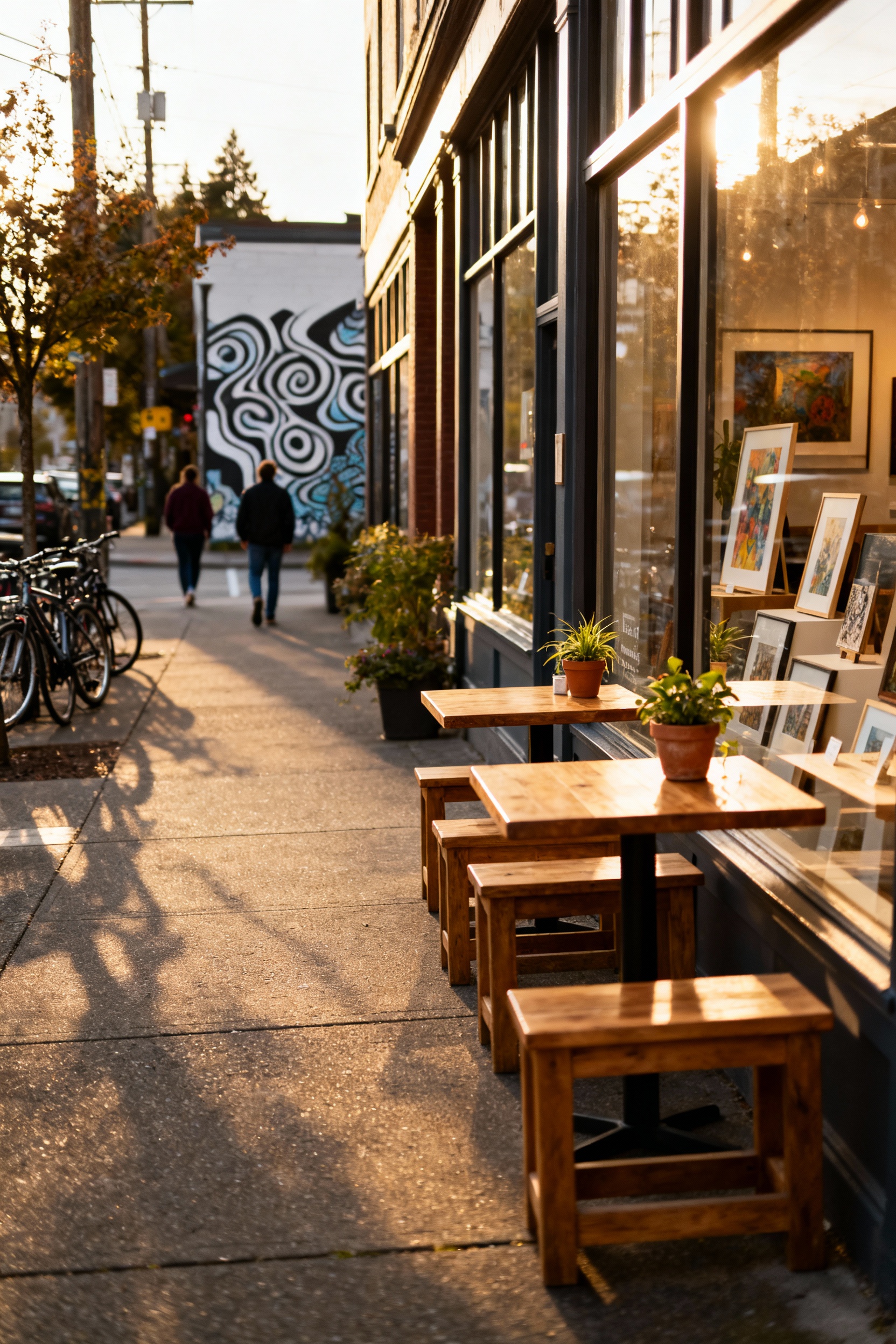
Portland is best done by neighborhood, not by checklist. Spend a morning in the Pearl District for coffee and galleries, then head to Mississippi Avenue or Alberta Arts for shops, street art, and easy dinner spots; for a more local vibe, wander Division/Clinton for boutiques and dessert. Save time for a food cart pod (like Cartopia or Hawthorne Asylum) so everyone can grab what they want without a big sit-down plan. Skip driving if you can—use transit, rideshares, or bikes, and always leave valuables out of sight.
5) Soak in a Hot Spring (Responsibly)
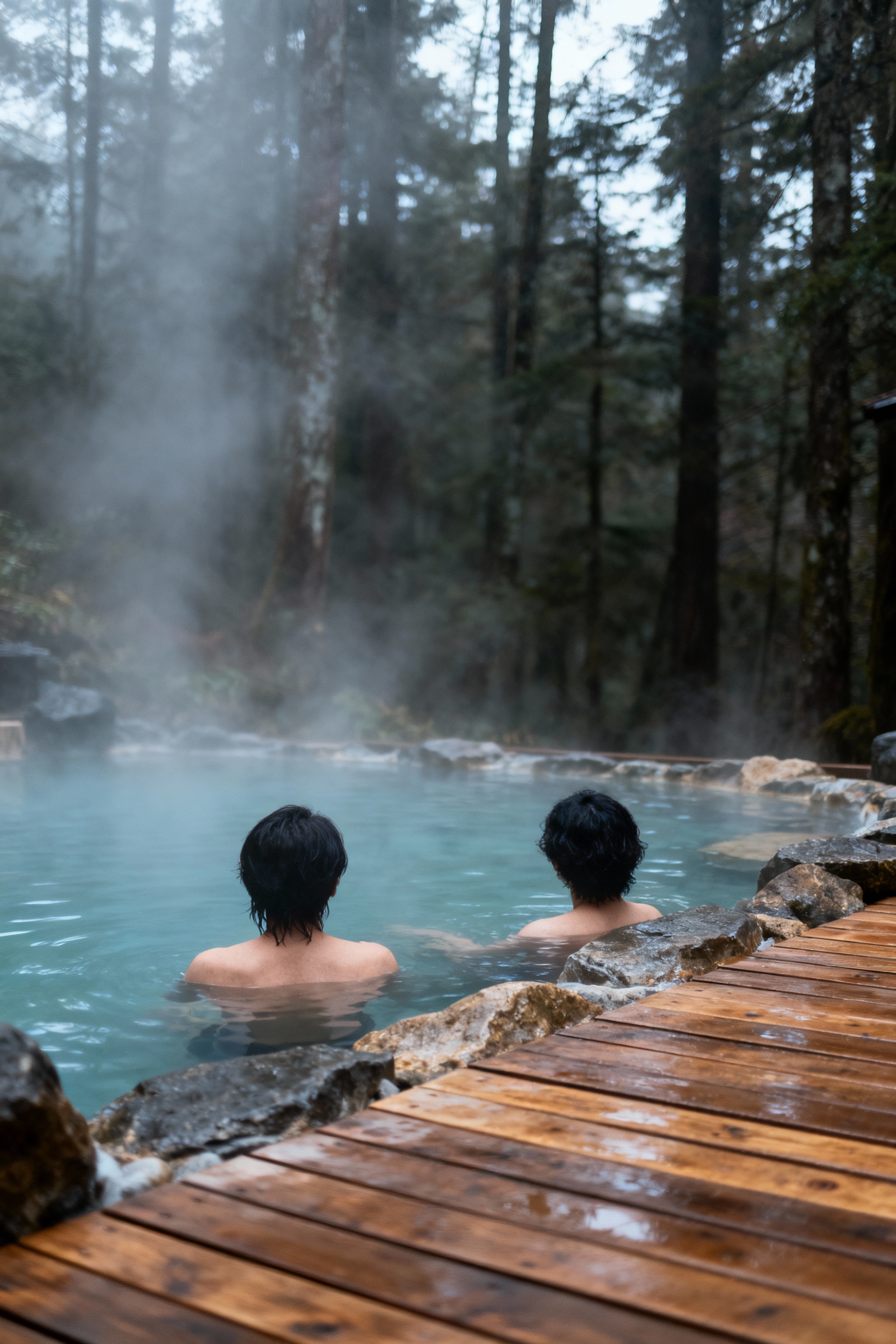
Oregon’s hot springs are a perfect reset day between hikes and drives—just plan it thoughtfully. For first-timers, consider a managed soak like Bagby (when open) or a resort-style option in Central Oregon so you know what you’re getting and what facilities exist. Go early on weekdays for a quieter experience, and pack a quick-dry towel, sandals, and a bag for wet clothes. Be respectful: follow posted rules, keep noise low, and don’t use soaps or products in natural water.
FAQ
When is the best time to visit Oregon for a first trip?
Late spring through early fall is the easiest for road-tripping, especially for mountain access like Crater Lake and higher-elevation hikes. July–September has the most reliable weather, but May–June and September can be less crowded while still feeling very “Oregon.” If you’re coming in winter, focus on cities, the coast, and snow sports rather than trying to cover the whole state.
How many days do I need to do Oregon without rushing?
Plan 5–7 days for a solid first-timer loop (Portland + Gorge + Coast, or Portland + Crater Lake + Bend). If you have 10–14 days, you can comfortably add Southern Oregon coastline and more time in Central Oregon. Oregon looks compact on a map, but the drives are scenic—and slower than you think.
Do I need a car in Oregon?
For Portland alone, you can get around without a car pretty easily. For the Columbia River Gorge, the coast, Crater Lake, and hot springs, a car is the simplest option and gives you flexibility for weather and trailhead timing. If you’re renting, book early in summer and ask about tire/chain policies if you’re traveling in colder months.
What should I pack for Oregon?
Layers are non-negotiable: a light rain jacket, warm mid-layer, and comfortable walking shoes cover most situations. Add sunglasses, sunscreen, and a reusable water bottle—cloudy days can still burn. For the coast, bring something windproof; for Crater Lake and mountains, pack an extra warm layer even in summer.
Any quick “don’t do this” tips for first-timers?
Don’t underestimate drive times, especially on the coast and through mountain areas. Don’t leave bags visible in your car at trailheads or scenic pullouts. And don’t try to cram Portland, the coast, Crater Lake, Bend, and the Gorge into a long weekend—pick two regions and enjoy them properly.