
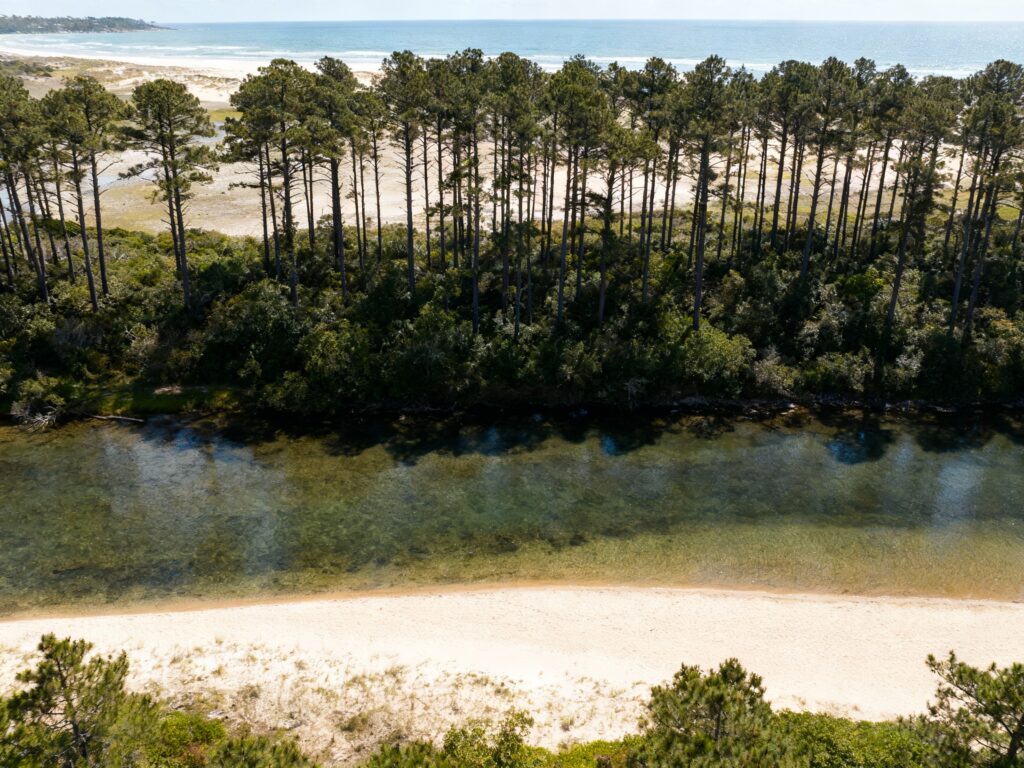
New Orleans is iconic for music, food, and late nights—but sometimes you want a reset button that’s still close enough to make it back for dinner. The good news: within easy driving distance, you can find landscapes that feel like a completely different state.
These are my favorite nature spots near New Orleans that read more “coastal dunes, spring-fed rivers, and piney mountain vibes” than “bayou.” Pack bug spray anyway (we’re still in the Gulf South), but expect big scenery shifts.
Top 5
1) Bogue Chitto State Park (Louisiana)
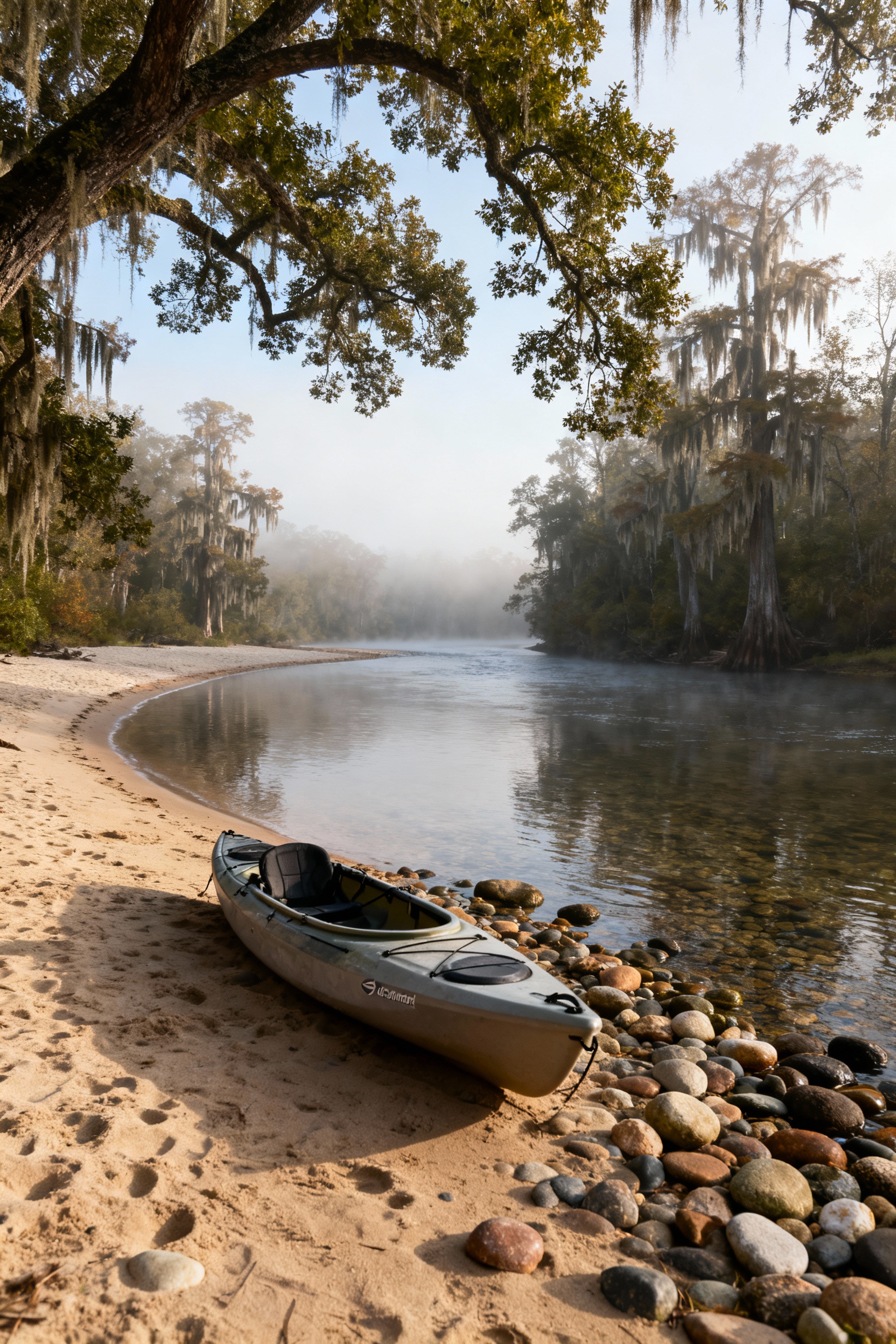
If you want “clear river + sandy banks” energy, Bogue Chitto delivers. Go early for the best parking and the quietest water, then rent a kayak/canoe in nearby Franklinton or bring your own for a float on the Bogue Chitto River. Pack water shoes for the sandy/rocky edges and a dry bag for your phone—this is a get-in-the-water kind of day. For a low-effort plan, do a short paddle in the morning and hike the Gorge Run Trail after lunch for the most “not-Louisiana” views.
2) Fontainebleau State Park (Mandeville)
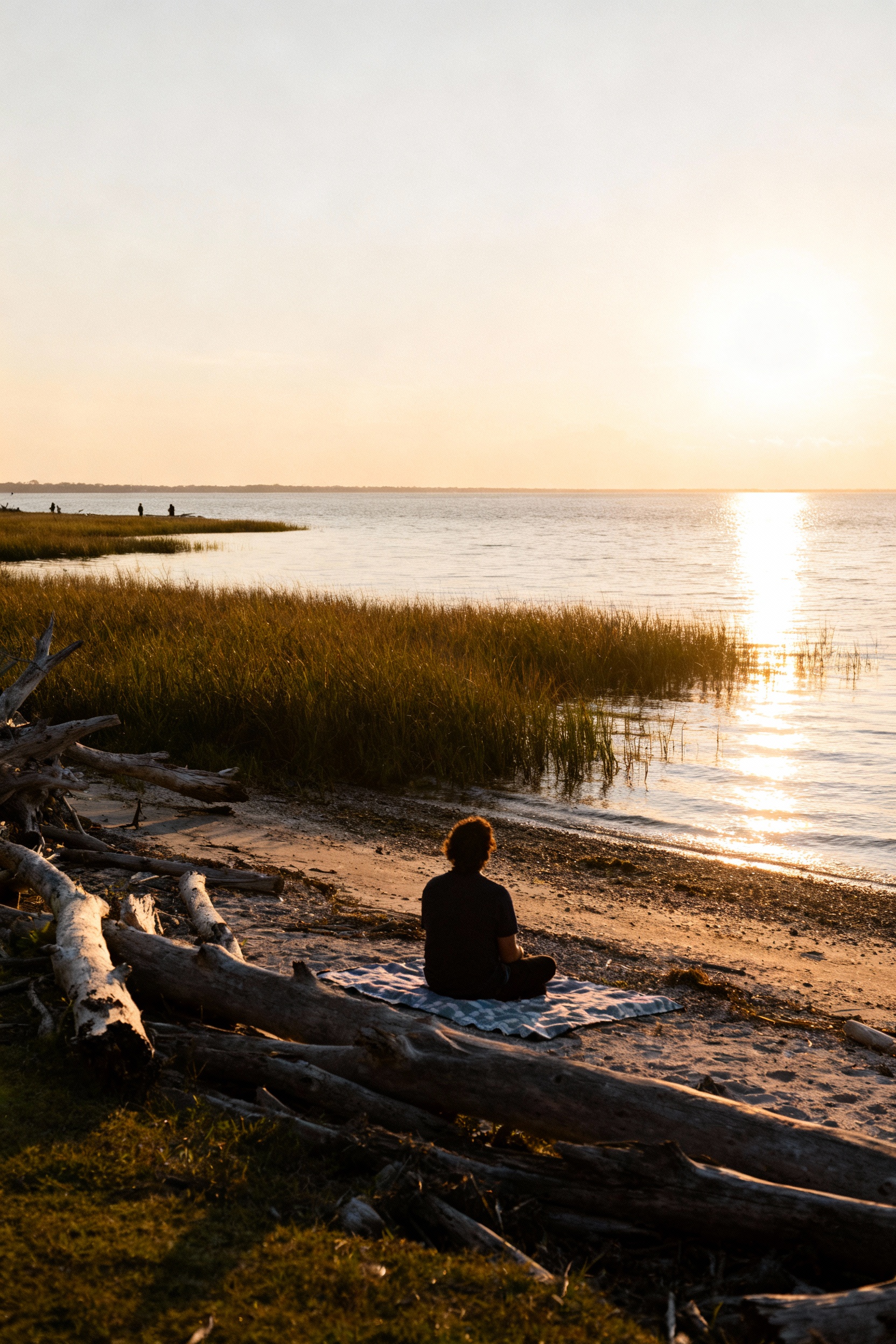
This one feels surprisingly “lakeside coastal” with wide-open views of Lake Pontchartrain and breezy sunsets. Aim for golden hour, bring a picnic, and walk the shoreline trail—especially if you want pretty photos without a sweaty hike. If you’re staying in the city, base yourself around the Garden District or Mid-City and drive over the Causeway earlier in the day to avoid weekend traffic. Bonus: pair it with a quick stop in downtown Mandeville for coffee or a casual lunch before heading back.
3) Ship Island (Gulf Islands National Seashore, Mississippi)
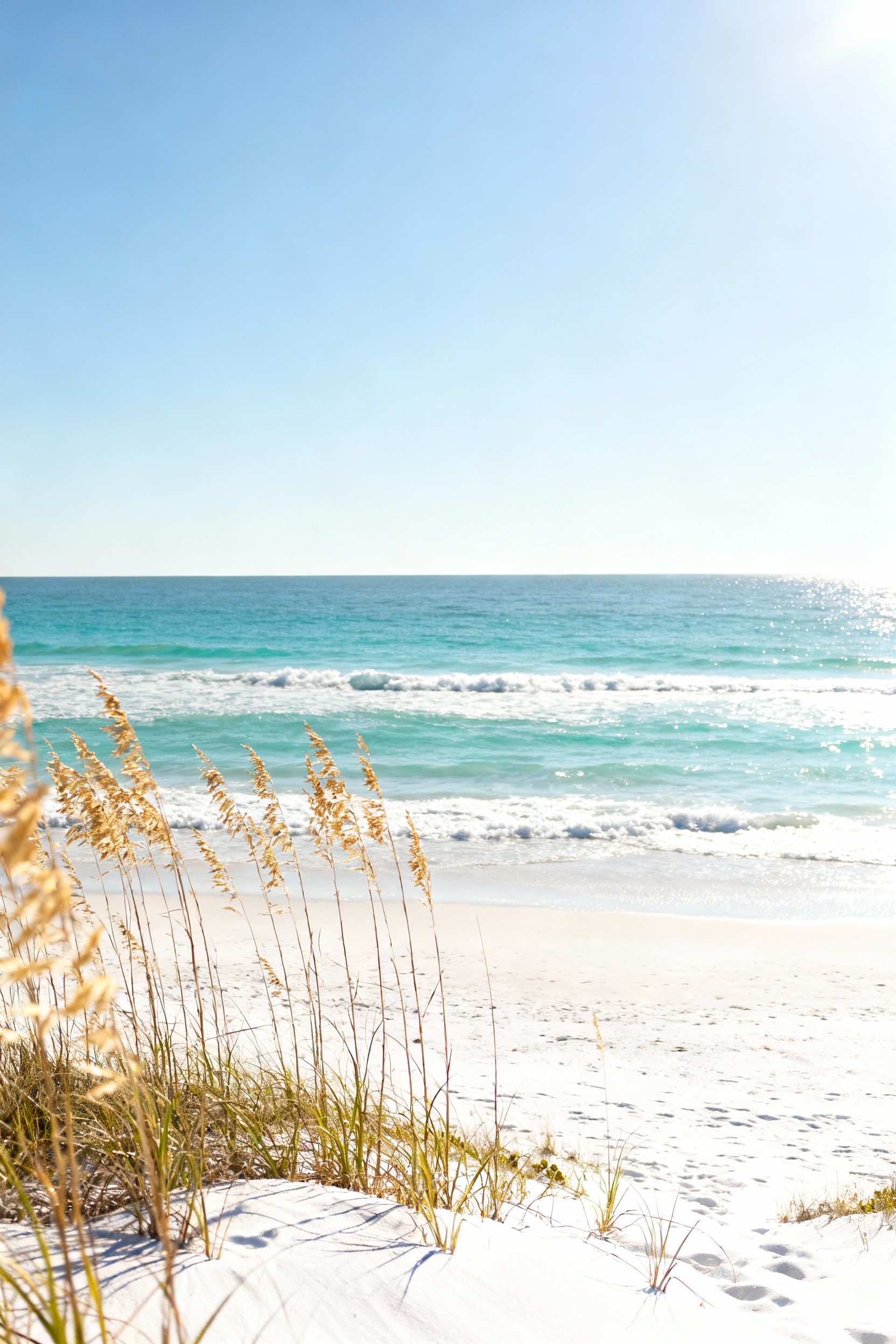
White sand, bright water, and zero “swampy” vibes—Ship Island looks like it belongs much farther south. You’ll need to book the ferry (typically out of Gulfport) in advance during peak weekends, and plan a full day because transit time adds up. Pack sunscreen, a hat, and plenty of water; there’s limited shade, and the sun is serious even when it’s breezy. Go on a weekday if you can for calmer beach time, and bring your own snacks so you’re not relying on limited concessions.
4) DeSoto National Forest (Mississippi)
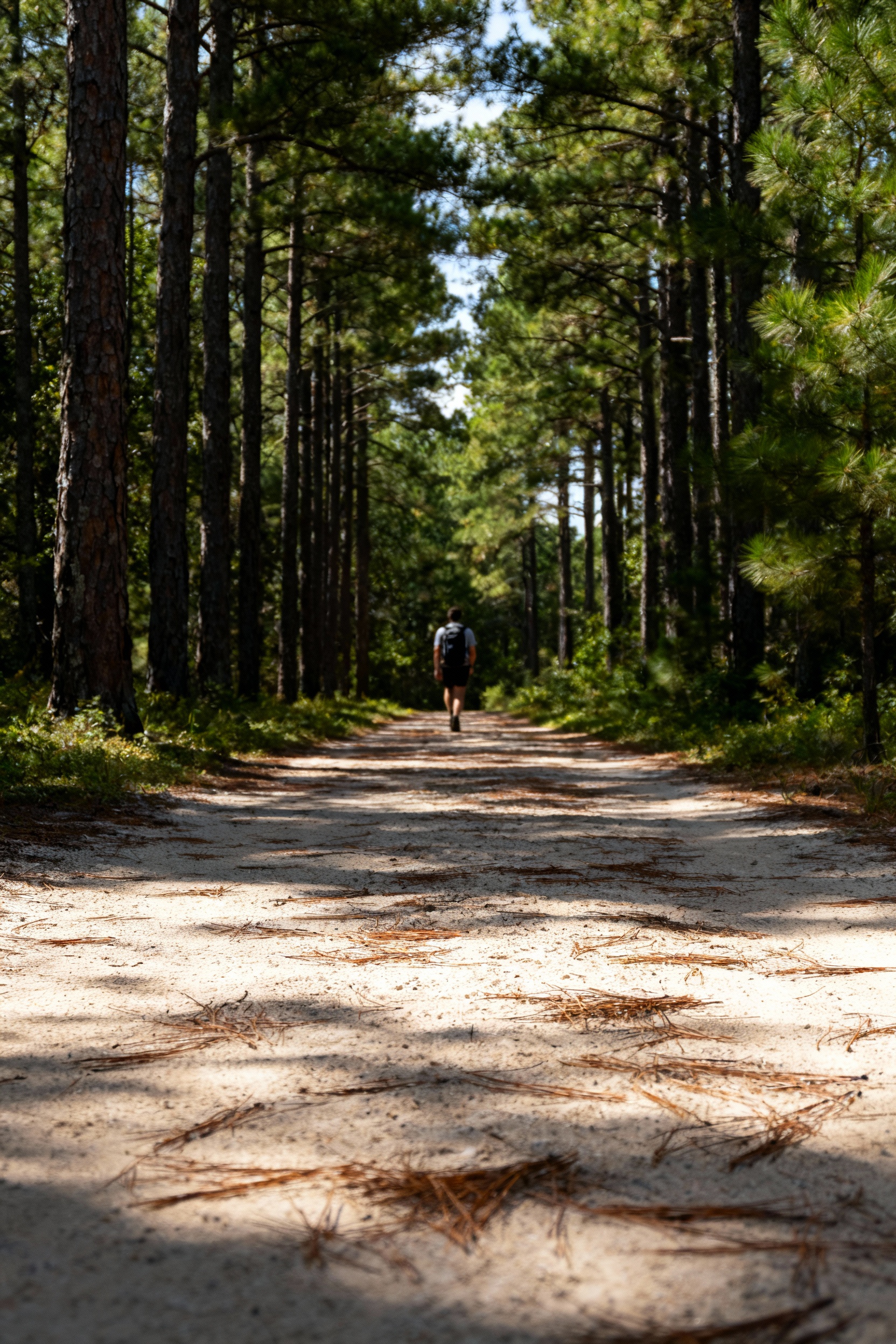
If you crave tall pines, quiet trails, and that “road trip through the woods” feeling, DeSoto is the move. Pick one main area (like Red Creek or Black Creek Wilderness) and commit—cell service can be spotty, so download maps ahead of time. Wear closed-toe shoes, pack bug spray, and bring a lightweight towel if you plan to wade in shallow water spots. This is a great “reset” day when you want to walk a few miles, hear birds, and not see a city skyline.
5) Clark Creek Natural Area (Mississippi)
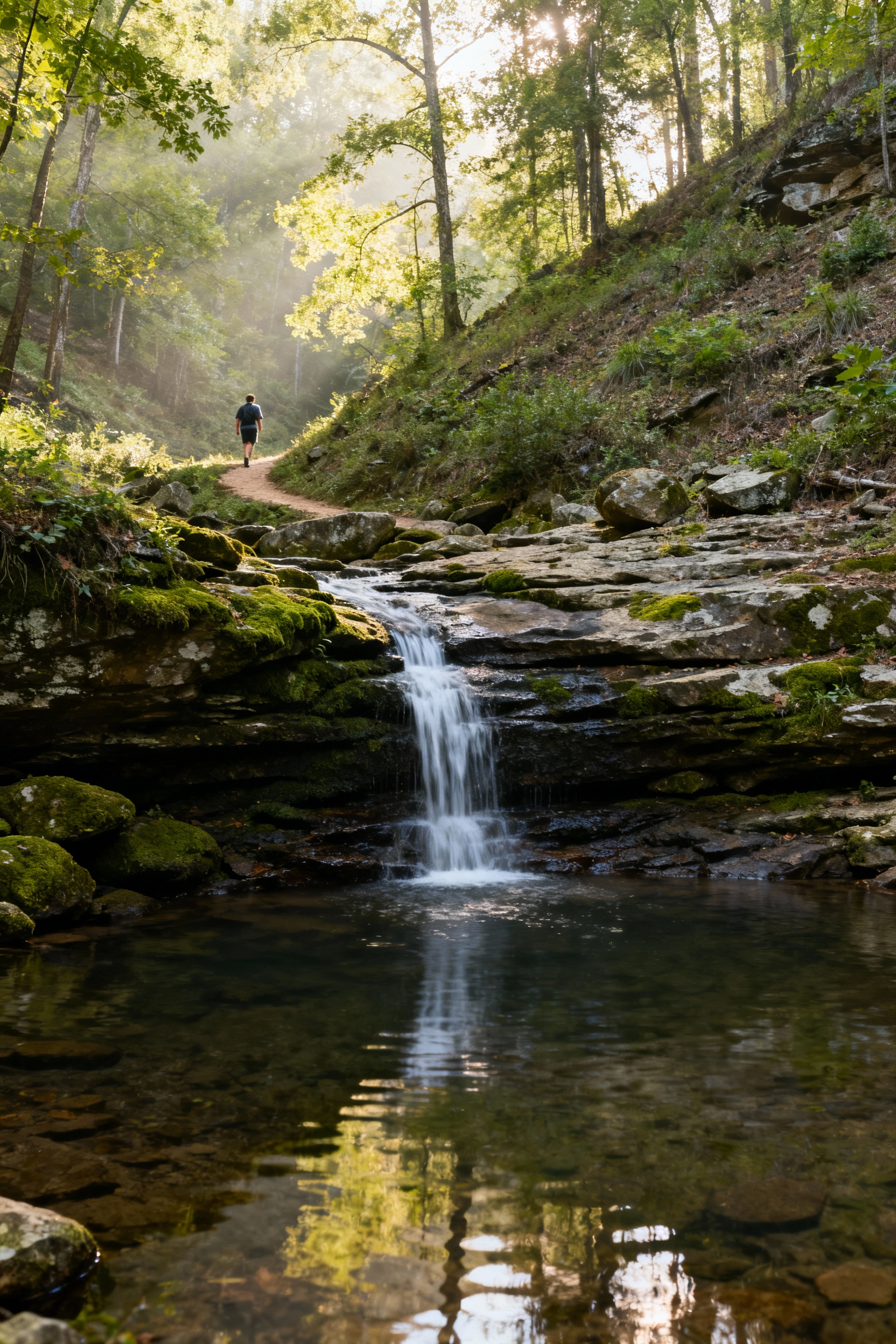
Waterfalls near New Orleans sound fake, but Clark Creek delivers with a rugged, hilly trail system that feels more like a mini Smokies moment than the Gulf Coast. Start early—this hike is steeper than most first-timers expect, and it gets hot fast in warmer months. Bring plenty of water, snacks, and grippy shoes because the paths can be slick after rain. If you’re not trying to suffer, choose a shorter loop and focus on a couple of falls rather than attempting every trail segment in one go.
FAQ
How far are these nature spots from New Orleans?
Most are doable as day trips, generally about 45 minutes to 2.5 hours driving each way, depending on traffic and where you start in the city. Ship Island takes longer because you’ll drive to the Mississippi coast and add ferry time, so plan it as an all-day outing.
Do I need to book anything in advance?
For Ship Island, yes—book ferry tickets ahead on weekends and holidays. For paddling at Bogue Chitto, it’s smart to reserve rentals if you want a specific launch time; parks like Fontainebleau typically don’t require reservations for day use, but check for special event closures.
What should I pack for a “not-Louisiana” nature day?
Bring sunscreen, bug spray, a refillable water bottle, and comfortable shoes (water shoes for river days, grippy sneakers or hikers for Clark Creek). A small cooler with snacks helps a lot, and a dry bag is clutch for kayaking or beach days.
What’s the best time of year to go?
Late fall through early spring is prime for hiking because it’s cooler and less humid. Summer is best for water-focused plans (beach, lake, river floats), but start early and plan shade breaks to avoid the worst heat.
Any safety tips for first-timers?
Check weather and water conditions before you go, especially for paddling and post-rain hiking. Start earlier than you think, keep your gas tank comfortably above empty for longer drives, and download offline maps if you’re heading to forested areas with weak service. If you’re hiking Clark Creek, pace yourself and turn around before you’re exhausted—those climbs hit different on the way back.