
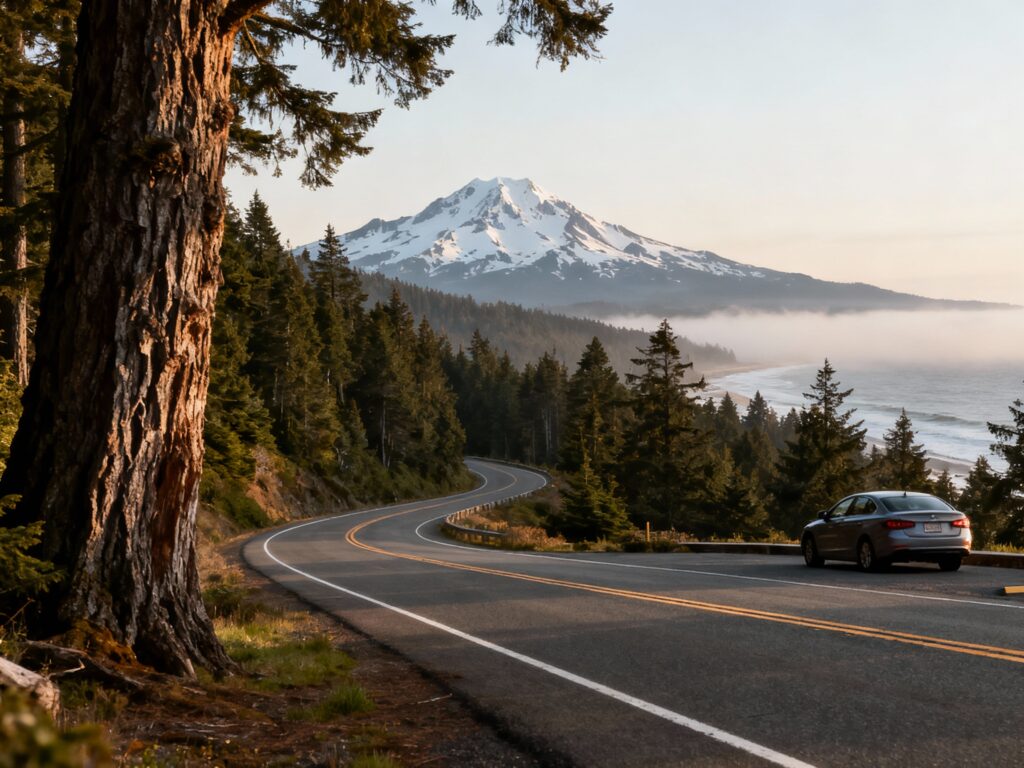
Oregon is basically built for road trips: dramatic coastline, moody forests, high desert, and cute towns that somehow always have great coffee. The best part? You can stack totally different landscapes into one long weekend without feeling like you’re living in your car.
Below are five routes that are genuinely worth the mileage—plus what to book, what to pack, and what to skip if you’re short on time.
Top 5
1) Oregon Coast Classics: Cannon Beach to Newport
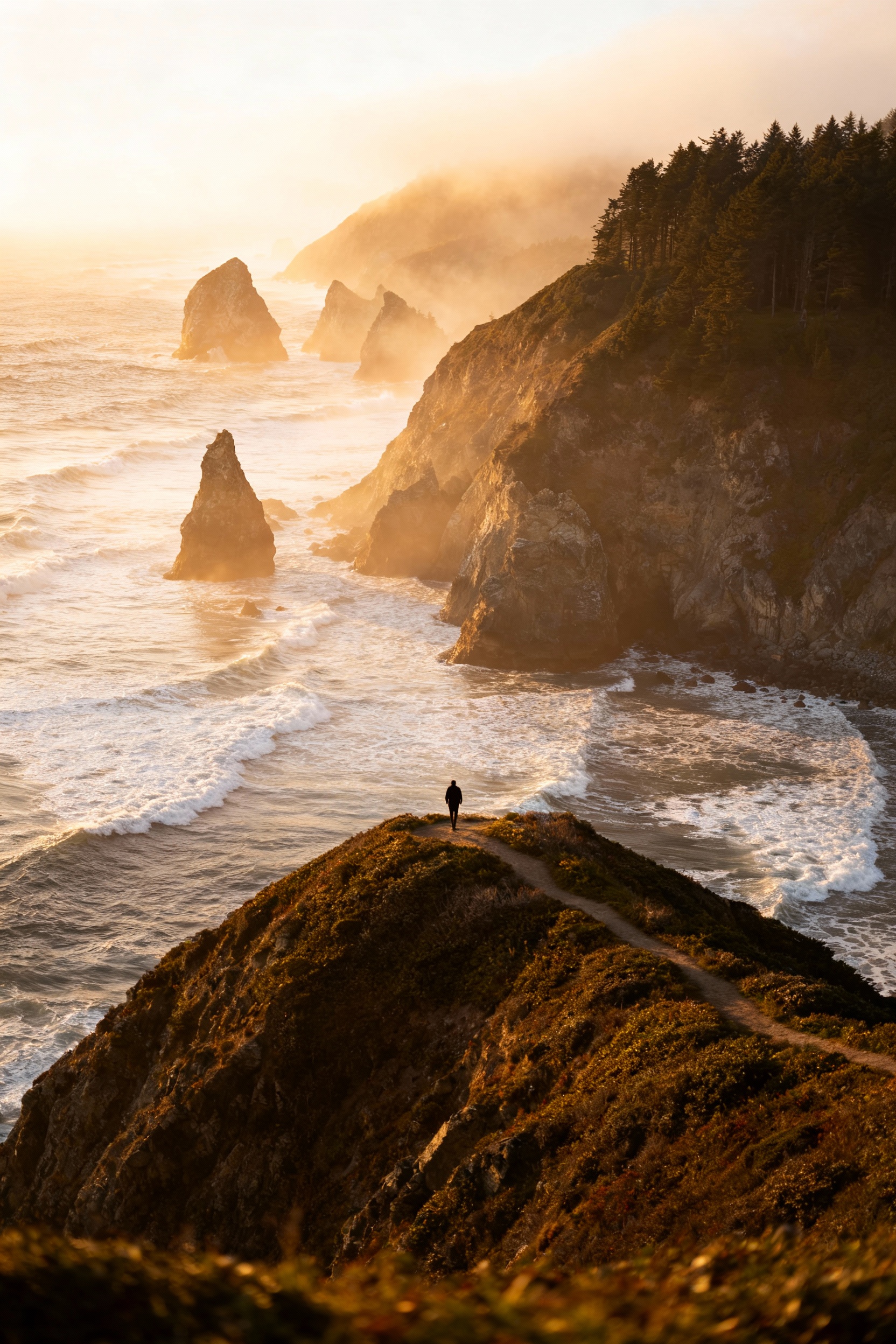
Drive US-101 south from Cannon Beach, stopping at Ecola State Park for viewpoints, then loop through Tillamook for cheese and a quick factory tour. Aim for an early start to beat weekend traffic and secure parking at Haystack Rock and Cape Kiwanda (sunset is gorgeous but crowded). Pack a windbreaker and shoes you don’t mind getting sandy, and book a Newport hotel in advance if you’re traveling in summer. If you have extra time, detour to Depoe Bay for whale watching—mornings tend to be calmer on the water.
2) Waterfalls + Wine: Portland to the Columbia River Gorge & Hood River
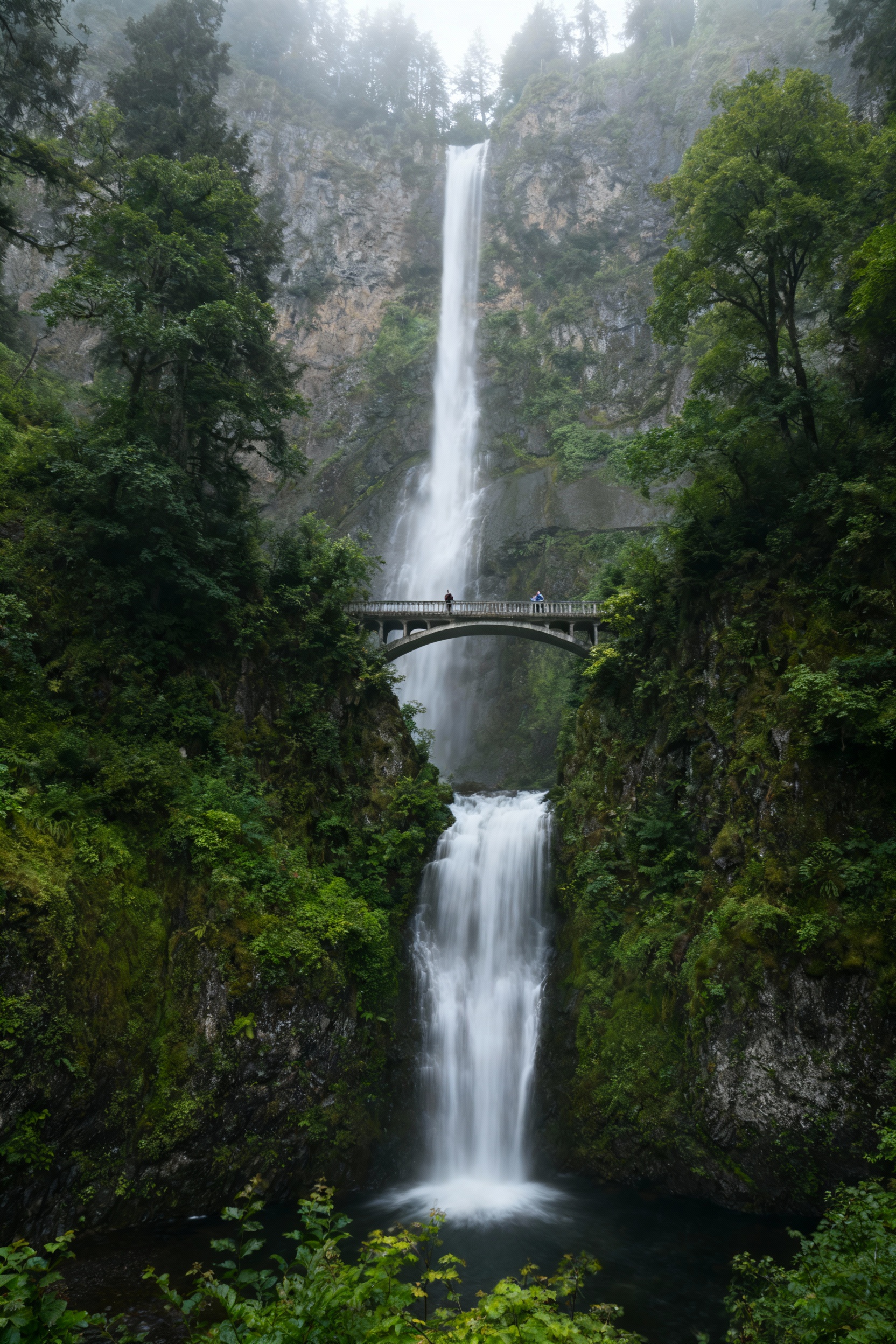
Base in Hood River for a walkable downtown, river views, and easy access to both waterfalls and wineries. Go early to Multnomah Falls (or use the Columbia Gorge Express shuttle in peak season) and hit shorter hikes like Latourell Falls if you want big payoff without a full-day trek. Bring layers—Gorge weather changes fast—and reserve tastings ahead if you’re visiting on a Saturday. Don’t try to “do every waterfall”; pick 2–3, then spend the afternoon at a vineyard or on the Fruit Loop for orchards and farm stands.
3) Volcano Views Loop: Bend, Smith Rock, and the Cascades Lakes Scenic Byway
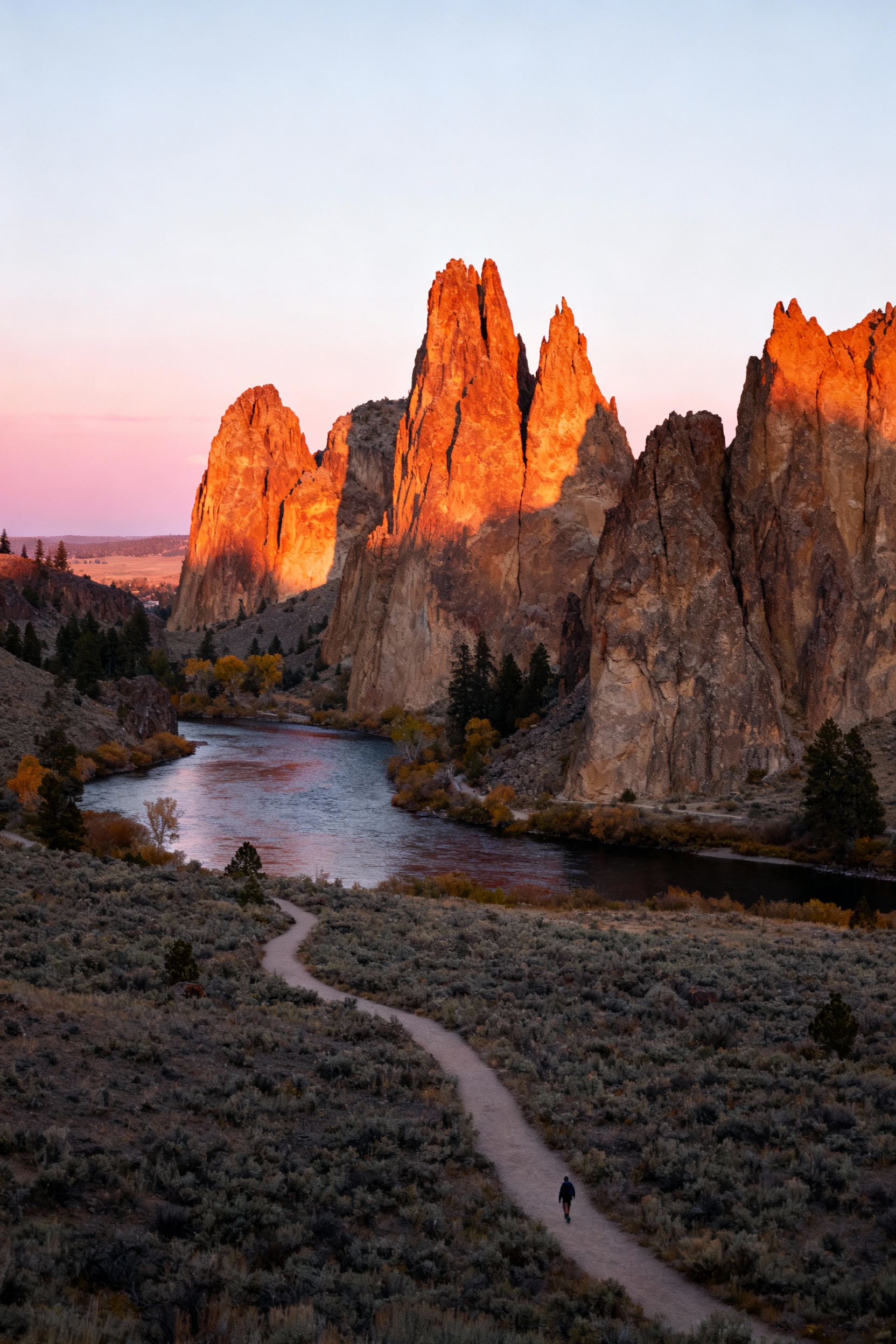
Start in Bend for breweries, coffee, and a convenient home base, then do sunrise at Smith Rock for cooler temps and easier parking. The Cascades Lakes Scenic Byway is summer perfection—add stops at Sparks Lake and Devil’s Lake, and consider renting paddleboards early before afternoon winds kick up. Pack sunscreen and a swimsuit (yes, even if it’s not “lake weather” when you wake up), and check for seasonal road closures if you’re going in spring or late fall. If you’re short on time, skip cramming in both Crater Lake and Bend in one weekend—give Central Oregon its own trip.
4) Southern Oregon Wow Factor: Crater Lake + Umpqua Hot Springs
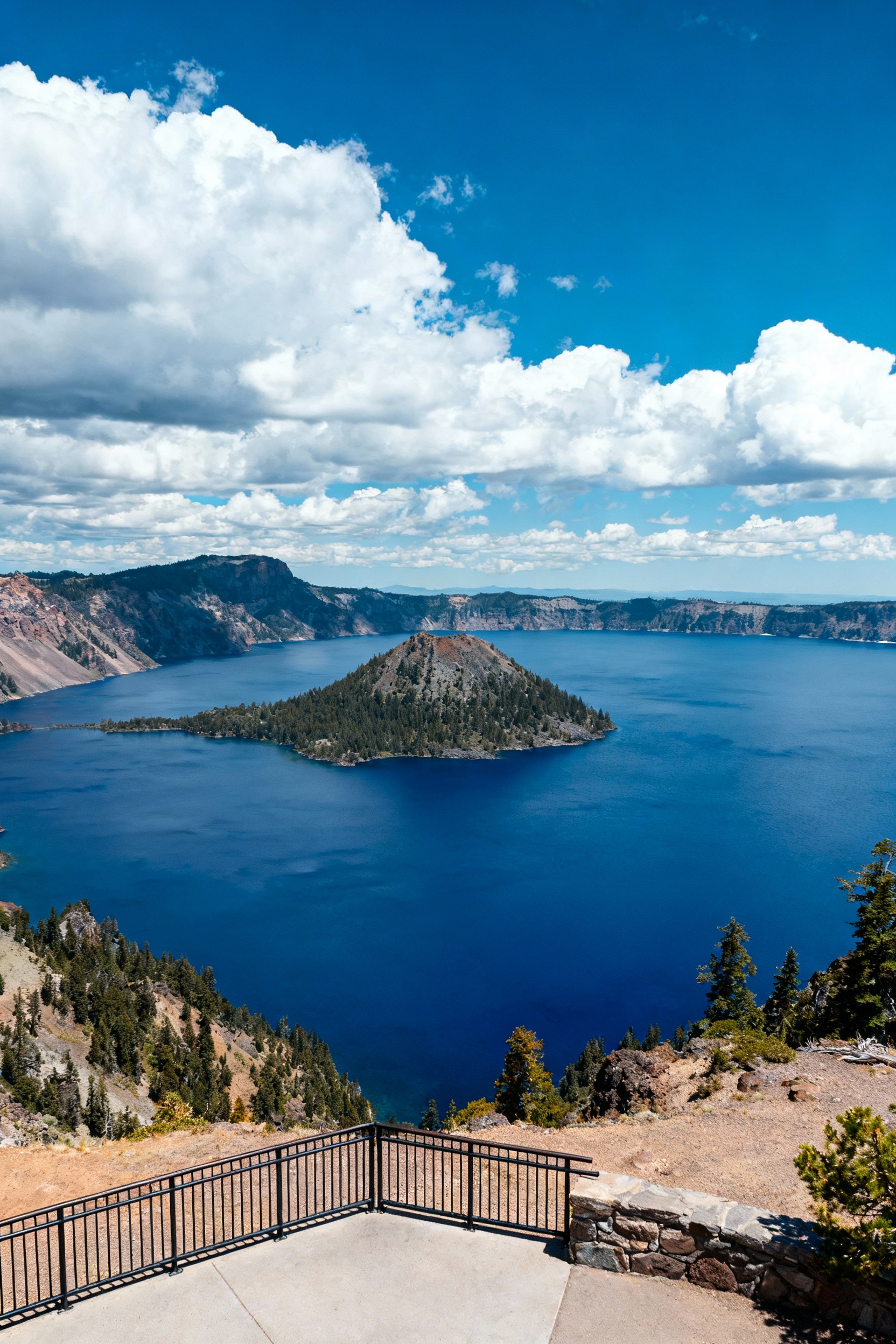
Plan this one for late June through September when rim roads are most likely to be fully open, and book lodging early if you want to stay inside the park. Drive the Rim Drive viewpoints, then choose one hike (Watchman Overlook is a great first-timer option) instead of over-scheduling. Pair it with Umpqua Hot Springs near Toketee Falls—go at off-peak times and pack a towel, water shoes, and cash for day-use areas nearby. Expect limited cell service and fill up on gas before heading deeper into the forest.
5) High Desert Adventure: Painted Hills + John Day Fossil Beds
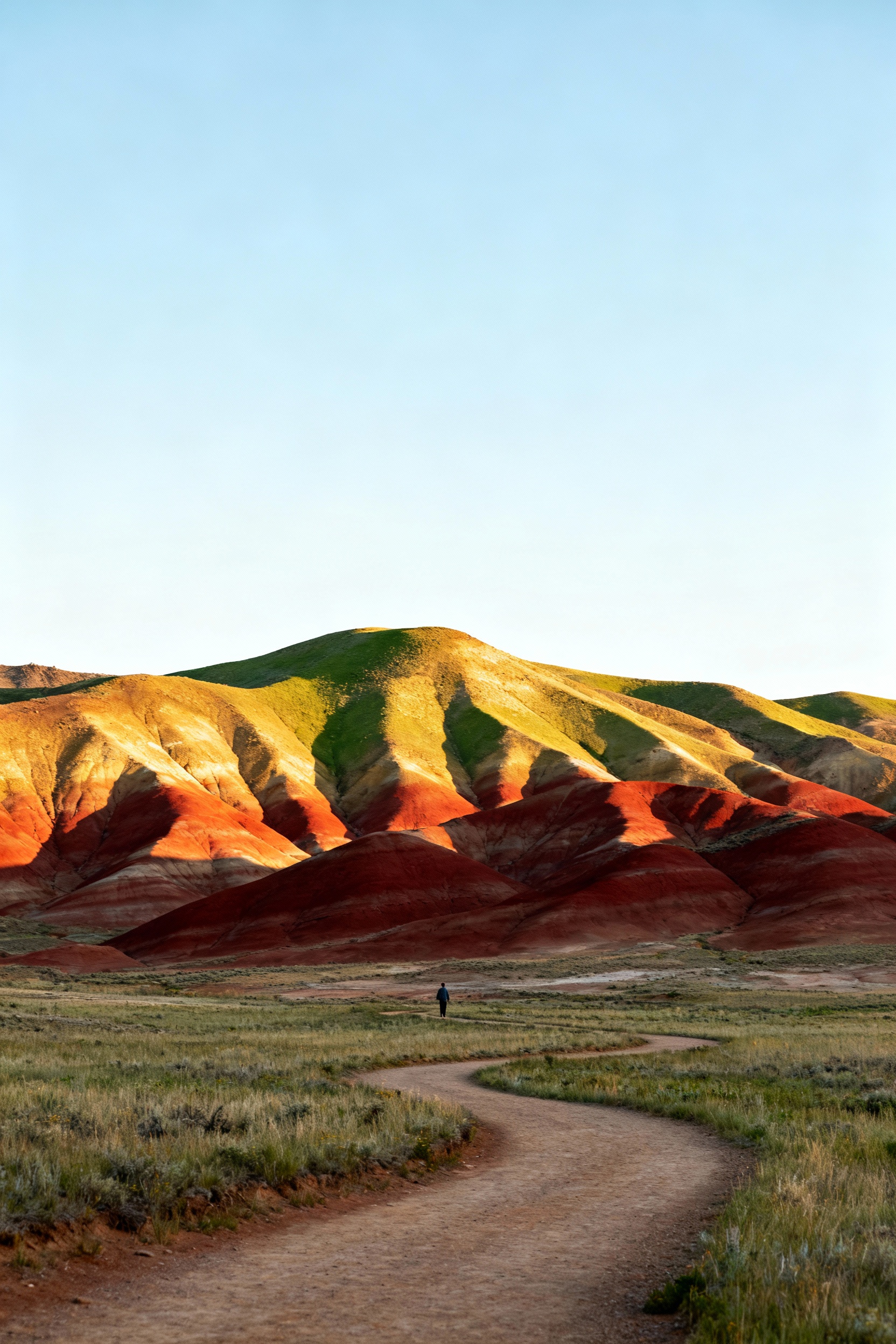
For a totally different Oregon vibe, road trip east into the John Day region for wide-open roads and unreal color shifts in the Painted Hills. Visit early or late for the best light (midday can feel washed out), and bring more water than you think you need—shade is not a given. Pair Painted Hills with the Blue Basin section for short trails that feel like another planet, and keep snacks on hand because towns are spaced out. This trip is best from late spring through fall; in winter, conditions can get icy and services sparse.
FAQ
What’s the best time of year for Oregon road trips?
Late spring through early fall is the easiest for first-timers: longer daylight, fewer weather surprises, and more seasonal roads open (especially around Crater Lake and mountain passes). The coast is doable year-round, but expect wind, mist, and occasional storms in fall and winter.
How many days do I need for these trips?
Most routes work in 2–4 days if you pick a home base and don’t try to “see everything.” The Oregon Coast and the Gorge are great for weekends, while Crater Lake and the Painted Hills feel better with 3–4 days because of the drive time.
Do I need to book hotels and park passes in advance?
In summer, yes—especially for the coast, Hood River, Bend, and anything near Crater Lake. Oregon State Parks can fill fast on weekends, and some popular spots have timed entry or shuttle options during peak season, so check official park sites before you go.
What should I pack for an Oregon road trip?
Layers are non-negotiable: a light puffer or fleece, a rain jacket, and comfortable walking shoes. Add a reusable water bottle, a small cooler for snacks, sunscreen (even on the coast), and a portable phone charger for long scenic stretches with spotty service.
What’s the biggest mistake first-timers make in Oregon?
Overstuffing the itinerary and underestimating drive times—two viewpoints can be an hour apart, and parking can be slow in peak season. Pick a couple of anchor stops per day, build in buffer time, and you’ll actually enjoy the drive instead of racing the clock.