
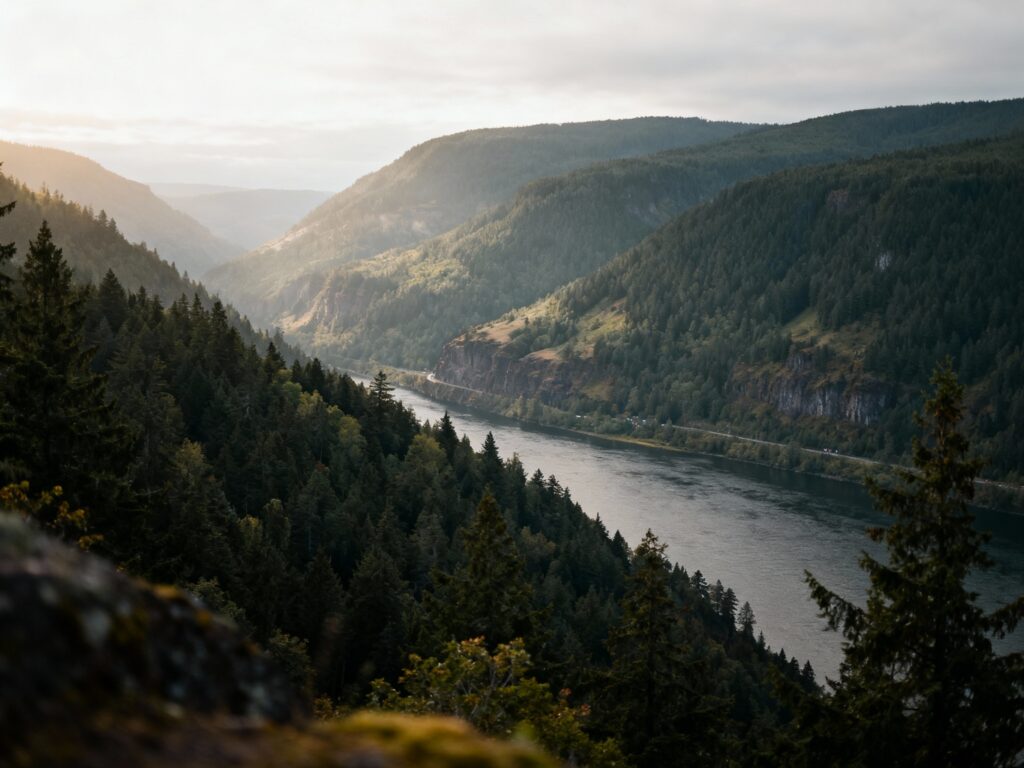
Oregon is that rare state where you can road-trip from moody coastline to alpine lakes to high desert landscapes in a single long weekend. If you’re a nature lover, the hardest part isn’t finding things to do—it’s narrowing it down.
Here are five outdoor activities that feel peak Oregon, with practical tips so you can plan fast, pack smart, and spend more time outside.
Top 5
1) Hike to Multnomah Falls + Columbia River Gorge Waterfalls
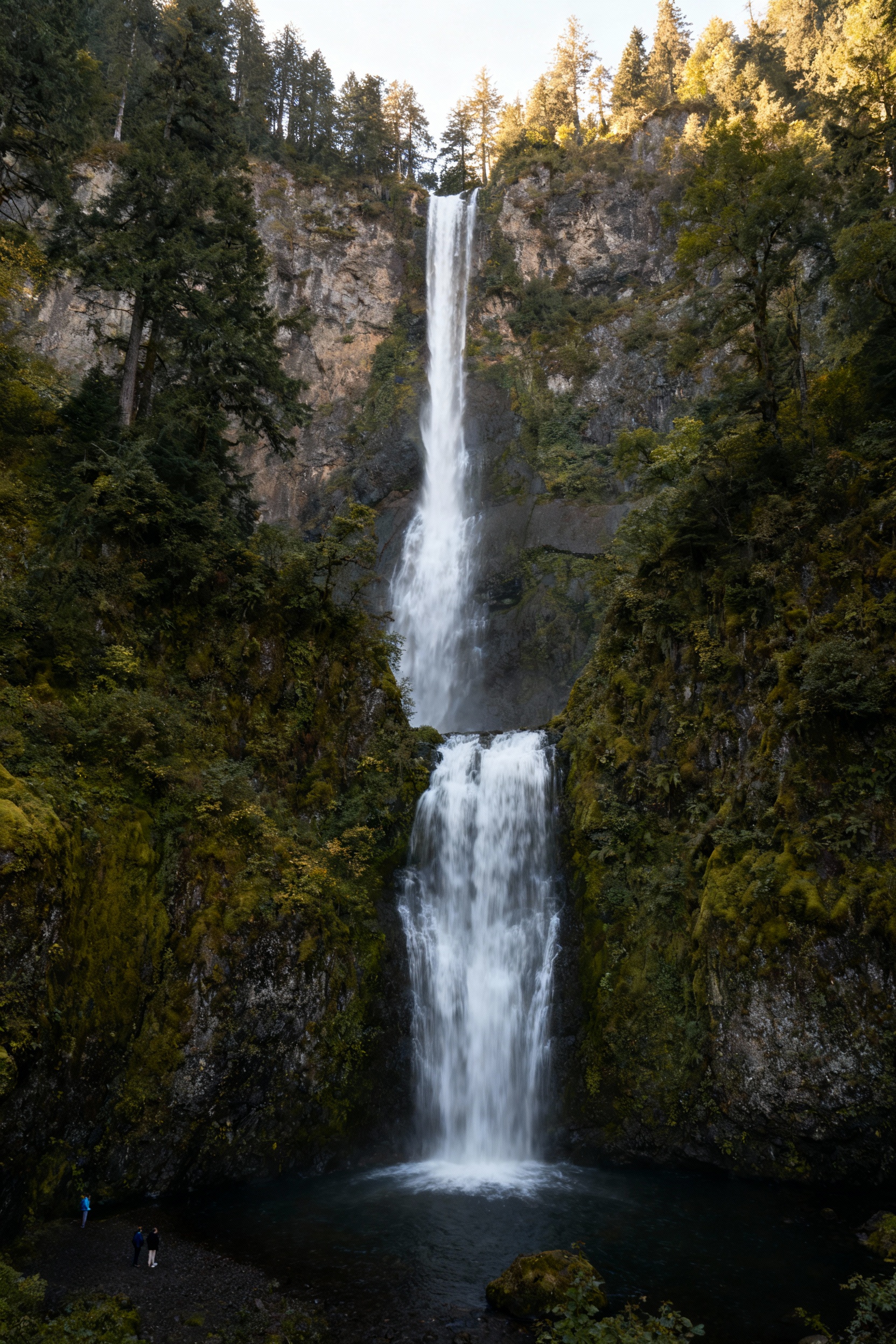
Start early (before 9 a.m.) for easier parking and lighter crowds, then pair Multnomah Falls with a short waterfall loop like Latourell Falls or Wahkeena Falls nearby. In peak seasons, you may need timed use/permits for certain Gorge areas, so check current access rules before you drive out. Wear grippy shoes—mist and moss make rocks slick—and pack a light rain layer even if Portland looks sunny. If you’re basing yourself in the city, the east side (around the Central Eastside or Hollywood) makes for quick freeway access at dawn.
2) Whale Watching + Tidepooling on the Oregon Coast (Depoe Bay to Cannon Beach)
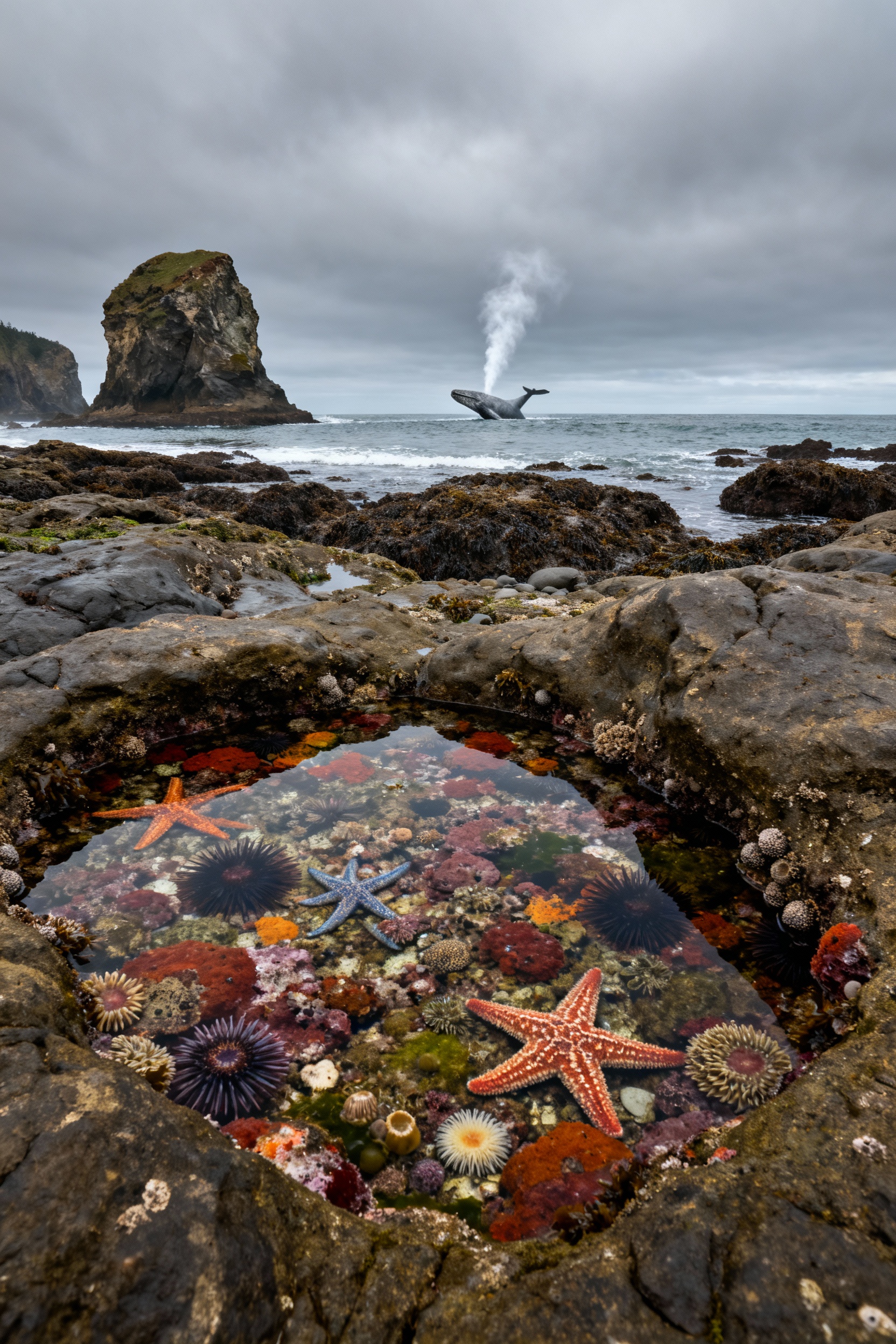
For the classic first-timer combo, plan one morning for whale watching and one low-tide window for tidepooling—those tide schedules are everything. Depoe Bay is a top spot for gray whales almost year-round, and you can book a short boat tour or watch from shore with binoculars on calmer days. For tidepools, aim for Haystack Rock in Cannon Beach or the rocky coves around Cape Perpetua; wear sturdy shoes and never turn your back on the ocean. Pack a windbreaker, beanie, and a small thermos—coastal “summer” still runs cool and breezy.
3) Kayak or Paddleboard on a Clear Lake (Trillium Lake or Clear Lake)
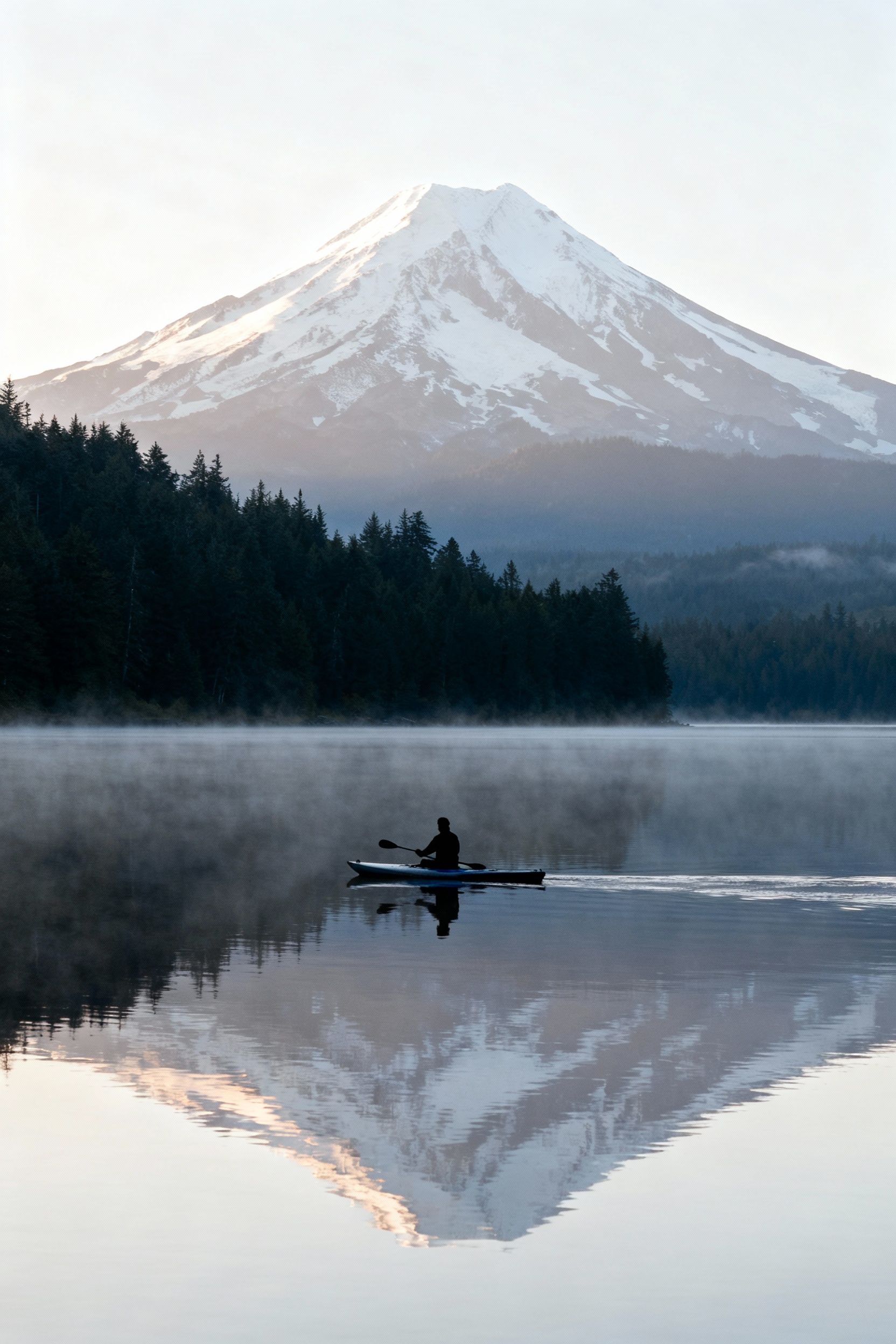
If you want that glassy-water, mountain-reflection moment, go early morning when winds are calm and the lake is at its most mirror-like. Trillium Lake is an easy add-on near Mount Hood with rentals often available in season, while Clear Lake (near McKenzie Pass) is famous for its underwater “ghost forest” vibe—bring a waterproof phone pouch for photos. A dry bag is a must for snacks and an extra layer, and a quick-dry top keeps you comfortable if you splash. Reserve rentals ahead on summer weekends, especially if you’re traveling with friends and need multiple boards.
4) Crater Lake Rim Views + Short Hikes (and Snow Play in Shoulder Season)
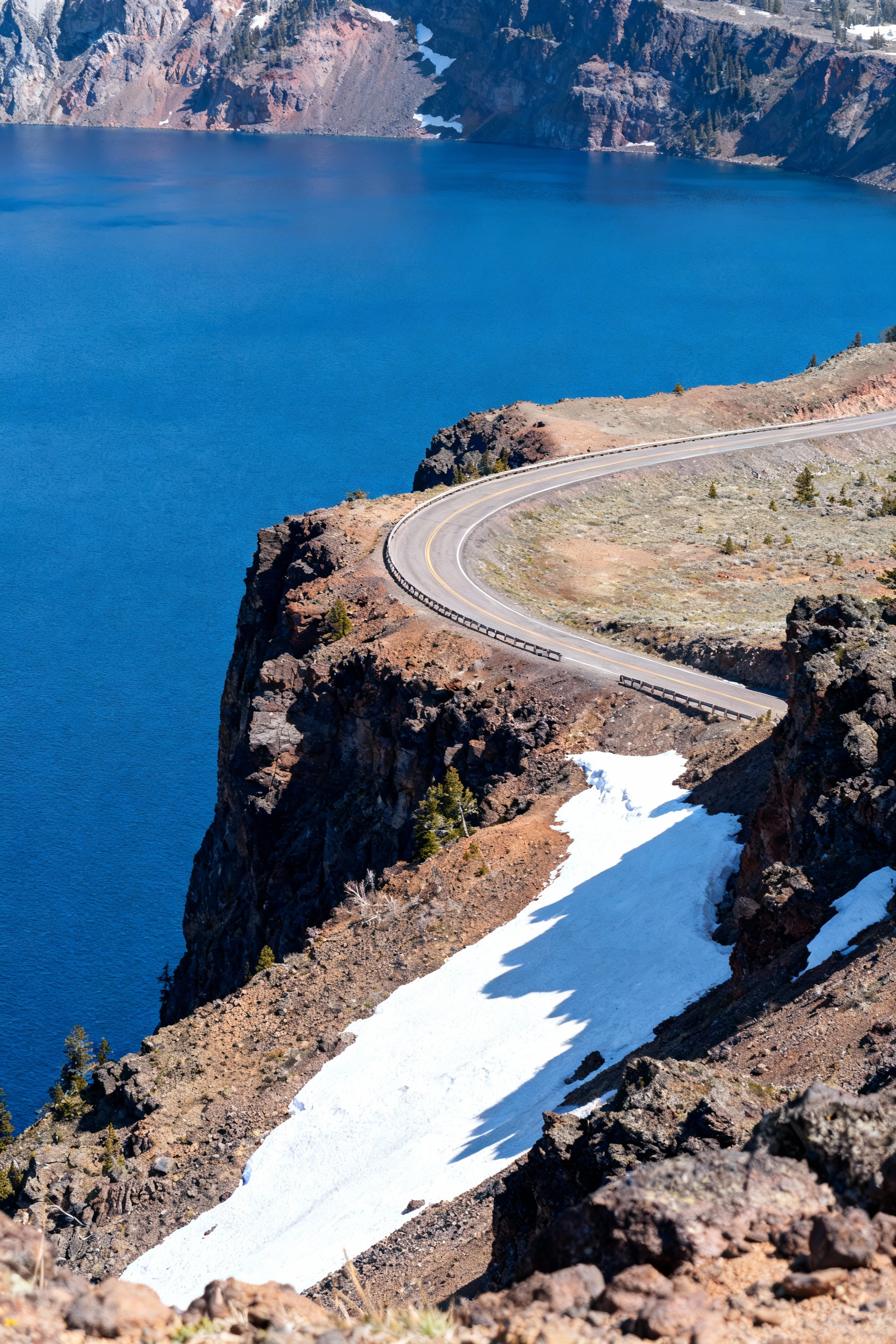
Crater Lake is the “you have to see it once” kind of place, and the easiest win is driving the Rim (when open) with a few short stops for viewpoints and mini-hikes. Summer is prime for full access, but late spring and fall can be magical with fewer people—just expect partial road closures and chilly wind at the rim. Pack layers, sunglasses, and water; the high elevation sun is intense even when the air feels cold. If you’re going in peak season, lock in lodging early (inside the park or in nearby Prospect/Union Creek) and plan sunrise or sunset for the most unreal blue color.
5) Explore Central Oregon: Bend Trails + Smith Rock Sunrise
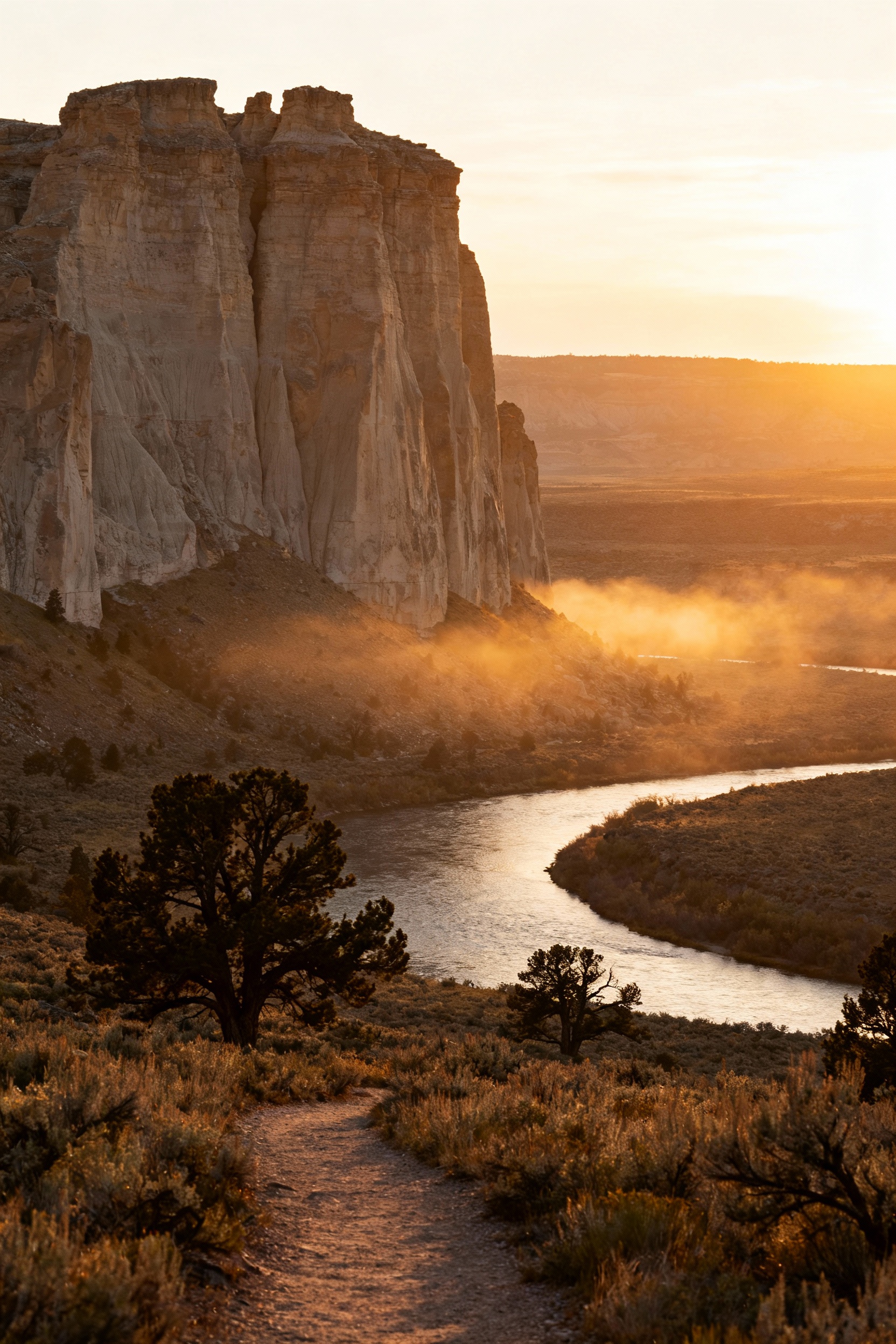
Bend is an outdoor playground with miles of easy-to-follow river trails—perfect for a low-stress bike ride or sunset stroll after a day hike. For the iconic adventure, head to Smith Rock State Park at sunrise for cooler temps and golden light; even the easier routes deliver big views fast. Bring plenty of water (it’s high desert dry), sun protection, and shoes with traction for dusty switchbacks. If you want a simple plan: stay in Bend, do Smith Rock early, then cool off with a float on the Deschutes River or a shady walk along the Old Mill area.
FAQ
When is the best time to visit Oregon for outdoor activities?
Late spring through early fall is the easiest for first-timers because mountain roads and park facilities are more reliably open. July–September has the most access (and crowds), while May–June and September–October can be a sweet spot for fewer people and great weather.
Do I need reservations or permits for Oregon’s top nature spots?
Sometimes, yes—especially for popular areas like parts of the Columbia River Gorge and peak-season lodging near national/state parks. Check official park and forest websites a week or two before your trip, and book rentals (kayaks, paddleboards, tours) early on summer weekends.
What should I pack for Oregon outdoor adventures?
Think layers: a light rain jacket, a warm mid-layer, and breathable basics. Add sturdy shoes, a reusable water bottle, sun protection, and a small daypack; coastal wind and mountain elevation can change conditions fast.
How many days do I need to do these activities without rushing?
A long weekend can cover two regions well (like Portland + the Gorge, or Bend + Smith Rock). For all five activities, plan 7–10 days with a road trip route: Portland/Gorge, Coast, Mount Hood/McKenzie area, Crater Lake, then Bend.
Is Oregon beginner-friendly for hiking and kayaking?
Yes—there are tons of short, well-marked trails and calm-water lakes that are great for first-timers. Start with easier routes, follow weather and tide updates, and don’t be shy about renting gear or joining a guided tour if you want extra confidence.