
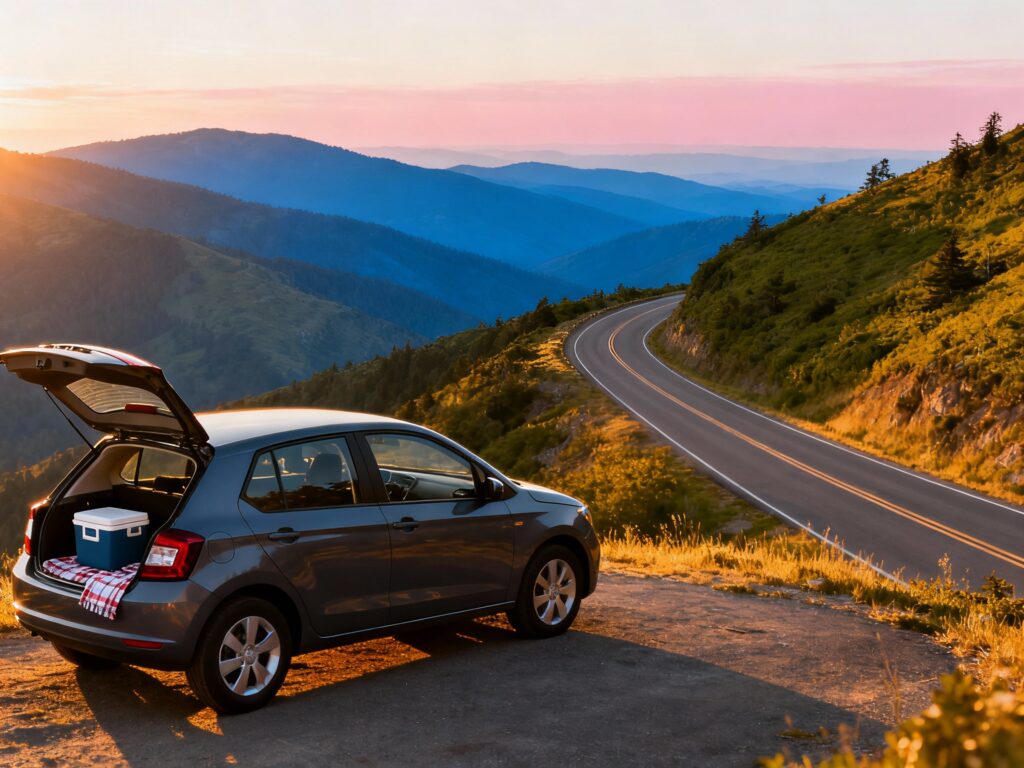
July road trips can get pricey fast, but “cheap” is totally doable if you pick routes with free nature, easy camping, and towns where you can eat well without fancy reservations. Think: early starts, grocery-store picnics, and swims instead of expensive attractions.
Below are five road trips that keep your budget in check while still feeling like a real summer adventure. Each one is first-timer friendly, flexible for long weekends, and packed with low-cost stops.
Top 5
1) Blue Ridge Parkway (Asheville to Roanoke)
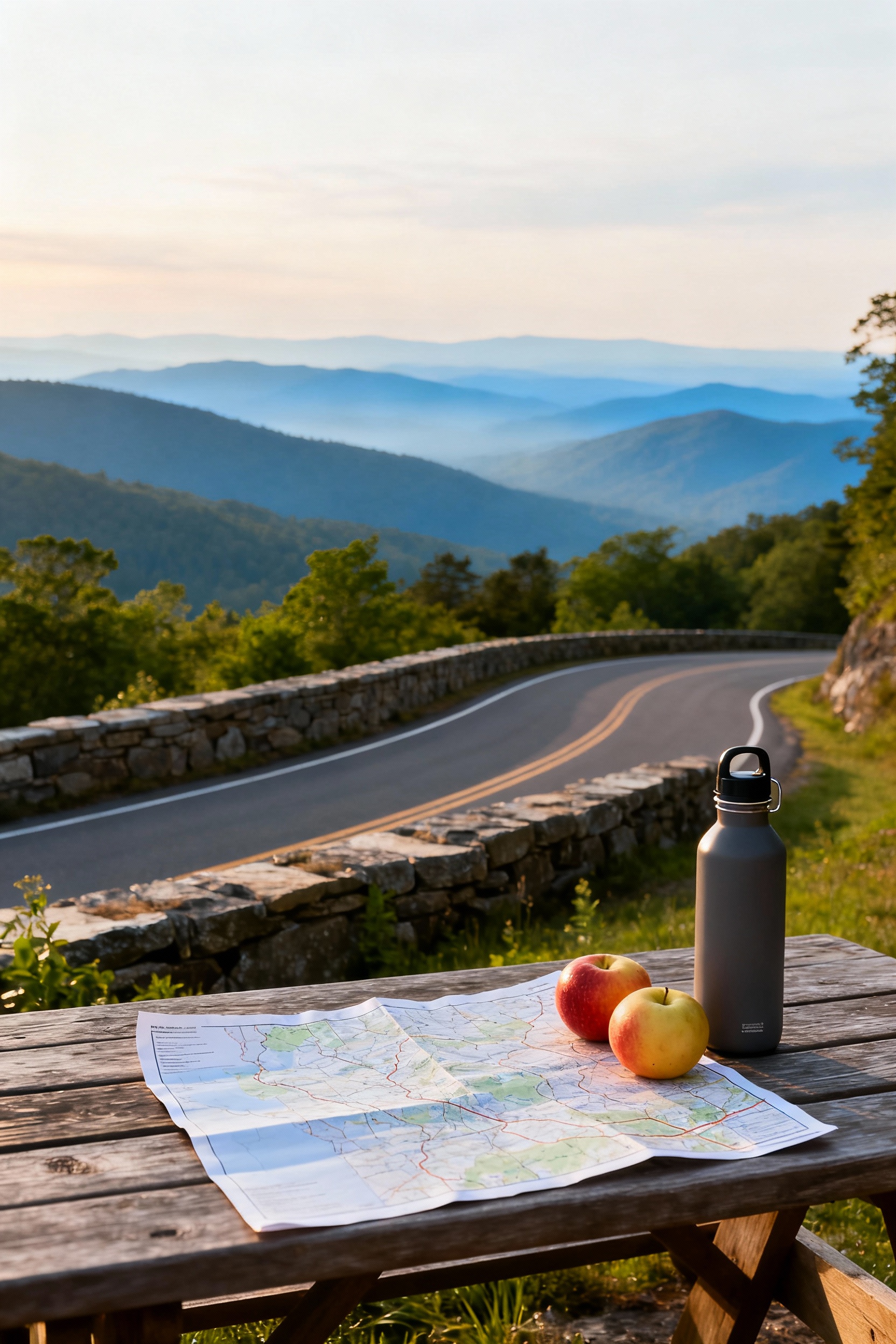
This drive is basically a highlight reel of overlooks, short hikes, and picnic spots—aka free entertainment for days. Go early in the morning for cooler temps and empty pull-offs, then spend midday in Asheville or a smaller town like Boone to refuel. Pack a small cooler, a reusable water bottle, and a light rain jacket (July storms pop up fast in the mountains). For cheap nights, book campgrounds in advance (they fill up) or stay just outside Asheville to dodge the highest rates.
2) Lake Michigan Beach Hop (Chicago to Sleeping Bear Dunes)
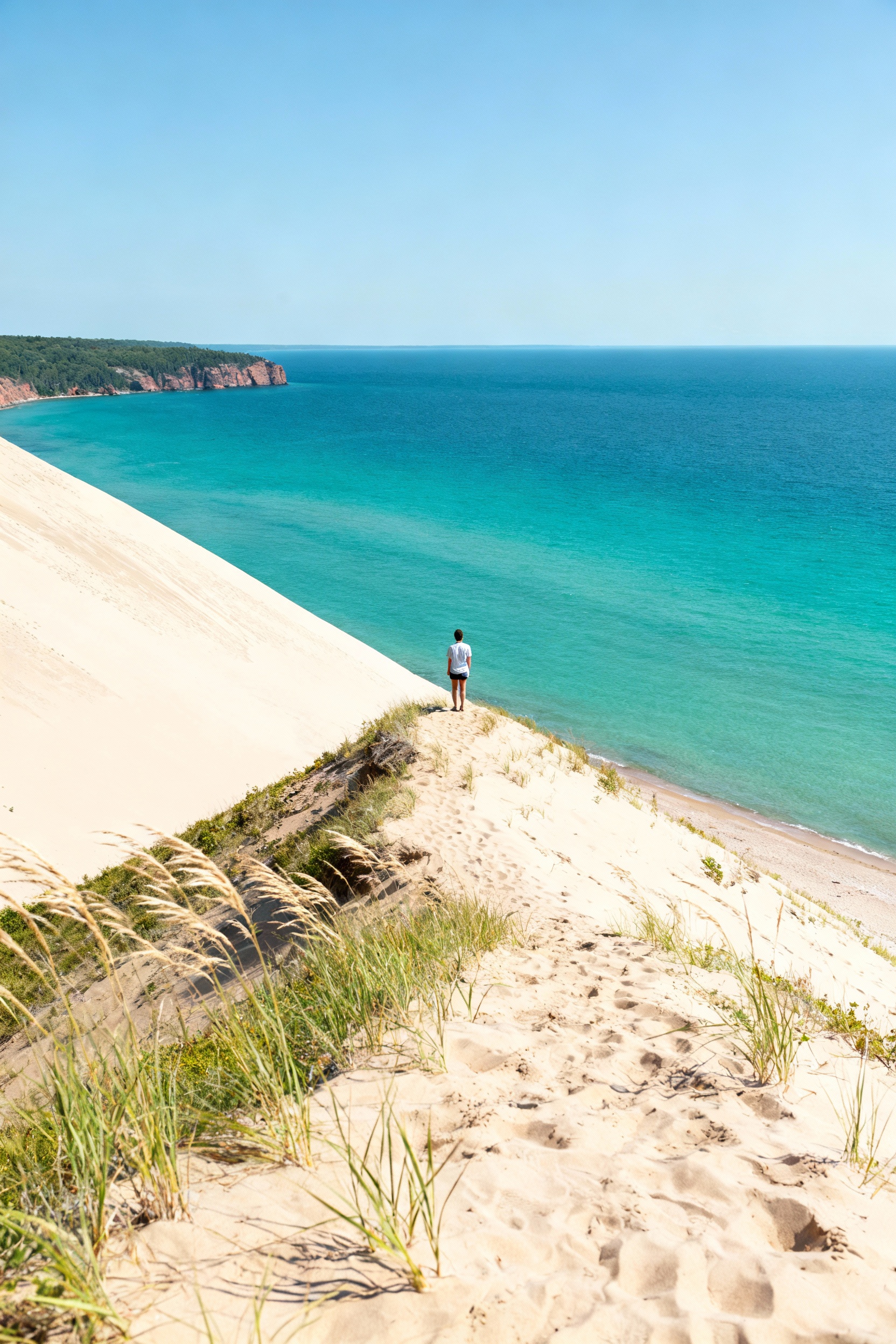
Want “coastal summer” vibes without coastal prices? Drive up the Lake Michigan shoreline, stopping at Indiana Dunes, St. Joseph, Holland, and Traverse City before ending at Sleeping Bear Dunes. Plan your beach time around sunrise or late afternoon to avoid peak parking, and bring a sun shelter and snacks so you’re not buying pricey boardwalk food. For the cheapest base, consider staying in smaller towns like Manistee or Interlochen and doing day trips. Book the park pass you need ahead of time and budget for one splurge: a cherry treat in northern Michigan.
3) New Mexico Desert Loop (Albuquerque, Santa Fe, Taos)
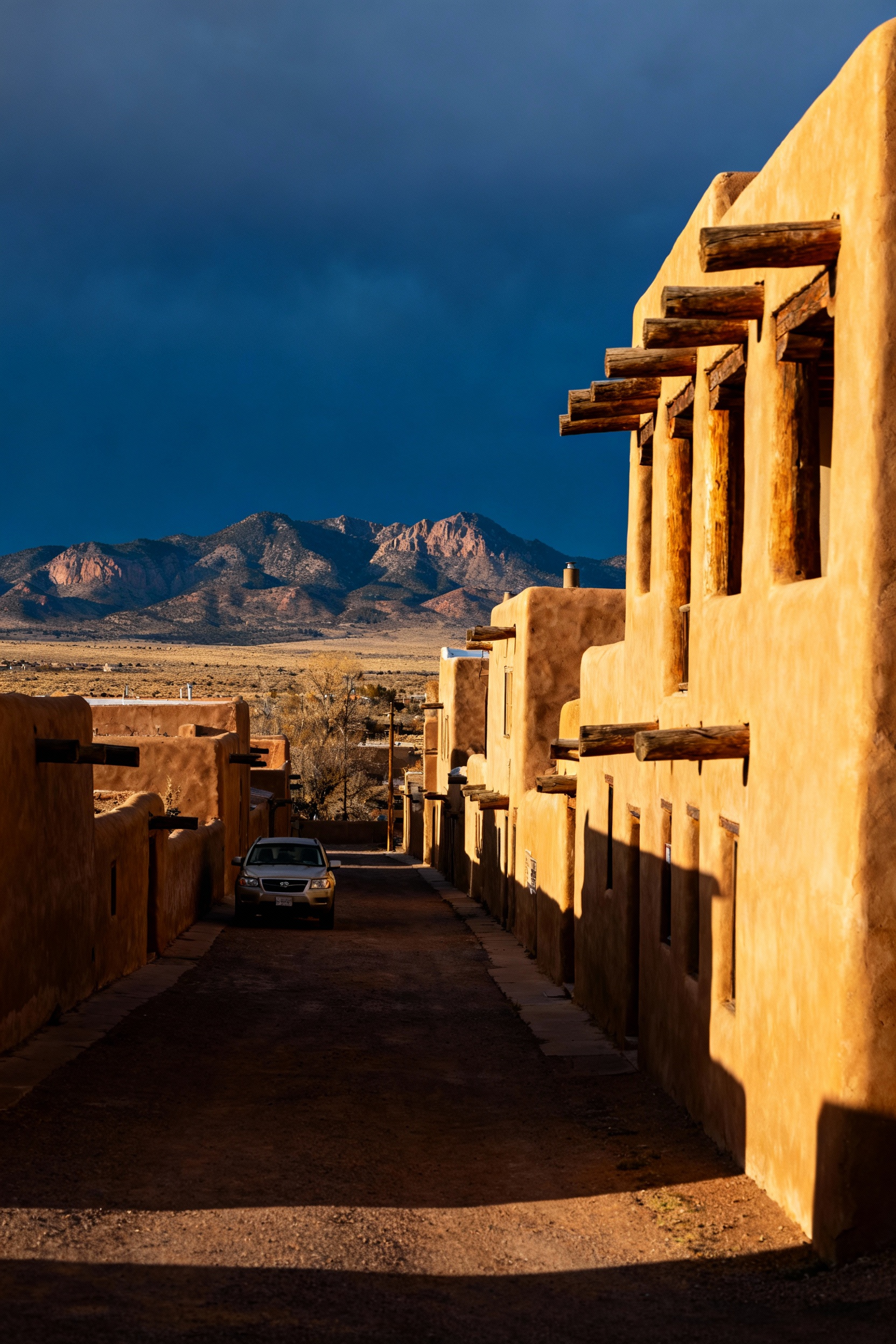
This loop is big scenery, big culture, and surprisingly affordable if you play it smart with timing and hydration. Start early to beat the heat, then use the hottest part of the day for museums, cafés, or shaded strolls in Santa Fe’s historic area. Pack electrolytes, a wide-brim hat, and a light long-sleeve shirt—desert sun is intense even when it doesn’t feel “humid.” To keep costs down, split time between Albuquerque (often cheaper lodging) and day trips to Santa Fe and Taos, and prioritize free viewpoints and short hikes over pricey guided tours.
4) Utah’s Mighty 5 on a Budget (Zion, Bryce, Capitol Reef, Arches, Canyonlands)
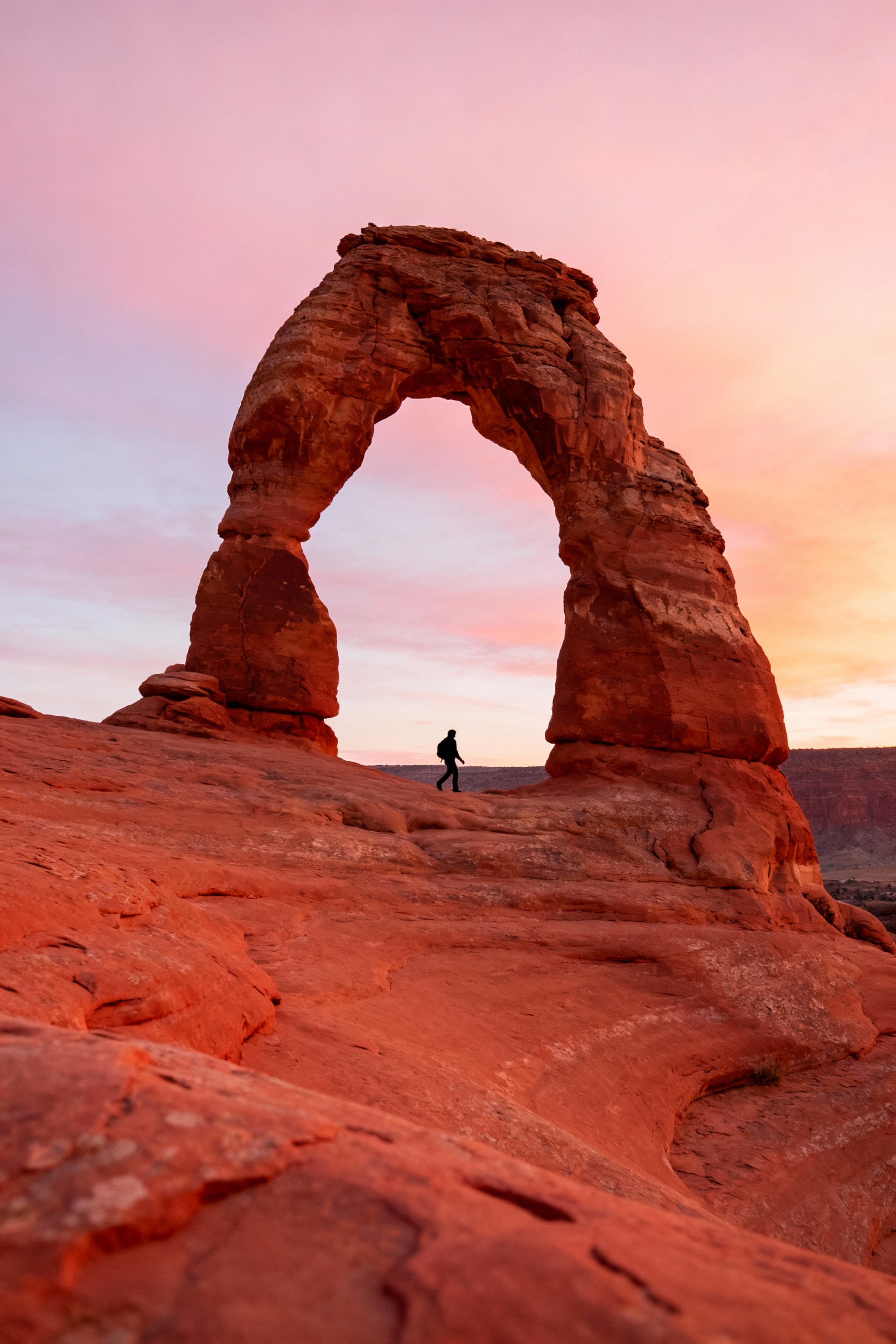
Yes, it’s famous, but it can still be cheap if you plan like a pro and don’t try to “do it all” in three days. Pick 2–3 parks for a shorter trip, or commit to a full loop with camping and early trailheads to avoid heat and crowds. Bring a headlamp for pre-sunrise starts, a hydration pack, and extra socks (sand and sweat are real in July). Buy an America the Beautiful pass if you’ll hit multiple parks, and book campsites or budget motels far in advance—last-minute options can get expensive fast.
5) Maine Coastal Classic (Portland to Acadia)

Maine in July is peak season, but you can keep it affordable by using Portland as a food-and-walkable base, then driving the coast with strategic stops. Mix in free lighthouse viewpoints, tidepooling, and short trails, and save your money for one iconic treat like a lobster roll—then do grocery-store breakfasts to balance it out. For Acadia, plan sunrise at Cadillac Mountain (with the right reservation if required) and spend afternoons on quieter carriage roads. Stay outside Bar Harbor (think Ellsworth or Trenton) to cut lodging costs while staying close to the park.
FAQ
How do I keep a July road trip “insanely cheap” without it feeling miserable?
Lock in your biggest costs first: sleeping and gas. Camp or stay in budget motels outside the main tourist towns, pack a cooler for breakfast/lunch, and choose trips where the main activities are free (hikes, beaches, overlooks). Also, drive early and plan a simple itinerary so you’re not wasting fuel circling for parking or backtracking.
What’s the best way to handle crowds and heat in July?
Start your driving and outdoor activities at sunrise, then use midday for shaded breaks, museums, or a long lunch. Bring more water than you think you need, plus electrolytes, sunscreen, and a hat. If a place looks slammed, pivot to a less-hyped nearby stop—small state parks and local beaches are often just as fun.
Should I book hotels/camping ahead, or can I wing it?
In July, book ahead if you’re going anywhere popular (Utah parks, Acadia, Asheville area). If you want flexibility, book refundable options and keep one “buffer night” in a bigger city where last-minute rooms are more likely. For camping, reserve weekends as early as you can and have a backup campground 30–60 minutes away.
What are the must-pack items for a budget road trip?
A cooler, reusable utensils, a basic first-aid kit, a phone mount, and a portable charger will save money and stress. Add a small foldable daypack, a lightweight rain layer, and comfy walking shoes. For beaches: quick-dry towel and a sun shelter; for desert/mountains: hydration pack and extra layers for temperature swings.
How do I estimate gas costs and avoid surprise spending?
Map your route with a realistic mileage estimate, then divide total miles by your car’s mpg and multiply by an average gas price for the region. Build in a 10–15% buffer for detours and AC use. To avoid surprise spending, plan one “paid highlight” per day (like a park entry or special meal) and make everything else free or low-cost.