
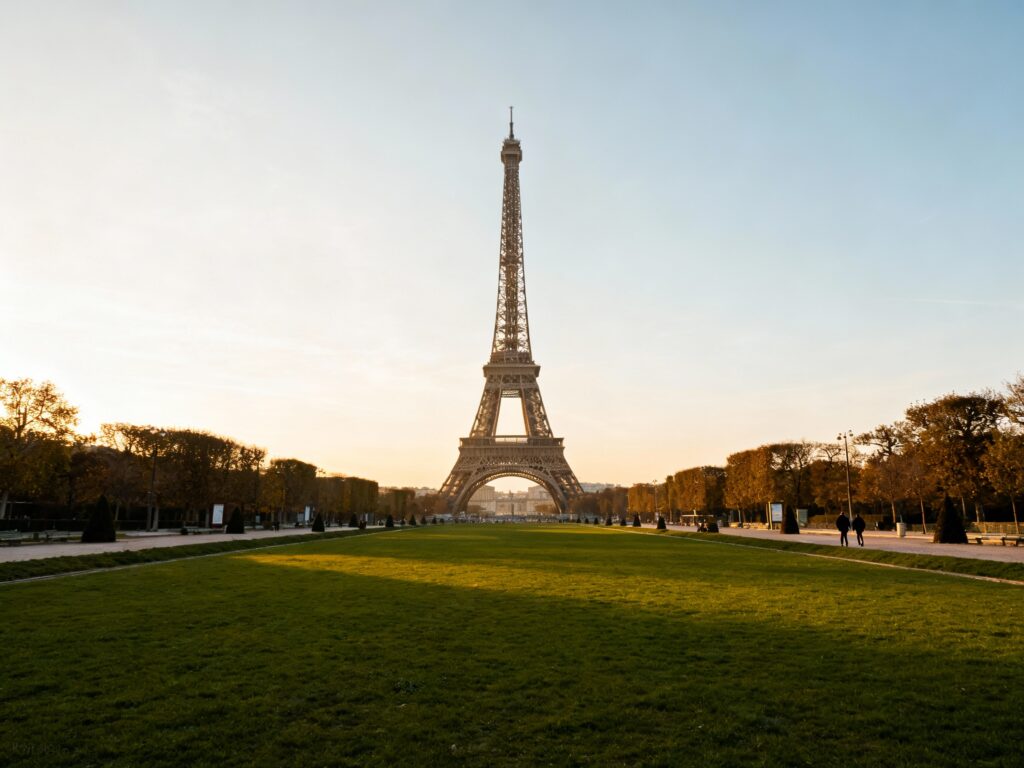
Seeing the Eiffel Tower for the first time is one of those “wait, this is real life” Paris moments. But the difference between a dreamy visit and a chaotic one is mostly planning: timing, tickets, and where you stand.
Here are the five things first-time visitors should do to get the classic views, skip the worst lines, and actually enjoy being there.
Top 5
1) Book Your Summit (or 2nd Floor) Ticket in Advance
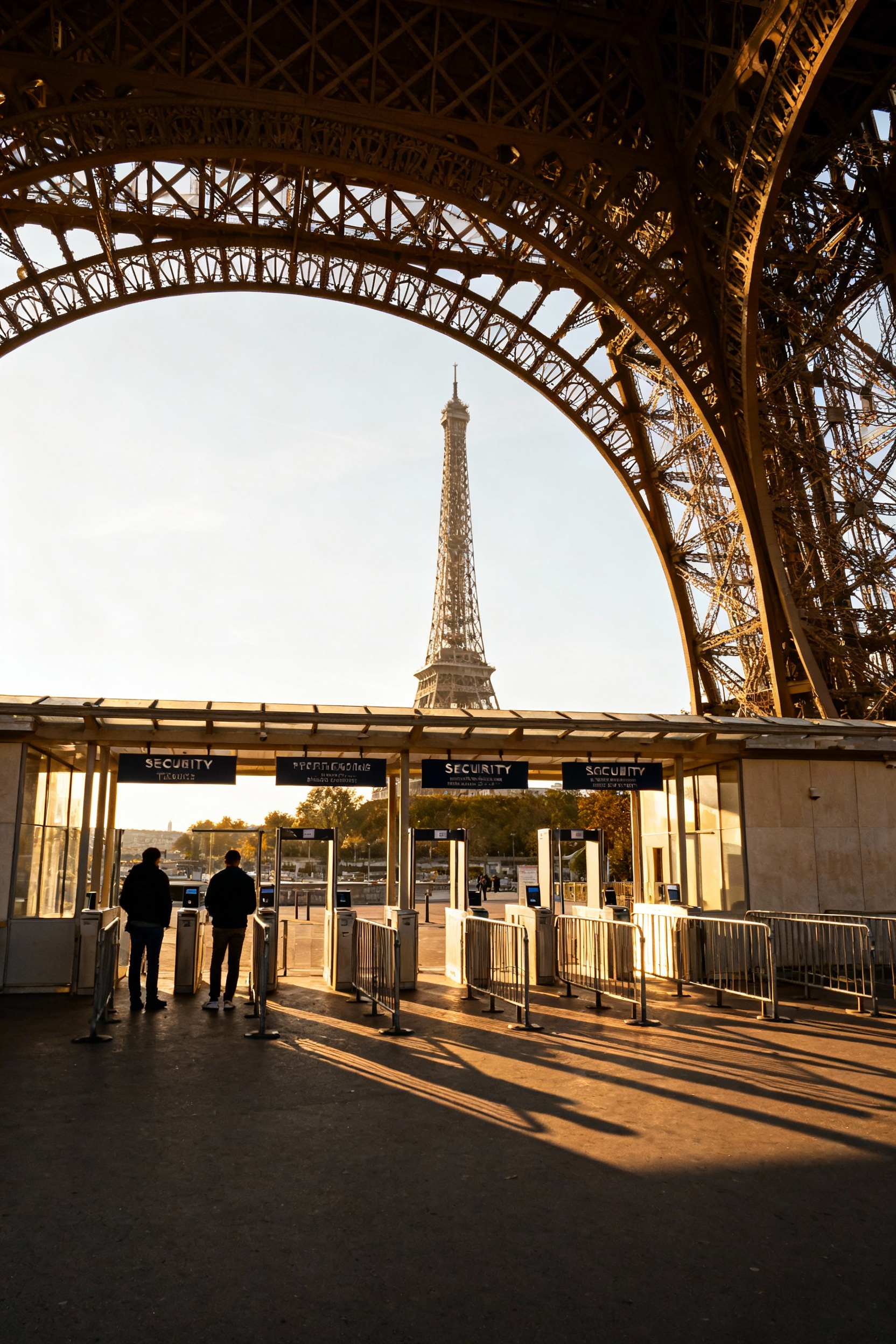
Buy tickets online as soon as your dates are set—especially in spring/summer and on weekends, when same-day availability can be limited. Decide whether you want the summit (top) or just the 2nd floor; the summit is iconic, but the 2nd floor often has clearer, less windy views and can feel less rushed. If official tickets are sold out, a guided tour with timed entry can be a solid backup, but compare what’s included (elevator access, summit add-on, group size). Screenshot your QR code and bring a photo ID, since checkpoints can be strict.
2) Time Your Visit for the Best Light (and Fewer Crowds)
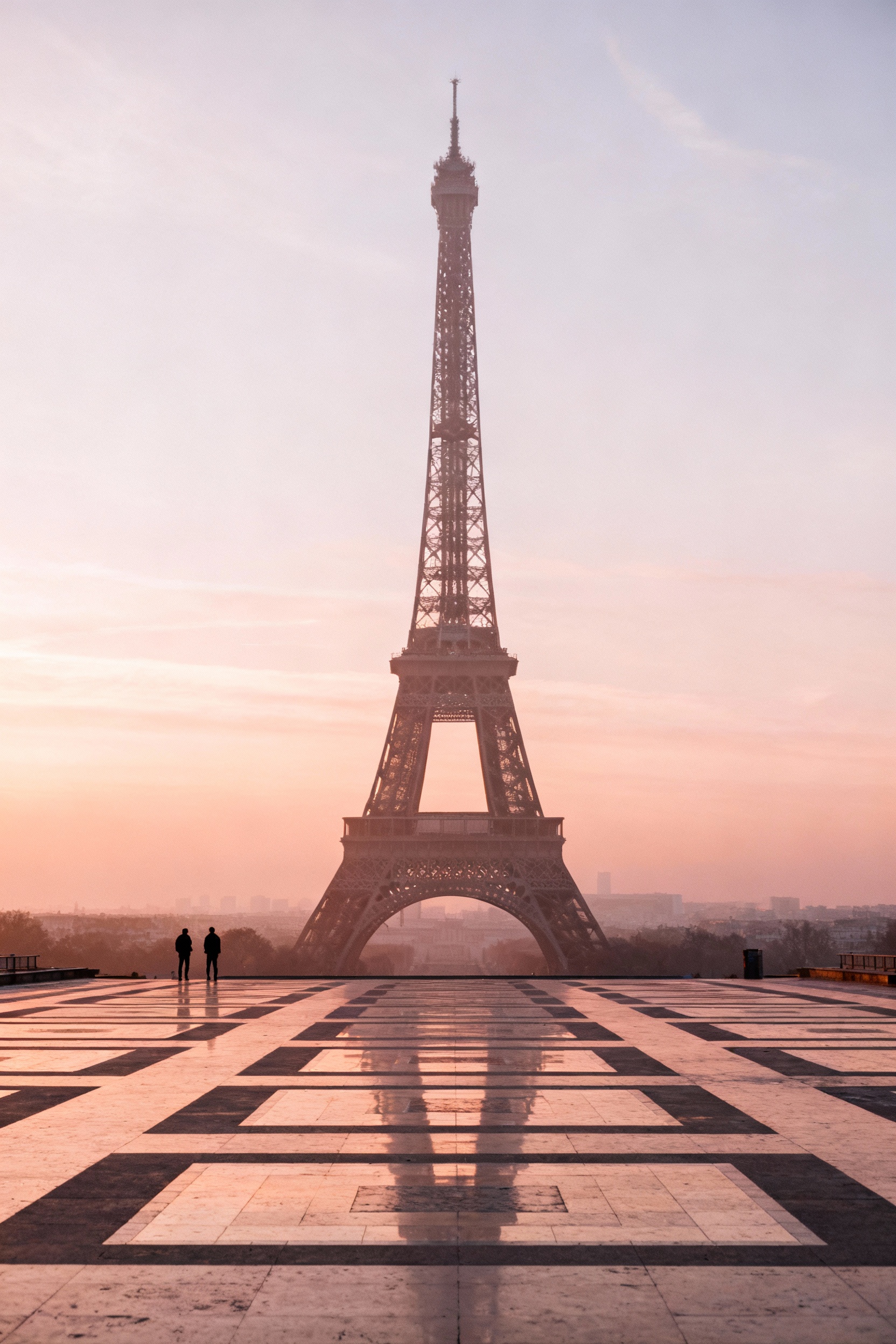
For a first visit, aim for either early morning (right at opening) or golden hour into nighttime—both give you the most “Paris” atmosphere. Sunrise/early morning is calmer for photos and security lines tend to move faster; evenings give you the sparkle show and city lights. If you’re doing the summit, choose a time slot about 60–90 minutes before sunset so you can see Paris in daylight and then watch it transition. Avoid mid-day if you can; it’s the busiest and the light is harsher for photos.
3) Do the Best Photo Walk: Trocadéro → Jardins du Trocadéro → Pont d’Iéna → Champ de Mars
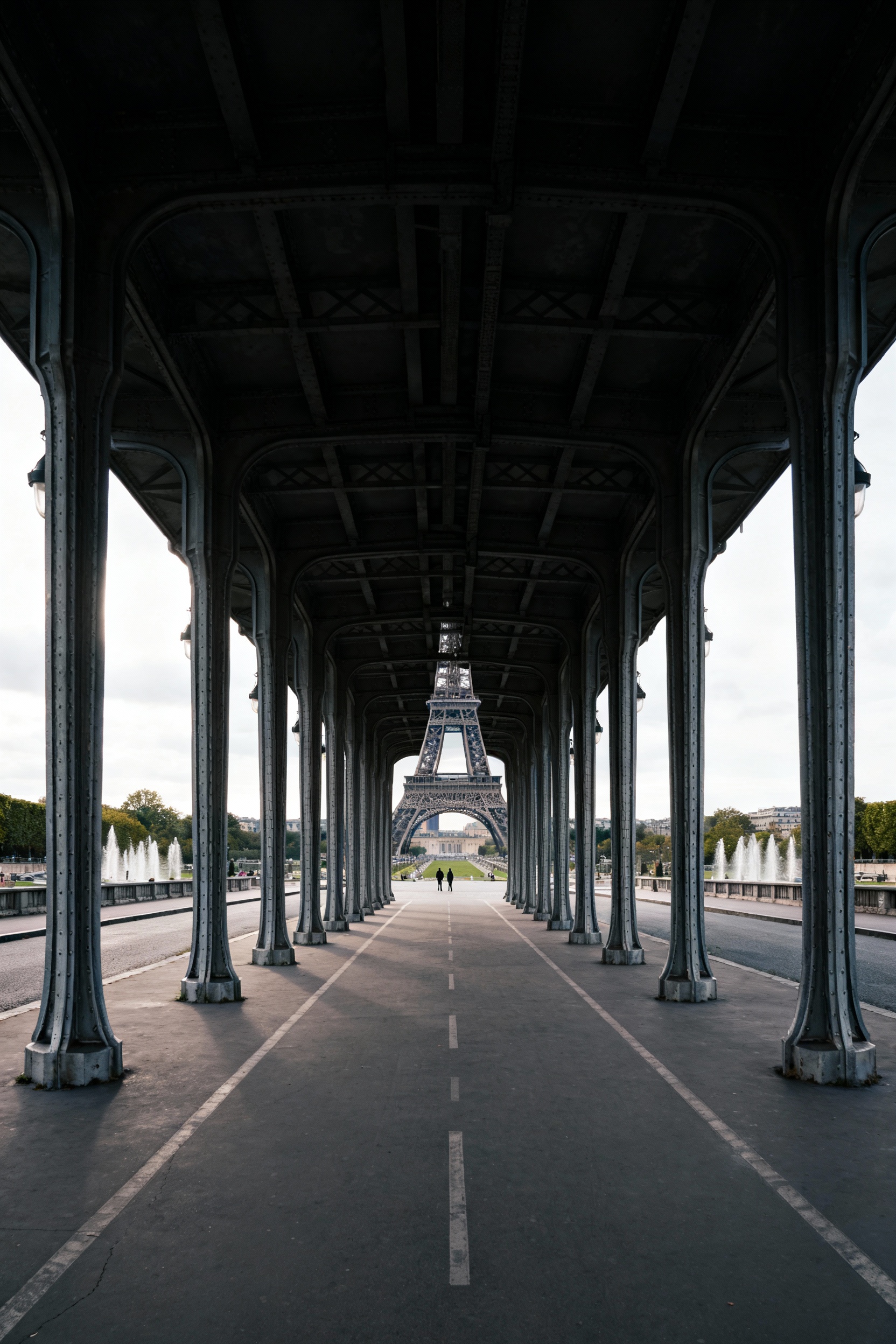
This route nails the classic angles without guessing where to stand. Start at Trocadéro for the wide, postcard view, then walk down through the gardens for closer shots with fountains (note: fountains are seasonal). Cross Pont d’Iéna for symmetrical bridge photos, then finish on the Champ de Mars lawn for the relaxed picnic vibe. Go early if you want empty-ish shots; later in the day, expect crowds and vendors, so keep your bag zipped and your phone secure.
4) Watch the Sparkle Show (and Pick a Smart Viewing Spot)
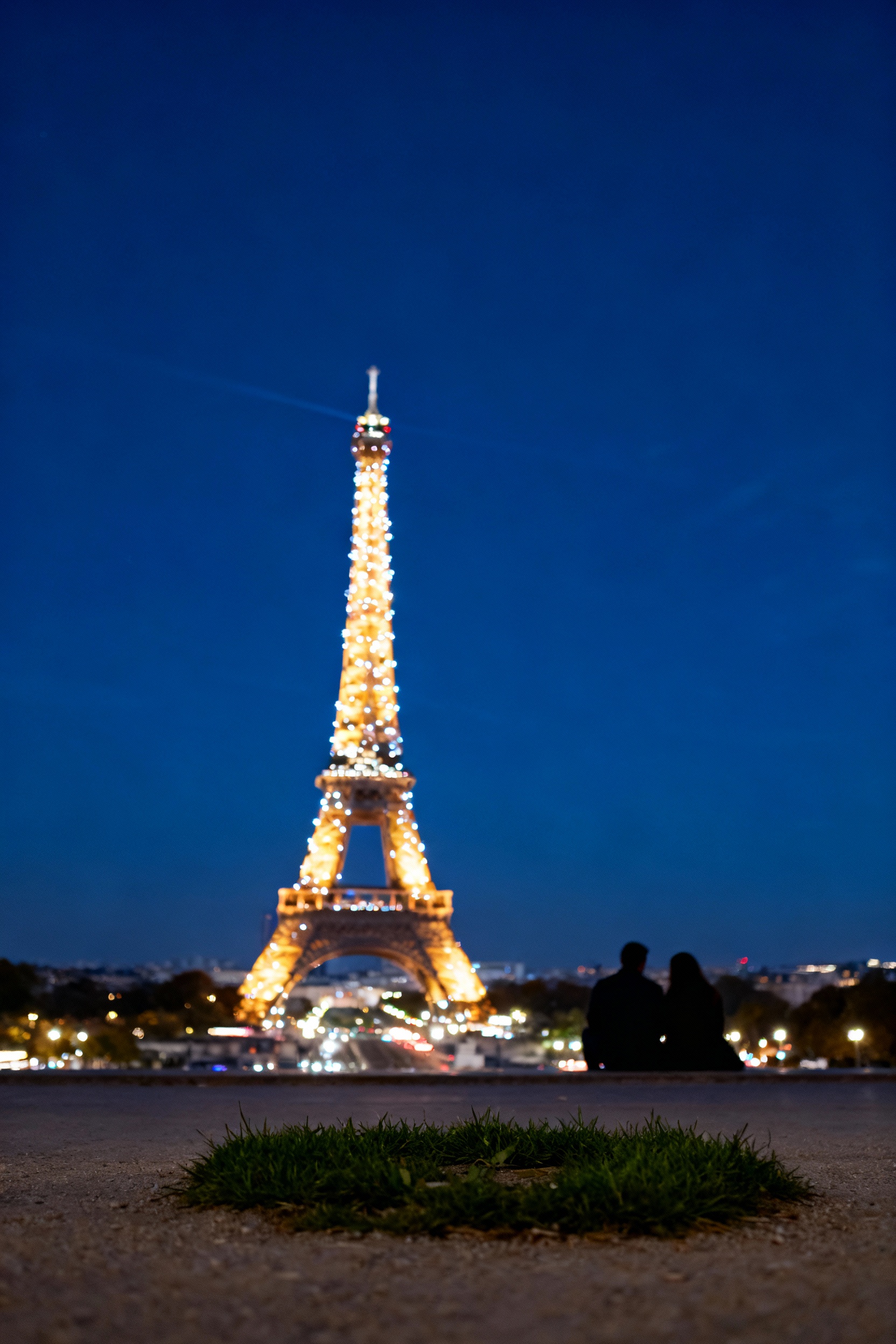
The Eiffel Tower sparkles for five minutes at the start of every hour after nightfall—plan to be in place 10–15 minutes early. For an easy first-timer spot, the Champ de Mars gives you space to sit, while Trocadéro is more dramatic but can be packed. If you want a less chaotic view, try the area near the Seine on the Passerelle Debilly (a prettier, slightly quieter pedestrian bridge) or along Quai Branly. Bring a light layer even in warmer months—Paris nights near the river can feel cooler than you expect.
5) Build in the “Around the Tower” Extras: Security, Snacks, and a Nearby Neighborhood
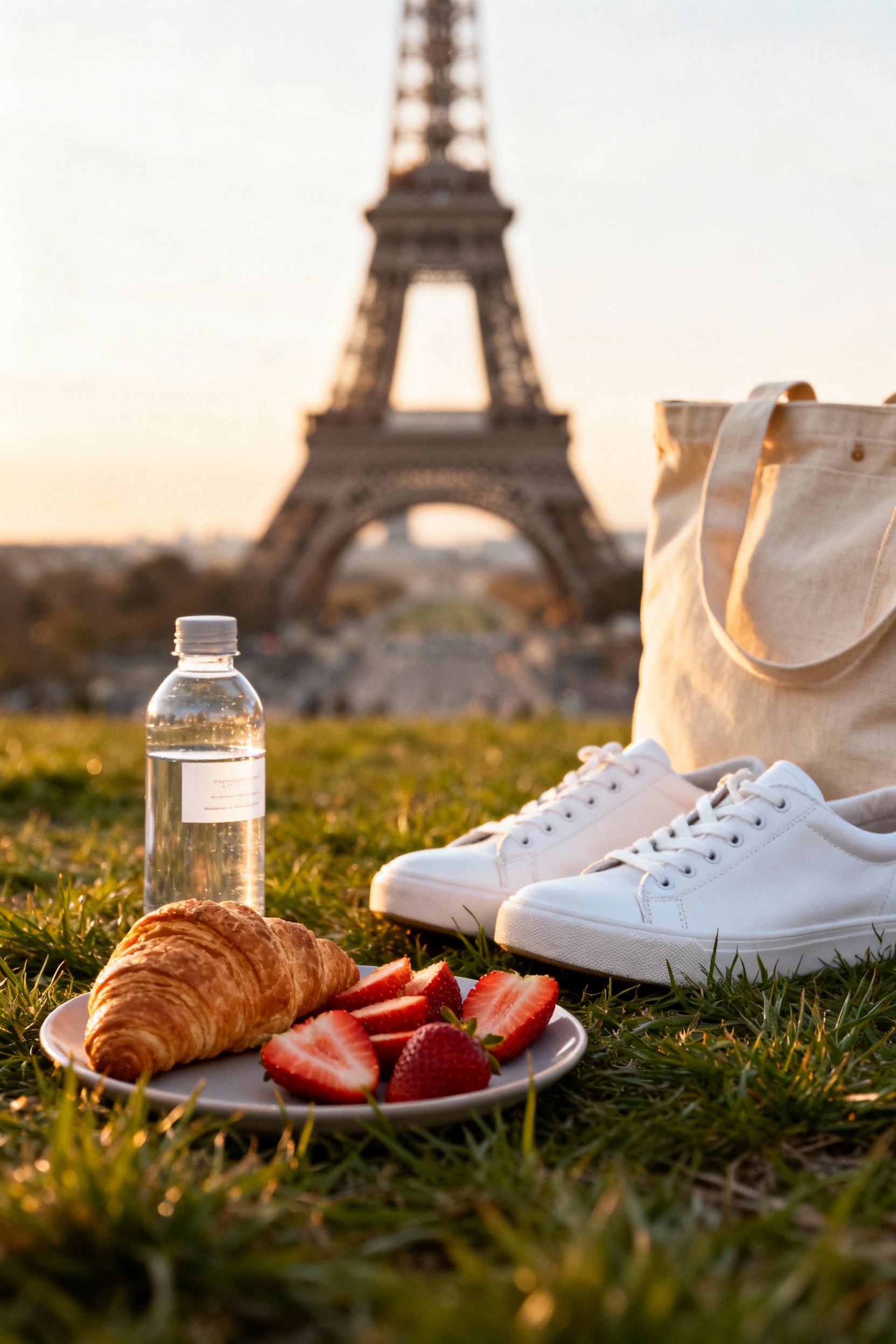
Arrive 30–45 minutes before your ticket time because there are security checks and separate lines for elevators vs. stairs. If you’re taking the stairs, wear comfortable shoes and pack a small water—great for views and usually less time waiting, but it’s a workout. For food, skip the overpriced impulse buys right at the base and instead plan a simple picnic from a nearby boulangerie; Rue Cler (a charming market street) is perfect for grab-and-go cheese, bread, and fruit. After your visit, wander toward the Seine and into the 7th arrondissement for a calmer Paris feel compared to the mega-tourist zones.
FAQ
Do I need to buy Eiffel Tower tickets ahead of time?
Yes, it’s strongly recommended for first-timers. Advance tickets lock in your time slot and save you from long waits or sellouts, especially for the summit and during peak season.
Is it better to go up the Eiffel Tower during the day or at night?
Both are great, but the best first-timer plan is late afternoon into evening. You’ll get daylight views, sunset, and then the nighttime sparkle, all in one visit.
What’s the best place to take Eiffel Tower photos?
For classic views, start at Trocadéro, then walk down through Jardins du Trocadéro, cross Pont d’Iéna, and finish at Champ de Mars. This gives you wide shots, close-ups, and the iconic lawn angle.
How much time should I plan for visiting the Eiffel Tower?
Plan 2–3 hours total if you’re going up (including security and queues), and add another 30–60 minutes if you’re doing a photo walk or picnic. Evening visits can take longer due to bigger crowds.
What should I avoid around the Eiffel Tower?
Avoid peak mid-day if you want a calmer experience, and skip unplanned last-minute ticket hunting at the base if you’re on a tight schedule. Also, be cautious with street vendors and petitions—keep valuables secure and politely decline anything you didn’t ask for.