
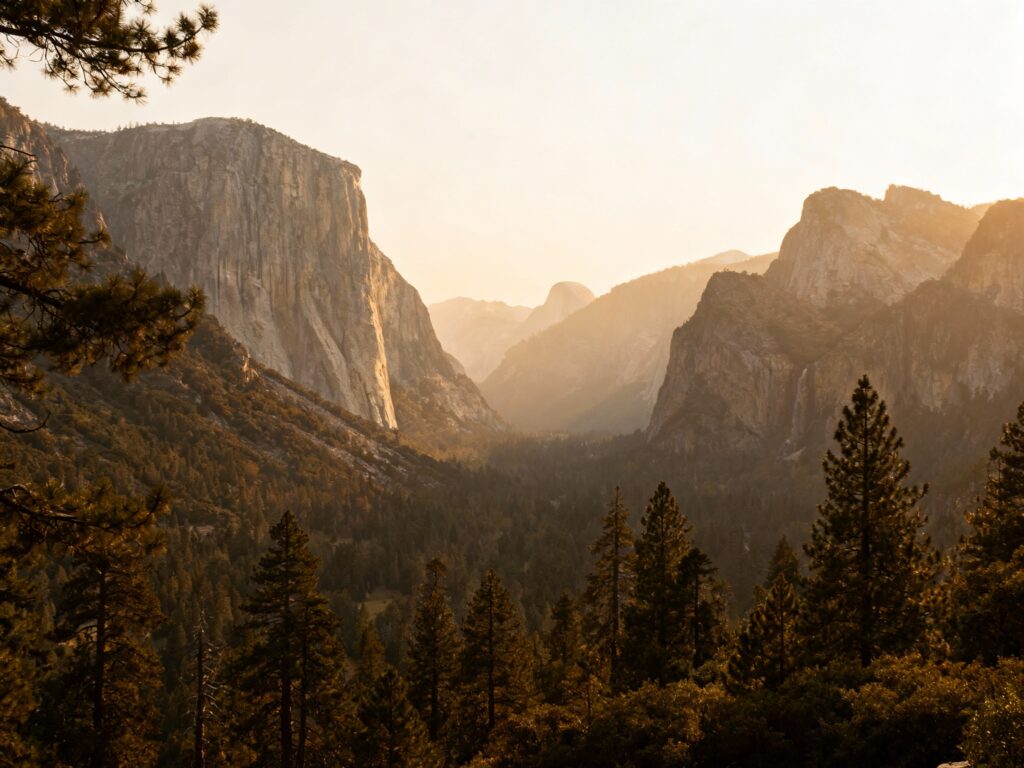
Yosemite is basically a highlight reel of granite cliffs, waterfalls, and that clean mountain air that makes you want to start hiking “just a little” (and then suddenly it’s noon). If you’re visiting for the first time, picking the right trails is everything—especially when parking, permits, and weather can make or break your day.
Below are five hikes that consistently deliver the best views, with practical tips on when to go, what to bring, and what to plan ahead.
Top 5
1) Mist Trail to Vernal & Nevada Falls
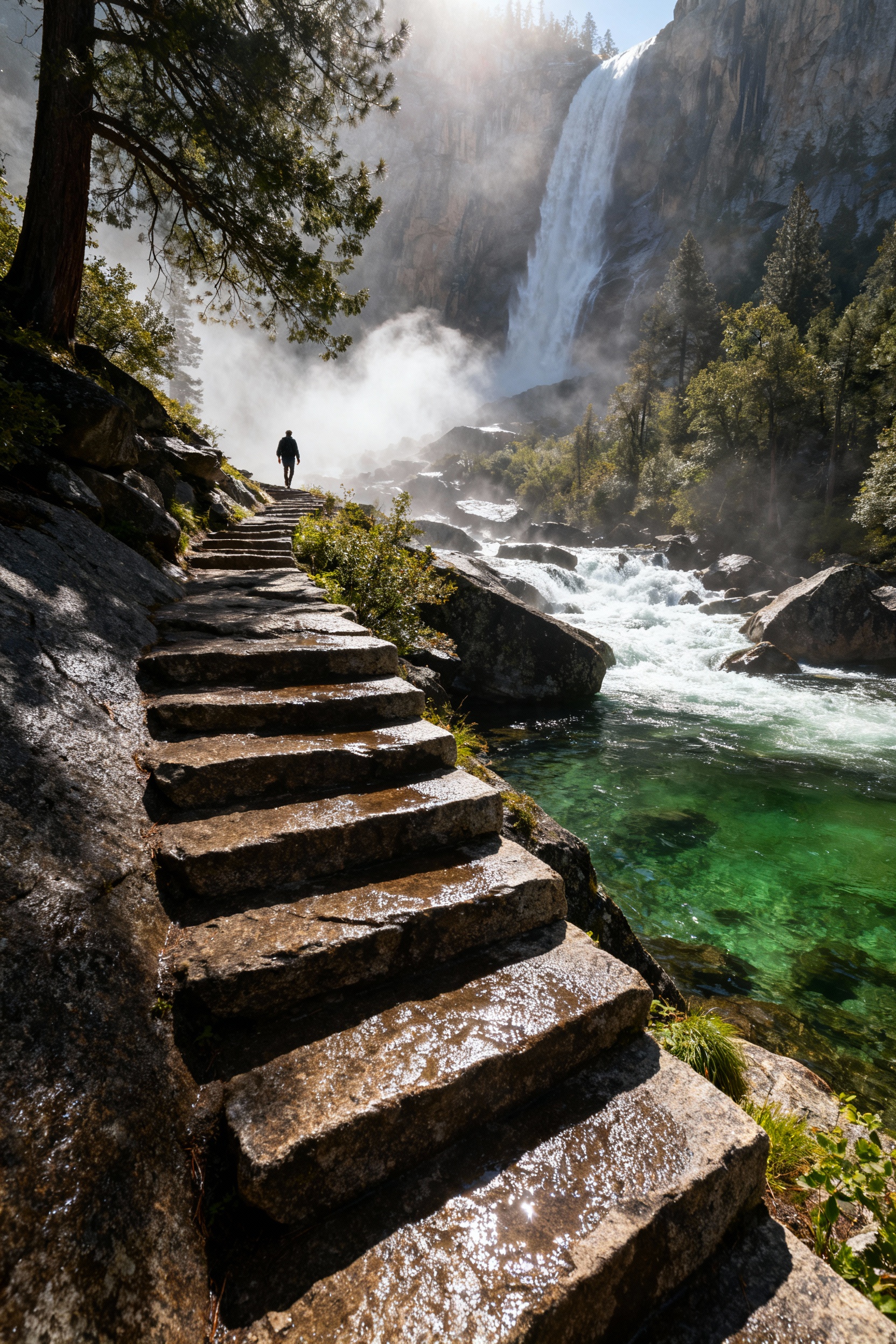
This is the classic Yosemite waterfall hike with nonstop payoff—misty spray, emerald pools, and huge fall views. Start early (before 8 a.m.) to beat crowds and snag parking near Happy Isles; expect wet stairs and bring a light rain jacket or poncho. Wear shoes with solid grip because the granite steps can be slick, and pack snacks because you’ll want time to linger at the top. If you want fewer people, go on a weekday or hike later in the afternoon (but leave enough daylight for the descent).
2) Glacier Point via Four Mile Trail
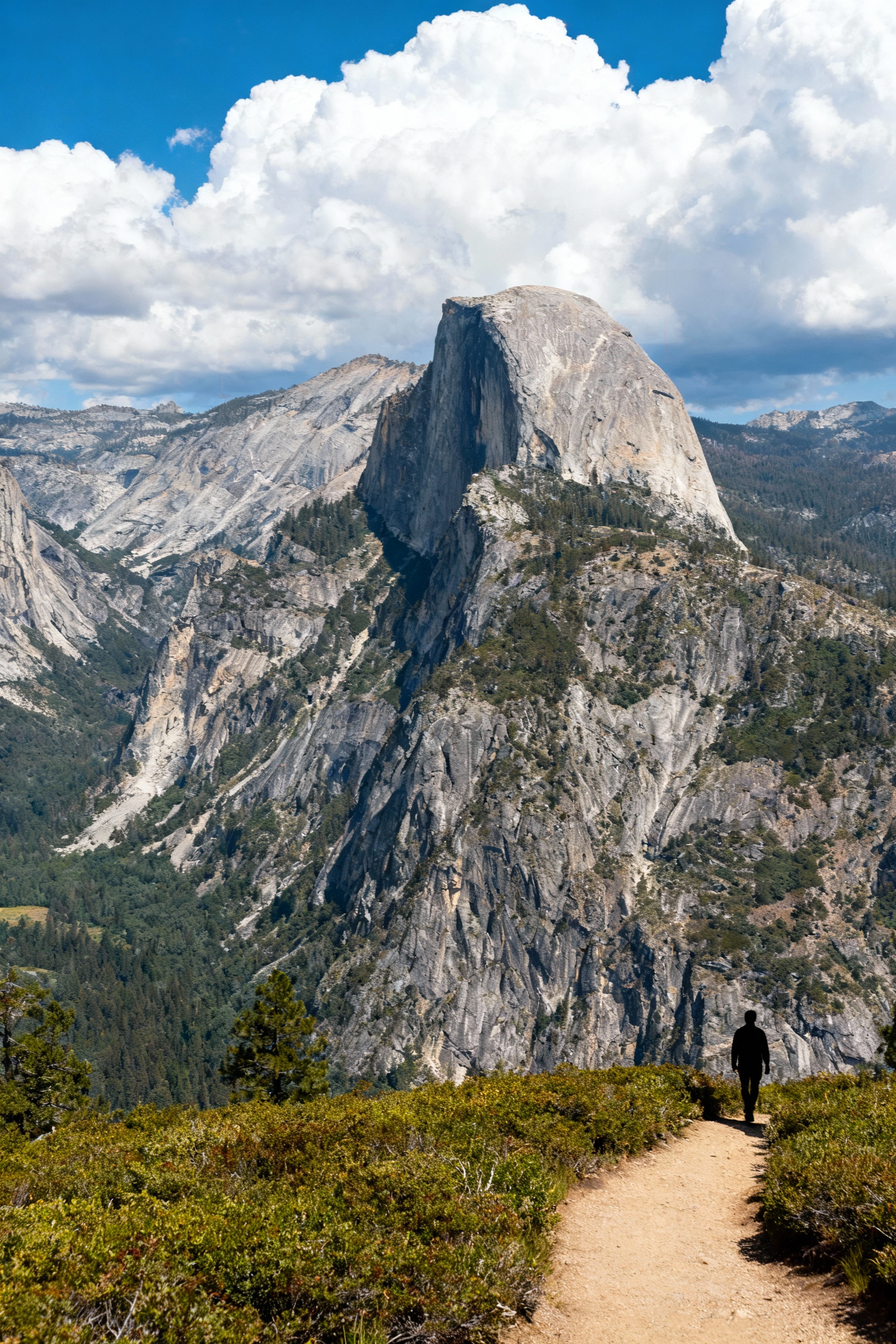
If you want the “I can’t believe this is real” panorama—Half Dome, Yosemite Valley, and big sky—this is your hike. It’s a steady climb, so bring at least 2 liters of water per person in summer and start early to avoid midday heat on exposed sections. In peak season, check whether the Glacier Point Road is open; if it is, you can do this as a one-way hike by arranging a shuttle/ride back down. Pack a warm layer even in summer—Glacier Point can feel breezy and cooler than the Valley.
3) Sentinel Dome & Taft Point (Loop Option)
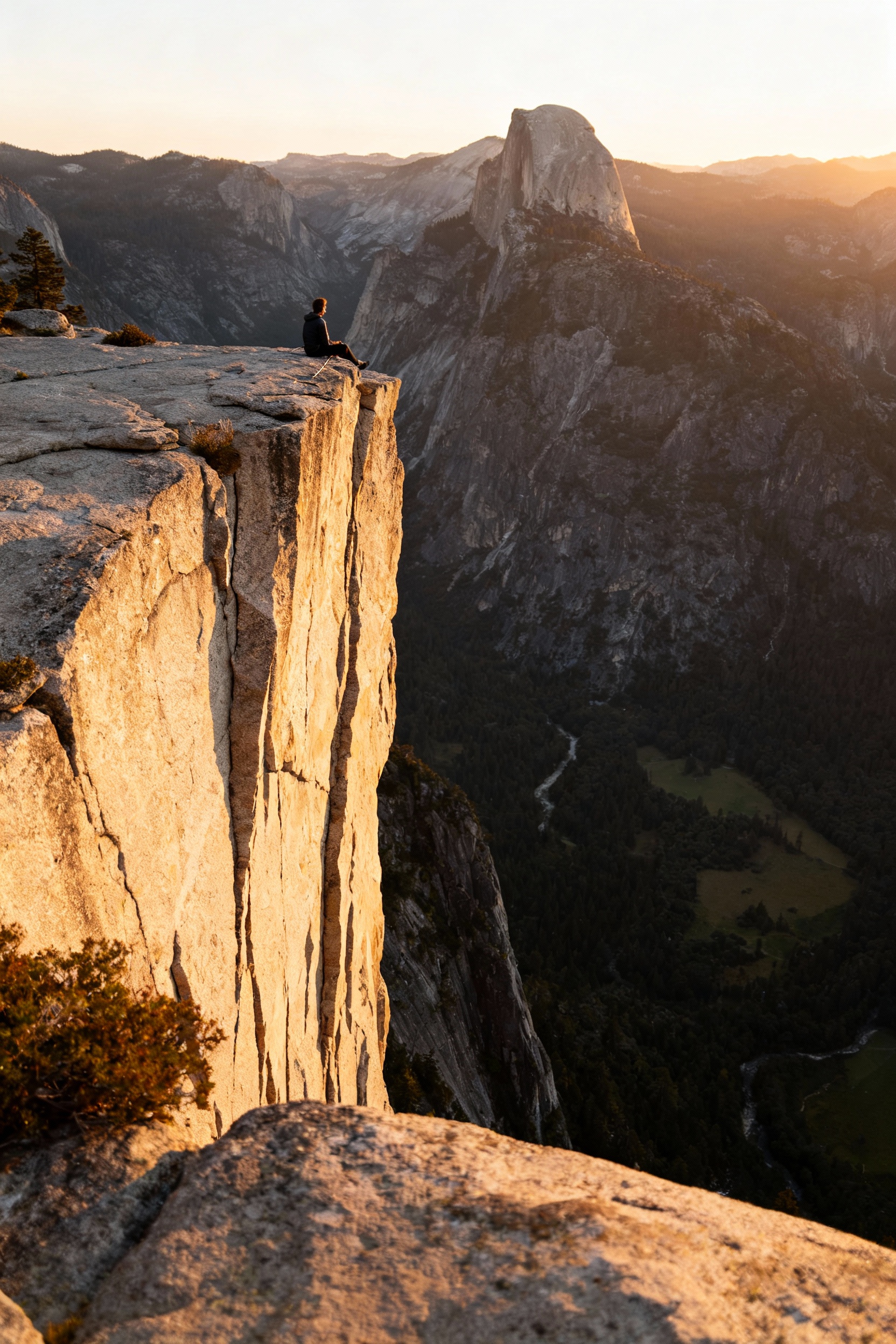
For maximum views with less effort, this combo is a top-tier pick: Sentinel Dome gives you a 360° panorama, and Taft Point delivers dramatic fissures and edge views into the Valley. Go near sunset for golden light on El Capitan, but bring a headlamp for the walk back if you’re pushing it late. Start from the Glacier Point Road trailheads (when the road is open) and stay a safe distance from cliff edges—wind gusts happen. This is also a great “arrival day” hike when you want something iconic but not all-day.
4) Upper Yosemite Falls to Yosemite Point
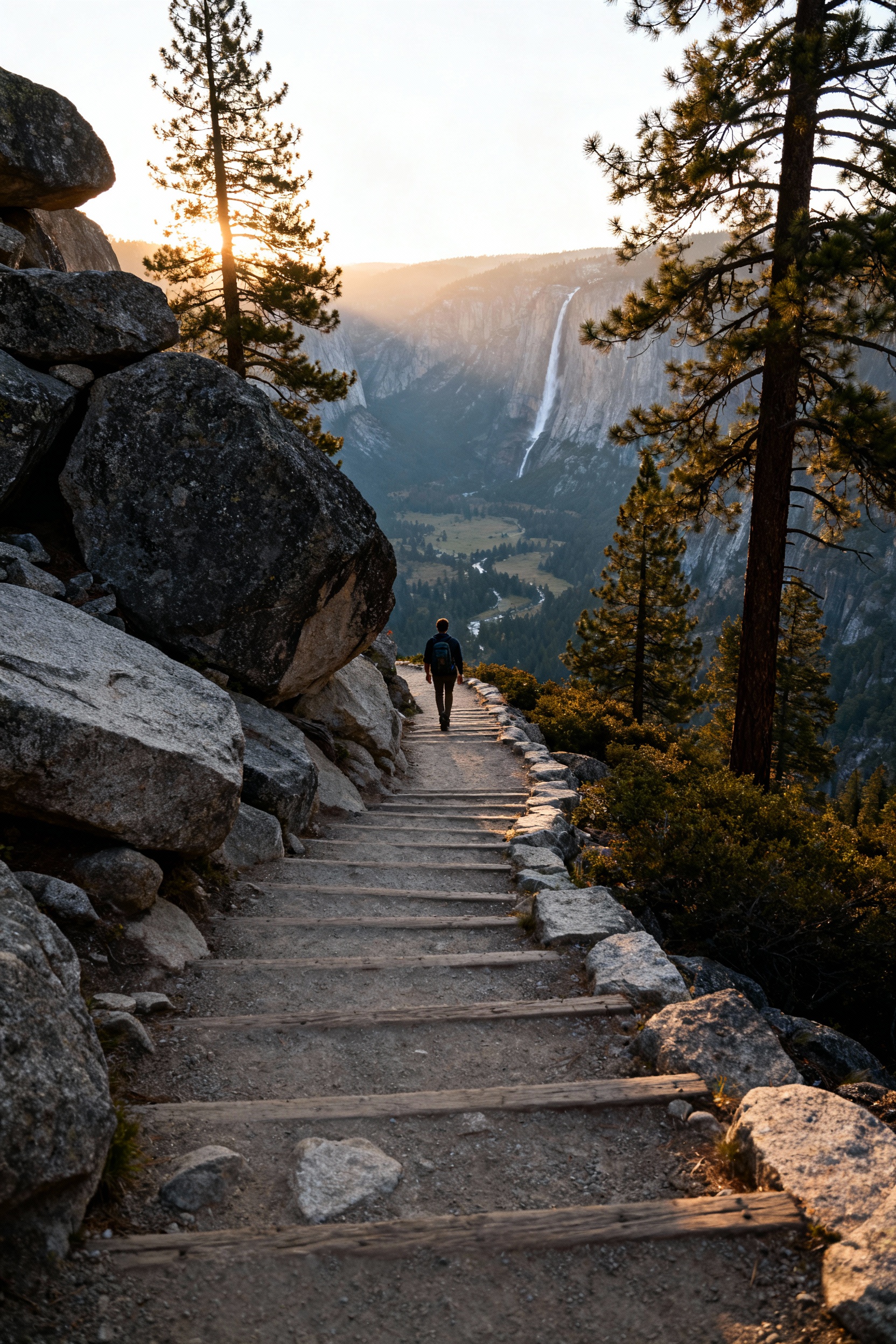
This one is steep, bold, and view-heavy—perfect if you want a challenge without needing special permits. Start at Camp 4 area trailhead early (sunrise is ideal) because the trail can be hot and exposed, especially in summer. Spring is best for roaring falls; late summer can be drier, but the Valley views from Yosemite Point are still unreal. Bring trekking poles if your knees complain on descents, and carry extra water—there’s not much reliable water on trail once you’re climbing.
5) Half Dome (Day Hike with Permit)
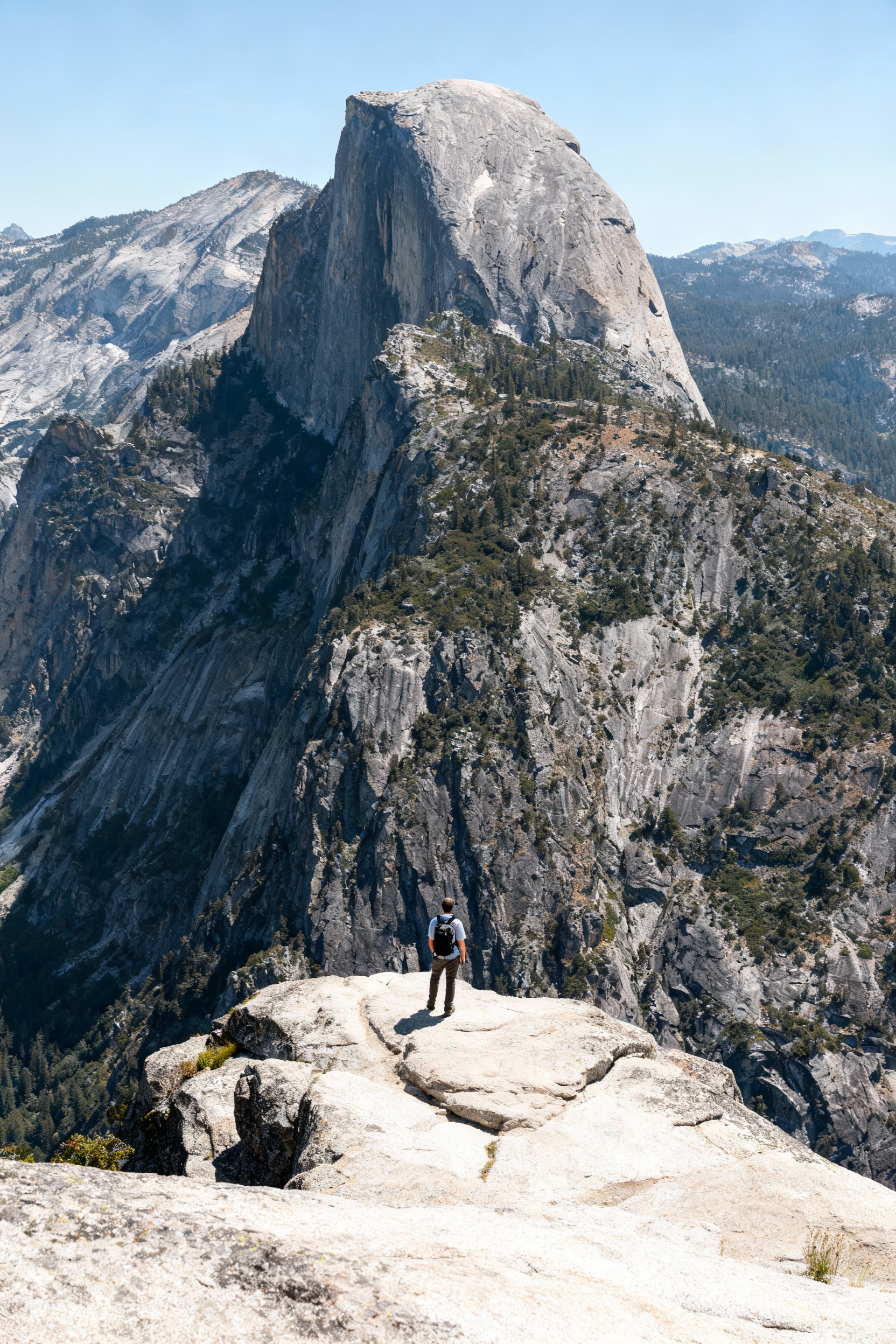
Half Dome is the bucket-list hike: big distance, huge elevation, and that iconic summit view—if you’re prepared. You need a permit for the cables, so plan ahead for the lottery and have backup hikes ready in case you don’t get it. Start very early (many hikers begin before dawn) to avoid afternoon thunderstorms and to reduce time waiting at the cables. Bring gloves for cable grip, layers for the chilly morning, and enough food to keep your energy steady all day.
FAQ
When is the best time of year for Yosemite hikes with big views?
Late spring through early summer is prime for waterfalls (especially Mist Trail and Yosemite Falls). For clearer skies and fewer crowds, September and October are a sweet spot, with cooler hiking temps and golden light. Winter can be stunning too, but higher-elevation areas and roads (like Glacier Point Road) may be closed.
Do I need permits for these hikes?
Half Dome requires a permit for the cables section when they’re up. The other hikes listed typically don’t need hiking permits, but you may need a reservation to enter Yosemite during peak periods, depending on the park’s current system. Always check the National Park Service Yosemite site before you go for the latest rules.
What time should I start to avoid crowds and parking stress?
Aim for trailheads by 7–8 a.m. on popular routes like Mist Trail and Upper Yosemite Falls, especially on weekends. Earlier also means cooler temps and better lighting for photos. If you’re not a morning person, consider late afternoon for Sentinel Dome/Taft Point, but plan for daylight and carry a headlamp.
What should I pack for Yosemite day hikes?
Bring plenty of water (at least 2 liters per person for longer hikes), salty snacks, sunscreen, and a warm layer—even in summer. A small first-aid kit, blister care, and a headlamp are smart adds. For Mist Trail, expect spray and slick rock, so wear grippy shoes and consider a light rain layer.
Which hike is best for first-timers who want amazing views without a brutal climb?
Sentinel Dome & Taft Point is the best “big views, moderate effort” option, especially when Glacier Point Road is open and you can start closer to the viewpoints. Glacier Point itself (if you drive) is also unbeatable for an easy, accessible panorama, but the hikes listed above are the best way to earn the view.