

Big bucket lists are cute until you realize half of them require a private jet schedule (and a tolerance for chaos). This is the travel goals list for real life: five trips that feel iconic, are actually doable, and won’t leave you exhausted for weeks.
Use this as a mix-and-match menu. Pick one “big” trip for the year, stack a couple of smaller wins, and suddenly you’re the person who actually follows through.
Top 5
1) Chase the Northern Lights in Tromsø, Norway

Go between late September and late March, with February–March being a sweet spot for longer days plus strong aurora odds. Book a guided aurora tour for your first night (they’ll drive to clearer skies), then keep a “flex night” open for a second attempt. Pack real winter layers: thermal base, insulated boots, hand warmers, and a beanie that covers your ears. Stay central in Tromsø so you can do cafés and museums by day without relying on taxis.
2) Eat Your Way Through Tokyo Like a Local

Plan 4–6 days and choose one neighborhood per day so you’re not crisscrossing the city nonstop. Base yourself in Shinjuku, Shibuya, or Asakusa depending on your vibe (nightlife, trend-forward, or classic sights), and get an IC card for transit the moment you land. Reserve one “must” meal (like sushi omakase) in advance, then keep the rest spontaneous—food halls, depachika basements, ramen counters, and convenience store snacks deserve their own time. Bring comfy walking shoes and a portable battery; you’ll navigate best with maps and a fully charged phone.
3) Do a First-Time Safari in Tanzania (Serengeti + Ngorongoro)
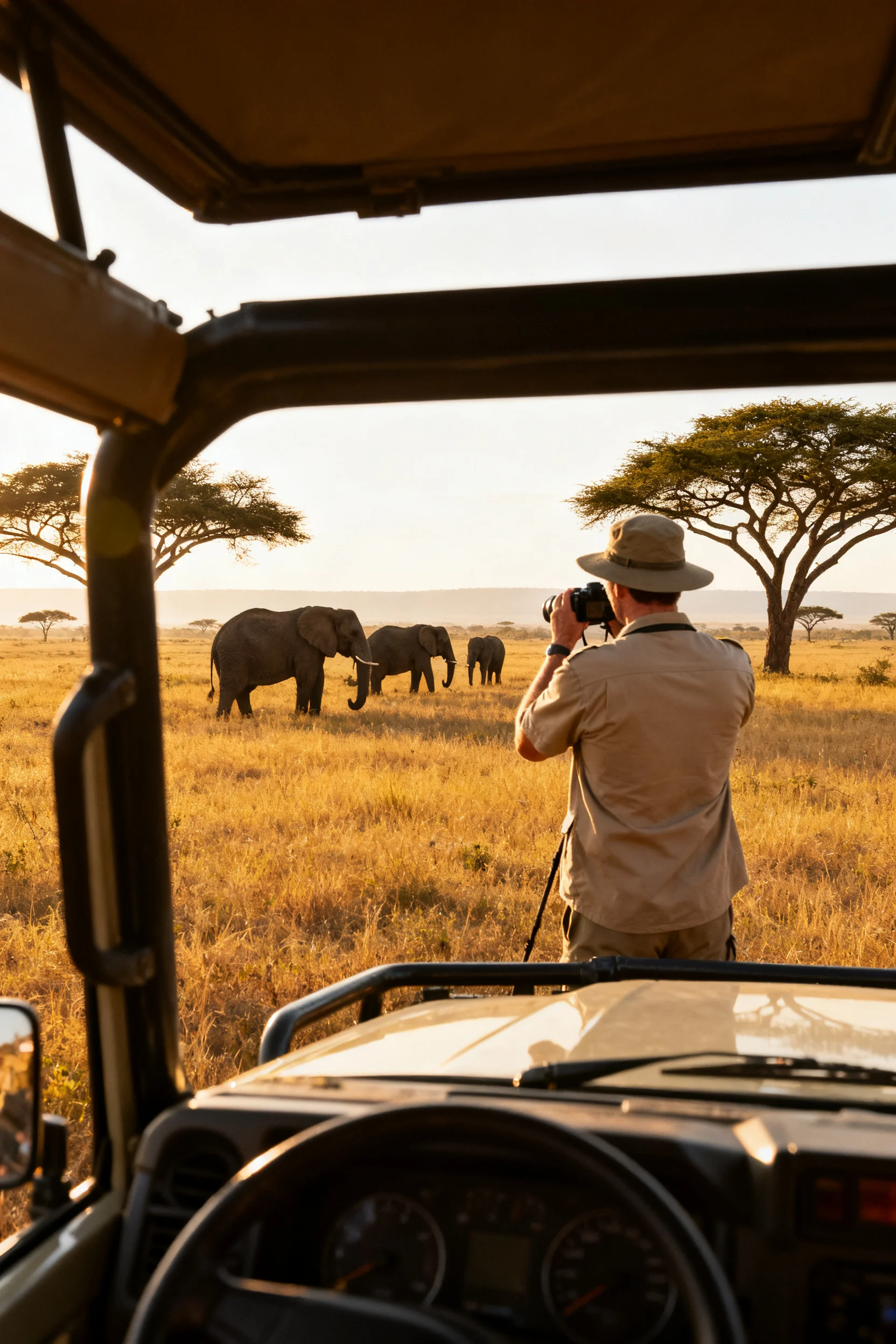
If you’ve been waiting for a sign to book the safari, this is it—just keep it simple: 6–8 days total with Serengeti and Ngorongoro Crater is a classic, first-timer-friendly combo. The dry season (June–October) is easiest for wildlife viewing, while the green season (January–March) can be gorgeous and often less crowded. Choose a reputable operator that clearly lists what’s included (park fees, meals, water, and internal flights if needed), and ask about vehicle style and guide-to-guest ratio. Pack neutral layers, a warm jacket for early game drives, sunscreen, binoculars if you have them, and cash for tips.
4) Drive the Amalfi Coast (But Do It the Smart Way)
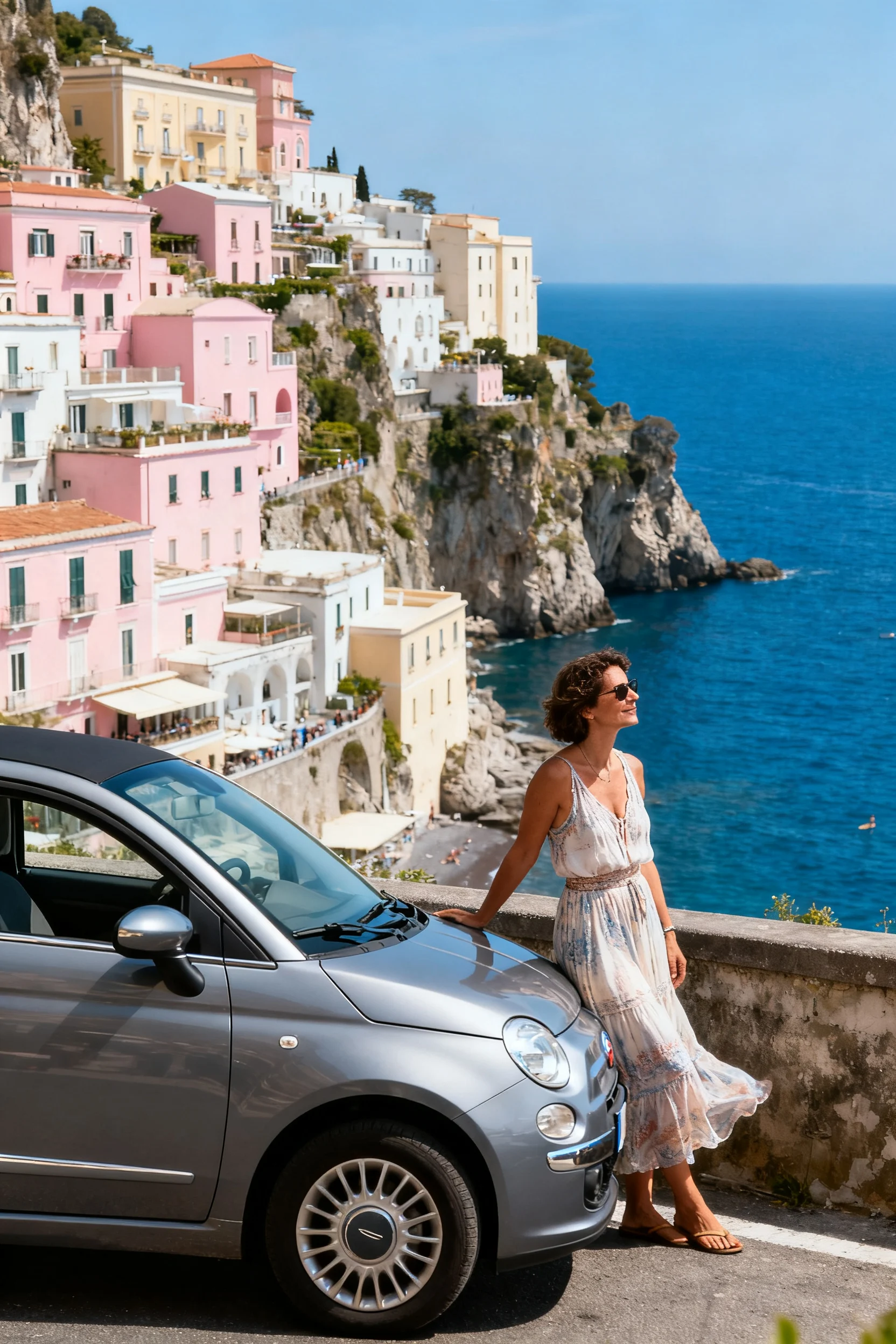
Go in May, early June, or September for that postcard weather without peak-summer crowds and traffic. Instead of trying to “see everything,” pick one base—Positano for glam views, Amalfi for central access, or Ravello for quieter nights—and book stays with good stairs/access notes (your legs will notice). Consider skipping the actual driving: ferries between towns are scenic and way less stressful, and buses can be slow when roads are packed. Pack light, bring swim shoes for pebbly beaches, and reserve a sunset boat tour early because the good time slots disappear fast.
5) Island-Hop in Greece (One Big Island + One Small One)
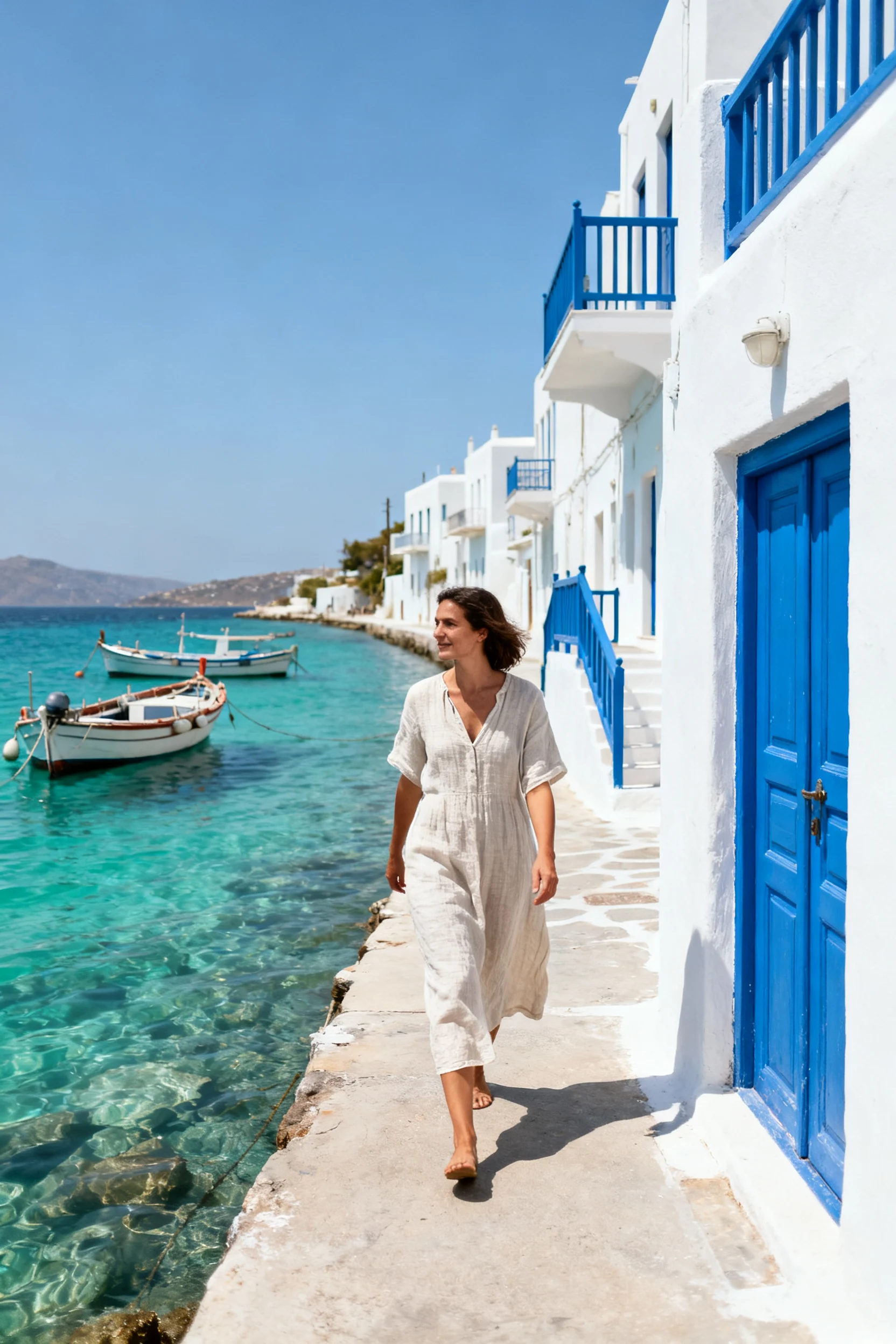
The easiest winning combo is pairing one “major” island with one smaller, calmer neighbor—think Naxos + Koufonisia, Paros + Antiparos, or Crete + Milos if you want variety. Aim for late May to June or September: warm water, fewer crowds, and better prices than July–August. Book ferries a few weeks ahead (earlier in peak season) and choose accommodations walkable to the port or main town so you’re not hauling luggage across the island. Pack a light windbreaker for ferry decks, reef-safe sunscreen, and a day bag for beach-hopping.
FAQ
How do I choose which bucket list trip to do first?
Start with your “best season match.” If you’re free in winter, prioritize Tromsø or a safari’s dry season; if you have summer PTO, Greece or Japan can work (just plan for heat and crowds). Then check flight price trends and pick the option that’s cheapest in your available window.
What’s the best way to keep a bucket list trip from getting too expensive?
Lock in the big-ticket item early (flights or tour) and build around it. Travel shoulder season, stay in one base instead of moving constantly, and choose a few paid “wow” moments (like a boat tour or special dinner) while keeping the rest low-cost (markets, viewpoints, beaches, walking neighborhoods).
How far in advance should I book these trips?
For peak season Europe (Amalfi, Greece), aim for 3–6 months for hotels and key experiences. For Tokyo, 2–4 months is solid if you want specific restaurants or popular hotels. For Tanzania safari, 6–12 months is ideal for top lodges and flights, though last-minute can work if you’re flexible.
What should I pack that applies to almost every trip on this list?
Comfortable walking shoes, a portable charger, a light day bag, and a basic meds kit (pain reliever, electrolytes, bandages). Add one weather-specific layer (insulated jacket for Tromsø, sun protection for Greece/Amalfi/safari) and you’re covered.
I’m a first-timer—should I plan this myself or use a tour?
Mix both. Plan cities and islands yourself (Tokyo, Greece, Amalfi) and consider guided help for the logistics-heavy trips (Northern Lights chasing and safaris). If you do use a tour, read what’s included, confirm cancellation terms, and make sure the daily pace matches how you actually like to travel.