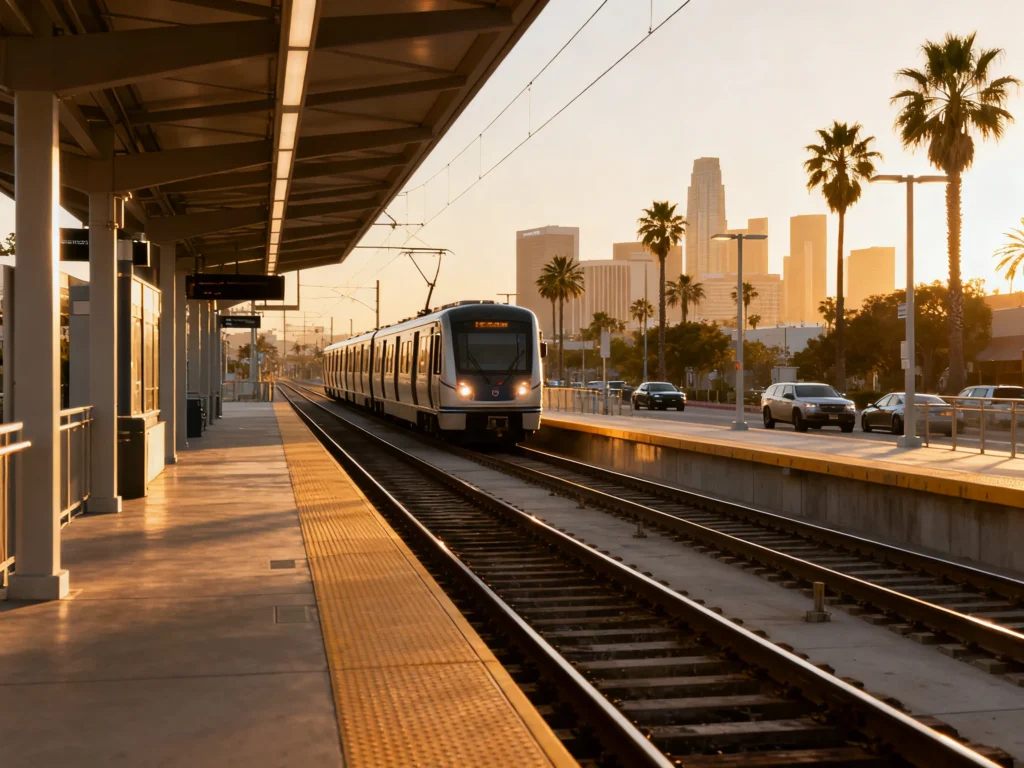
Los Angeles gets painted as “car-only,” but you can absolutely do it without driving—if you plan around transit-friendly pockets and use a few smart shortcuts. The secret is staying near a rail line, stacking activities by neighborhood, and treating rideshares like a tool (not your whole trip).
Here are five practical ways to explore LA without a car, with exactly what to book, where to base yourself, and what to skip so you’re not spending your vacation stuck in traffic anyway.
Top 5
1) Ride Metro Like a Local (and Build Your Days Around Stations)
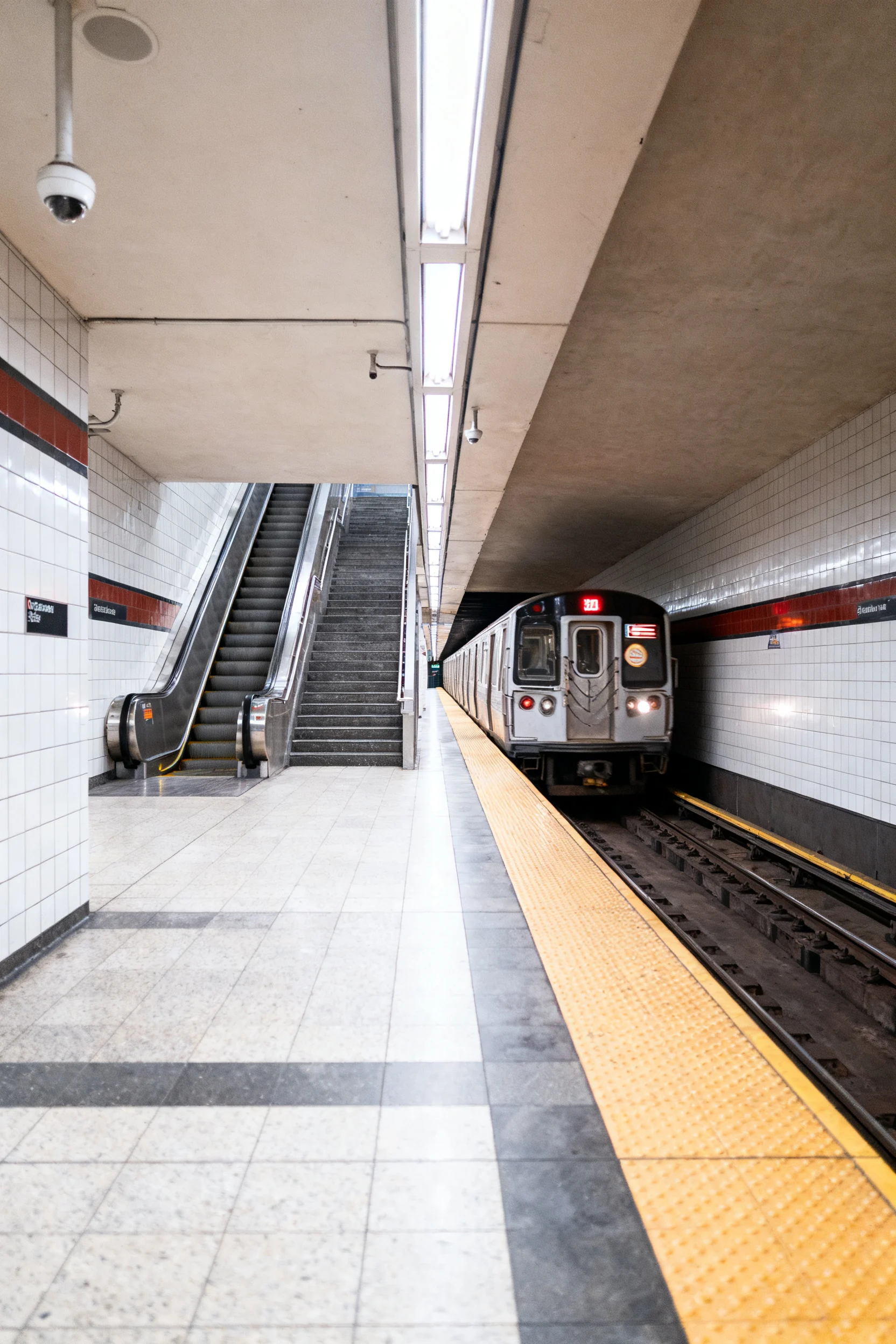
Base yourself near a Metro stop—Downtown (7th St/Metro Center), Koreatown (Wilshire/Vermont), Culver City, Santa Monica (Downtown SM), or North Hollywood are easy for first-timers. Use the Transit app or Google Maps for live arrivals, and grab a TAP card (or load TAP on your phone) so you’re not fumbling at gates. Aim to ride outside peak commute times for a calmer first experience, and keep your itinerary “station-to-station” (like Culver City + Downtown in one day). Pack a small day bag, comfy shoes, and a light layer—stations and platforms can feel cooler than the sun outside.
2) Pick One “Walkable Hub” Per Day (Santa Monica, DTLA, Culver City, Pasadena, WeHo)
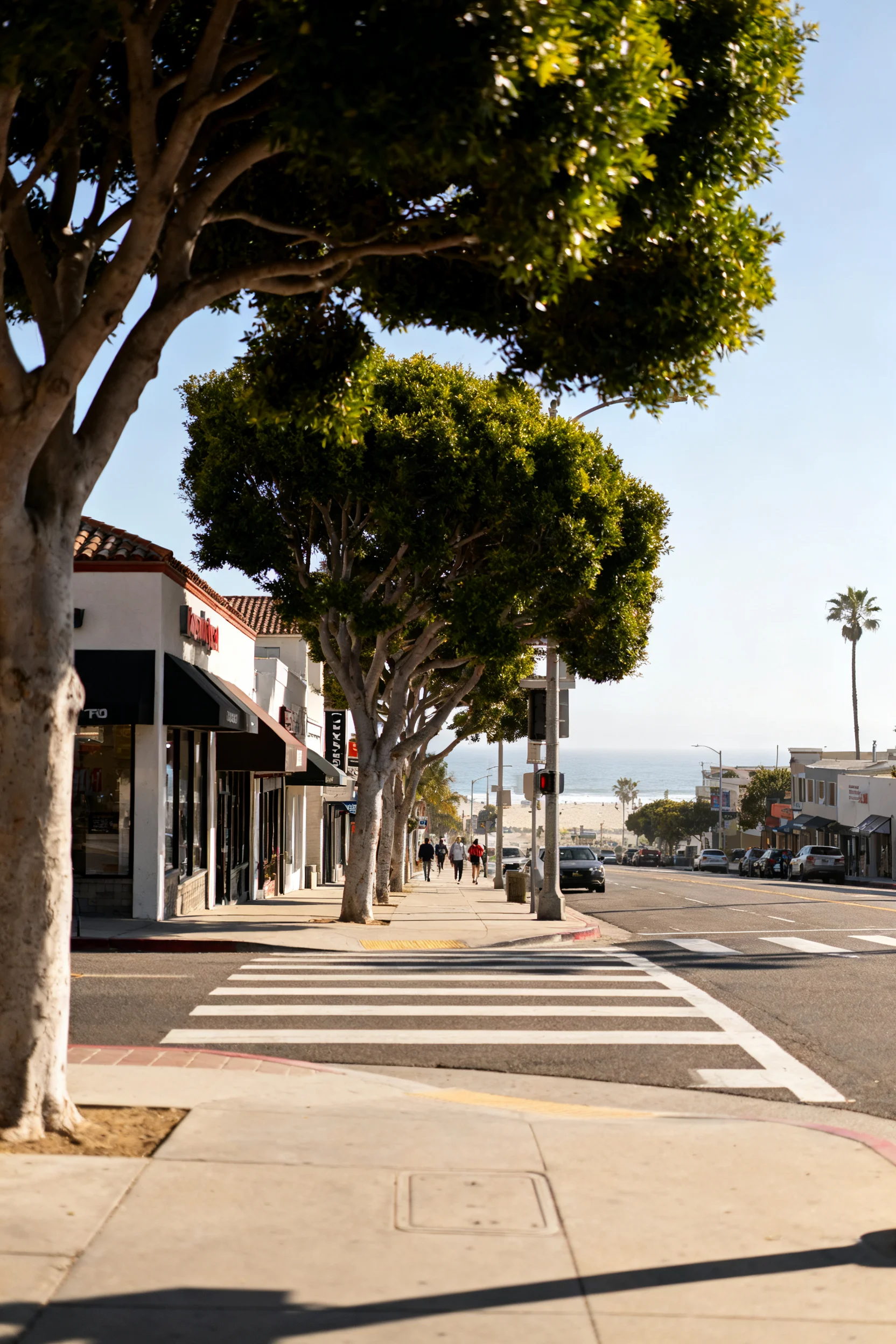
LA gets exhausting when you try to bounce all over, so commit to one main neighborhood daily and explore it on foot. Santa Monica is easy for beach + shopping + the pier; DTLA is great for museums, food halls, and architecture; Culver City nails cafes and low-key strolling; Pasadena brings cute streets and a slower pace; West Hollywood is boutique-heavy and fun for dinner. Book your hotel in (or directly next to) the hub you’ll use most, and schedule one “anchor” reservation per day (museum timed entry, a popular dinner, or a show) so everything else can be spontaneous.
3) Use Rideshares Strategically (Last-Mile Only, Not All Day)
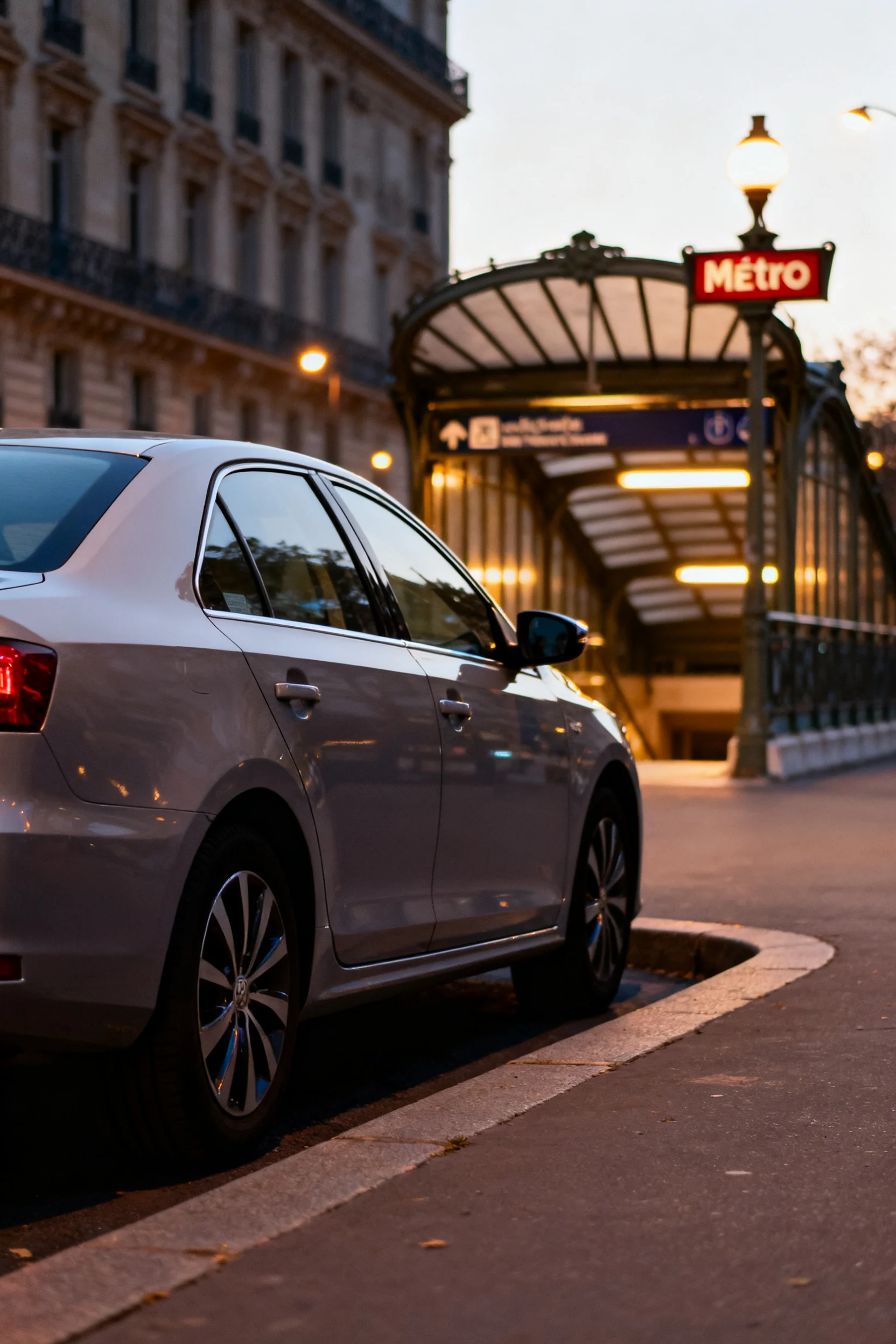
Think of Uber/Lyft as your “connectors” between Metro and places that are annoying to reach, like Griffith Observatory at sunset or a specific restaurant up in the hills. Save money by taking Metro close, then rideshare the final 10–15 minutes (especially late at night when service is less frequent). If you’re doing LAX, consider ridesharing to/from a nearby Metro station or taking the FlyAway bus to Union Station for a smoother, often cheaper option than a full airport ride. Pro tip: set pickup points on major streets, not tiny side roads—drivers find you faster and cancellations drop.
4) Plan a Beach Day the Easy Way (Expo Line to Santa Monica + Optional Bike Rental)
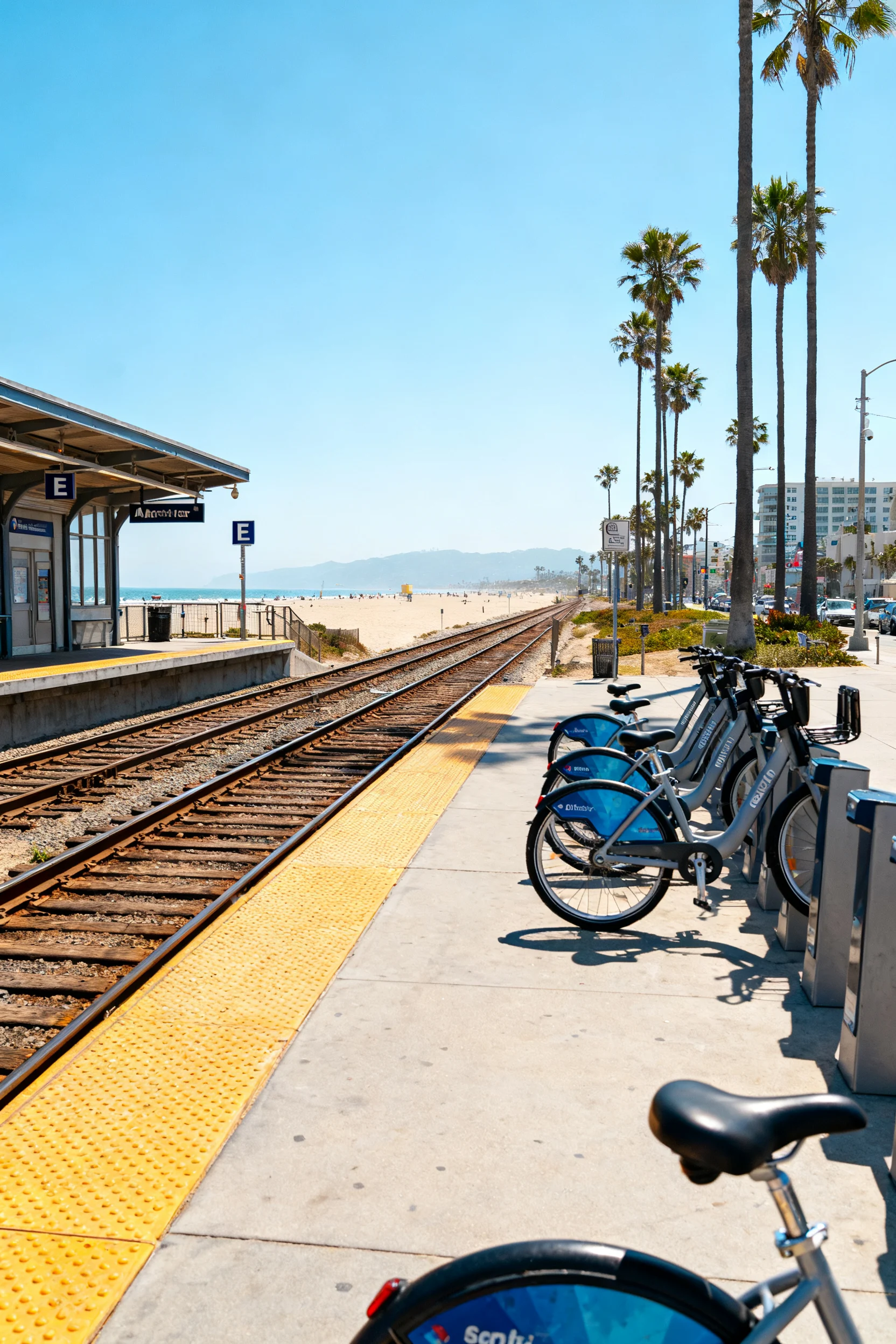
Take the E Line (Expo) straight to Downtown Santa Monica and you’ll land close to the beach without any parking drama. Rent a bike near the pier and cruise the Marvin Braude Bike Trail toward Venice and Marina del Rey; go earlier for cooler temps and fewer crowds. Pack sunscreen, a hat, and a light hoodie for the evening marine layer, and bring a tote for snacks because beach-area food adds up fast. If you want a calmer vibe than Venice, aim for Ocean Park in Santa Monica or head south toward Playa del Rey.
5) Do a No-Car “Hollywood-to-Griffith” Combo (But Skip the Tourist Traps)
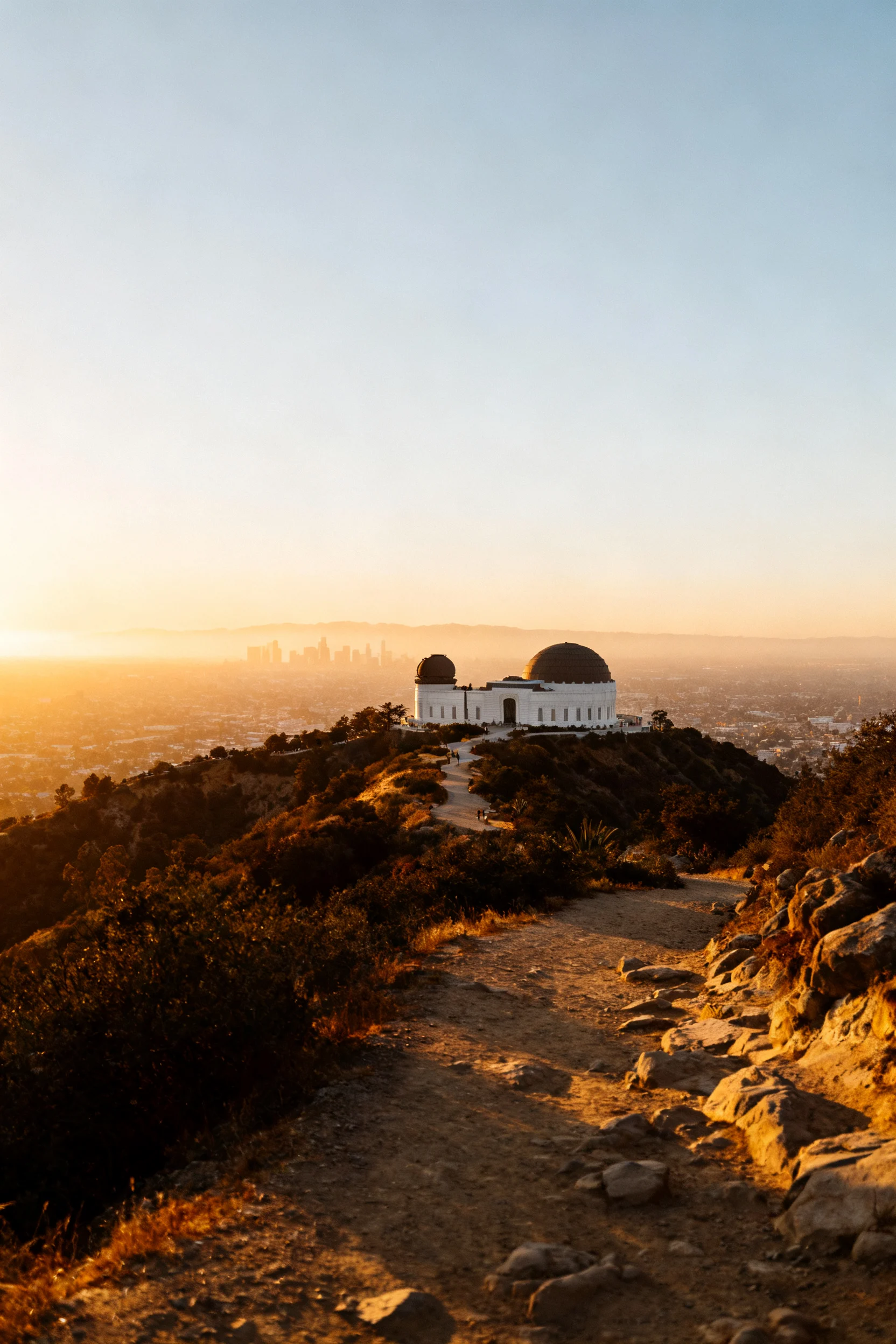
Start with the B Line (Red) to Hollywood/Highland for the essentials, then keep it tight: a quick walk for the Hollywood sign viewpoints (from street-level spots) and a photo stop, not hours of souvenir shops. For Griffith Observatory, rideshare up from the Vermont/Sunset Metro stop (or take the DASH Observatory shuttle when running) and time it for golden hour—views are best and it feels like a whole event. If you want an actual hike, do the easier, well-marked trails like the Griffith Observatory West Trail and bring water; LA sun is sneaky even when it’s “not that hot.” Skip trying to do Hollywood, Beverly Hills, Malibu, and Downtown in one day—pick two zones max.
FAQ
Is LA public transit safe for tourists?
Yes, especially if you ride during the day, stay aware like you would in any big city, and stick to busier cars and platforms. Keep valuables zipped, avoid empty train cars late at night, and plan routes ahead so you’re not stressed at transfers. Most first-timers find Metro totally manageable when they’re doing popular routes like Downtown, Hollywood, and Santa Monica.
Where should I stay in LA if I don’t have a car?
Look for hotels near Metro rail: Downtown (7th St/Metro Center), Koreatown (Wilshire/Vermont area), Culver City (E Line), Santa Monica (Downtown station), or North Hollywood (B Line). If your trip is beach-forward, Santa Monica is the easiest no-car base; if you want variety and nightlife, Koreatown and DTLA are strong picks.
What’s the easiest way to get from LAX without renting a car?
The FlyAway bus to Union Station is one of the simplest options, then you can connect to Metro rail. Rideshare also works, but costs swing a lot with traffic and surge pricing. If you choose rideshare, allow extra time and confirm the pickup location instructions for your terminal so you’re not wandering.
Can I do Disneyland without a car from LA?
It’s doable, but it’s a full-day commitment. The easiest approach is an early rideshare or a shuttle service; public transit takes longer and can involve multiple transfers. If Disneyland is a main priority, consider spending a night in Anaheim so you’re not commuting back late and exhausted.
How many days do I need to see LA without a car?
Three to five days is a sweet spot: one day for beaches (Santa Monica/Venice), one for DTLA arts/food, one for Hollywood + Griffith, and extra time for a neighborhood deep dive like Culver City, Pasadena, or Koreatown. LA is more fun when you slow down and stay local instead of trying to “collect” every landmark in one trip.