

If you’ve ever wanted to see multiple places without repacking your suitcase every other day, cruising is the move. It’s one of the easiest “big trip” formats to try at least once—especially if you’re a first-timer who wants variety with minimal stress.
From budget-friendly sailings to bucket-list routes, a cruise can be as chill or as go-go-go as you make it. Here are the best reasons to give it a shot, plus practical tips to make your first sailing smooth.
Top 10
1) Wake Up in a New Place Without Repacking
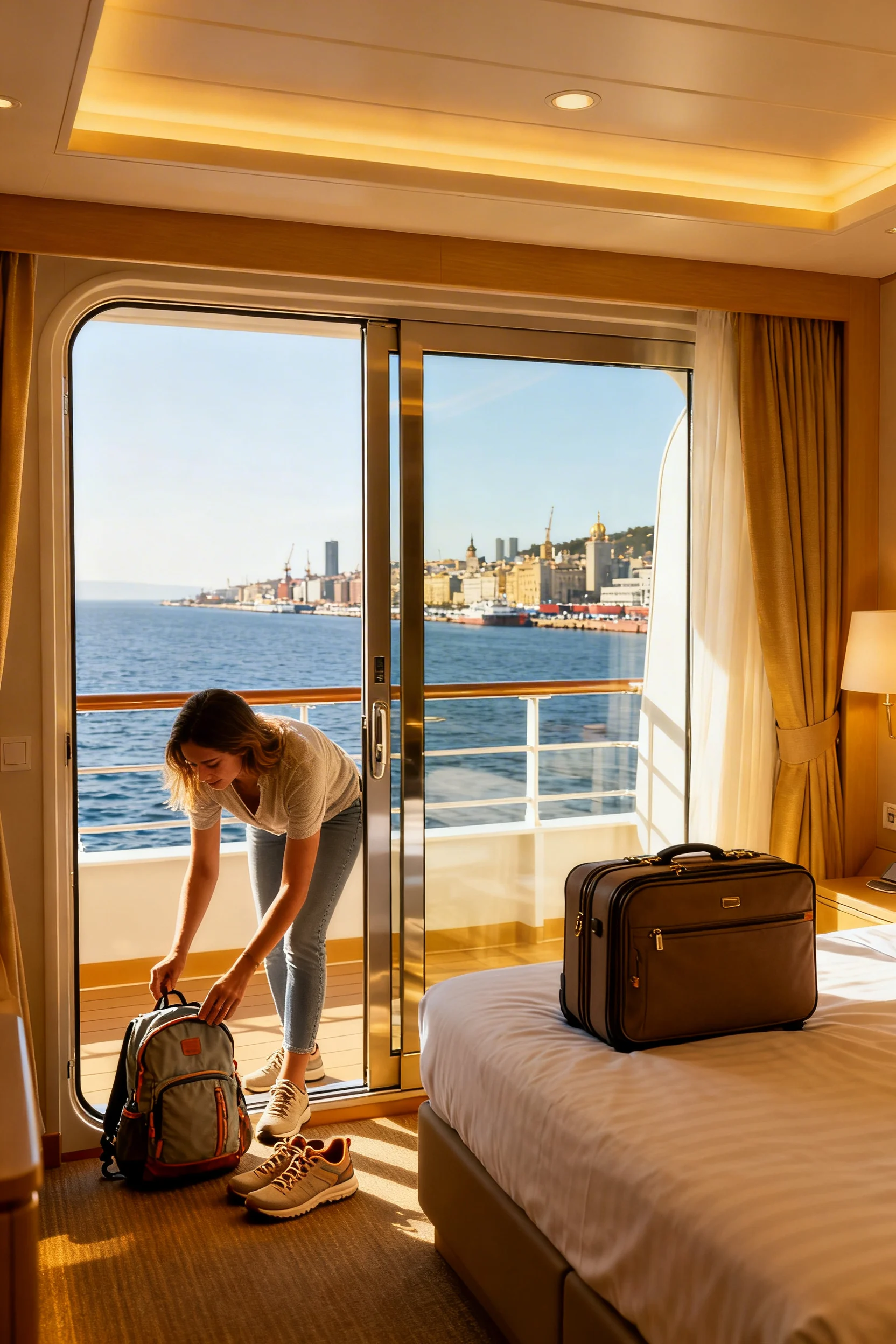
Your room travels with you, so you can visit multiple cities or islands while keeping the same home base. Pack with “port days” in mind: comfy walking shoes, a light daypack, and a portable charger make exploring easier. If you hate packing logistics, choose an itinerary with 3–5 ports and minimal sea days for maximum variety.
2) It’s One of the Most Beginner-Friendly Ways to Travel Internationally

Cruises simplify a lot—your lodging, many meals, and transportation between stops are handled. For your first international trip, start with a close-to-home departure port and short routes (3–7 nights) so you can test the vibe without committing. Keep your passport current anyway, even if some itineraries technically allow alternatives.
3) You Can Try a Destination Before Planning a Longer Trip
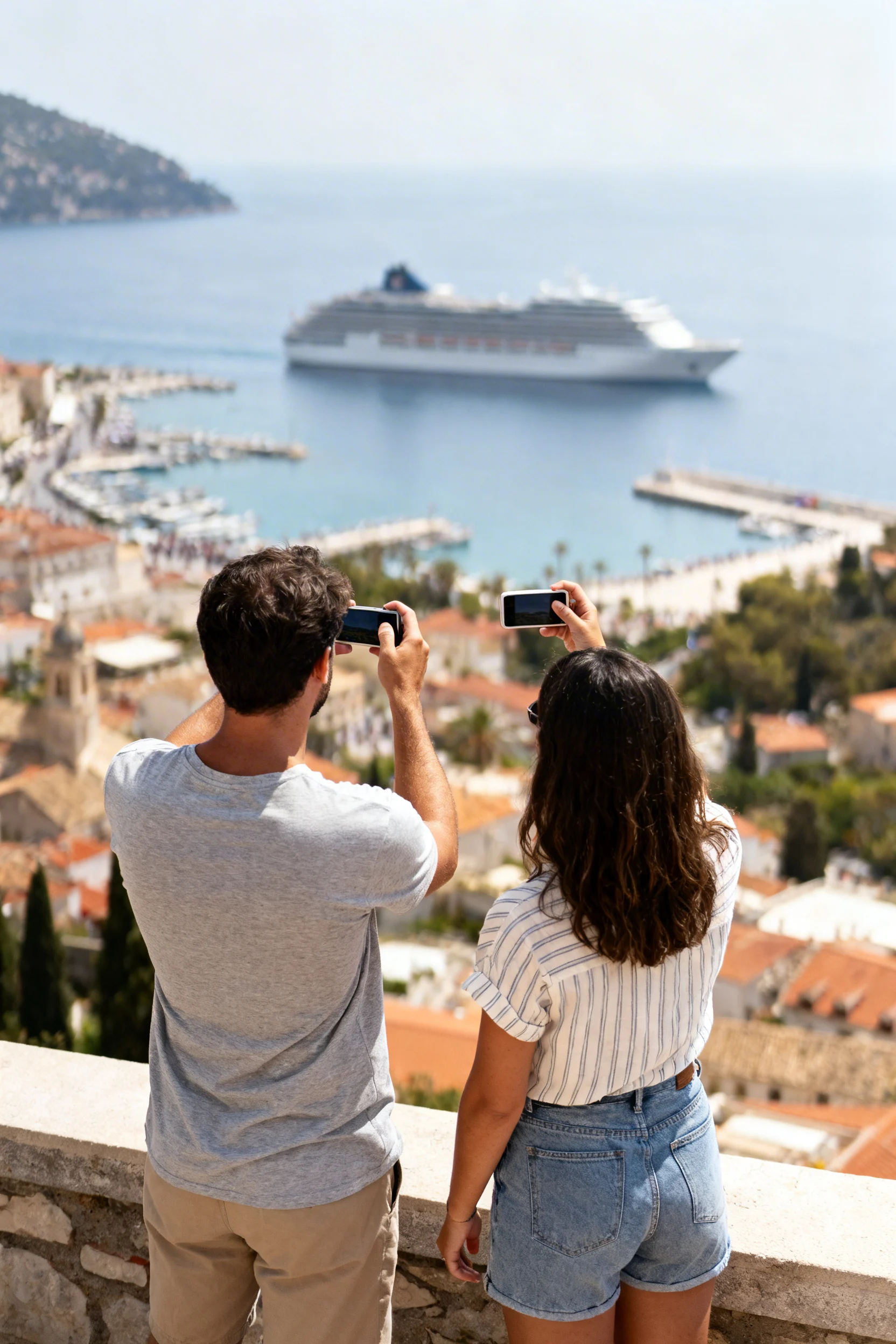
Think of a cruise like a destination sampler: a day in each place helps you figure out where you’d actually return for a full week. Book an itinerary with longer port times (10+ hours) if you want a real feel for the city. After the cruise, use your favorite stop as the anchor for a future land-based trip.
4) Built-In Entertainment Makes Planning Easy
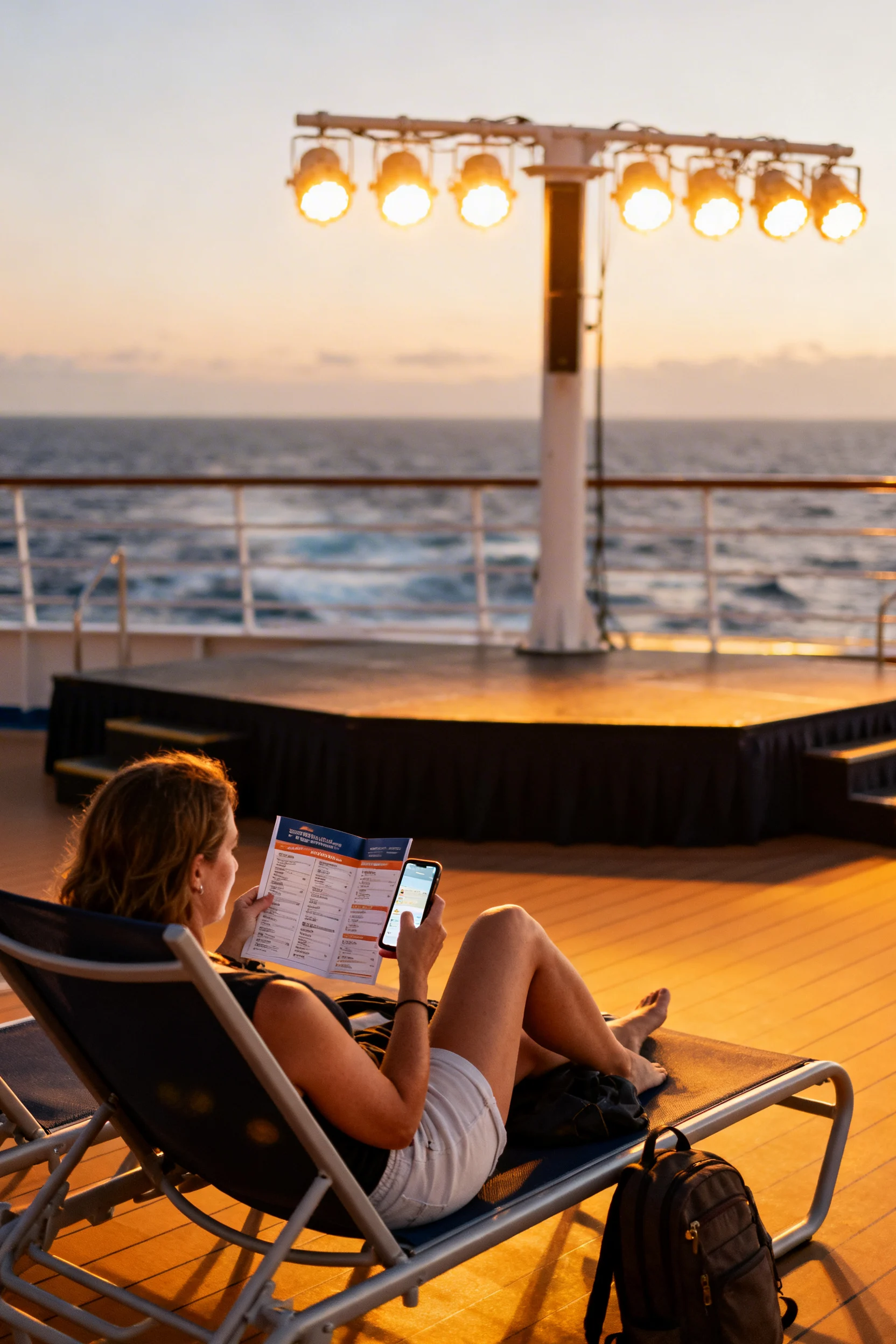
Shows, live music, classes, trivia, pools—your schedule can be as structured or spontaneous as you want. On day one, open the ship’s app and “favorite” events so you’re not scrambling later. If you’re crowd-averse, aim for early showtimes or late-night options when common areas are calmer.
5) Food Variety Without the Constant Restaurant Research
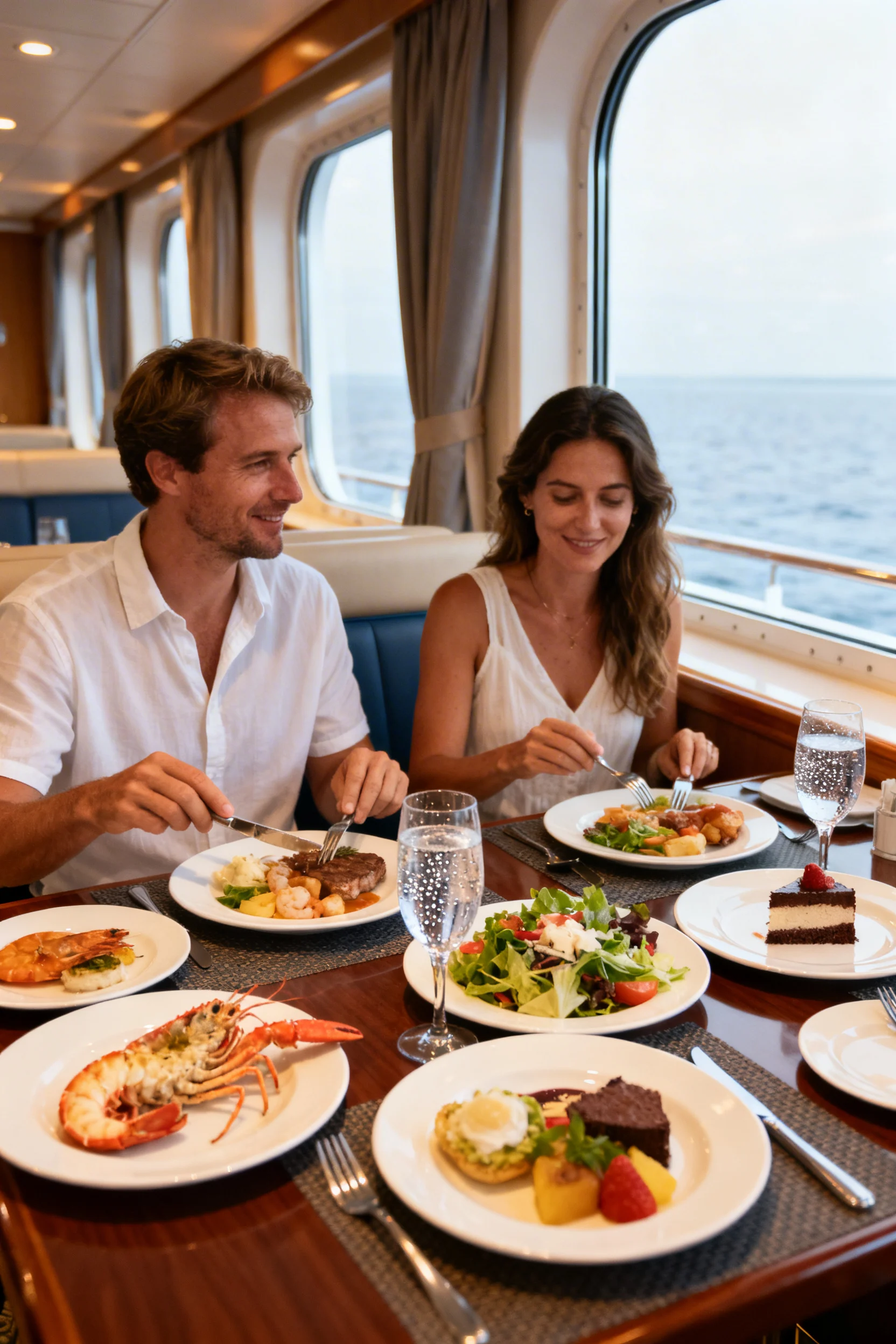
You’ll have plenty of included options plus specialty dining when you want to splurge. For first-timers, budget for one or two specialty meals and reserve them early for prime times. Pack a nicer outfit for a dressier dinner night, and bring any must-have snacks if you have dietary needs (then confirm policies before sailing).
6) Great Value When You Price It Out Correctly
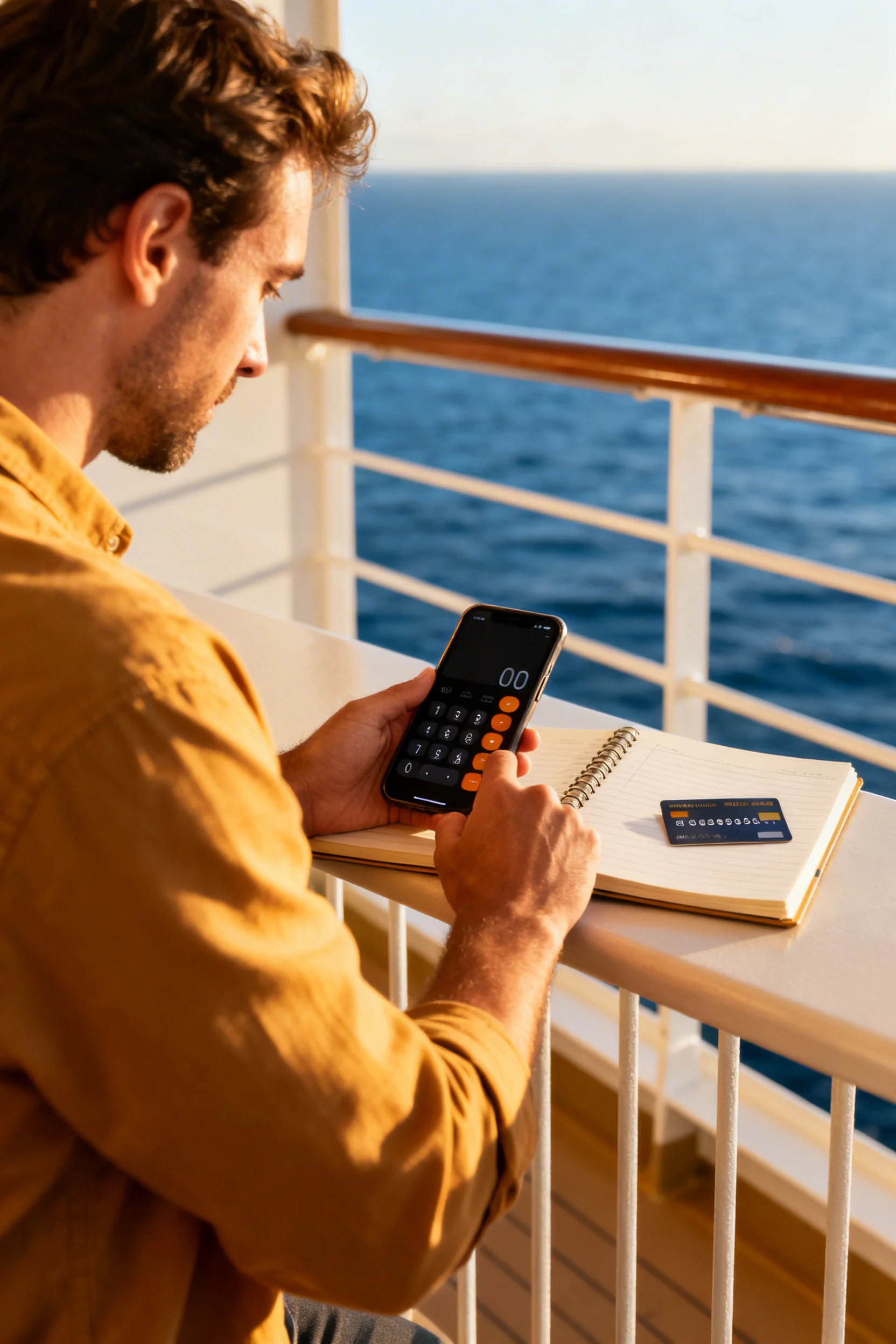
When you compare lodging + transportation + meals, cruises can be surprisingly competitive—especially in expensive regions. To avoid sticker shock, factor in gratuities, Wi-Fi, drinks, excursions, and port transport before you book. If you want the best deal, sail shoulder season (like late spring or early fall) and watch for fare drops after you book.
7) A Low-Stress Option for Groups With Different Travel Styles
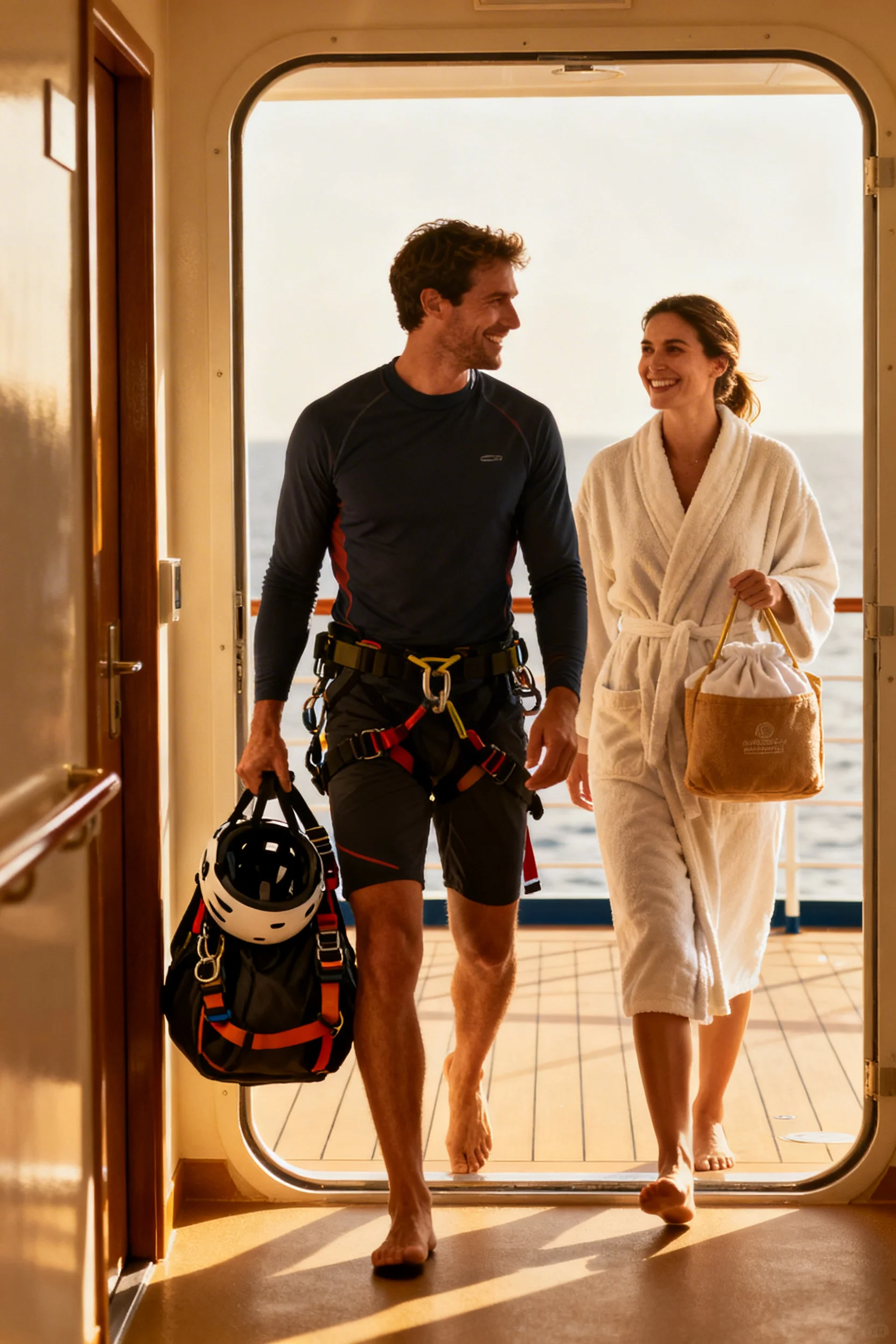
On a cruise, your friend who loves spa days and your friend who wants zip-lining can both have a great trip without arguing over an itinerary. Choose “set meetup times” (like dinner or sunset on deck) and let everyone do their own thing the rest of the day. If you’re booking multiple cabins, pick the same deck or nearby hallways to make life easier.
8) You Can Explore Beyond the Tourist Zone With the Right Excursion Strategy

Ship excursions are convenient, but independent tours can be more local and flexible—just be smart about timing. For tender ports or short stops, stick with ship-sponsored options for peace of mind. For longer port days, book a small-group tour that starts early, includes buffer time, and ends at least 60–90 minutes before all-aboard.
9) It’s a Surprisingly Good Reset (Yes, Even for Busy People)
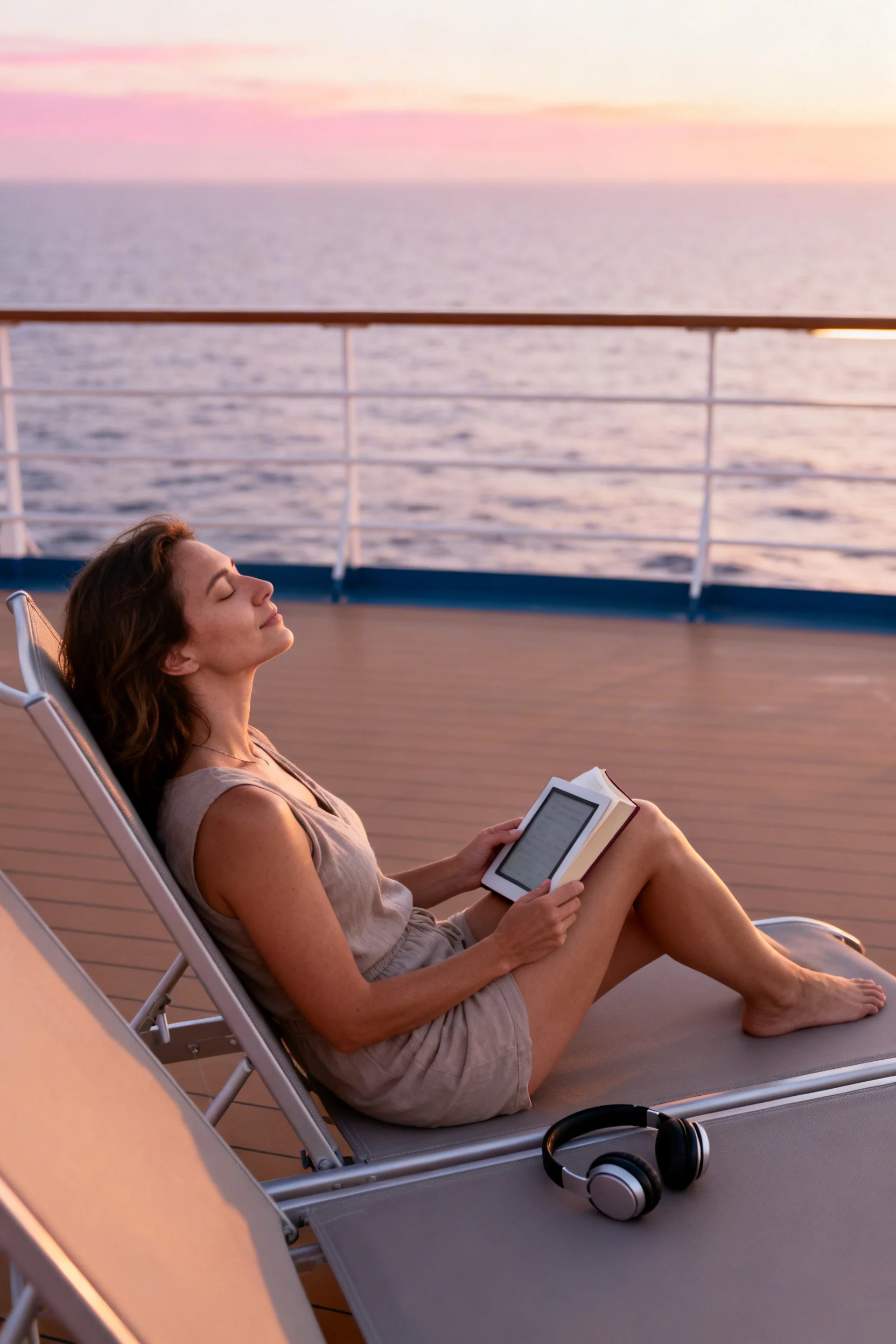
There’s something about being on the water that makes it easier to actually unplug. If you want a true recharge, skip the pricey Wi-Fi package and download maps, playlists, and books before you sail. Pick a balcony cabin if your budget allows—having your own outdoor space is a game-changer on sea days.
10) You’ll Learn What Kind of Traveler You Are

A cruise teaches you your preferences fast: early mornings vs. late nights, packed schedules vs. slow travel, city ports vs. beach days. After your first sailing, take notes on what you loved and what you’d skip next time (cabin location, ship size, port mix). Use that info to book your second trip smarter—whether it’s another cruise or a land itinerary.
FAQ
What’s the best cruise length for a first-timer?
Start with 3–5 nights if you want a low-commitment trial, or 7 nights if you want a more relaxed pace with a couple of sea days. Shorter cruises can feel more party-forward, while weeklong itineraries tend to be more balanced.
Should I book a balcony cabin for my first cruise?
If your budget can handle it, a balcony is amazing for fresh air and quiet downtime. If you’re cost-conscious, choose an oceanview or interior cabin and plan to spend more time on open decks—then put the savings toward excursions.
Do I need to book excursions in advance?
For popular ports and limited-capacity experiences (like snorkeling, small group food tours, or national parks), yes—book as soon as your cruise allows. For simple beach days or walkable towns, you can often explore independently with a solid plan and an offline map.
What should I pack for a cruise besides the basics?
Bring a refillable water bottle, motion sickness remedies (just in case), a small daypack for port days, and a lightweight jacket for windy decks. Add a power strip without surge protection if allowed, plus a lanyard or card holder for your keycard.
How do I avoid feeling overwhelmed on the ship?
On embarkation day, do a quick walkthrough: find your dining spots, the main theater, a quiet deck, and your muster station area. Pick one “must-do” activity per day and keep the rest flexible—cruises are better when you leave room for spontaneity.