

A sweet mother-daughter getaway doesn’t need to be complicated or expensive—it just needs the right format, pace, and a few memory-making moments built into the plan. Use the steps below to choose the best “mommy and me” travel style, book it confidently, and come home feeling closer (not exhausted).
Step 1: Pick a “togetherness style” (and match it to her age)

What to do: Decide what kind of connection you want most on this trip, then pick a destination that naturally supports it. Choose one primary vibe: cozy and calm, active and outdoorsy, city and culture, or beach and easy. Next, match the daily rhythm to your daughter’s age and energy.
Why it matters: Most mother-daughter trips go sideways because the destination is fine, but the pace isn’t. A calmer destination with built-in activities (walkable town, beach, resort, lake) reduces decision fatigue and helps you spend more time together instead of troubleshooting.
Specific example: If your daughter is 4–8 and you want low-stress bonding, choose a walkable beach town where you can do one “anchor activity” a day. Example: a 3-night trip to San Diego’s Mission Bay area—morning playground time, afternoon calm water for splashing, and a simple sunset picnic. If your daughter is 13–17 and you want “besties energy,” choose a city with easy transit and shared interests: a long weekend in Chicago (museum + deep-dish + shopping + a show) works well because you can do a mix of structured and spontaneous.
Mistake to avoid: Planning a destination around what you think you “should” do (like a jam-packed theme park itinerary) when what you actually want is unhurried time together. If you’re craving connection, don’t pick an itinerary that forces you to sprint.
Step 2: Build a simple itinerary with one anchor per day (plus a buffer)

What to do: Create a 3-layer itinerary: (1) one anchor activity per day, (2) one flexible add-on, and (3) a built-in rest/reset window. Keep travel days light. Aim for mornings that feel easy, afternoons that are the “main event,” and evenings that wind down.
Why it matters: Mother-daughter trips are about shared moments, not checking boxes. An anchor-per-day plan reduces stress, makes budgeting easier, and leaves room for mood changes (especially with younger kids or teens).
Specific example: A 4-day “mommy and me” lake getaway itinerary could look like this:
- Day 1 (arrival): Check-in + grocery stop + sunset walk (anchor: sunset walk).
- Day 2: Morning slow start + 2-hour boat rental (anchor) + optional ice cream stop (add-on) + downtime before dinner (buffer).
- Day 3: Brunch + craft class or pottery painting (anchor) + optional thrift shopping (add-on) + hotel pool/quiet time (buffer).
- Day 4 (departure): Pack + one photo stop + head home.
Notice how nothing requires rushing, and each day still has a “memory hook.”
Mistake to avoid: Overbooking timed tickets back-to-back. If you want two timed activities in one day, schedule them with at least 2–3 hours between (plus a snack break) to avoid tears, arguments, or missed entry windows.
Step 3: Book the “easy mode” logistics (where you stay, how you move, what you’ll eat)
What to do: Prioritize convenience over perfection in three areas: lodging location, transportation, and food. Your goal is fewer transitions. When deciding, ask: “Will this make our day smoother?”
Why it matters: The most common stressors on mommy-and-me trips are hidden: long drives after check-in, complicated parking, late meals, and not having snacks. Easy logistics mean you’re more patient, more present, and more likely to say “yes” to fun add-ons.
Specific example: For a first-timer city trip, book a hotel in a central, safe, well-lit area within a 10–15 minute walk of at least two things you’ll do. If you’re visiting Washington, D.C. with a tween, staying near the National Mall (or on a direct Metro line) reduces transfers and lets you pop back to the room mid-day. For food, plan one “special meal” (like afternoon tea or a fun brunch spot) and keep the rest simple: breakfast included, one grocery run for snacks, and one easy dinner option you can repeat.
Budgeting rule of thumb for a 3-night domestic trip (adjust for your area):
- Lodging: 45–60% of your total budget
- Transportation: 15–25%
- Food: 15–25%
- Activities/souvenirs: 5–15%
Mistake to avoid: Choosing the cheapest hotel far from everything. Saving $40–$80 a night can cost you hours of commuting, extra rideshares, and a tired, cranky vibe. For mother-daughter trips, location is often the best “upgrade.”
Step 4: Add two “signature moments” and a small tradition (so the trip feels special)

What to do: Plan two signature moments that feel like “this is our trip,” plus one tiny tradition you’ll repeat each day. Keep them simple, age-appropriate, and photo-friendly without being staged.
Why it matters: You’ll forget half the details, but you’ll remember how it felt. Signature moments create emotional highlights, and a small daily tradition makes the getaway feel cohesive (and helps shy or nervous kids settle in).
Specific example: Choose from these mother-daughter-friendly ideas:
- Signature moment #1 (experience): A pastry crawl in a cute neighborhood (pick 2–3 spots, share bites, rate them together).
- Signature moment #2 (keepsake): A simple “yes hour” where your daughter chooses one activity under $20 (bookstore, arcade, souvenir, smoothie).
- Daily tradition: A bedtime “rose and thorn” chat (best part + hardest part) or a morning hot chocolate/tea walk.
If you’re traveling with a preschooler, make it tactile: sticker sheet for each day, a small scavenger hunt (find a fountain, a red door, a bird), or a nightly story in matching pajamas. For teens, make it feel grown-up: a mocktail tasting, a sunrise photo mission, or a thrifted outfit challenge for $25.
Mistake to avoid: Trying to make every moment “Instagram perfect.” Kids (and teens) can feel pressured by constant photos. Instead, pick two planned photo moments (golden-hour walk, one landmark) and keep the rest candid.
Quick Checklist
- Choose your trip vibe: cozy/calm, outdoorsy, city/culture, or beach/easy
- Set the pace based on age and energy (anchor activity + buffer time)
- Book lodging for location and simplicity (walkable or direct transit)
- Plan transportation details: parking plan, transit passes, or rideshare budget
- Map food: one special meal, one reliable backup option, and snacks
- Schedule two signature moments + one daily tradition
- Pack a “mini comfort kit”: wipes, band-aids, allergy meds, charger, snack stash
- Share the plan with your daughter (let her choose 1–2 things)
- Screenshot confirmations and save addresses offline
- Leave 10–20% of the budget unassigned for surprises
FAQ
How long should a mommy and me trip be?
For a first trip, 2–4 nights is the sweet spot. It’s long enough to feel special but short enough to avoid burnout (and it’s easier to keep routines intact for younger kids).
What are good mother-daughter getaway destinations that aren’t stressful?
Look for places with one “main zone” where you can stay and play: a walkable beach town, a lake area with easy rentals, a small city with a central hotel and museums, or a resort with on-site activities. Less driving usually means more connection.
How do I budget for a mother-daughter weekend without overspending?
Start with lodging and transportation, then set a daily food cap (for example, $35–$60 per person depending on your area). Plan one paid highlight activity and keep the rest free or low-cost (parks, beaches, scenic walks, museum free days). Leave a small cushion for treats.
What should I pack for a smooth mom-and-daughter trip?
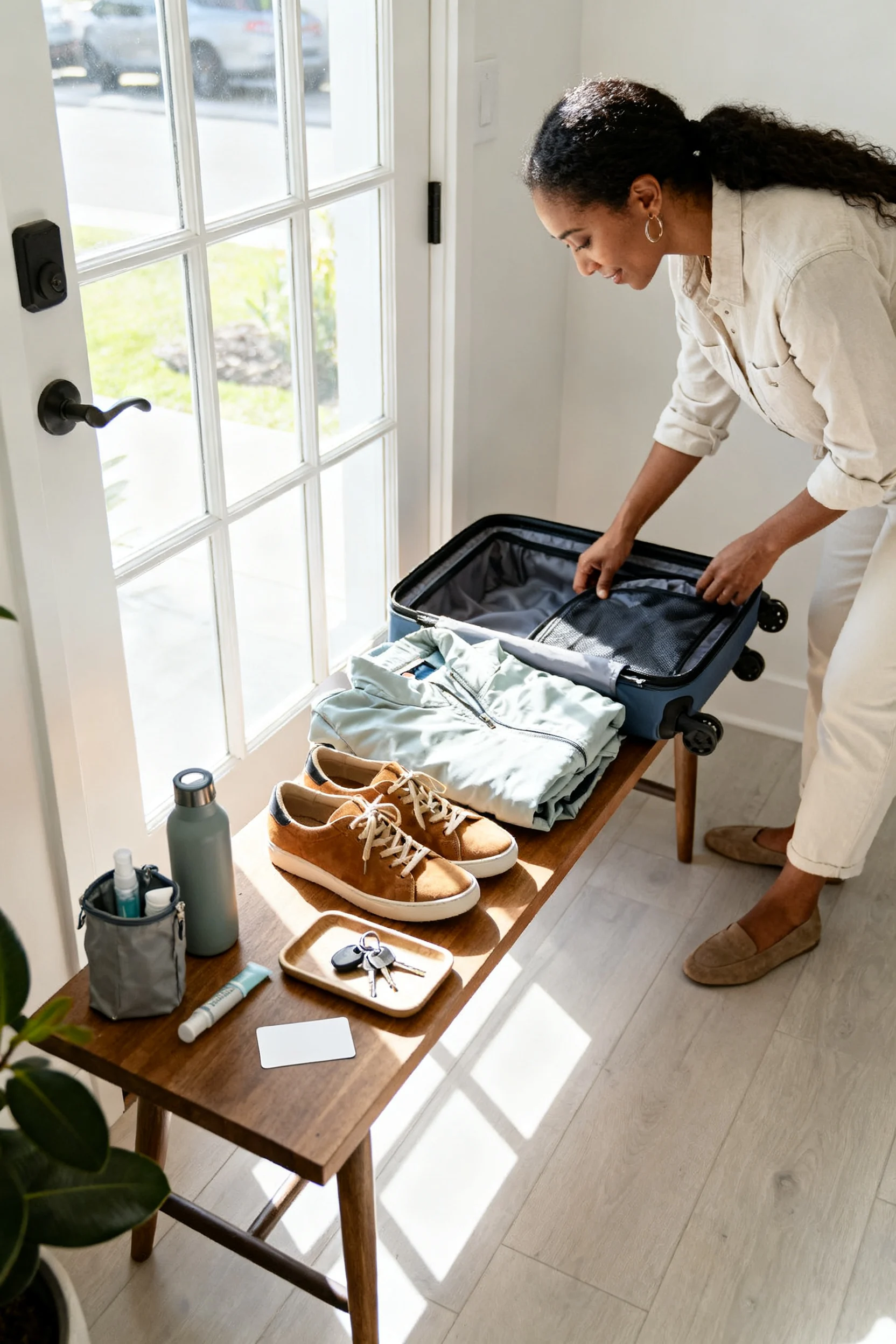
Pack for comfort and transitions: layers, comfortable walking shoes, a light day bag, refillable water bottles, snacks, a small first-aid kit, chargers, and one nicer outfit for a “special moment” meal or photo. For kids, include one familiar comfort item for bedtime.
How can I avoid meltdowns or arguments while traveling together?
Protect sleep and snacks, keep only one must-do per day, and build in reset time back at the hotel or a quiet spot. Give your daughter ownership of one decision daily (activity, dessert, or souvenir under a set budget). Fewer surprises and more choice usually means fewer conflicts.