
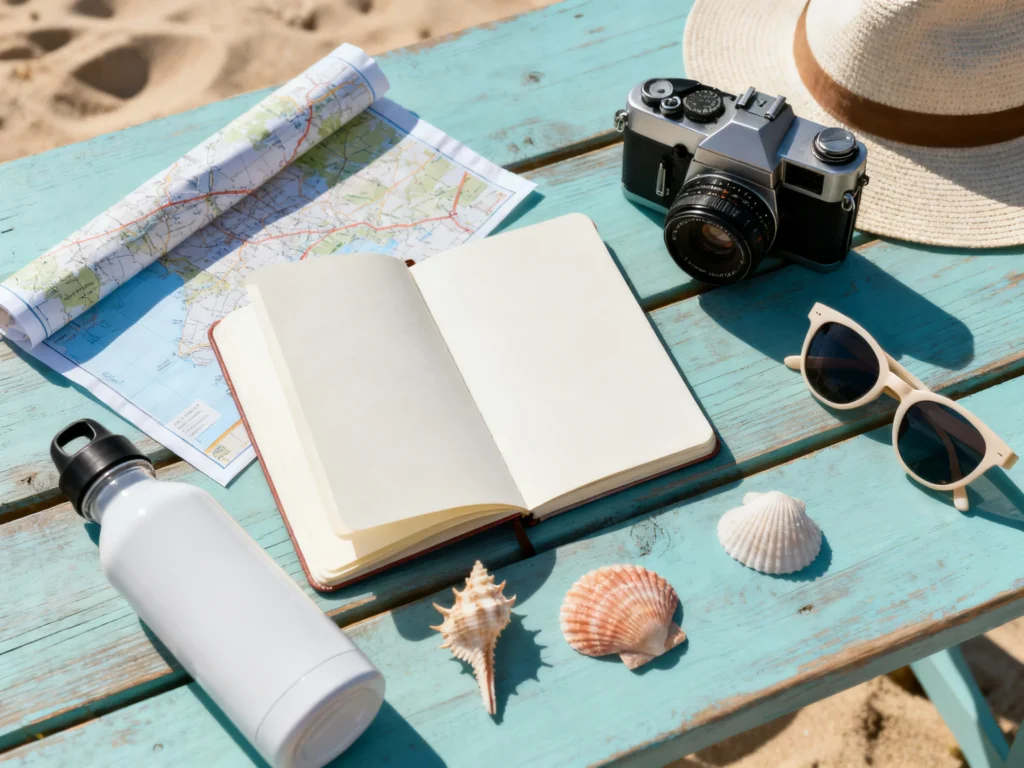
Want a summer that feels big, effortless, and genuinely memorable (without overspending or overplanning)? This guide turns “Summer Bucket List Ideas 2026” into a practical travel plan: you’ll pick the right trips for your budget and schedule, lock in the best timing, build a simple route, and avoid the common mistakes that make summer travel stressful.
Step 1: Choose your “summer signature” (1 theme + 3 trips)
What to do: Pick one theme for your Summer 2026 bucket list, then build around it with three trips: one “micro-adventure” (1 day), one weekend (2–3 days), and one anchor trip (5–10 days). Keep the theme tight so it’s easy to decide where to go and what to skip.
Why it matters: Summer options are endless, and decision fatigue is real. A theme keeps your list realistic and cohesive while still feeling exciting. It also helps you pack smarter and reuse planning (same gear, similar lodging style, similar pace).
Specific example: Theme: “Water + sunsets.” Micro-adventure: sunset paddleboard rental at a nearby lake. Weekend: coastal town with a beach day and seafood night market. Anchor trip: Croatia island-hopping (Split to Hvar to Vis) with swim coves and golden-hour viewpoints.
Mistake to avoid: Making a bucket list that’s only long-haul “dream trips.” If everything is expensive and time-consuming, you’ll likely do none of it. Balance your list with at least one low-cost, close-to-home win.
Step 2: Lock your dates using weather, crowd levels, and local events

What to do: Choose travel windows first, then choose destinations. For each trip, check three things: typical temperature/humidity, peak crowd weeks, and major events (festivals, school holidays, big sports weekends). Aim for “shoulder-of-peak” timing when possible: early June, late August, or the week after a major holiday.
Why it matters: In summer, when you go is often more important than where you go. The right week can mean cheaper flights, calmer beaches, fewer lines, and better sleep (especially in hot cities). Planning around events also prevents surprise price spikes and sold-out lodging.
Specific example: If you want Italy in 2026, consider early June for Rome/Florence (long daylight, slightly lighter crowds) and use July/August for the Dolomites or lakes instead of city sightseeing. If you want U.S. national parks, plan mid-week visits and avoid holiday weekends; book lodging inside or just outside the park months ahead.
Mistake to avoid: Assuming all summer weeks are equal. A random Saturday-to-Saturday in July can cost dramatically more than a Wednesday-to-Wednesday plan, and you may lose hours waiting in lines or sitting in traffic.
Step 3: Build a “one-line” route that minimizes transit and maximizes time outside
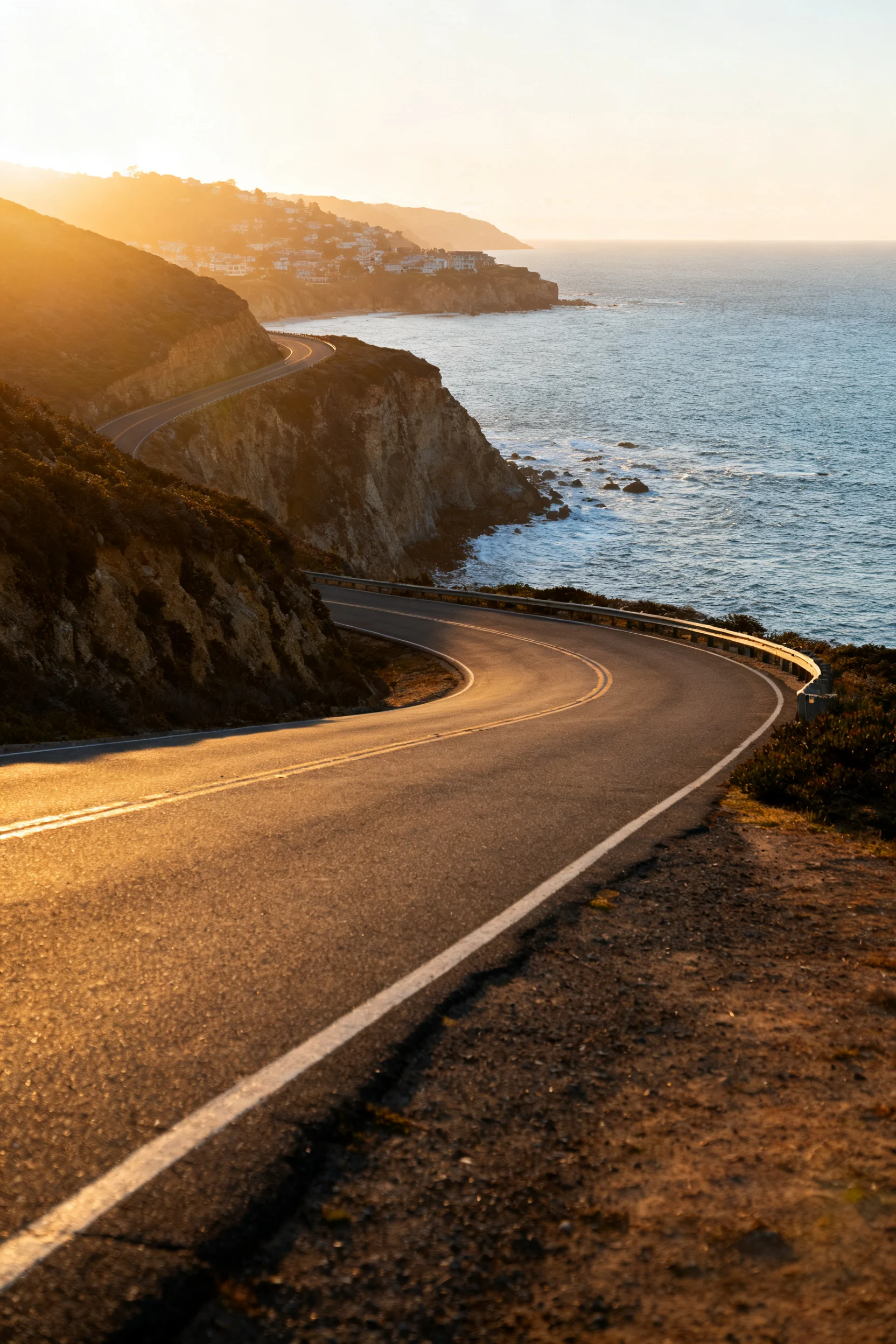
What to do: For each trip, write your route as a single line: Fly/train in → 1–2 bases → fly/train out. Choose fewer stops and longer stays. If your itinerary requires frequent packing, multiple car pickups, or more than one short flight, simplify it.
Why it matters: Summer travel has built-in friction: crowds, heat, delays, and limited reservations. A simple route protects your vacation time. Longer stays also reduce costs (weekly lodging discounts, fewer transit days, less impulse spending on “convenience” meals).
Specific example: Instead of “Paris → Brussels → Amsterdam → Cologne → back to Paris” in 8 days, do “Fly into Paris (4 nights) → train to Amsterdam (4 nights) → fly home.” Add day trips from each base (Versailles, Zaanse Schans) rather than moving hotels every other day.
Mistake to avoid: Overloading your summer with constant movement. A packed itinerary looks good on paper, but in heat and crowds you’ll feel rushed, spend more on taxis, and end up exhausted.
Step 4: Set a bucket-list budget you can actually follow (with a “heat tax” buffer)
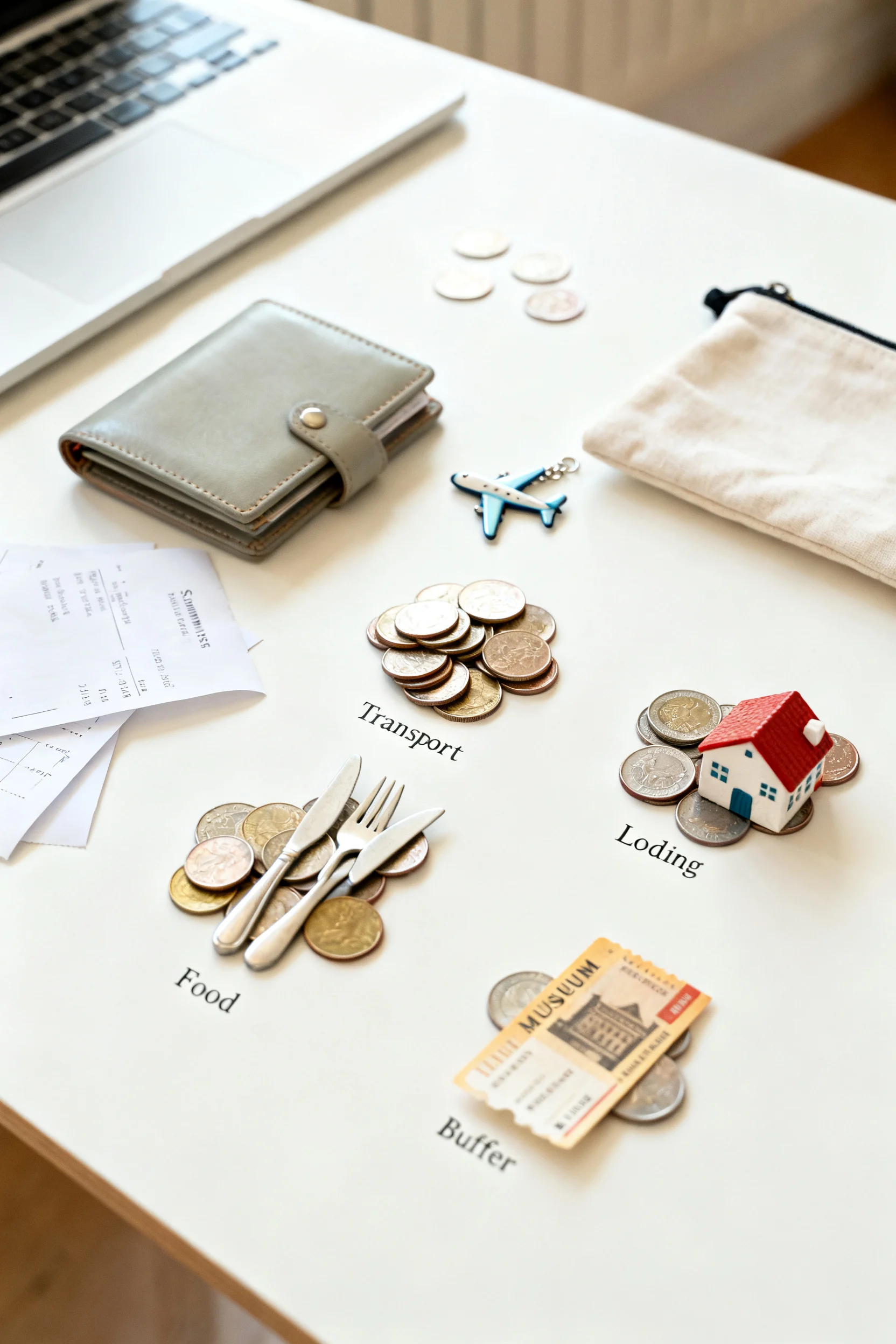
What to do: Create a simple budget per trip using four categories: transport, lodging, food, and activities. Then add two buffers: (1) a 10–15% “heat tax” for summer convenience spending (extra water, taxis when it’s too hot to walk, quick meals, baggage storage), and (2) a small “splurge fund” for one signature experience that makes the trip feel special.
Why it matters: Summer travel is notorious for surprise costs—especially if you’re visiting hot, crowded places. A buffer prevents budget anxiety and helps you say “yes” to the moments that matter (sunset boat ride, spa, great seats at a show) without blowing up your finances.
Specific example: A 6-day Lisbon trip: Transport $250–$500 (depending on flights), lodging $900–$1,400, food $300–$450, activities $150–$300. Add 15% buffer ($240) for heat-day taxis, extra cold drinks, and last-minute reservations. Splurge fund: $120 for a sunset sail on the Tagus River.
Mistake to avoid: Spending your entire “fun money” too early. If you book every tour upfront, you’ll have no flexibility for weather changes, local recommendations, or that perfect spontaneous day trip.
Step 5: Book the summer “pressure points” first (then fill in the fun)

What to do: Prioritize bookings in this order: (1) anchor flights or long-distance trains, (2) lodging in high-demand areas, (3) any timed-entry attractions that sell out, (4) rental car (if needed), (5) restaurants only for truly special nights. Keep the rest flexible and build in free time blocks.
Why it matters: Summer sells out. Booking the pressure points early protects your itinerary and keeps you from paying “last-minute pricing.” Leaving space after that protects your enjoyment—because the best summer days often come from wandering, swimming, and lingering.
Specific example: For a Greek islands trip: book ferry schedule and your first/last island lodging first (so you’re not stuck with awkward connections). Then book a single highlight activity—like a small-group boat day to hidden beaches—while keeping beach days and village evenings unplanned.
Mistake to avoid: Booking non-refundable everything. Summer weather and transportation can change. When possible, choose free-cancellation lodging and refundable or changeable transport, especially for shoulder-season edges when storms or heat waves can shift your plans.
Step 6: Pack and prep for summer realities (heat, crowds, and safety) like a pro
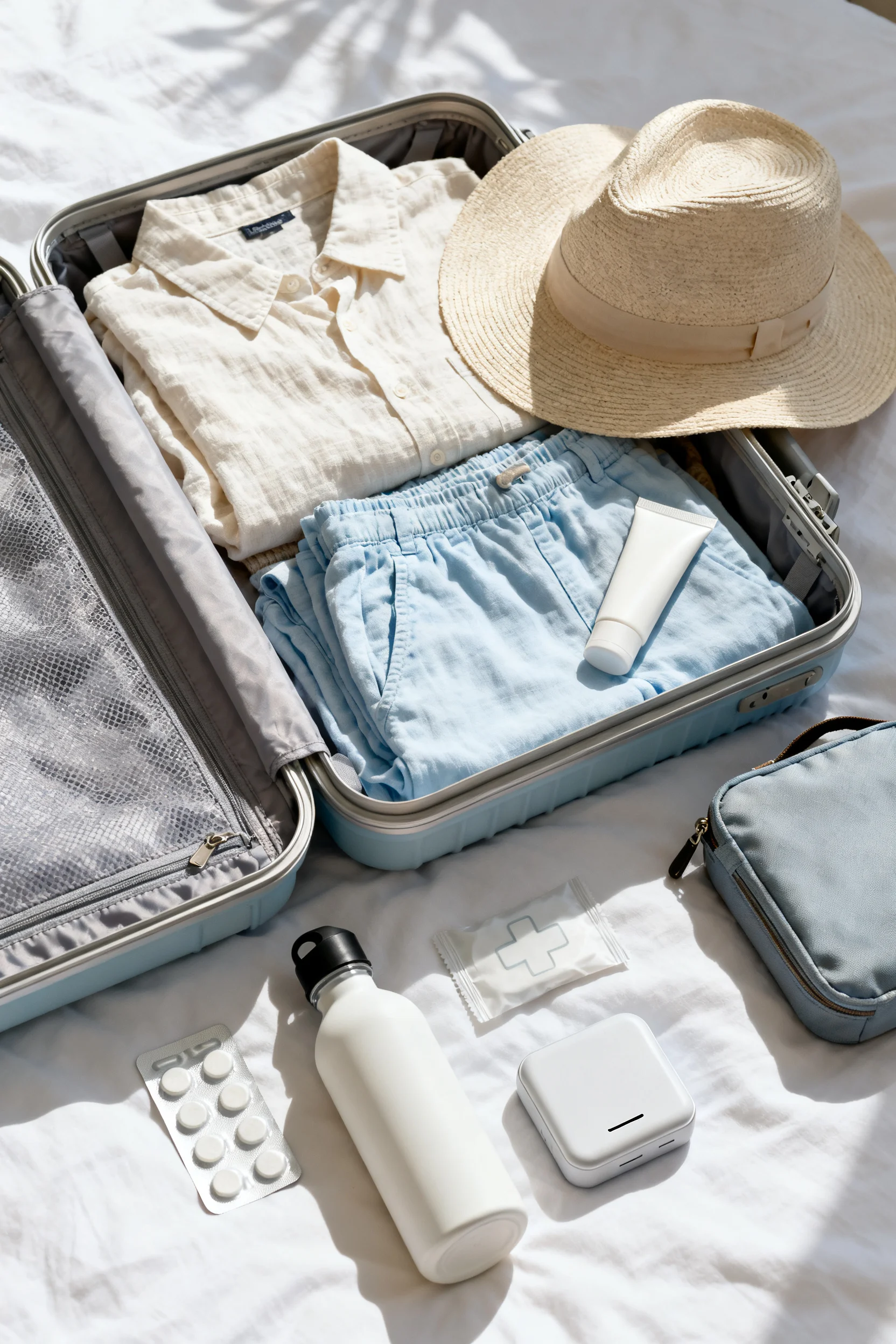
What to do: Pack for heat management and mobility: breathable outfits, sun protection, blister prevention, and a day bag that keeps essentials accessible. Add a simple “summer safety kit”: hydration plan, offline maps, a backup payment method, and quick-access copies of documents. Finally, set two daily rules: start early (or go late) and schedule a mid-day reset (pool, museum, nap, shaded lunch).
Why it matters: Summer travel is physically harder than most people expect. Heat exhaustion, pickpocketing in crowded areas, and sore feet can derail your bucket list fast. Smart packing and a heat-aware daily rhythm keep you energized and alert—so you actually enjoy the experiences you planned.
Specific example: For a city + beach combo (Barcelona + Costa Brava): pack one “city day uniform” (airy top, comfortable sneakers, hat) and one “beach kit” (quick-dry towel, water shoes, light cover-up). Plan mornings for sightseeing, afternoons for beach or a cool-down museum, and evenings for neighborhoods and dinner when temps drop.
Mistake to avoid: Underestimating footwear and hydration. New sandals plus 20,000 steps is a recipe for blisters. And if you wait until you’re thirsty, you’re already behind—especially in humid destinations.
Quick Checklist
- Pick one Summer 2026 “signature” theme and choose 3 trips (day, weekend, anchor)
- Confirm your travel windows using weather, crowd peaks, and event calendars
- Write a one-line route with 1–2 bases (avoid constant hotel changes)
- Build a budget with a 10–15% summer buffer plus one planned splurge
- Book pressure points first: flights/trains, lodging, timed entries, rental car
- Plan daily timing: early start, mid-day reset, sunset/evening block
- Pack for heat + crowds: sun protection, blister plan, day bag essentials
- Save offline maps, store document backups, and carry a second payment option
FAQ
How far in advance should I plan Summer 2026 travel?
For popular summer destinations, start 6–10 months ahead for flights and high-demand lodging (especially beaches, islands, national parks, and major cities). If you’re flexible on dates and destination, 3–5 months can work, but expect fewer choices and higher prices.
What are the best “bucket list” trips if I’m on a tight budget?
Choose destinations where you can do a lot for free: beach towns, lake regions, hiking areas, and cities with strong public transit. Build your list with one local micro-adventure (free or low-cost), one drivable weekend, and one anchor trip that uses points, off-peak dates, or a shorter flight.
How do I avoid crowds without giving up summer travel?
Travel in early June or late August, visit major sights at opening time, and prioritize neighborhoods and nature over the most famous “top 3” attractions. Also consider secondary cities (for example, Porto instead of only Lisbon, or Lyon instead of only Paris) and base yourself where day-trippers don’t.
Should I rent a car in summer destinations?
Rent a car when it unlocks nature, small towns, or beaches with limited transit (and when parking is manageable). Skip the car in big cities with strong public transportation. If you do rent, book early, understand toll systems, and confirm your lodging has parking (or a nearby garage).
What’s one simple way to make any summer trip feel “bucket list”?
Plan one signature moment per trip that matches your theme—sunset boat ride, a scenic hike with a picnic, a cooking class, a hot air balloon at sunrise, or a memorable hotel with a view—then protect that day with extra time and a lighter schedule.