
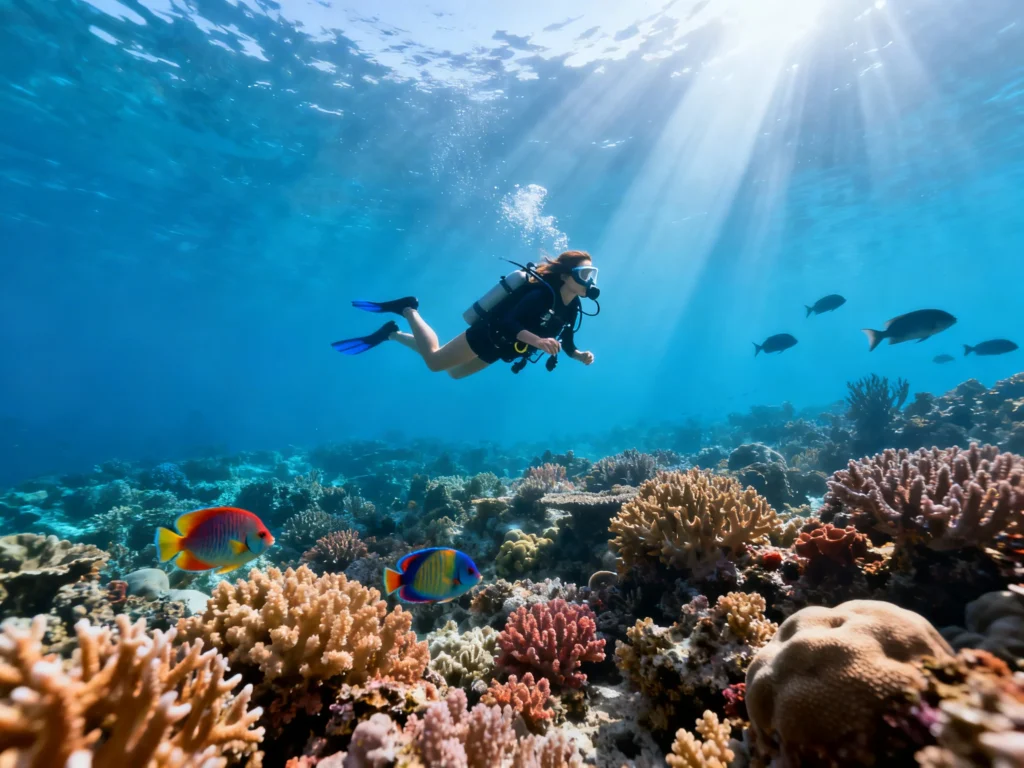
Some trips are cute. Some trips change your brain chemistry. Scuba diving is the second one—especially when you’re floating through sharky channels, glowing night reefs, and coral gardens that look like they were designed by a color-obsessed artist.
If you’re building a once-in-a-lifetime dive list, these spots deliver the big moments (and the braggy underwater photos). Here are ten destinations worth planning around, plus a few practical tips so you actually enjoy the trip and not just the idea of it.
Top 10
1) Great Barrier Reef, Australia
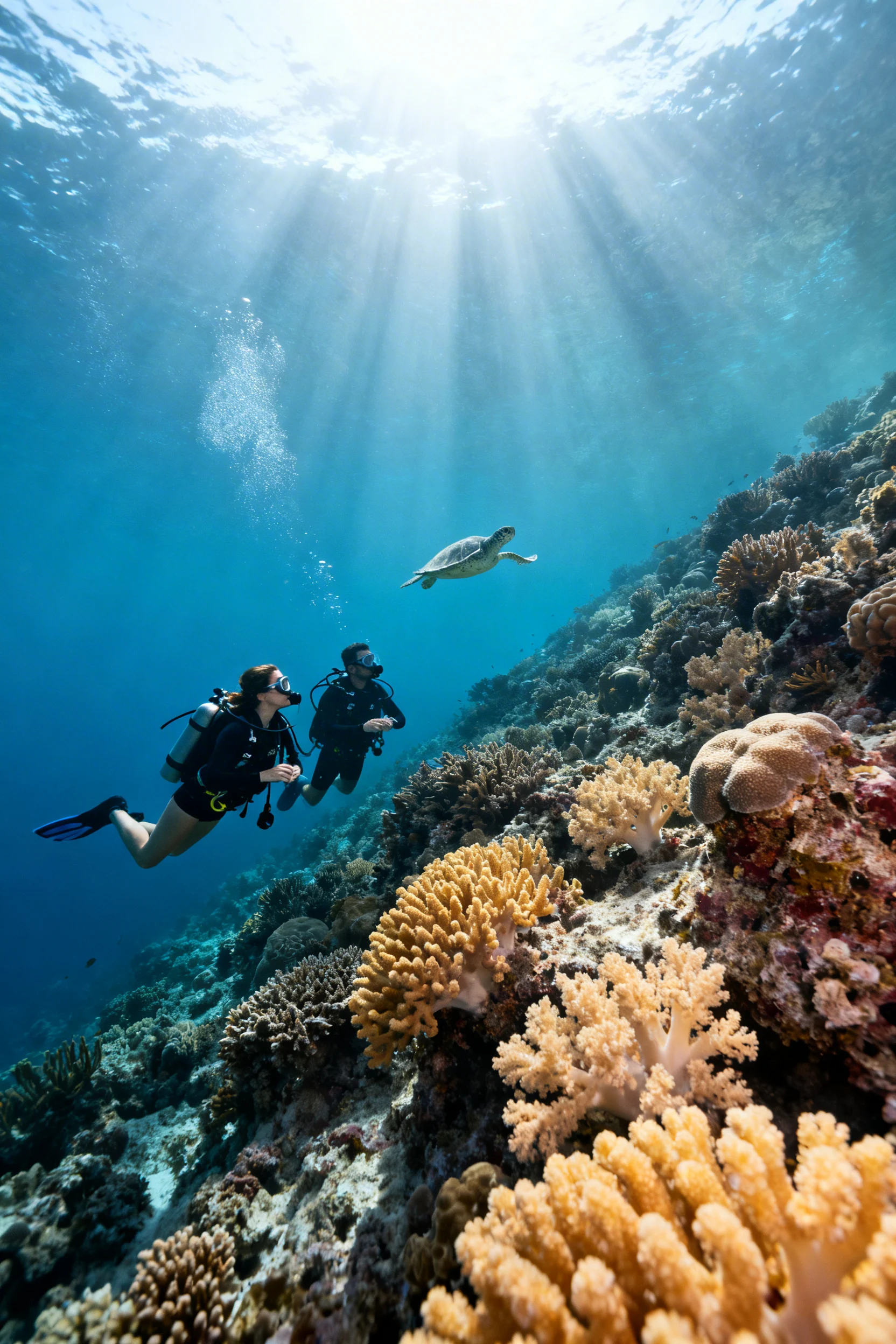
Base yourself in Cairns or Port Douglas and book a liveaboard if you want the healthiest outer reef sites (less day-trip crowding, more dive time). Go during the dry season (roughly May–October) for clearer visibility and calmer seas. Pack reef-safe sunscreen, a light rain jacket for boat days, and consider a stinger suit in warmer months. If you’re new, choose operators that include guided dives and buoyancy help—your coral etiquette matters here.
2) Raja Ampat, Indonesia
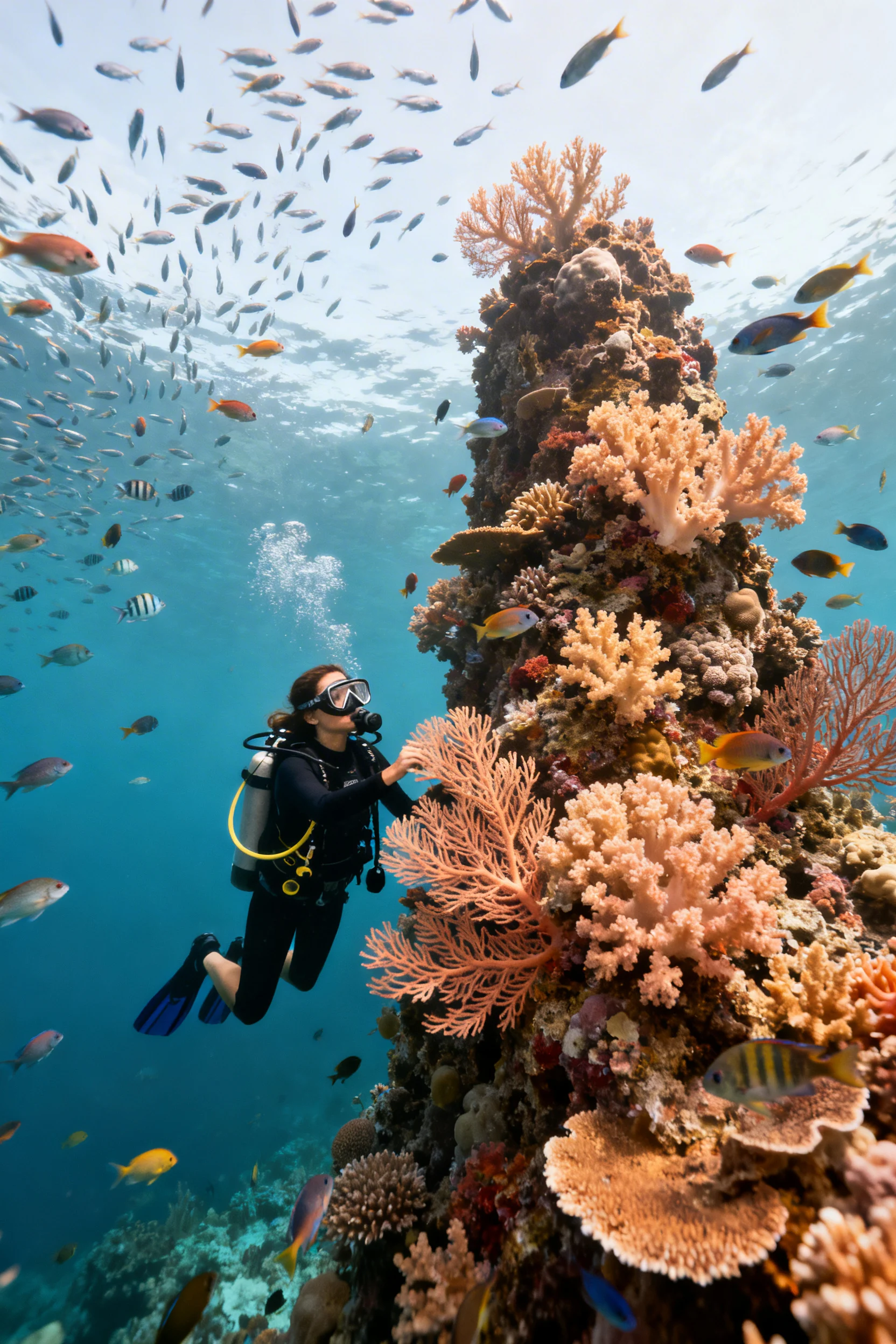
This is the “biodiversity flex” destination: insane reefs, macro life, and big schools when conditions line up. Plan for Sorong flights plus transfers, and budget extra time—getting here is part of the deal. The sweet spot is typically October–April for calmer seas in many areas, but local micro-seasons vary, so ask your resort which sites are best when you’re traveling. Bring a rash guard and spare mask strap; logistics are remote and replacements aren’t always easy.
3) Galápagos Islands, Ecuador
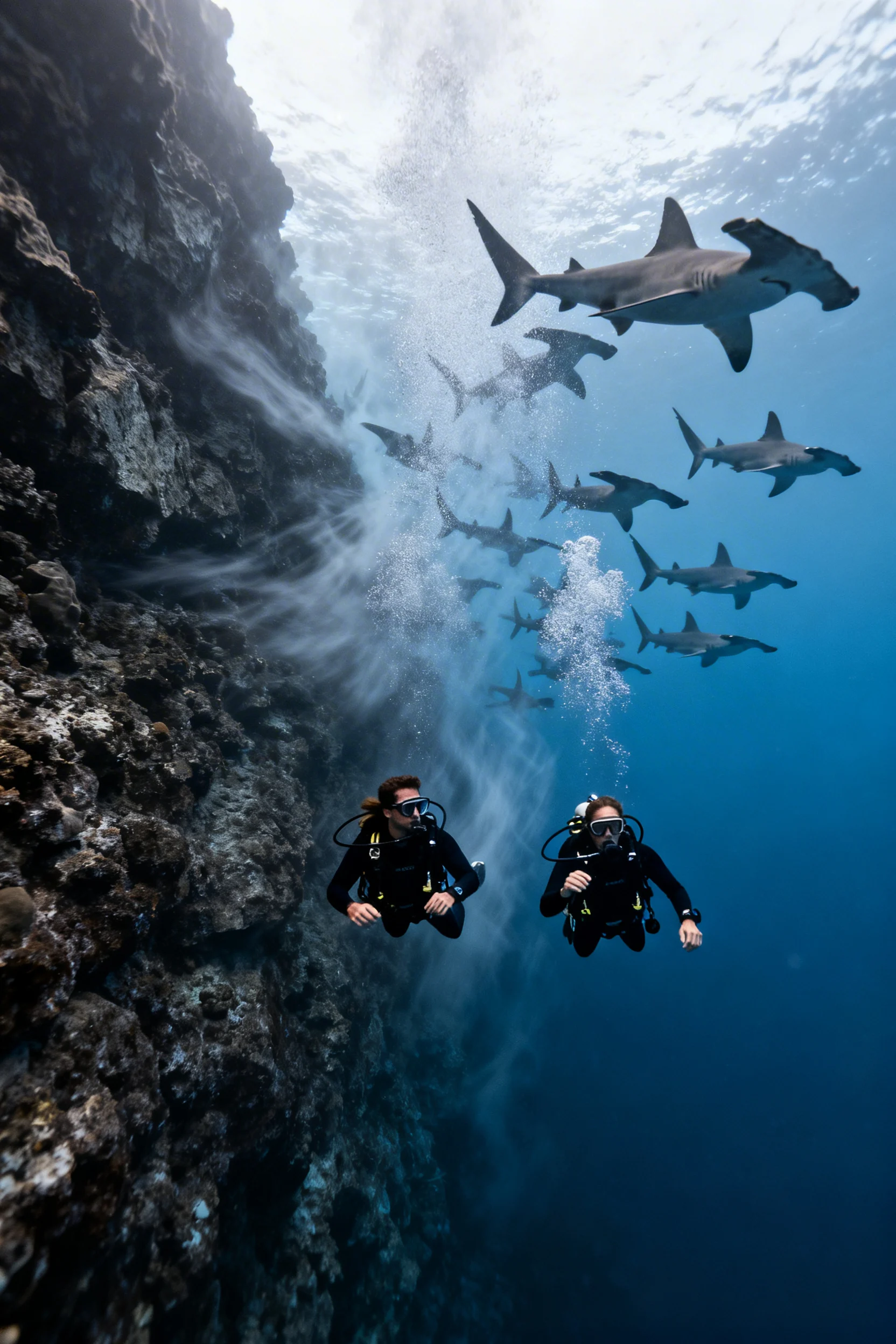
Come for hammerheads, whale sharks (seasonal), and the kind of current that makes you feel like a very determined flag. This is better for intermediate divers, so if you’re newer, do a refresher and get comfortable with negative entries and staying close to your guide. Book well ahead—liveaboards are the easiest way to hit iconic sites like Darwin and Wolf. Pack a thicker wetsuit (often 5–7mm) and reef hooks if your operator recommends them.
4) Palau
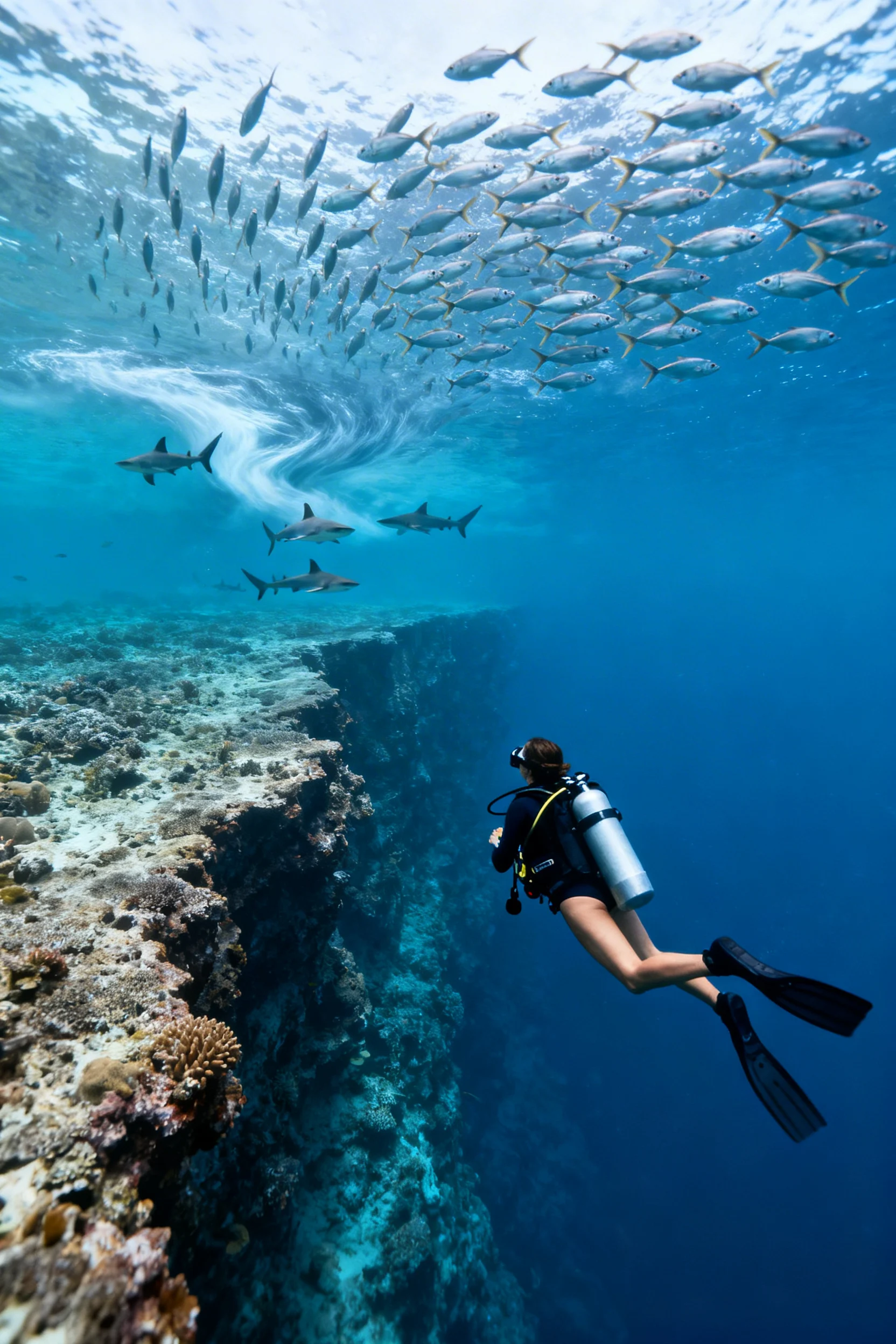
Palau is all about dramatic drop-offs, WWII wrecks, and adrenaline channels like Blue Corner where the action just keeps showing up. Stay in Koror for easy access and book a multi-day dive package so you can chase conditions (visibility and currents change). The dry season (roughly November–May) is a popular window, but Palau dives year-round. Don’t skip Jellyfish Lake if it’s open—check current access rules before you go.
5) Maldives
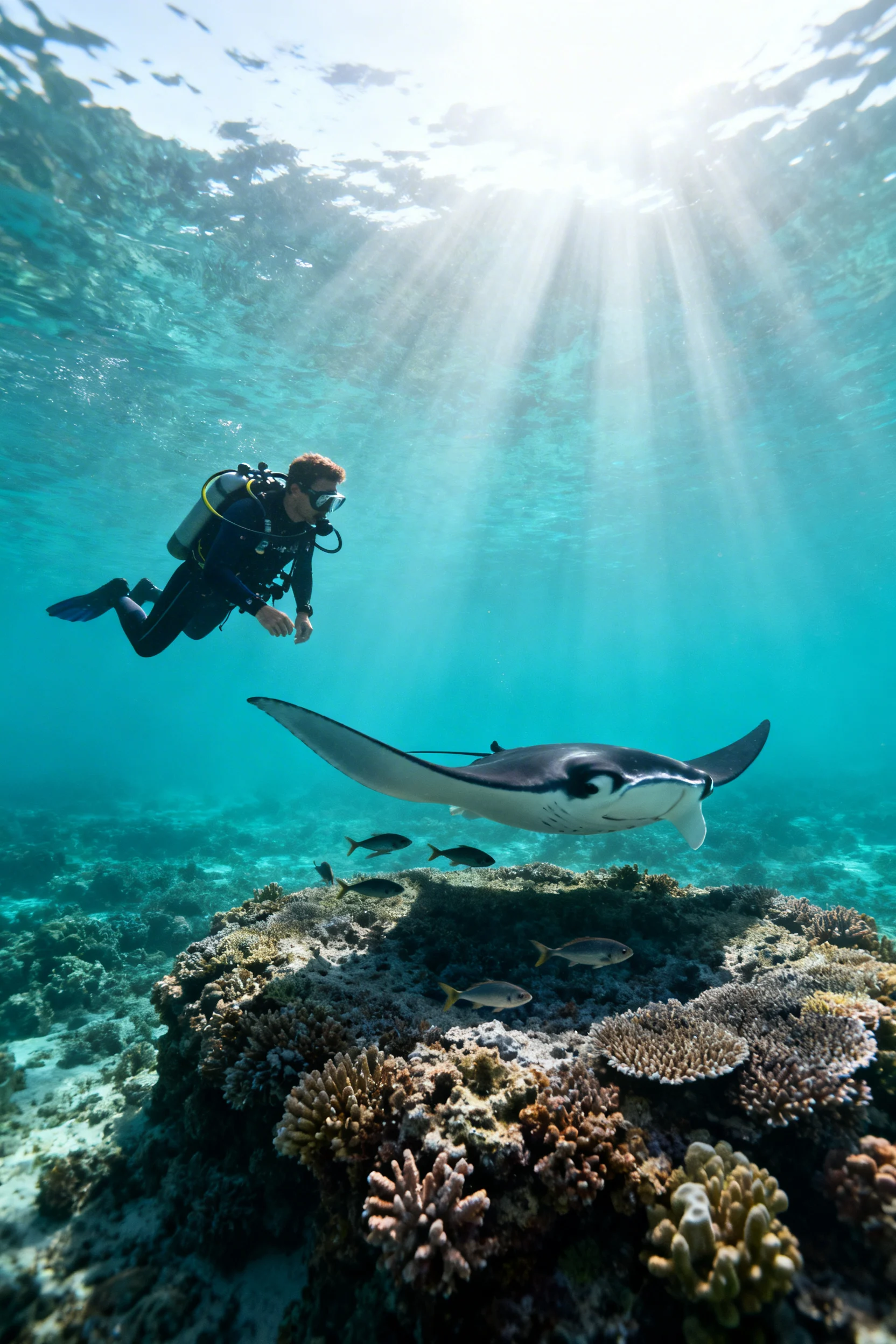
If “manta rays at a cleaning station” is on your vision board, the Maldives is calling. Choose an atoll based on what you want: Ari for mantas and whale sharks, Baa for seasonal manta action, or a liveaboard for variety. Northeast monsoon (roughly December–April) often brings calmer seas and clearer water, while other months can be plankton-rich (more big-life potential, sometimes less visibility). Pack a surface marker buoy and a small dry bag—drift dives and boat pickups are common.
6) Belize (Blue Hole + Barrier Reef)
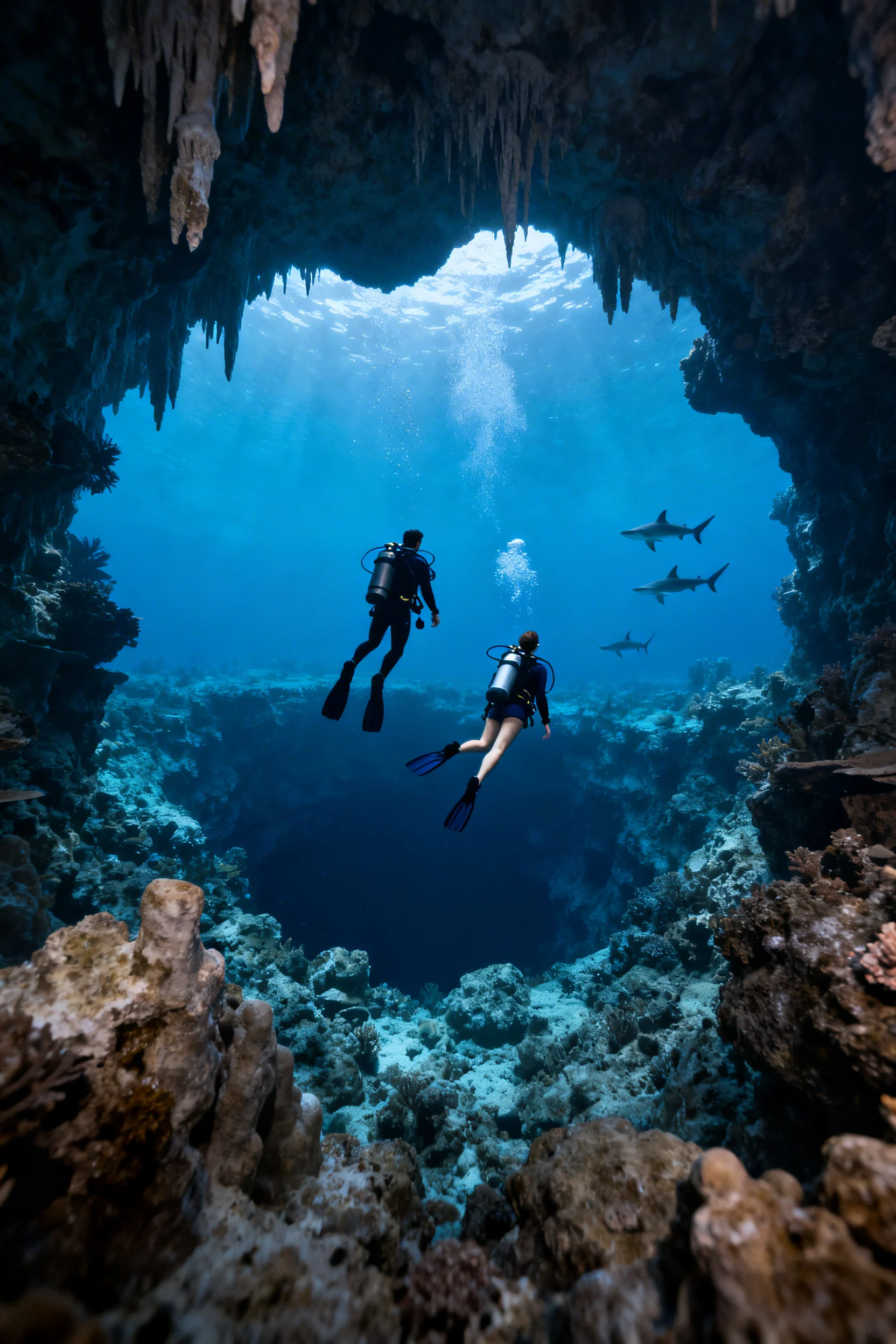
Belize gives you easy reef diving plus the famous Great Blue Hole—best as part of a full-day trip that also includes nearby reef sites with more life. Base yourself on Ambergris Caye (San Pedro) for lots of operators, or Caye Caulker for a quieter vibe. Book the Blue Hole with a safety-focused shop that keeps groups tight and checks experience levels. Bring seasickness meds if you’re sensitive—the boat ride out can be bouncy.
7) Cozumel, Mexico
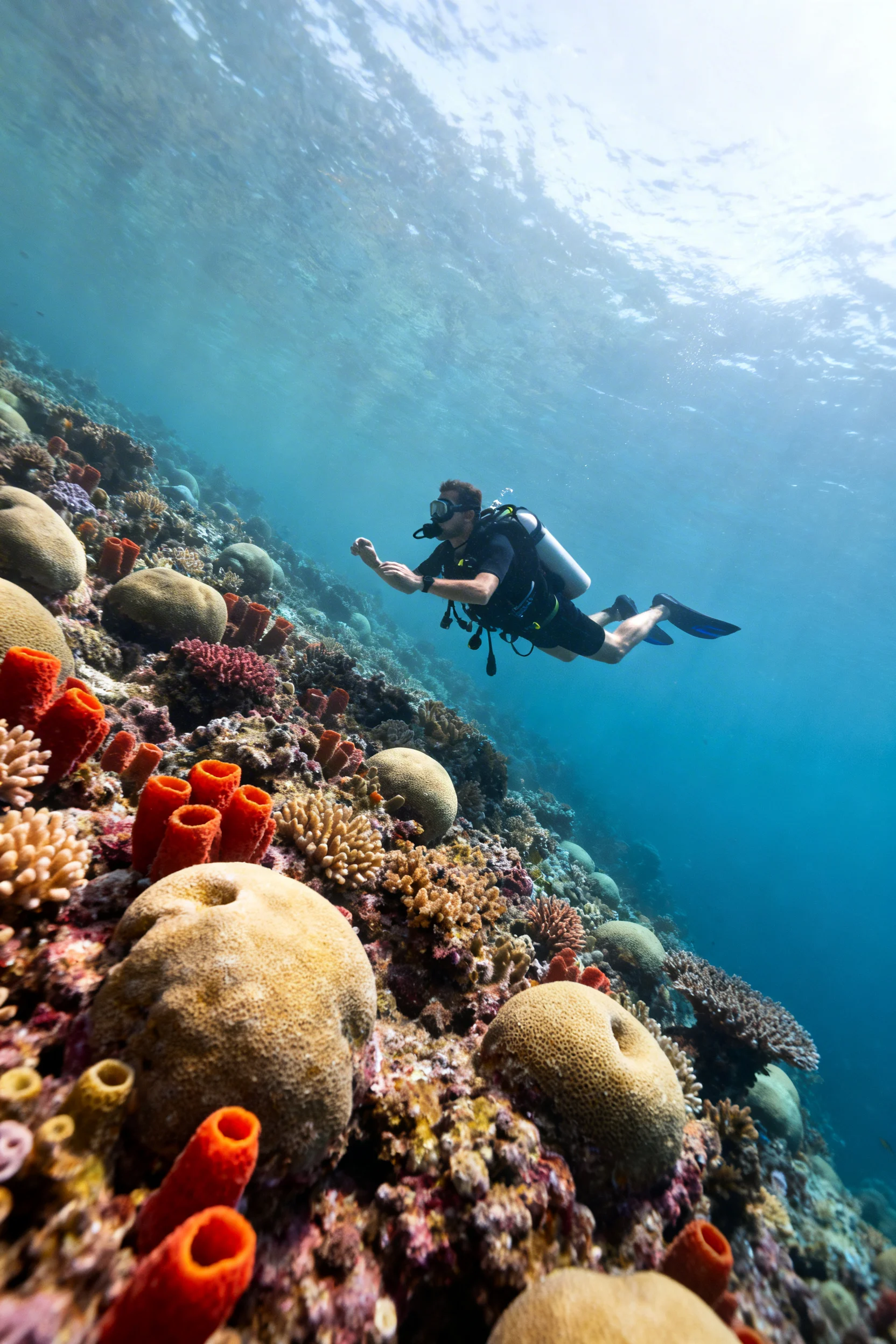
Cozumel is the drift-dive capital for a reason: effortless flying-over-the-reef vibes with great visibility. Stay in San Miguel for convenience, or choose a southern resort if you want quick access to marine park sites. Winter can be breezier with occasional port closures, so add buffer days if diving is your main goal. Pack a long-sleeve rash guard for sun protection and ask your shop about reef-safe practices in the marine park.
8) Sipadan, Malaysia (Borneo)
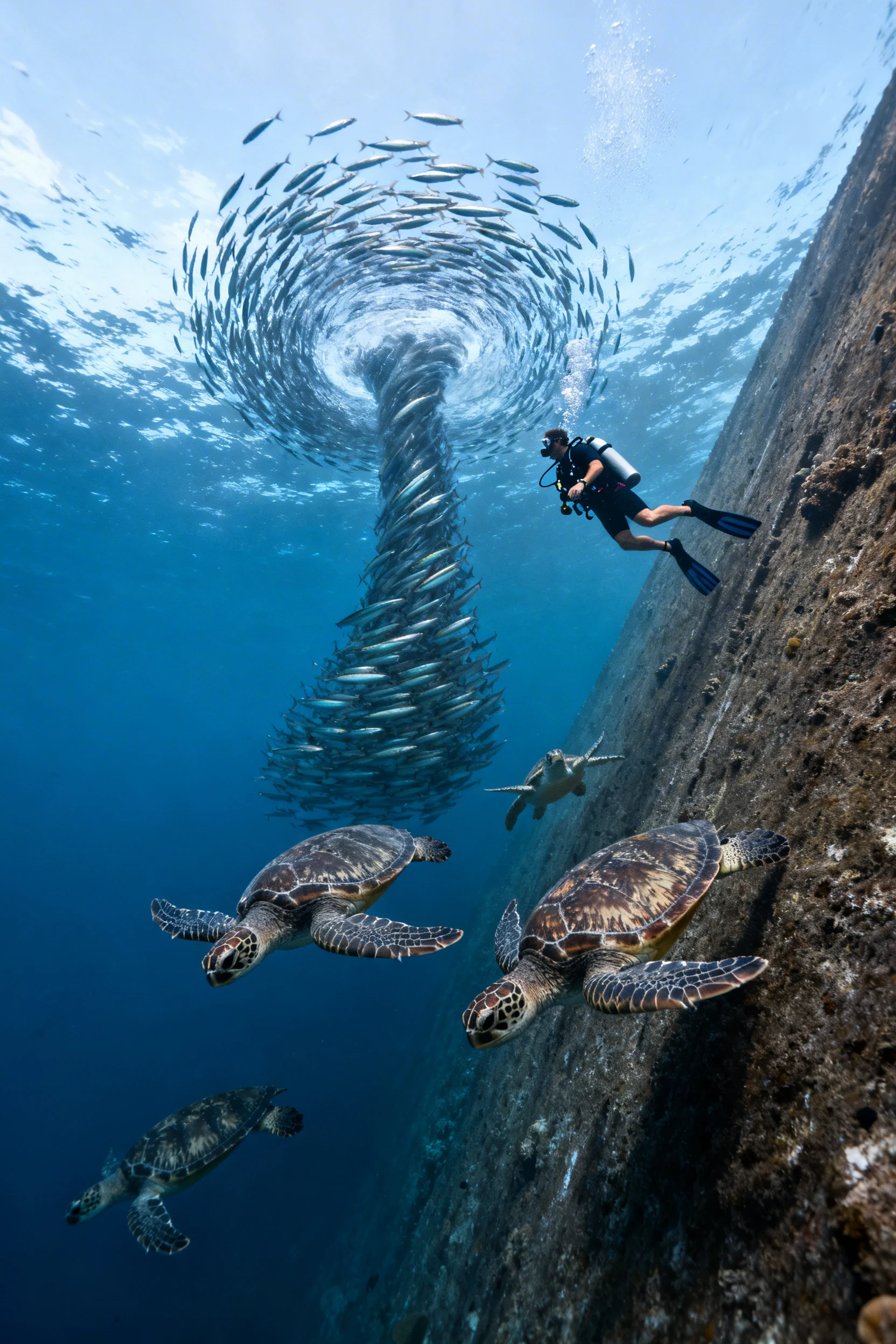
Sipadan is legendary for turtles, barracuda tornadoes, and wall dives that feel like an underwater movie set. Permits are limited, so book far in advance and consider staying on Mabul or Kapalai to maximize your chances of multiple Sipadan days. Conditions are solid year-round, but visibility often shines in drier periods (many aim for March–October). Bring a good camera strap and keep your buoyancy dialed—walls and currents mean you’ll want control, not chaos.
9) Red Sea, Egypt
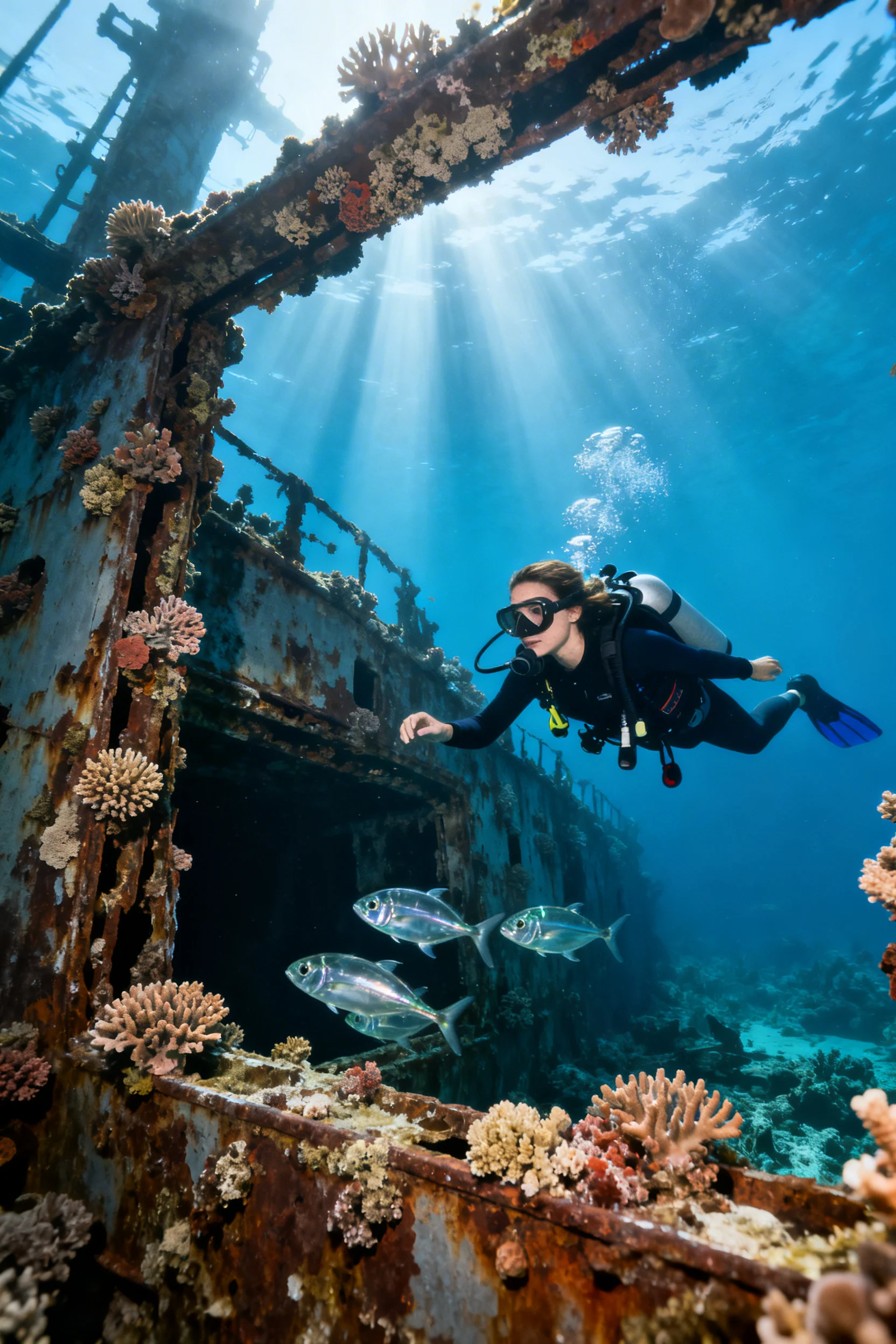
For value + variety, the Red Sea is hard to beat: colorful reefs, dolphins, and some iconic wrecks (hello, Thistlegorm). Choose Hurghada for budget-friendly access, Sharm el-Sheikh for Ras Mohammed, or go liveaboard if you want the best routes with fewer long daily transfers. Spring and fall are comfortable, while summer is hot but water is dreamy. Pack a light jacket for breezy night decks and consider nitrox if you’re doing multiple dives a day.
10) Bonaire
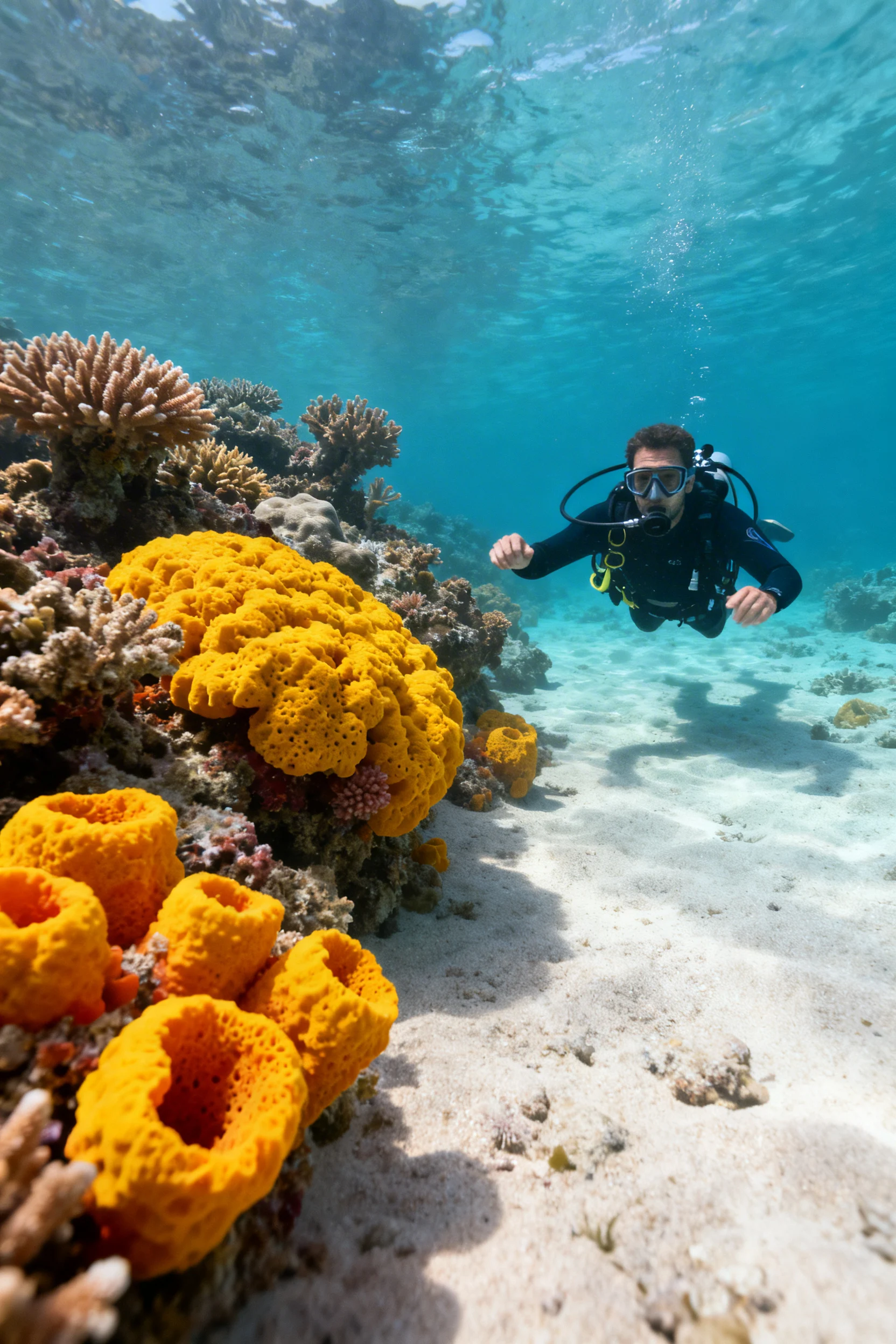
Bonaire is the ultimate “dive on your own schedule” destination with shore diving that’s beginner-friendly and ridiculously convenient. Stay near Kralendijk for easy dining and tank pickups, then plan a simple routine: grab tanks, do a morning double, lunch, then an easy sunset dive. Bring sturdy water shoes (ironshore entries can be sharp) and a dive light for night dives—Bonaire after dark is a whole separate world. Don’t overpack outfits; you’ll live in swimwear and rinse stations.
FAQ
Do I need to be certified before I travel?
It’s strongly recommended. Getting certified at home saves vacation time and usually means calmer learning conditions. If you’re short on time, you can do eLearning + referral dives, or complete an Open Water course at the destination—just choose a reputable shop with small groups.
What’s the best first “big” dive trip for beginners?
Cozumel and Bonaire are top picks for first-timers because logistics are easy and the diving is consistent. Belize is also beginner-friendly if you focus on reef sites (the Blue Hole is more advanced). Look for operators that include guided dives and offer buoyancy coaching.
How far in advance should I book?
For permit- or cabin-limited places (Sipadan, Galápagos, Raja Ampat liveaboards), aim for 6–12 months. For easier destinations like Cozumel or Bonaire, 1–3 months is often fine, but peak holiday weeks can fill up fast.
What should I pack that people always forget?
Bring a surface marker buoy (SMB) if you’re doing drifts, a spare mask strap, reef-safe sunscreen, and motion-sickness meds for boat-heavy itineraries. A thin rash guard is clutch for sun, jelly protection, and avoiding wetsuit chafing.
What’s one thing I should not do as a new diver?
Don’t chase animals or push your depth/time limits to “get the shot.” Stick close to your guide, keep neutral buoyancy, and prioritize slow, calm movements—marine life comes closer when you’re not acting like a frantic paparazzi.